


Seafood Lover s Guide to Malaysia Key Takeaways
If you are searching for the freshest catch, boldest flavours, and unforgettable coastal dining, this Seafood Lover’s Guide to Malaysia will show you exactly where to go.
- Discover seven must-visit seafood hotspots across Malaysia, each with its own signature dishes and local charm.
- Learn how to order like a local and get the best value for your ringgit with a clear pricing comparison table.
- Get practical travel tips that help you avoid tourist traps and find the real best seafood in Malaysia .
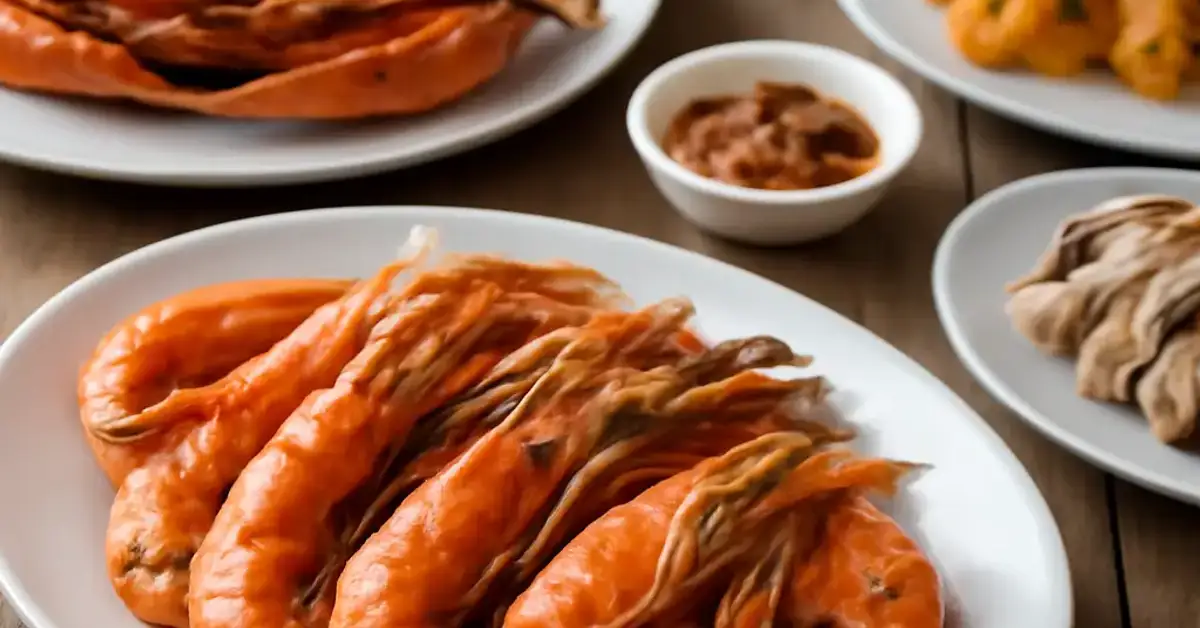
What Makes This Seafood Lover’s Guide to Malaysia Different
Malaysia is a country where the ocean meets a thousand culinary traditions. Walking through a Malaysia seafood guide isn’t just about listing restaurants — it’s about understanding how geography, culture, and local fishing methods shape every dish. Whether you’re craving buttery crab dipped in curry sauce or a simple grilled fish eaten with your hands by the waterfront, this guide helps you make informed choices. For a related guide, see Best Seafood Restaurants in Malaysia: 7 Expert Picks for Fresh Catch.
We have focused on places that locals frequent, not just tourist-heavy spots. The result is a practical roadmap for anyone serious about where to eat seafood Malaysia style. For a related guide, see 7 Best Curry Mee Restaurants Reviewed: Avoid These 3 Mistakes.
7 Regional Hotspots for the Best Seafood in Malaysia
Each region in Malaysia brings something unique to the table. Below are seven locations that define the best seafood in Malaysia, complete with must-try dishes and tips on what to order.
1. Penang — The Spice Capital of Seafood
Penang is famous for its street food, but its Seafood Malaysia offerings are equally impressive. Head to Gurney Drive Hawker Centre or the fishing village of Batu Maung. Do not leave without trying Ikan Bakar (grilled fish slathered in a turmeric and chilli paste) and Kerabu Udang (spicy mango and prawn salad).
2. Kota Kinabalu, Sabah — Fresh from the Coral Triangle
Sabah’s capital offers seafood that is practically plucked from the ocean minutes before it hits your plate. Visit the Filipino Market for grilled stingray and giant river prawns. The signature dish here is Hinava, a tangy raw fish ceviche with lime, chilli, and ginger.
3. Kuala Lumpur — Urban Seafood with Style
KL might be inland, but it imports some of the finest catches daily. Jalan Alor and the neighbourhood of Sri Petaling are packed with seafood steamboats and butter prawn stalls. Try the Salt Baked Crab at any reputable Chinese seafood restaurant in the city.
4. Langkawi — Island Seafood at Sunset
On the island of Langkawi, seafood is best enjoyed on the beach. Pantai Cenang and the Tanjung Rhu area host several family-run restaurants. Their Tom Yam Seafood soup is loaded with squid, mussels, and prawns — fiery and unforgettable.
5. Johor Bahru — Cross-Border Catches
Just a short drive from Singapore, JB’s seafood scene is both affordable and flavourful. Stulang Laut and Permas Jaya are the go-to areas. Ask for Asam Pedas Ikan Pari, a sour and spicy skate fish stew that pairs perfectly with steamed rice.
6. Terengganu — Traditional Malay Seafood
On the east coast, Terengganu is where you find authentic Malay seafood cooking. Pasar Payang and the restaurants along Batu Buruk beach serve Ikan Percik (grilled fish in a thick coconut and chilli sauce) and Nasi Dagang with curried tuna.
7. Sarawak — Borneo’s River and Sea Bounty
Kuching, the capital of Sarawak, blends river fish with ocean catches. The Top Spot Food Court is legendary for its Umai (a raw fish salad similar to ceviche but with a tangy asam gelugor twist) and Midin Belacan (wild fern with shrimp paste — not a seafood dish itself, but a perfect side to grilled fish).
Seafood Lover’s Guide to Malaysia Pricing Comparison
One of the best parts of eating Seafood Malaysia is the value. Prices vary significantly between states, so knowing what to expect helps you budget better.
| Location | Average Meal Price (per person, MYR) | Signature Dish | Best For |
|---|---|---|---|
| Penang | 15 – 35 | Ikan Bakar | Street food lovers |
| Kota Kinabalu | 20 – 50 | Hinava, grilled prawns | Ultra-fresh catches |
| Kuala Lumpur | 25 – 60 | Salt baked crab | Dinner dates, group dining |
| Langkawi | 18 – 45 | Tom Yam seafood | Befront dining |
| Johor Bahru | 12 – 30 | Asam Pedas Ikan Pari | Budget seafood near Singapore |
| Terengganu | 10 – 25 | Ikan Percik | Traditional Malay flavours |
| Sarawak | 15 – 40 | Umai | Unique ethnic dishes |
As you can see, even in pricier spots like KL and Kota Kinabalu, you get exceptional quality for what you pay. For the best value, head to Terengganu or Johor Bahru.
Travel Tips for the Seafood Lover in Malaysia
To truly enjoy the best seafood in Malaysia, keep these practical tips in mind:
- Eat where the locals queue. If a restaurant has a line of locals outside, join it. That is usually a sign of freshness and fair pricing.
- Go early for the best catch. Many seafood places source their fish in the morning. Lunch and early dinner (around 6 PM) give you first pick of the day’s haul.
- Ask about the catch of the day. Menus often list generic items, but the freshest seafood is whatever the fishermen brought in that morning. Ask your server what is best today.
- Watch out for hidden charges. Some tourist-area restaurants add service charges or “special” cleaning fees. Always ask for the total price before ordering expensive items like crab or lobster.
- Bring cash to smaller stalls. While many places accept cards, hawker centres and market stalls in Terengganu or Sarawak often only take cash.
- Be adventurous with sauces. Malaysian seafood is rarely plain. Embrace the sambal, the asam, and the coconut-based curries — they elevate every dish.
Useful Resources
For more detailed information on Malaysian cuisine and travel, check out these authoritative sources:
- Tourism Malaysia Official Site — Official travel guide with state-by-state food recommendations.
- The Straits Times Food Section — Regularly features in-depth reviews of Malaysian seafood spots.
Malaysia is a treasure trove for seafood lovers. Use this Seafood Lover’s Guide to Malaysia to plan your next culinary adventure, and don’t be shy about exploring beyond the tourist strips. The best experiences often come from a simple conversation with a local fisherman or a spontaneous stop at a roadside grill. Enjoy every bite.
Frequently Asked Questions About Seafood Lover s Guide to Malaysia
Is seafood in Malaysia safe to eat raw?
Yes, in reputable restaurants and markets, raw dishes like Hinava and Umai are prepared fresh daily with lime or asam that helps cure the fish. Always choose busy places with high turnover to ensure freshness.
What is the most popular Malaysian seafood dish?
Ikan Bakar (grilled fish) is arguably the most beloved, found in every state. It is typically marinated in spices and served with sambal and rice.
Where can I find the cheapest seafood in Malaysia?
Terengganu and Johor Bahru offer the lowest prices. Hawker stalls and pasar malam (night markets) in these states serve generous portions for under RM20 per person.
What is the best time of year for seafood in Malaysia?
During the monsoon season on the east coast (November to February), fishing is limited. For the best variety, visit between March and October.
Are there halal seafood restaurants in Malaysia?
Yes, the majority of seafood restaurants in Malaysia are halal, especially in Malay-dominated areas like Terengganu and Kelantan. In multiracial cities, look for the halal certification logo.
Do I need to tip at seafood restaurants in Malaysia?
Tipping is not mandatory. Some restaurants include a 10% service charge. If not, rounding up the bill or leaving small change is appreciated but never expected.
What drinks go best with Malaysian seafood?
Fresh coconut water, iced Teh Tarik (pulled milk tea), or a cold beer (in non-halal places) are popular choices to balance the spice and heat.
Is it easy to find vegetarian options at seafood restaurants?
Many seafood places also serve vegetable dishes like Kangkung Belacan (water spinach in shrimp paste) or Midin (wild fern). But cross-contamination is possible, so inform the staff if you are strictly vegetarian.
What is the difference between Ikan Bakar and Ikan Percik?
Ikan Bakar is simply grilled fish with spices. Ikan Percik is a Terengganu speciality where the fish is coated in a thick, sweet coconut and turmeric sauce before grilling.
Can I visit seafood markets in Malaysia?
Absolutely. Markets like Pasar Payang in Terengganu, the Filipino Market in Kota Kinabalu, and the morning fish market in Penang offer a great glimpse into local seafood culture. You can also buy fresh fish to cook yourself.
Which Malaysian state has the best seafood?
It depends on your preference. Penang wins for spicy street seafood, Sabah for unparalleled freshness, and Terengganu for traditional Malay flavours. There is no single answer — that is why this Seafood Lover’s Guide to Malaysia includes seven states.
What is Umai?
Umai is a Sarawakian raw fish salad made with fresh fish, lime juice, sliced onions, chilli, and salt. It is light, tangy, and served as a starter or side dish.
Are there any seafood dishes I should avoid as a first-time visitor?
Raw dishes like Umai and Hinava may not suit everyone’s palate. Start with cooked classics like butter prawns or sweet and sour fish to ease into Malaysian seafood.
How spicy is Malaysian seafood?
It can be very spicy, especially dishes with sambal, cili padi (bird’s eye chilli), or curry. Most restaurants allow you to request less chilli if you mention it when ordering.
What is the best way to travel between seafood destinations?
Domestic flights are the fastest way to cover long distances like KL to Sabah. For shorter hops like Penang to Langkawi, ferries are convenient and affordable.
Do seafood restaurants in Malaysia accept credit cards?
Higher-end restaurants in KL, Penang, and Kota Kinabalu usually accept cards. However, hawker stalls, market vendors, and smaller eateries prefer cash.
What is the biggest seafood festival in Malaysia?
The Sabah Seafood Festival, held annually in Kota Kinabalu, celebrates the region’s marine bounty with cooking competitions, food stalls, and cultural performances.
Is it safe to eat shellfish in Malaysia?
Yes, as long as you buy from busy, reputable vendors. Clams, mussels, and crabs are cooked in high heat with strong spices, which reduces risk. Avoid raw shellfish from questionable sources.
Can I take cooking classes focused on seafood in Malaysia?
Yes, several cooking schools in Penang, Langkawi, and Kuala Lumpur offer classes where you learn to prepare Ikan Bakar, curry fish head, and other local seafood dishes. Check platforms like Cookly for options.
What should I look for when choosing a seafood restaurant in Malaysia?
Look for high customer turnover, visible tanks with live seafood (a sign of freshness), and a menu that changes daily based on catch. Avoid places with aggressive touts; they often have inflated prices.