

best signature dishes in Malaysia Key Takeaways
We focused on dishes that are (1) widely recognized across Malaysia, (2) culturally significant, and (3) consistently ranked among the world’s best foods by travelers and locals alike.
- Nasi Lemak is the undisputed national dish — fragrant coconut rice with sambal, anchovies, and egg.
- Char Kway Teow, Rendang, and Satay round out the list of famous Malaysian food you must not miss.
- Each dish has a specific region or town where it tastes best — Penang for noodles, Negeri Sembilan for Rendang.
What Makes the Best Signature Dishes in Malaysia So Special?
Malaysia’s culinary identity is shaped by centuries of trade, migration, and fusion. The best dishes in Malaysia are not just meals — they’re stories of communities adapting ingredients and techniques. From the wok hei of Penang’s noodle stalls to the slow-cooked spices of a Minangkabau rendang, every bite carries history. The beauty is that you can eat like a king for under $5 at a hawker center, or enjoy refined versions at high-end restaurants. For a related guide, see Malaysia Traditional Food: 7 Essential Malaysian Traditional Foods You Must Try in 2025.
Why This List Picks the 7 Most Iconic Malaysian Signature Dishes
We focused on dishes that are (1) widely recognized across Malaysia, (2) culturally significant, and (3) consistently ranked among the world’s best foods by travelers and locals alike. These are the Malaysian signature dishes you’ll remember long after your trip ends.
1. Nasi Lemak — The National Treasure
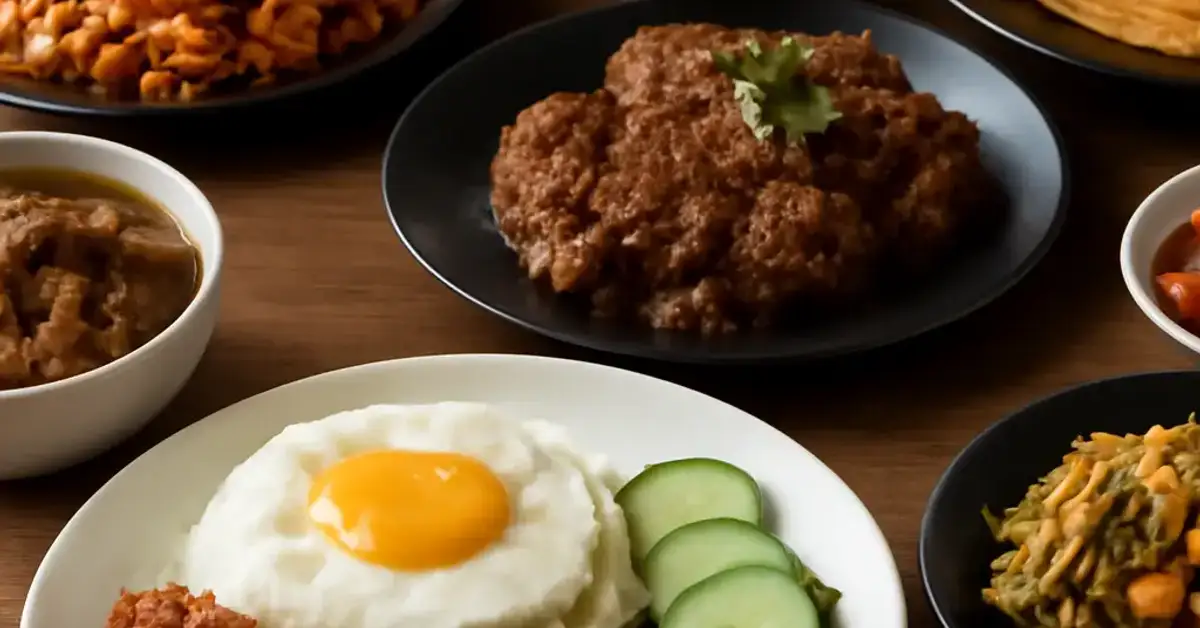
Why it’s iconic: Nasi lemak is the breakfast of champions and the comfort food of every Malaysian. Coconut milk and pandan leaves give the rice a creamy, fragrant texture. It’s served with spicy sambal, crispy anchovies, toasted peanuts, hard-boiled egg, and a slice of cucumber. Many stalls add fried chicken, curry, or squid.
Where to find it: Village Park Restaurant in Petaling Jaya is legendary for its fried chicken nasi lemak. For a street version, try any Malay stall in KL’s Kampung Baru.
2. Char Kway Teow — Penang’s Wok-Fried Noodles
Why it’s iconic: Flat rice noodles stir-fried over fierce heat with dark soy sauce, prawns, Chinese sausage, bean sprouts, and cockles. The smoky char — wok hei — is what separates good from great. It’s one of the best dishes in Malaysia for noodle lovers.
Where to find it: Lorong Selamat in Penang is the most famous spot. Sisters’ Char Koay Teow is a family-run stall that draws queues daily.
3. Rendang — Slow-Cooked Spiced Meat
Why it’s iconic: Beef (or chicken) simmered for hours in coconut milk and a paste of chilies, lemongrass, galangal, turmeric, and ginger. The result is tender meat coated in a thick, aromatic sauce. Rendang was voted the world’s most delicious food in a CNN poll. It’s a must among Malaysian signature dishes. For a related guide, see Traditional Malaysian Food Explained: 7 Essential Dishes to Try.
Where to find it: For authentic Negeri Sembilan-style rendang, head to Restoran Sri Melaka in Seremban. Many hotels in KL also serve excellent versions.
4. Satay — Grilled Skewers with Peanut Sauce
Why it’s iconic: Marinated chunks of chicken or beef threaded onto bamboo skewers, grilled over charcoal, and served with a rich peanut dipping sauce, ketupat (compressed rice cakes), and cucumber slices. Satay is party food — social, shareable, and incredibly flavorful.
Where to find it: Kajang is the satay capital of Malaysia. Satay Kajang Hj. Samuri is a famous chain with multiple outlets.
5. Laksa — Two Distinctly Different Bowls
Why it’s iconic: Malaysia boasts two famous laksa varieties. Penang’s Asam Laksa features a tamarind-based fish broth with thick rice noodles, topped with mint, pineapple, and shrimp paste. Sarawak Laksa has a coconut milk base with chicken, prawns, and a spice paste. Both are complex, sour, spicy, and utterly addictive.
Where to find it: Try Asam Laksa at Air Itam Market in Penang. For Sarawak Laksa, head to Sin Hiap Hin in Kuching.
6. Roti Canai — Flaky Flatbread with Curry
Why it’s iconic: This Indian-influenced flatbread is stretched, slapped, and folded repeatedly to create thin, crispy layers. Served with dal or curry (often chicken or fish), it’s a breakfast staple and late-night snack. The best versions are crisp on the outside, soft and chewy inside.
Where to find it: Original Penang Kayu Nasi Kandar has a great roti canai. So does Roti Canai Transfer Road in George Town.
7. Cendol — Icy Coconut Dessert
Why it’s iconic: Shaved ice topped with green rice flour jelly, coconut milk, palm sugar (gula Melaka), and sometimes red beans or corn. Cendol is the ultimate tropical refreshment. It balances sweetness, creaminess, and coolness in every spoonful.
Where to find it: Penang Road Famous Teochew Chendul is a legendary stall that has been serving this dessert for generations. You’ll find long queues, but it’s worth it.
| Dish | Key Flavor Profile | Best City/Region | Must-Try Stall or Restaurant |
|---|---|---|---|
| Nasi Lemak | Coconut rice + spicy sambal | Kuala Lumpur | Village Park Restaurant |
| Char Kway Teow | Smoky wok-fried noodles | Penang | Lorong Selamat |
| Rendang | Slow-cooked spiced meat | Negeri Sembilan | Restoran Sri Melaka |
| Satay | Grilled skewers + peanut sauce | Kajang | Satay Kajang Hj. Samuri |
| Laksa (Asam and Sarawak) | Sour fish broth or coconut curry | Penang / Kuching | Air Itam Market / Sin Hiap Hin |
| Roti Canai | Flaky flatbread + curry | Penang | Roti Canai Transfer Road |
| Cendol | Iced coconut + palm sugar | Penang | Teochew Chendul |
How to Eat the Best Signature Dishes in Malaysia Like a Local
Here are quick tips to make your food adventure authentic:
- Use your right hand for nasi lemak and roti canai. Locals often eat with their hands to feel the texture.
- Add sambal generously — it’s the soul of many dishes.
- Visit hawker centers for the most authentic versions. They’re cheap, fast, and delicious.
- Ask for “less sugar” (kurang manis) for drinks and desserts if you prefer less sweetness.
- Go early — the best stalls sell out by lunchtime.
Useful Resources
For deeper dives into Malaysia’s food culture, check out these trusted sources:
- Malaysia Tourism: Food and Drink Guide — official travel site with regional food recommendations.
- Michelin Guide Malaysia: Essential Malaysian Dishes — curated list of iconic dishes from Michelin inspectors.
Malaysia’s food scene is a never-ending adventure. Whether you’re here for a few days or a few months, these seven best signature dishes in Malaysia will give you a delicious introduction to a cuisine that celebrates flavor, tradition, and community. Selamat makan!
Frequently Asked Questions About best signature dishes in Malaysia
What is the number one best signature dish in Malaysia ?
Nasi lemak is universally considered the national dish and tops every list of Malaysian signature dishes.
Is Malaysian food spicy?
Many dishes use chilies and sambal, but you can often request mild versions. Nasi lemak and laksa can be adjusted.
Where can I eat the best street food in Malaysia?
Penang’s George Town is the street food capital. KL’s Jalan Alor and Singapore’s Lavender Street (just across the causeway) are also excellent.
Is nasi lemak eaten for breakfast only?
No. It’s popular for breakfast, lunch, dinner, and even supper. Many 24-hour stalls serve it all day.
What is the difference between Malaysian and Indonesian rendang?
Malaysian rendang (especially Negeri Sembilan style) is typically drier and uses kerisik (toasted coconut). Indonesian rendang can be wetter.
Is char kway teow vegetarian?
No, it usually contains prawns, cockles, and pork lard. Ask for “no lard” if you want a less fatty version, but it won’t be vegan.
What is the best drink to pair with these dishes?
Iced lemon tea, barley drink, or sugarcane juice are classic pairings. Milo ais is also a local favorite.
Can I find halal versions of all these dishes?
Most Malay- and Indian-Muslim stalls serve halal food. Char kway teow and laksa at Chinese stalls may use pork lard — check before ordering if halal matters.
Is satay healthy?
It can be moderate in calories. The peanut sauce adds fat and sugar, but the skewers themselves are grilled, not fried.
What is “wok hei” in char kway teow?
It’s the smoky, charred flavor from cooking over high heat in a well-seasoned wok. It’s essential for authentic Penang-style noodles.
Do I need to use my hands to eat roti canai?
You can use fork and spoon, but tearing the roti with your right hand and dipping it in curry is the traditional way.
Is cendol vegan?
Typically yes — it’s made with coconut milk, palm sugar, and rice flour jelly. But some stalls add condensed milk, so ask.
What is the best Malaysian dish for first-time visitors?
Nasi lemak is the safest and most delicious entry point. It’s mild enough for most palates but packed with flavor.
Are there any desserts besides cendol?
Yes — try ais kacang (shaved ice with syrup and jellies), apam balik (sweet pancake), and kuih (bite-sized traditional cakes).
What is the spiciest dish on this list?
Asam laksa can be very sour and spicy. Nasi lemak sambal can also be fiery depending on the stall.
How much does a typical meal cost?
At a hawker center, expect RM4–8 ($1–2) for a dish. At fancier restaurants, RM15–30 ($4–8).
Can I take street food back to my hotel?
Yes, but eat within an hour. Noodles and fried items lose quality quickly. Cendol will melt.
Are there any food tours for these dishes?
Yes — Penang Food Tours, KL Food Walks, and Eating Adventures in Malaysia offer guided trips to top stalls.
Is it safe to eat from street stalls?
Generally yes. Look for stalls that have a long queue of locals — high turnover means fresh ingredients.
What is the best time of day to try these dishes?
Morning for nasi lemak and roti canai, lunch for char kway teow and laksa, evening for satay and cendol as a dessert.