

iconic Malaysian cuisine dishes Key Takeaways
Malaysia’s food culture is a vibrant tapestry woven from Malay, Chinese, Indian, and indigenous traditions.
- Nasi lemak is the national breakfast, but rendang, satay, and laksa each tell a unique story of Malaysia’s multicultural heritage.
- Key ingredients like coconut milk, lemongrass, and belacan (shrimp paste) form the backbone of many signature recipes.
- Street food stalls and hawker centers remain the most authentic and affordable places to taste famous Malaysian food .
What Makes Malaysian Cuisine So Iconic?
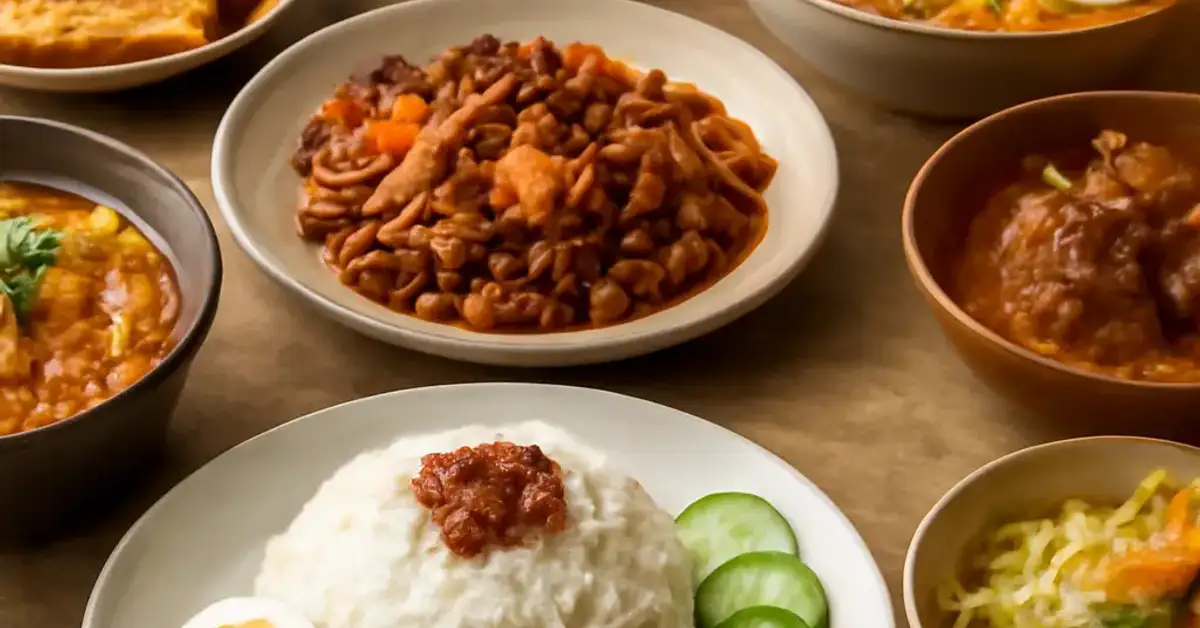
Malaysian cuisine stands apart because it does not belong to a single culture. Instead, it is a delicious dialogue between the Malay, Chinese, Indian, Nyonya (Peranakan), and indigenous communities that have lived side by side for generations. The result is a collection of famous Malaysian food that balances spicy, sour, sweet, and savory in every bite. For a related guide, see Traditional Malaysian Food Explained: 7 Essential Dishes to Try.
Common ingredients unite these dishes: coconut milk (santan), fresh turmeric, galangal, lemongrass, tamarind, and the ever-present sambal (a chili-based paste). Street food is central to daily life, with hawker centers and night markets serving freshly made plates at any hour.
The 7 Iconic Malaysian Cuisine Dishes You Cannot Miss
1. Nasi Lemak — The National Breakfast
Nasi lemak is arguably the most beloved of all iconic Malaysian cuisine dishes. It features fragrant rice cooked in coconut milk, served with crispy anchovies (ikan bilis), roasted peanuts, hard-boiled egg, cucumber slices, and a fiery sambal. Many versions add fried chicken, rendang, or curry.
Cultural significance: Nasi lemak transcends class and ethnicity. It is eaten by office workers, taxi drivers, and royalty alike. The dish represents Malaysian unity in diversity, as everyone customizes it to their taste.
Best place to try: Village Park Restaurant in Petaling Jaya is legendary for its nasi lemak with fried chicken. For a budget version, any local kopitiam (coffee shop) serves a satisfying plate in the morning.
2. Rendang — Slow-Cooked Spiced Meat
Rendang is a dry curry of beef (or chicken, or lamb) simmered for hours in coconut milk and a paste of lemongrass, galangal, garlic, turmeric, and chilies until the sauce evaporates and coats the meat. The texture is tender, the flavor deep and spicy.
Cultural significance: Rendang comes from the Minangkabau people of Sumatra and is a staple at Malay ceremonial feasts. It is also an essential dish during Hari Raya Aidilfitri. In 2011, CNN ranked rendang number one on its list of the World’s 50 Best Foods.
Best place to try: Murni Discovery in Bangsar, Kuala Lumpur, serves a restaurant-quality beef rendang. For a home-cooked experience, look for nasi padang stalls in Little India or Kampung Baru.
3. Satay — Skewered Grilled Meat with Peanut Sauce
Satay consists of marinated chicken, beef, or lamb skewered on bamboo sticks and grilled over charcoal until smoky and charred. It is served with a thick, sweet-spicy peanut sauce, ketupat (compressed rice cakes), and fresh cucumber and onion slices.
Cultural significance: Satay is thought to have originated from Indonesian street food but has become a Malay staple. It is a common sight at night markets and family gatherings, where grilling the skewers becomes a social event.
Best place to try: Satay Kajang Haji Samuri in Kajang, Selangor, is the most famous satay destination in Malaysia. Their peanut sauce is rich and nutty, with just the right heat.
4. Laksa — Spicy Noodle Soup
Laksa is a broad term for spicy noodle soups. The two most famous versions in Malaysia are Asam Laksa (from Penang) and Curry Laksa (from Kuala Lumpur and other regions). Asam Laksa features a sour fish broth with tamarind, lemongrass, and flaked mackerel, served with thick rice noodles and topped with mint, pineapple, and shrimp paste. Curry Laksa uses a rich coconut milk broth with curry spices, chicken, tofu puffs, and vermicelli.
Cultural significance: Laksa beautifully demonstrates Chinese-Malay culinary fusion. The broth techniques are Chinese, while the spices and herbs are Malay. Penang Asam Laksa was also recognized by CNN as one of the world’s top 50 foods. For a related guide, see 7 Essential Malaysian Traditional Foods You Must Try Once.
Best place to try: For Asam Laksa, visit Air Itam Market in Penang. For Curry Laksa, Jalan Alor in Kuala Lumpur offers several stalls with excellent versions.
5. Char Kway Teow — Stir-Fried Rice Noodles
This iconic dish features flat rice noodles stir-fried over high heat with dark soy sauce, prawns, cockles, Chinese sausage, bean sprouts, and egg. The best versions have a smoky “wok hei” (breath of the wok) flavor that comes from cooking in a well-seasoned iron wok.
Cultural significance: Char kway teow originated from the Chinese diaspora in Malaysia, particularly in Penang and Ipoh. It is a quintessential street food that showcases the Cantonese stir-fry technique adapted to local ingredients.
Best place to try: Siam Road Char Koay Teow in Penang is consistently rated among the best. The queue moves fast, and the charred, savory noodles are unforgettable.
6. Nasi Kandar — Indian-Muslim Rice Meal
Nasi kandar is a popular Indian-Muslim dish that starts with steamed rice topped with a selection of curries, fried chicken, fish cutlets, hard-boiled eggs, and vegetables. The signature touch is “banjir” (flooding) — pouring a mix of curry sauces over the rice to create a rich, layered flavor.
Cultural significance: Introduced by Tamil Muslim traders in Penang, nasi kandar is a testament to Malaysia’s Indian culinary heritage. It is a favorite lunchtime meal for office workers across the country.
Best place to try: Nasi Kandar Line Clear in George Town, Penang, is a historic stall that has been serving since 1930. Their fried chicken and squid curry are legendary.
7. Roti Canai — Flaky Flatbread with Curry
Roti canai is a flaky, buttery flatbread that is crispy on the outside and soft on the inside. It is typically served with a bowl of lentil curry (dal) or chicken curry for dipping. Some variations include egg, cheese, or banana fillings.
Cultural significance: Another contribution from the Indian-Muslim community, roti canai is a breakfast and tea-time staple. Watching the roti master flip and stretch the dough is a performance in itself.
Best place to try: Roti Canai at Raj’s Restaurant in Bangsar, Kuala Lumpur, is famous for its perfectly layered, crispy-yet-soft texture. For a sweet twist, try a banana roti at any mamak stall.
Tips for Enjoying Iconic Malaysian Cuisine Dishes
To make the most of your Malaysian food adventure:
- Eat early: Many popular dishes, especially nasi lemak and roti canai, are best at breakfast or brunch.
- Try hawker centers: They offer the most authentic experience and are safe for travelers. Look for busy stalls — high turnover means fresh food.
- Adjust spice levels: Malaysian food can be fiery. When ordering, say “kurang pedas” (less spicy) or “tidak pedas” (no spice).
- Use your hands: For nasi kandar and nasi lemak, eating with your right hand is traditional and enhances the experience.
- Carry cash: Many street stalls operate on cash only, though larger hawker centers accept e-wallets like Touch ‘n Go and GrabPay.
Useful Resources
For deeper exploration of Malaysian culinary traditions, check these reliable sources:
- Tourism Malaysia Official Website — Food guides, festival dates, and travel tips from the national tourism board.
- CNN Travel: World’s 50 Best Foods — The original ranking that put rendang and laksa on the global map.
Frequently Asked Questions About iconic Malaysian cuisine dishes
What is the most popular dish in Malaysia?
Nasi lemak is widely considered the national dish and the most popular iconic Malaysian cuisine dishes. It is eaten for breakfast, lunch, and dinner across all communities.
Is Malaysian food very spicy?
Yes, many Malaysian dishes use chilies and sambal, but spice levels vary. You can request milder versions, and dishes like char kway teow and roti canai are naturally less spicy.
What is the difference between Malaysian and Indonesian rendang?
Malaysian rendang, especially from Negeri Sembilan, is often sweeter and uses more coconut milk and kerisik (toasted coconut). Indonesian rendang from West Sumatra is drier and more intensely spiced.
What is the best time to eat roti canai?
Roti canai is traditionally a breakfast or tea-time dish, but mamak stalls serve it 24 hours a day. Early morning (7:00–9:00 AM) is when it is freshest.
Does Malaysia have good vegetarian food?
Yes, many Chinese and Indian vegetarian restaurants exist. Dishes like vegetarian laksa, nasi lemak without anchovies, and roti canai (without egg) are widely available.
What is belacan?
Belacan is a fermented shrimp paste used in many Malay and Nyonya dishes. It adds a pungent, umami depth to sambal, curries, and laksa.
Can I find halal versions of all Malaysian dishes ?
Yes, the majority of Malay, Indian-Muslim, and Chinese-Muslim food is halal. Look for the Halal certification logo at restaurants or ask the vendor.
What is sambal?
Sambal is a spicy chili-based condiment that can include belacan, garlic, shallots, and tamarind. It accompanies many famous Malaysian food dishes.
Where can I taste authentic laksa?
Penang is the best place for Asam Laksa, especially at Air Itam Market. For Curry Laksa, head to Kuala Lumpur’s Jalan Alor or Chinatown.
What is the difference between nasi lemak and nasi kandar?
Nasi lemak uses coconut milk rice and is served with anchovies, peanuts, egg, and sambal. Nasi kandar features plain rice topped with a mix of curries and side dishes.
Is Malaysian street food safe to eat?
Yes, Malaysian street food is generally safe. Choose stalls with high turnover, clean utensils, and where locals are queuing. Avoid pre-cut fruit left out for long periods.
What is “wok hei”?
Wok hei is the smoky, charred flavor that comes from stir-frying ingredients in a hot wok over a high flame. It is essential for dishes like char kway teow.
What should I drink with Malaysian food?
Popular drinks include teh tarik (pulled milk tea), limau ais (iced lime juice), and sugarcane juice. For spicy dishes, coconut water is a great palate cooler.
Are there gluten-free Malaysian dishes ?
Yes, many dishes are naturally gluten-free, such as nasi lemak (rice), rendang (meat and coconut), and satay (skewered meat with peanut sauce). Avoid soy sauce-based dishes if you are celiac.
What is the most expensive Malaysian dish?
High-end versions of rendang or crab-based dishes like chili crab at fancy restaurants can be expensive. However, most iconic Malaysian cuisine dishes remain affordable at street level.
Can I cook Malaysian dishes at home?
Absolutely. Many ingredients like coconut milk, lemongrass, and sambal are available in Asian grocery stores. Start with simple dishes like nasi lemak or roti canai.
What is Nyonya cuisine?
Nyonya cuisine is the fusion of Chinese and Malay cooking developed by the Peranakan (Straits Chinese) community. Classic dishes include laksa lemak and ayam pongteh.
Do Malaysians eat with chopsticks?
Yes, Chinese Malaysians use chopsticks, while Malay and Indian communities eat with their right hand or a spoon and fork. Chopsticks are common in Chinese noodle dishes.
What is the best dessert in Malaysia?
Popular desserts include cendol (shaved ice with coconut milk, gula Melaka, and green jelly), ais kacang (shaved ice with sweet toppings), and kuih (traditional steamed cakes).
Is Malaysian food similar to Thai food?
Both use bold herbs and spices, but Malaysian food often depends more on coconut milk and belacan, while Thai food leans on fish sauce, kaffir lime, and fresh herbs. However, Southern Thai and Northern Malaysian cuisines share many similarities.