

Malaysian cuisine dishes must try Key Takeaways
Malaysia’s food scene is a vibrant mash-up of Malay, Chinese, Indian, and indigenous influences.
- Focus on 10 iconic dishes that define the country’s culinary identity.
- Each entry includes a vivid description, personal eating experience, and a recommended spot to taste it.
- Learn how to order like a local and avoid common tourist mistakes.
What Makes Malaysian Cuisine Dishes Must Try So Unique?
Malaysian food doesn’t play it safe. It’s bold, spicy, and unapologetically layered. The country’s location along ancient spice routes and its multicultural population created a kitchen where coconut milk meets chilies, tamarind meets shrimp paste, and every meal feels like a celebration. If you’ve never tried real Malaysian food, you’re missing out on one of the world’s most exciting street food cultures.
1. Nasi Lemak – The National Breakfast
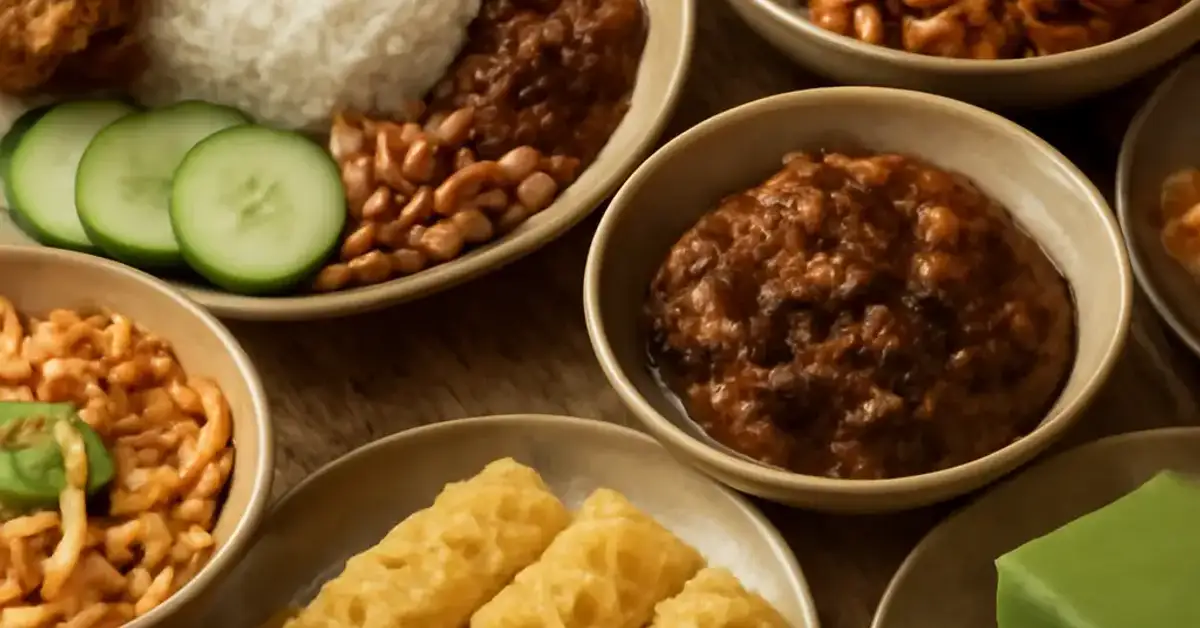
You can’t talk about Malaysian cuisine dishes must try without starting with nasi lemak. It’s a fragrant rice dish cooked in coconut milk and pandan leaves, served with spicy sambal, crispy anchovies, roasted peanuts, a hard-boiled egg, and a slice of cucumber. Every local has a favorite stall. I still remember my first bite in a bustling KL kopitiam—the creamy rice, the fiery sambal, the crunch of peanuts. It’s simple, but unforgettable. For a related guide, see Village Park Restaurant Review: 5 Must-Try Malaysian Dishes.
Where to Try It
Head to Village Park Restaurant in Uptown Damansara, Petaling Jaya. Their nasi lemak with fried chicken is legendary. Expect a queue, but it moves fast. For a related guide, see 7 Expert Tips for an Authentic Malaysian Dining Experience at Village Park Restaurant.
2. Char Kway Teow – Smoky Flat Noodles
Char kway teow is the ultimate street food: flat rice noodles stir-fried over high heat with dark soy sauce, shrimp, cockles, Chinese sausage, bean sprouts, and egg. The secret is the “wok hei” or breath of the wok—that smoky char you can’t replicate at home. I’ve had versions all over Penang, and the best ones are from stalls that look like they’ve been there for decades.
Where to Try It
Penang’s Siam Road Char Koay Teow is a must. The old uncle flips the wok with precision, and each plate is pure gold.
3. Rendang – Slow-Cooked Spiced Meat
Rendang is a rich, dry curry from the Minangkabau culture of West Sumatra, but it’s as Malaysian as it gets. Beef is simmered for hours in coconut milk, lemongrass, galangal, turmeric, and chilies until the liquid evaporates and the meat becomes tender and coated in a dark, aromatic paste. It’s often served at festive occasions like Hari Raya. The moment you taste that deep, complex heat, you understand why Malaysian cuisine dishes must try include rendang.
Where to Try It
Sate Kajang Hj. Samuri in Kajang serves a mean beef rendang alongside their famous satay. Also try Mak Jah nasi lemak rendang in Kuala Lumpur’s Chow Kit market.
4. Roti Canai – Flaky Flatbread with Curry
Roti canai is the Malaysian version of Indian paratha: a crispy, flaky flatbread dipped in dal or curry. It’s a breakfast staple, but it works any time of day. The best ones are stretched thin by hand, folded into a square, and fried on a hot griddle. I love watching the roti master flip and toss the dough like a show. Pair it with a warm cup of teh tarik (pulled tea), and you’ve got a perfect meal.
Where to Try It
Restoran Roti Canai STC in Ampang, KL, serves roti canai that’s beautifully crisp on the outside and chewy inside.
5. Satay – Grilled Meat on Skewers
Satay is skewered, grilled meat served with a peanut sauce, rice cake (ketupat), and fresh cucumber and onion. The trick is in the marinade—lemongrass, turmeric, cumin, and a hint of sweetness. Chicken and beef are common, but I’m partial to lamb. The smoky char from charcoal grilling makes all the difference. Dip it in that creamy, spicy peanut sauce, and you’re in heaven.
Where to Try It
Satay Kajang is famous throughout Malaysia. Try the original outlet, Satay Kajang Hj. Samuri, for a plateful of perfectly charred skewers.
6. Laksa – Spicy Noodle Soup
Laksa has countless regional variations, but the two most famous are Penang Assam Laksa (sour, fish-based broth with thick rice noodles) and Curry Laksa (rich coconut broth with chicken, tofu puffs, and vermicelli). Both are bold, aromatic, and utterly addictive. I prefer the Assam version—tamarind gives it a tang that cuts through the heat beautifully.
Where to Try It
In Penang, Pasar Air Itam Laksa is the go-to spot. In KL, Laksalicious offers a fantastic curry laksa with all the trimmings.
7. Hainanese Chicken Rice – Simple Perfection
Steamed or roasted chicken served with fragrant rice cooked in chicken stock and pandan, accompanied by ginger-scallion sauce, chili sauce, and dark soy. It looks plain, but the flavors are delicate and soulful. The rice is the star—each grain is plump and aromatic. I’ve had it at hawker stalls and high-end restaurants, and the best versions never overwhelm; they just comfort.
Where to Try It
In Kuala Lumpur, Nam Heong Chicken Rice in Pudu is a classic. In Ipoh, Lou Wong Bean Sprout Chicken is legendary.
8. Cendol – Icy Shaved Dessert
After all the spice, you need cendol. It’s shaved ice topped with green rice flour jelly (cendol), coconut milk, palm sugar syrup, and sometimes red beans or corn. It’s sweet, creamy, and refreshing. The palm sugar gives it a caramel-like depth. I love it on a hot afternoon in Penang—especially when the ice is freshly shaved and the syrup is drizzled generously.
Where to Try It
Penang Road Famous Cendol in George Town is a no-frills stall that draws long lines. Worth every minute.
9. Curry Mee – Yellow Noodles in Coconut Curry
Curry mee is a soupy noodle dish with yellow noodles and vermicelli in a spicy coconut curry broth, topped with tofu puffs, cockles, bean sprouts, and sometimes chicken. The broth is rich and slightly sweet, with a deep curry flavor. It’s a breakfast favorite in Penang. I always ask for extra sambal to kick it up a notch.
Where to Try It
In Penang, Kim Lock Café serves a mean curry mee. In KL, Restoran Yut Kee has a classic version.
10. Popiah – Fresh Spring Rolls
Popiah is a fresh spring roll (not fried) filled with a mix of cooked turnip, carrot, bean sprouts, lettuce, and sometimes prawns or sausage, wrapped in a thin crepe and drizzled with sweet sauce and chili. It’s a light snack that packs a lot of texture and flavor. I appreciate the variety—some stalls add peanut powder for crunch, others add a touch of lard for richness.
Where to Try It
In Penang, Kakikong Popiah in Chulia Street is a must. In KL, Popiah Station in Bangsar offers fresh, made-to-order rolls.
How to Build Your Own Malaysian Cuisine Food Trip
Planning a Malaysian food adventure is part of the fun. Visit Penang for hawker street food, Kuala Lumpur for a mix of high-end and casual eats, and Ipoh for its legendary chicken rice and white coffee. Try one new dish each meal, and don’t be afraid to ask locals for their favorite stalls. Most will happily point you to a hidden gem. Keep an open mind—sometimes the best food is at the most unassuming spot.
Useful Resources
For deeper exploration of Malaysia’s food culture, check out these trusted sources:
- Eater’s Guide to Eating Malaysian Food in Penang and Kuala Lumpur — expert picks for street food and restaurants.
- Tourism Malaysia – Food and Drink — official travel board recommendations for authentic meals across the country.
Frequently Asked Questions About Malaysian cuisine dishes must try
What are the top Malaysian cuisine dishes must try for a first-time visitor?
Start with nasi lemak, char kway teow, rendang, roti canai, satay, laksa, Hainanese chicken rice, cendol, curry mee, and popiah. These 10 cover the spectrum of flavors and textures.
Is Malaysian food very spicy?
Many dishes are spicy, but you can always ask for less chili or order milder versions like Hainanese chicken rice or popiah. Spice level varies by region and stall.
What is the most famous Malaysian cuisine dish?
Nasi lemak is widely considered the national dish, but laksa, rendang, and satay are also iconic and recognized globally.
Where can I eat authentic Malaysian food in Kuala Lumpur?
KL has countless options: Jalan Alor for street food, Kampung Baru for Malay cuisine, and Petaling Street (Chinatown) for Chinese-Malaysian favorites.
Is Malaysian food halal?
Most Malaysian food is halal, especially Malay and Indian-Muslim stalls. Chinese restaurants may serve pork. Always check or ask if you have dietary restrictions.
What is the difference between Malaysian and Indonesian rendang?
Malaysian rendang is often less dry and slightly sweeter than the Indonesian version. Both are delicious, but the Malaysian style tends to use more coconut milk and a longer cooking time.
Can I find vegetarian Malaysian cuisine dishes ?
Yes, roti canai (without meat), vegetable popiah, nasi lemak with sambal only, and curry mee with tofu puffs are good options. Look for “vegetarian” signs at hawker stalls.
What is the best time to eat laksa?
Laksa is usually eaten for breakfast or lunch. Many stalls in Penang serve it until early afternoon, so plan accordingly.
How do I order satay like a local?
Select your meat type (chicken, beef, lamb) and number of skewers. It’s common to order 10–20 skewers for a meal. The satay comes with peanut sauce, ketupat, and condiments.
Is street food in Malaysia safe to eat?
Yes, as long as you choose busy stalls with high turnover. Popular places maintain good hygiene and fresh ingredients. Use common sense—look for clean preparation areas and fresh produce.
What drinks pair well with Malaysian cuisine ?
Teh tarik (pulled milk tea) is the classic pairing. Iced lemon tea, sugarcane juice, and coconut water also work well, especially on hot days.
Are there any Malaysian cuisine dishes must try for dessert?
Cendol is the top dessert. Also try ais kacang (shaved ice with red beans, jelly, and syrup) or kuih lapis (steamed layered cake).
What is the best way to experience Malaysian food culture?
Eat at hawker centers and pasar malam (night markets). Those are the heart of Malaysian food—cheap, authentic, and full of variety.
Can I learn to cook Malaysian cuisine at home?
Yes, you can find paste kits and recipes online. Start with nasi lemak or satay—they’re beginner-friendly and require basic ingredients.
Is Penang or Kuala Lumpur better for food?
Both are excellent. Penang is the street food capital, especially for Chinese-Malaysian dishes. KL offers more variety and high-end dining options.
What is the spiciest Malaysian cuisine dish ?
Many consider sambal udang (spicy prawn sambal) and curry laksa among the spiciest. But you can always ask for less chili.
How do I eat roti canai properly?
Tear off a piece with your right hand, dip it into the curry or dal, and eat. It’s meant to be shared and eaten with hands, though cutlery is fine too.
What is nasi kandar?
Nasi kandar is a Penang specialty: steamed rice served with a variety of curries, vegetables, fried fish, and hard-boiled eggs. It’s a self-serve, mix-and-match style meal.
Is there a recommended order to eat Malaysian cuisine dishes must try ?
Not really. Start your day with nasi lemak or roti canai, then try laksa or satay for lunch, and char kway teow or curry mee for dinner. Save cendol for an afternoon refreshment.
What is the most underrated Malaysian cuisine dish?
Try nasi dagang (rice cooked in coconut milk with fish curry) from the east coast, or kerabu bee hoon (tangy rice vermicelli salad). They’re less known but incredible.