

Malaysian signature dishes Key Takeaways
Malaysia is a melting pot of Malay, Chinese, and Indian culinary traditions, creating some of the most vibrant and flavorful food in Southeast Asia.
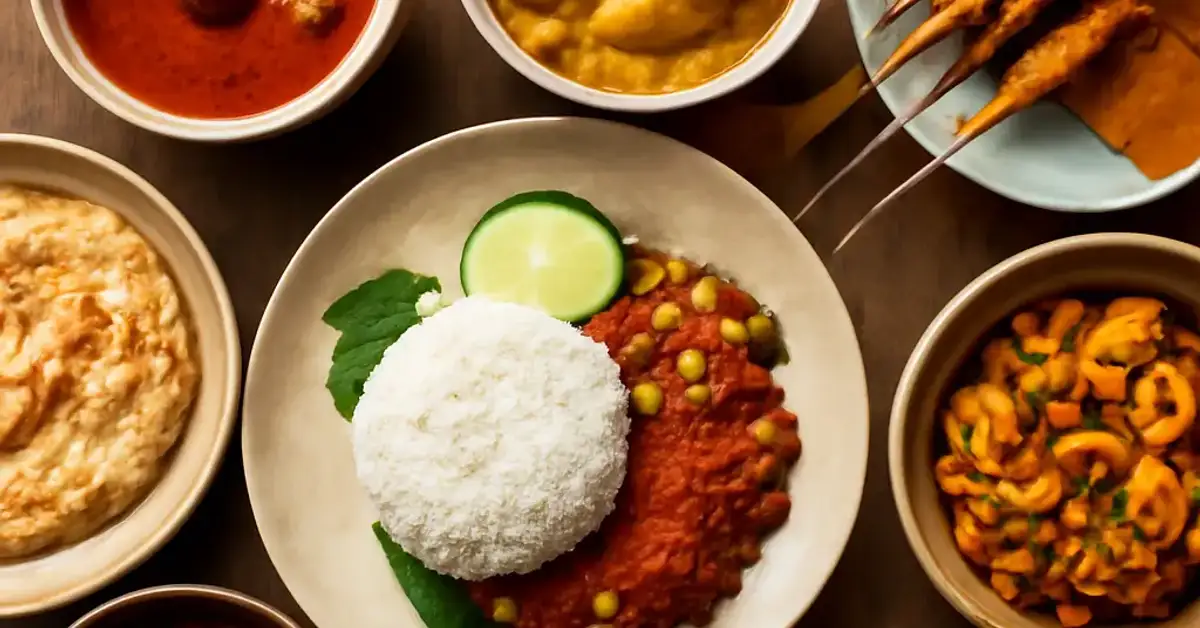
Table of Contents
What Makes Malaysian Signature Dishes So Iconic?
Malaysia’s food culture is built on layers of influence: indigenous Malay cooking, Chinese stir-fry and noodle techniques, Indian spice blends, and even nods to Portuguese and Thai cuisines. The result is a spectrum of dishes that balance sweet, sour, salty, spicy, and savory in every bite. When people talk about famous Malaysian food, they often name dishes that have traveled across borders—like satay or laksa—but the true magic lies in how each region puts its own spin on classics. Whether you’re eating at a hawker center in Penang or a kopitiam in Kuala Lumpur, the freshness of ingredients and the skill of the cook are what elevate these plates to signature status. For a related guide, see 7 Iconic Malaysian Cuisine Dishes You Must Try in 2025.
How We Picked the 7 Must-Try Malaysian Dishes
To compile this list, we looked at three factors: cultural significance, popularity among locals and tourists, and the dish’s ability to represent Malaysia’s diverse flavors. Every item here is a staple you’ll find in home kitchens, street stalls, and restaurants across the country. No ranking is absolute—every Malaysian has their own favorite—but these seven are universally celebrated as the cornerstones of must-try Malaysian dishes.
The 7 Best Malaysian Signature Dishes You Must Try Without Regret
1. Nasi Lemak — The National Dish
Nasi lemak is the undisputed king of Malaysian signature dishes. It consists of fragrant rice cooked in coconut milk, served with spicy sambal, crispy anchovies, roasted peanuts, a hard-boiled or fried egg, and cucumber slices. Many versions add fried chicken, beef rendang, or curry. You’ll find it everywhere—from humble roadside stalls to upscale hotel breakfast buffets. The beauty of nasi lemak is its simplicity and the depth of the sambal, which can range from sweet to explosively spicy. For a related guide, see 11 Best Authentic Malaysian Food Recommendations for First-Timers.
2. Rendang — Slow-Cooked Spiced Meat
Rendang is a dry curry made by simmering beef (or chicken, lamb, or buffalo) in coconut milk and a paste of lemongrass, galangal, turmeric, ginger, and chilies for hours until the liquid evaporates and the meat becomes tender and caramelized. Originally from the Minangkabau culture of Indonesia, rendang has been fully adopted into Malaysian cuisine. It’s a centerpiece at festive occasions like Hari Raya and is often called one of the world’s most delicious foods by international food sites.
3. Satay — Grilled Skewers with Peanut Sauce
Satay is marinated skewers of chicken, beef, or mutton grilled over charcoal, served with a rich peanut dipping sauce, ketupat (compressed rice cubes), and fresh cucumber and onion slices. The key is the marinade—turmeric, lemongrass, and cumin give the meat a golden color and smoky aroma. You’ll find satay sold by hawkers on almost every street corner in Malaysia, especially during evening pasar malams (night markets).
4. Laksa — Spicy Noodle Soup
Laksa comes in many regional forms, but the two most famous are Asam Laksa from Penang (a sour fish-based broth with tamarind and flaked mackerel) and Curry Laksa (a creamy coconut curry broth with noodles, tofu puffs, and shrimp). Both versions are bursting with herbs, chilies, and aromatics. Laksa is a perfect example of how famous Malaysian food balances heat and sourness in one bowl.
5. Char Kway Teow — Stir-Fried Flat Rice Noodles
Char kway teow is a smoky, wok-fried noodle dish made with flat rice noodles, dark soy sauce, bean sprouts, chives, eggs, and Chinese sausage, plus shrimp or cockles. The high heat of the wok gives it a charred aroma called “wok hei” that is essential to the flavor. Penang is famous for its version, often cooked with lard for extra richness. It’s a late-night staple and a true comfort food.
6. Roti Canai — Flaky Flatbread with Curry
Roti canai is a crispy, layered flatbread that is stretched thin, folded, and cooked on a hot griddle until golden. It’s served with a bowl of dhal (lentil curry) or a side of sambal and is a beloved breakfast or snack item. The best roti canai is flaky on the outside, soft and chewy inside. You can also find variations with egg, onion, or even sweet versions with condensed milk. It’s one of the most satisfying must-try Malaysian dishes for dipping into rich curries.
7. Cendol — Icy Shaved Dessert
Cendol is the ultimate tropical dessert. It features shaved ice, green jelly noodles made from rice flour and pandan, coconut milk, and a generous drizzle of palm sugar syrup (gula melaka). Sometimes you get added sweet corn, red beans, or glutinous rice. It’s refreshing, not too heavy, and perfectly counters the spiciness of Malaysian meals. You’ll find cendol at hawker stalls and dessert shops nationwide.
Comparison Table: Quick Glance at the 7 Dishes
| Dish | Main Ingredients | Best Time to Eat |
|---|---|---|
| Nasi Lemak | Coconut rice, sambal, anchovies, egg | Breakfast or any meal |
| Rendang | Beef/chicken, coconut milk, spice paste | Festive occasions |
| Satay | Skewered meat, peanut sauce | Evening snacks |
| Laksa | Noodles, fish or coconut broth | Lunch or dinner |
| Char Kway Teow | Flat rice noodles, soy sauce, shrimp | Anytime, especially supper |
| Roti Canai | Flatbread, lentil curry | Breakfast or tea time |
| Cendol | Shaved ice, palm sugar, coconut milk | Hot afternoons |
Who Each Dish Is For
Nasi lemak is for anyone wanting a complete, balanced meal in one plate. Rendang suits those who love deep, complex spice flavors and tender meat. Satay is ideal for social eating—it’s fun to share. Laksa will satisfy noodle soup lovers who enjoy both sour and spicy notes. Char kway teow is the ultimate treat for wok-fried noodle fans. Roti canai is perfect for travelers who want a cheap, satisfying bite. Cendol is the go-to refreshment on hot days.
Where to Find the Best Versions
For authentic Malaysian signature dishes, head to Penang for asam laksa and char kway teow, Kuala Lumpur for nasi lemak at local stalls, and Malacca for cendol made with premium gula melaka. Satay is excellent in Kajang (known as “Satay City”), while the best roti canai can be found at any busy mamak restaurant. Rendang shines in home kitchens and during festive seasons, but many nasi kandar restaurants serve excellent versions year-round.
Useful Resources
- Official Tourism Malaysia website — authoritative source for food festivals and travel tips.
- Saveur Magazine’s Malaysian food archives — in-depth articles on regional specialties and recipes.
Malaysia’s culinary landscape is a treasure chest of flavors, and these seven Malaysian signature dishes are just the beginning. Whether you plan a trip to Malaysia or explore them at a local restaurant, each plate offers a story of the country’s dynamic culture. Start with nasi lemak for breakfast, grab satay for tea, and end with cendol—you won’t regret a single bite.
Frequently Asked Questions About Malaysian signature dishes
What is the most popular Malaysian signature dish?
Nasi lemak is widely considered the national dish and the most popular Malaysian signature dish, eaten by people of all backgrounds.
Is rendang originally from Malaysia or Indonesia?
Rendang originates from the Minangkabau ethnic group in Sumatra, Indonesia, but it has been thoroughly adopted and adapted in Malaysia, especially in Negeri Sembilan.
What makes Malaysian laksa different from other Asian noodle soups?
Malaysian laksa is known for its intense sourness (asam laksa) or rich coconut curry broth (curry laksa), with a heavy use of fresh herbs like mint and torch ginger.
Can I find these dishes outside Malaysia?
Yes, many famous Malaysian food items like satay, rendang, and laksa are available in major cities worldwide, especially in areas with large Malaysian or Southeast Asian communities.
Is roti canai the same as Indian paratha?
Very similar, but roti canai is usually larger, thinner, and cooked on a flat griddle with more oil, making it extra flaky.
What is the best drink to pair with Malaysian food?
Iced iced lemon tea (teh o ais limau) or a cold barley drink are classic pairings that cut through the spice.
Are Malaysian dishes very spicy?
Many dishes use chilies, but spice levels are adjustable. Nasi lemak sambal can be mild or fiery; laksa and rendang are generally moderately spicy.
What is the difference between Penang laksa and curry laksa?
Penang laksa (asam laksa) uses a tamarind-based sour fish broth, while curry laksa has a coconut milk base and is creamier.
Is char kway teow healthy?
It is relatively high in calories and fat due to the use of oil and lard, but it’s fine as an occasional indulgence.
Can vegetarians eat Malaysian dishes?
Yes, roti canai with dhal, vegetable laksa, and many Indian-inspired dishes are vegetarian-friendly. Always check for shrimp paste or fish sauce.
What is the most famous dessert in Malaysia?
Cendol is the most iconic, but others include ais kacang (shaved ice with sweet toppings) and kuih (traditional rice flour snacks).
How do you eat nasi lemak properly?
Use your right hand to mix the sambal, anchovies, and egg into the rice (or use a spoon). Eat everything together for the best flavor.
Is satay eaten with a fork?
Traditionally, satay is eaten with the hands—grab the skewer, slide the meat off with your teeth, and dip in peanut sauce. Forks are fine too.
What is gula melaka?
Gula melaka is Malaysian palm sugar made from the sap of the coconut or arenga palm. It has a rich, caramel-like flavor used in desserts like cendol.
Where did roti canai get its name?
“Roti” means bread in Hindi/Urdu, and “canai” is thought to come from the Indian state of Chennai (formerly Madras), where similar breads are made.
Are there halal versions of all these dishes?
Yes, the majority of Malaysian cuisine is halal. Non-halal versions exist in Chinese eateries but are clearly labeled.
What is the best time to visit Penang for food?
Penang’s food scene is vibrant year-round, but the annual George Town Heritage Celebration (July) features many special food events.
Can I make Malaysian dishes at home?
Absolutely. Many must-try Malaysian dishes like nasi lemak and satay have accessible recipes online, though authentic ingredients like pandan leaves and belacan may require an Asian grocery store.
What is the difference between Malaysian and Thai laksa?
Thai laksa (like khao soi) often uses curry paste and coconut cream, while Malaysian laksa uses tamarind or fish-based broths. The herb profile also differs.
How do you find the best hawker stalls?
Look for stalls with long queues of locals—that’s the best sign of quality. Also, check food blogs and local recommendations for famous hawker centers like Gurney Drive in Penang.