

Peking Duck Beijing Key Takeaways
Top restaurants serving the best Peking duck in Beijing , such as Quanjude, Da Dong, and Siji Minfu, fill up weeks in advance.
What Makes Peking Duck Beijing a Culinary Masterpiece
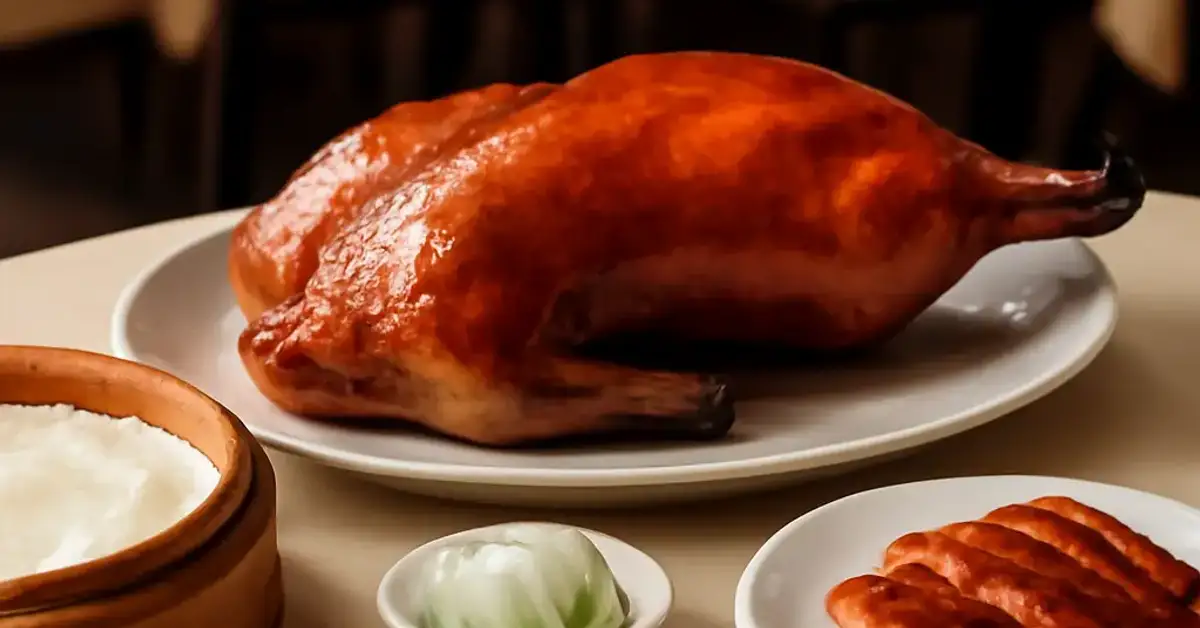
Peking duck is the pride of Beijing cuisine, dating back to the imperial Yuan Dynasty. The dish is celebrated for its thin, crackling skin and tender, flavorful meat. Modern chefs adhere to a multi-step process: inflating the skin to separate it from the fat, blanching, glazing with maltose syrup, air-drying for hours, and roasting in a closed oven over fruitwood. The result is a mahogany-colored bird with paper-thin crispy skin that practically shatters when sliced. Traditionally, the carving is performed tableside by a skilled chef, adding to the theatrical dining experience. Served with thin pancakes, spring onions, cucumber, and hoisin sauce, each component balances texture and taste. For a related guide, see 7 Best Peking Duck in Beijing: Expert Guide to Choices.
5 Costly Mistakes Tourists Make When Ordering Peking Duck Beijing
Even seasoned travelers can fall into traps that diminish the experience. Here are the most common pitfalls and how to avoid them.
Mistake 1: Not Booking a Reservation
Top restaurants serving the best Peking duck in Beijing, such as Quanjude, Da Dong, and Siji Minfu, fill up weeks in advance. Walk-ins often face long waits or sold-out ducks. Reserve at least two to three days ahead, especially for dinner or weekend lunches. Use local platforms like Meituan or ask your hotel concierge to secure a table. For a related guide, see 5 Yardbird Hong Kong Mistakes to Avoid for a Perfect Visit.
Mistake 2: Ordering the Duck as a Main Course Too Early
Many visitors treat Peking duck like a standard main course and order it first. Instead, the duck is meant to be the centerpiece of a multi-course meal. Start with cold appetizers or soups, then let the duck take center stage. This sequence gives you time to savor each course without rushing.
Mistake 3: Ignoring the Skin Course
Authentic Peking duck Beijing includes a first course of just the crispy skin, served with sugar or a light plum sauce. Some tourists skip this, not realizing it’s the highlight. Always ask the server to serve the skin separately before the meat-and-pancake rolls. The skin should be eaten immediately while it’s still hot.
Mistake 4: Overlooking the Second Course Options
After the skin and meat are enjoyed in pancakes, the remaining duck carcass can be turned into a second course—usually a soup, stir-fry with bean sprouts, or a noodle dish. Many tourists leave without ordering this, missing out on additional value. Inquire about the house special for the leftover bones.
Mistake 5: Not Pairing with the Right Sides
The duck alone can be overwhelming. A balanced meal includes palate cleansers like pickled radish, cucumber salad, or light vegetable dishes. Some restaurants also serve a clear duck bone soup between courses. Avoid heavy or spicy sides that mask the duck’s delicate flavor.
Where to Find the Best Peking Duck in Beijing
Beijing offers dozens of celebrated duck houses. Here are three legendary establishments with distinct styles.
| Restaurant | Style | Price Range | Key Feature |
|---|---|---|---|
| Quanjude (全聚德) | Classic old oven, rich history since 1864 | $$$ | Thin skin, smoky flavor from open-fire roasting |
| Da Dong (大董) | Modern, low-fat, ultra-crispy skin | $$$$ | Innovative presentation, minimal grease, fruitwood aroma |
| Siji Minfu (四季民福) | Traditional with affordable prices | $$ | Great value, consistent quality, lively atmosphere |
Quanjude: The Imperial Standard
As the most famous name in Peking duck, Quanjude’s Qianmen location is a tourist institution. The ducks are roasted in a closed oven at high heat, producing a deep red color and slightly smoky flavor. Expect a formal dining room with attentive service. Order a whole duck (USD 40–55) and request the skin course explicitly.
Da Dong: Modern Luxury
Chef Da Dong refined the roasting process to reduce fat content while keeping the skin exceptionally crispy. The duck is served with elaborate accompaniments, including mojito-infused sugar and garlic sauce. Prices are higher (USD 60–80 per duck), but the presentation and creativity make it a must for food enthusiasts.
Siji Minfu: Local Favorite
For budget-conscious diners who still want excellent quality, Siji Minfu delivers. Multiple locations across Beijing offer a bustling, casual vibe. The duck is roasted to order and priced around USD 25–35. Book ahead or queue early—lines are long but move quickly.
How to Eat Peking Duck Beijing Like a Local
Mastering the eating ritual enhances the meal. Follow this step-by-step guide.
Step 1: Watch the Carving
The chef will bring the whole duck on a cart and carve it tableside, separating the skin and meat. Take a photo if you like, but don’t delay the service. A skilled carver produces 80–100 thin slices.
Step 2: Eat the Skin First
Dip a piece of skin in granulated sugar or the accompanying plum sauce. This course is a crisp, sweet prelude. Some restaurants also offer a small plate of garlic paste to balance the richness.
Step 3: Assemble a Pancake Roll
Lay a thin pancake flat. Add two to three slices of meat, a few slivers of spring onion, and cucumber strips. Drizzle with hoisin sauce. Fold the bottom edge over the filling, then roll from one side. Eat in one or two bites—the pancake should be warm and pliable.
Step 4: Enjoy the Second Course
Once the first round is finished, ask for the second course. Popular options include chao ya cai (stir-fried duck with bean sprouts) or a light ya jia tang (duck bone soup). These dishes round out the meal and use every part of the bird.
Tips for a Memorable Peking Duck Dining Experience
- Go in a group: A whole duck serves 2–3 people. Solo diners may find it too much.
- Choose the right time: Lunch service is less crowded, but dinner offers a more festive atmosphere.
- Bring cash: Some local restaurants prefer cash or local payment apps like WeChat Pay.
- Ask about duck size: Not all ducks are equal—larger birds have more meat but slightly less crispy skin.
- Pair with tea: A pot of jasmine or oolong tea cleanses the palate between courses.
- Don’t waste the sauce: Hoisin sauce is concentrated; use it sparingly so it doesn’t overpower the duck.
- Check if pancakes are unlimited: Some places charge extra for additional pancakes—ask beforehand.
Useful Resources
To deepen your understanding of Peking duck Beijing and find additional restaurant reviews, visit these trusted sources:
- TravelChinaGuide – Best Peking Duck in Beijing – A comprehensive list of top duck restaurants with historical context.
- The Beijinger – Peking Duck Directory – Updated reviews and user ratings for duck houses across the city.
Frequently Asked Questions About Peking Duck Beijing
Frequently Asked Questions About Peking Duck Beijing
What is Peking Duck Beijing?
Peking Duck Beijing is a famed Chinese dish originating from Beijing, known for its crispy skin, tender meat, and traditional roasting method using a closed oven.
How is Peking Duck prepared?
The duck is air-dried, glazed with maltose, and roasted until the skin becomes crackling. It is then carved tableside and served with pancakes, condiments, and a second-course soup or stir-fry.
Is Peking Duck expensive in Beijing?
Prices range from USD 25 at local favorites like Siji Minfu to USD 80 at upscale restaurants like Da Dong. A whole duck generally serves two to three people.
What is the best restaurant for Peking Duck in Beijing?
It depends on your budget and preference: Quanjude for tradition, Da Dong for modern luxury, and Siji Minfu for affordable quality.
Do I need to book in advance?
Yes, especially for dinner. Book at least 2–3 days ahead using a local platform or through your hotel concierge.
Can I eat Peking Duck alone?
A whole duck is too much for one person. Many restaurants offer half-duck options or will help you portion it.
What is the skin course?
The skin course is the first serving of just the crispy skin, often eaten with sugar or plum sauce. It is a key part of the authentic experience.
Is Peking Duck healthy?
Peking Duck is high in fat due to the skin, but the meat is lean. Modern versions like Da Dong reduce fat content. Enjoy it in moderation as part of a balanced meal.
What do you dip Peking Duck in?
The most common sauces are hoisin sauce, sweet bean sauce, and sometimes sugar, garlic paste, or plum sauce for the skin.
Are pancakes included with Peking Duck ?
Yes, usually 10–15 thin pancakes are included. Extra pancakes may cost a small fee. Check with the restaurant before ordering.
What is the second course of Peking Duck ?
After the meat is eaten, the remaining duck bones and scraps are used to make a soup, stir-fry with vegetables, or noodle dish at an additional charge.
Can I take leftover Peking Duck home?
Yes, most restaurants pack leftovers for takeaway. The skin loses crispness quickly, so eat it as soon as possible.
What drinks pair well with Peking Duck ?
Jasmine tea, oolong tea, or a light beer complements the rich duck without overwhelming the palate.
Is Peking Duck gluten-free?
Traditional pancakes are made from wheat flour and contain gluten. The duck itself is gluten-free, but sauces often contain soy sauce. Check with the restaurant.
What is the difference between Peking Duck and crispy duck?
Peking Duck is air-dried and roasted whole, resulting in thin crispy skin. Crispy duck is often deep-fried or prepared with a thicker batter, giving a different texture.
How many calories are in a serving of Peking Duck ?
A serving of Peking Duck (about 6–8 slices with skin) contains roughly 300–400 calories, depending on portion size and fat content.
Are Peking Duck restaurants open for lunch?
Most Peking Duck restaurants serve lunch from 11:30 a.m. to 2:00 p.m. and dinner from 5:30 p.m. to 9:30 p.m. Reservations are recommended for both.
Can I find vegetarian options at Peking Duck restaurants?
Many Peking Duck restaurants offer vegetable dishes, dumplings, and tofu. Some even serve mock duck for vegetarians.
What is the best way to reheat leftover Peking Duck ?
Reheat slices in a dry skillet or oven at 180°C (350°F) for 3–5 minutes to restore some crispness. Avoid microwaving, as it makes the skin soggy.
Why is Peking Duck so famous?
Peking Duck is famous for its unique preparation, centuries-old history, and symbolic status as a dish that represents Chinese culinary excellence and imperial heritage.