
malacca food guide Key Takeaways
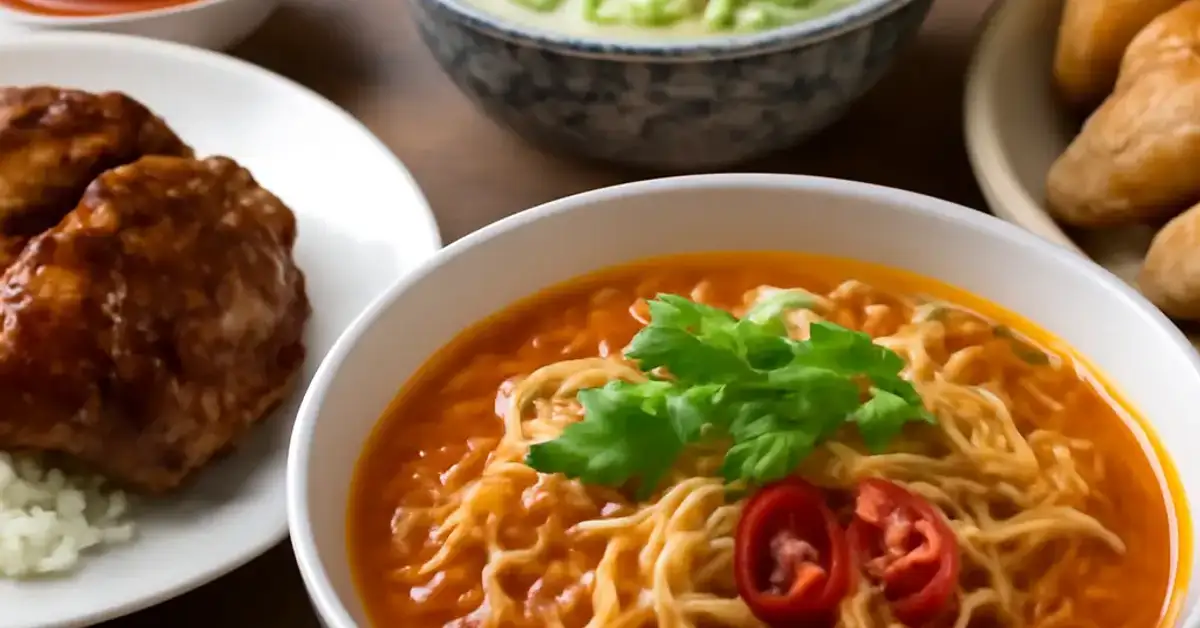
This coconut-rich noodle soup gets its colour and tang from turmeric, lemongrass, and tamarind.
- Discover the 12 must-try dishes in Malaysia’s historic food capital, including Peranakan classics and street snacks.
- Find top-rated restaurants, hawker stalls, and hidden gems across Malacca’s old town and Jonker Walk.
- Get practical tips on timing, ordering etiquette, and the best days for hawker visits.
What Makes This Malacca Food Guide Different
Malacca’s food scene blends Malay, Chinese, Indian, and Peranakan influences. Unlike generic lists, this Malacca food guide focuses on dishes you can actually find today, from morning stalls to late-night eateries. You’ll get specific stall names, cross-streets, and local eating habits that help you eat like a seasoned visitor. For a related guide, see Malaysian Food 101: 7 Must-Try Dishes for First-Timers.
The city’s UNESCO heritage zone packs dozens of legendary spots within walking distance. But without direction, you’ll miss the best versions of signature dishes. This guide steers you toward the most authentic renditions.
12 Essential Dishes in the Best Food in Malacca
Below are the dishes that define the best food in Malacca. Each entry includes a short description, key ingredients, and why it matters.
1. Nyonya Laksa
This coconut-rich noodle soup gets its colour and tang from turmeric, lemongrass, and tamarind. It’s served with thick rice vermicelli, bean sprouts, and a dollop of sambal. Look for versions that balance sourness with creamy coconut milk.
2. Chicken Rice Balls
Hainanese-style poached chicken comes with rice shaped into ping-pong-sized balls. The rice is fragrant with ginger and pandan. Eat it with dark soy sauce and chilli dip.
3. Satay Celup
A Malaccan take on satay: skewers of seafood, meat, and vegetables are dipped into a boiling pot of spicy peanut sauce. You cook them yourself at the table. The sauce is thicker and sweeter than regular satay.
4. Cendol
Shaved ice topped with green rice-flour jelly, red beans, coconut milk, and gula Melaka (palm sugar syrup). It’s the city’s most famous dessert. Get it from stalls using house-made gula Melaka.
5. Asam Pedas Fish
A sour-spicy fish stew made with tamarind, chilli, and okra. Usually served with white rice. The best versions use stingray or mackerel for a firm texture that holds up to the broth.
6. Popiah (Fresh Spring Rolls)
Soft wheat crepes filled with jicama, bean sprouts, egg, and chilli sauce. Malacca’s popiah stalls often add a sprinkle of fried shallots for extra crunch.
7. Oyster Omelette (Orh Luak)
Small oysters folded into a starchy egg batter and fried crispy. Served with a sweet-spicy dipping sauce. The best versions use fresh, plump oysters from the nearby coast.
8. Duck Noodles (Yong Tau Foo Style)
Braised duck served over egg noodles in a rich, dark soy broth. Some stalls let you add handmade fish balls and tofu puffs. The broth should be savoury without being greasy.
9. Grilled Stingray (Ikan Bakar)
Stingray wings marinated in turmeric and chilli, grilled over charcoal, and served with calamansi and sambal. The meat should be flaky and moist, not dry.
10. Muar Otak-Otak
Spiced fish custard wrapped in banana leaves and grilled. Though from nearby Muar, it’s a staple at Malacca’s evening hawker centres. The texture is smooth and lightly smoky.
11. Kuih-Muih (Traditional Cakes)
Colourful bite-sized sweets made from rice flour, coconut, and palm sugar. Examples include kuih lapis (layered cake) and ondeh-ondeh (glutinous rice balls with liquid gula Melaka inside).
12. Chendol (Alternate Spelling)
Same as cendol, but some stalls spell it with “ch”. The difference is minor; just make sure the gula Melaka is dark, thick, and aromatic.
Where to Find the Best Food in Malacca: Top Spots
Knowing a dish is only half the equation. Here are the go-to locations for each item in this Malacca food guide.
Jonker Walk Night Market (Weekends Only)
Every Friday, Saturday, and Sunday evening, Jonker Street fills with food stalls. Try the Nyonya laksa at stall #27 and the grilled stingray near the central crossroad. Arrive before 7 pm to avoid long queues. For a related guide, see Malaysian Street Food Guide: 7 Must-Try Dishes and Safety Tips.
Kedai Kopi Chung Wah (Chicken Rice Balls)
Located at 56 Jalan Hang Lekir. This iconic coffee shop serves chicken rice balls from 8 am until they sell out (usually by 2 pm). The rice balls are dense and fragrant.
Restoran Nyonya Makko (Peranakan Dishes)
At 123 Jalan Tun Tan Cheng Lock. Order Nyonya laksa, asam pedas fish, and cendol. The restaurant is air-conditioned and family-friendly.
Satay Celup Famous at Capitol Satay
41 Jalan Laksamana. Open for dinner only. You pick skewers from a fridge and dip them into a boiling peanut sauce pot. The sauce is refilled continuously.
Tang House Ice Kacang (Cendol)
A small stall at 47 Jalan Kampung Pantai. The cendol uses gula Melaka sourced from a single estate near Jasin. The ice is shaved thinly for a fluffy texture.
Teo Soon Chan Fish Ball (Duck Noodles and Yong Tau Foo)
191 Jalan Temenggong. A no-frills coffeeshop serving duck noodles and handmade fish balls since the 1960s. The broth is simmered for hours.
Ikan Bakar Malacca at Medan Ikan Bakar
Jalan Ujong Pasir (near the fisherman’s jetty). Choose your fish from the display and they’ll grill it over charcoal. The sambal is made fresh daily.
Practical Tips for Using This Malacca Food Guide
Make the most of your trip with these local insights.
Best Times to Eat
Breakfast starts at 7 am for chicken rice balls and kuih. Lunch runs 11:30 am–2 pm for Nyonya restaurants. Dinner hawker stalls fire up from 5 pm. The Jonker Walk night market starts around 6 pm but fills up by 7:30 pm.
Ordering Etiquette
At hawker stalls, sit down first, then tell the stall owner your order. Pay after eating. At coffee shops, order drinks from the drink stall and food from the respective food stalls. Do not switch seats between stalls — each stall has its own table zone.
How to Handle Spice Levels
Most sambal and chilli dips are spicy. Ask for “kurang pedas” (less spicy) if you prefer milder heat. In Nyonya laksa, you can reduce the sambal yourself.
Recommended Eating Sequence
Start with Nyonya laksa or chicken rice balls for lunch. In the afternoon, have a bowl of cendol. For dinner, go for satay celup or grilled stingray. Finish with kuih-muih for a sweet closing.
Useful Resources
For deeper reading, check out these references:
- My Life in Malaysia: 10 Must-Try Foods in Malacca – A detailed travel blog with photos and stall locations.
- TasteAtlas: Malacca – Database of local dishes and authentic restaurants with user reviews.
Frequently Asked Questions About malacca food guide
What is the most famous food in Malacca?
Chicken rice balls and Nyonya laksa are the two most iconic dishes. Both are widely available across the city.
Is street food safe to eat in Malacca?
Yes, street food is generally safe. Choose stalls with high turnover, clean surfaces, and cooked-to-order items. Avoid raw or room-temperature seafood.
Where is the best place to try cendol in Malacca?
Tang House Ice Kacang on Jalan Kampung Pantai is widely considered the best for its thick gula Melaka and fine shaved ice.
How spicy is Nyonya laksa in Malacca?
It is moderately spicy. Most stalls let you control the heat by adding sambal yourself. Ask for “kurang pedas” if you prefer milder.
What time does the Jonker Walk night market open?
The night market opens at around 6 pm on Friday, Saturday, and Sunday evenings. Food stalls start serving by 6:30 pm.
Are chicken rice balls served only at lunch?
Most stalls serve them from breakfast until they sell out, often by 2 pm. Go early for the freshest batches.
Can I find vegetarian food in Malacca?
Yes, there are several vegetarian hawker stalls and restaurants in the old town. Popiah and kuih are usually vegetarian-friendly.
What is asam pedas?
Asam pedas is a sour-spicy fish stew made with tamarind, chilli, and vegetables like okra. It is a classic Peranakan dish.
How do I get to the Medan Ikan Bakar area?
It is a 15-minute drive from Jonker Street. Grab or taxi is easiest. The road is called Jalan Ujong Pasir near the jetty.
What is the difference between cendol and chendol?
None — they are the same dessert. The spelling difference is regional. Both refer to shaved ice with green jelly and coconut milk.
Is satay celup the same as steamboat?
No. Satay celup uses a peanut sauce for dipping skewers, while steamboat uses a clear broth for boiling ingredients.
Can I find halal food in Malacca?
Yes, many Malay and Indian-Muslim stalls are halal-certified. Look for the halal logo or ask the vendor directly.
What is the best time to visit Malacca for food?
Weekdays are less crowded. Visit during a long weekend when the night market runs. Avoid public holidays for shorter queues.
How much does a meal cost in Malacca on average?
Street food meals cost RM5–RM12. Restaurant meals range RM15–RM30 per person. Cendol is about RM4–RM6.
Do Malacca restaurants accept credit cards?
Most hawker stalls and small coffee shops accept cash only. Larger restaurants and hotels accept cards. Always carry some cash.
What is otak-otak?
Otak-otak is a spiced fish custard steamed or grilled in banana leaves. It originated from Muar but is common in Malacca.
Is Malacca food spicy for tourists?
Some dishes are spicy, but many stalls reduce heat on request. Nyonya laksa and satay celup can be mild if you skip extra sambal.
What is the difference between popiah and spring rolls?
Popiah uses a fresh, soft crepe, while spring rolls use a fried wrapper. Malacca popiah is always fresh (not fried).
Can I visit Malacca just for food tasting?
Absolutely. Many travellers dedicate a weekend solely to eating. The city’s food scene is rich enough to fill two days.
What should I avoid eating in Malacca?
Raw shellfish from street stalls is best avoided unless you see high turnover. Also avoid pre-cooked items left at room temperature for long hours.