


Malaysian food Key Takeaways
Malaysian food is a vibrant mix of Malay, Chinese, and Indian influences, creating one of the world’s most exciting street food scenes.
- Malaysian food balances bold flavors like spicy sambal, creamy coconut milk, and tangy tamarind.
- Top dishes include nasi lemak, char kway teow, and rendang — each with a unique regional twist.
- Street food is the heart of the cuisine, but many dishes are easy to recreate with the right ingredients.
What Makes Malaysian Food So Unique?
Malaysian food stands out because it doesn’t just borrow from other cultures — it transforms them. Sitting at the crossroads of ancient trade routes, Malaysia absorbed culinary traditions from neighboring Thailand, Indonesia, and India, plus influences from Chinese immigrants and Portuguese colonizers. The result is a cuisine that layers sweet, spicy, sour, and savory in every bite.
Key ingredients like coconut milk (santan), fresh turmeric, lemongrass, and shrimp paste (belacan) form the backbone of many dishes. Rice is the staple, but noodles and breads like roti canai also play a big role. Whether you’re eating at a hawker stall in Penang or a night market in Kuala Lumpur, freshness and boldness are non-negotiable. For a related guide, see 7 Essential Tips for Choosing a Modern Malay Restaurant.
The 7 Essential Malaysian Dishes You Must Try
If you’re new to the cuisine, start with these seven classics. Each dish represents a different flavor profile and cooking technique.
1. Nasi Lemak — The National Dish
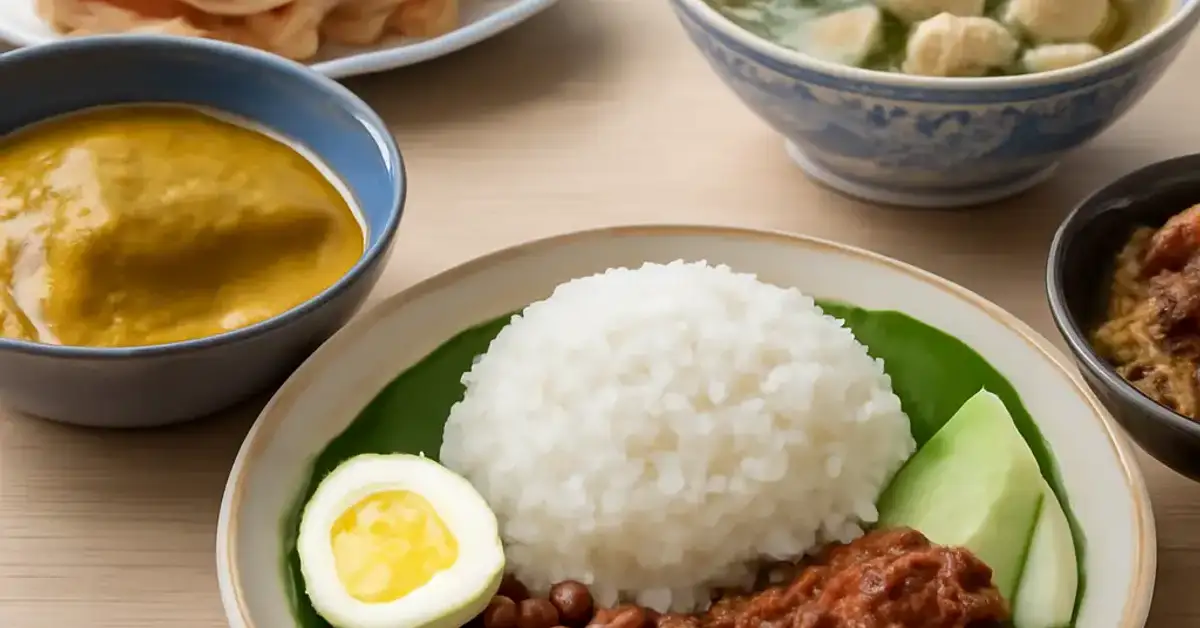
Nasi lemak is the unofficial national dish of Malaysia. It features fragrant rice cooked in coconut milk, served with spicy sambal, fried anchovies, peanuts, a hard-boiled egg, and cucumber slices. Many versions add fried chicken or beef rendang. It’s a breakfast staple but enjoyed any time of day.
2. Char Kway Teow — Stir-Fried Noodle Perfection
This Penang street food classic uses flat rice noodles stir-fried over high heat with dark soy sauce, shrimp, Chinese sausage, bean sprouts, and egg. The key is the smoky char (wok hei) that comes from a blazing hot wok. Look for a version with cockles for an authentic taste.
3. Rendang — Slow-Cooked Spiced Meat
Often called the world’s most delicious curry, rendang is a dry curry made by slow-cooking beef (or chicken) in coconut milk and a paste of chilies, lemongrass, ginger, and turmeric for hours until tender. It’s served at festive occasions and pairs perfectly with steamed rice.
4. Roti Canai — Flaky Indian-Inspired Flatbread
Roti canai is a crispy, layered flatbread served with dhal (lentil curry) or sugar. It’s a popular breakfast or snack, often paired with a cup of teh tarik (pulled milk tea). Watch the roti master flip the dough in the air — it’s a performance as much as a meal.
5. Satay — Grilled Meat Skewers
Satay consists of marinated chicken, beef, or lamb skewers grilled over charcoal and served with a rich peanut sauce, ketupat (rice cakes), and cucumber slices. The smoky char and creamy sauce make it an irresistible appetizer.
6. Laksa — Spicy Noodle Soup
Laksa comes in two main styles: the curry-rich laksa lemak (with coconut milk) and the tangy, tamarind-based asam laksa. Both are loaded with noodles, fish, and fresh herbs. It’s comfort food that wakes up your taste buds.
7. Cendol — Icy Coconut Dessert
Cendol is a shaved ice dessert with green jelly noodles (made from rice flour and pandan), sweetened condensed milk, coconut milk, and palm sugar syrup. It’s the perfect antidote to Malaysia’s tropical heat.
Regional Specialties Across Malaysia
Malaysian cuisine varies significantly by region. In Penang, the food leans Chinese-influenced with bold, tangy flavors like assam laksa. In Kuala Lumpur, you’ll find a melting pot of all styles, while in the northern state of Kelantan, dishes are milder and sweeter, often featuring grilled fish and coconut-based curries.
The east coast states like Terengganu are famous for nasi dagang (coconut rice with tuna curry) and fresh grilled seafood. Borneo’s Sarawak offers unique dishes like laksa Sarawak and manok pansoh (chicken cooked in bamboo). Exploring regional food is one of the best ways to experience Malaysia’s cultural depth.
Street Food Culture: Where to Eat Like a Local
The best place to enjoy Malaysian food is at a hawker center or night market (pasar malam). These open-air food courts serve dozens of dishes at very low prices. Hygiene standards are generally high, and the turnover ensures fresh ingredients. Don’t be shy — point to what looks good, and try a little of everything.
Popular hawker areas include Jalan Alor in Kuala Lumpur, Gurney Drive in Penang, and the Jonker Street night market in Malacca. Be prepared for queues at the most famous stalls; that’s usually a sign of quality.
Tips for Cooking Malaysian Food at Home
You don’t need to travel to Malaysia to enjoy its flavors. Start by stocking your pantry with essentials: coconut milk, shrimp paste (belacan), tamarind paste, palm sugar, fresh lemongrass, galangal, and kaffir lime leaves. Many recipes use a spice paste (rempah) that you can make in bulk.
Invest in a good mortar and pestle or a small food processor for grinding spices. For stir-fries like char kway teow, a wok and high heat are crucial. Start with nasi lemak — it’s forgiving and delicious — then move to rendang, which rewards patience. Online resources like Rasa Malaysia offer authentic recipes tested by home cooks.
Cultural Context: The Soul of Malaysian Cooking
Malaysian food is deeply tied to the country’s multiracial society. The three main ethnic groups — Malay, Chinese, and Indian — have influenced each other for centuries. For example, the Chinese introduced wok cooking and soy sauce, while Indians brought spices, roti, and curries. Malay cuisine contributes aromatic herbs, coconut, and sambal. For a related guide, see Malaysian Fusion Food: 7 Easy Recipes to Avoid Bland Meals.
Food is also communal. Meals are often shared on large plates, with everyone eating together using their hands (right hand only, as the left is considered unclean). This tradition, called makan dengan tangan, is believed to enhance the flavor and is still practiced in many homes and some restaurants.
Religious dietary laws also shape the cuisine. Most Malay food is halal (no pork, no alcohol), while Chinese stalls may serve pork. When eating out, look for halal certification if it matters to you.
Useful Resources
For more authentic recipes and cultural background, check out these reliable sources:
- Rasa Malaysia — A comprehensive blog with hundreds of tested recipes, from nasi lemak to kuih.
- The Ravenous Couple — A Penang-based food blog that explores street food and regional specialties in depth.
Frequently Asked Questions About Malaysian food
What is the most popular Malaysian food ?
Nasi lemak is widely considered the national dish and the most popular Malaysian food. It’s a fragrant coconut rice served with spicy sambal, fried anchovies, and egg, and it’s eaten for breakfast, lunch, and dinner.
Is Malaysian food very spicy?
Many Malaysian dishes use fresh chilies and sambal, so some can be quite spicy. However, you can often request less chili (kurang pedas) at hawker stalls. Dishes like roti canai and cendol are mild.
What is the difference between Malaysian and Thai food?
Both cuisines use similar herbs, but Malaysian food relies more on coconut milk and shrimp paste, while Thai cuisine often uses fish sauce and fresh lime. Malaysian food also has stronger Indian and Chinese influences.
What is a typical Malaysian breakfast?
A typical Malaysian breakfast includes nasi lemak, roti canai with dhal, or kaya toast with soft-boiled eggs and kopi (coffee). It’s savory and hearty.
What is the best Malaysian street food?
Char kway teow, satay, and laksa are among the best Malaysian dishes to try at street stalls. Each offers a unique balance of flavors and textures.
Is Malaysian food halal?
Most Malay Malaysian cuisine is halal, but Chinese and Indian stalls may not be. Look for halal certification or ask the vendor if it’s important to you.
What drink goes best with Malaysian food ?
Teh tarik (pulled milk tea) is the classic accompaniment. Iced sirap bandung (rose syrup milk) and sugarcane juice are also popular.
Can I find Malaysian food outside Malaysia?
Yes, in many cities with large Malaysian communities, especially in Singapore, Australia, the UK, and the US. Look for restaurants run by Malaysian chefs for authenticity.
What is belacan?
Belacan is a fermented shrimp paste used as a flavor base in many Malaysian dishes. It has a strong, pungent smell but adds deep umami to sambal and curries.
What is sambal?
Sambal is a spicy chili paste made from fresh chilies, belacan, and lime or vinegar. It’s served as a condiment or used as a cooking base in many Malaysian food recipes.
What is the difference between laksa and curry?
Laksa is a soup with noodles, while curry is a thicker stew served with rice. Both can be spicy, but laksa often has a tangy, tamarind-based broth (asam laksa) or a rich coconut broth (laksa lemak).
Do Malaysians eat with their hands?
Yes, many Malaysians eat rice-based dishes with their right hand, especially in Malay and Indian homes. It’s a traditional practice believed to enhance the eating experience.
What is nasi kandar?
Nasi kandar is a popular Penang dish of steamed rice served with a selection of curries and sides like fried chicken, okra, and hard-boiled eggs. The curries are poured over the rice.
Is Malaysian food healthy?
It can be, especially vegetable-based dishes like ulam (herb salad) and grilled fish. However, many dishes use coconut milk and oil, so moderation is key.
What is kuih?
Kuih are traditional bite-sized snacks or desserts made from rice flour, coconut, and palm sugar. Examples include kuih lapis (layered cake) and onde-onde (glutinous rice balls).
What is the most popular dessert in Malaysia?
Cendol is the most iconic Malaysian food dessert, followed by ais kacang (shaved ice with red beans and jelly) and pisang goreng (banana fritters).
Can I cook Malaysian food without a wok?
Yes, a deep skillet or non-stick pan works for most dishes. However, for stir-fried noodles like char kway teow, a wok gives better heat distribution and smoky flavor.
What is the best oil for Malaysian cooking?
Coconut oil and palm oil are traditional, but vegetable oil works fine for everyday Malaysian cuisine. Ghee is used in Indian-influenced dishes.
Why is pull tea called teh tarik?
Teh tarik translates to “pulled tea.” The drink is made by pouring hot tea back and forth between two cups to create a frothy texture and cool it slightly.
What is the best way to learn about Malaysian food ?
The best way is to travel to Malaysia and eat at hawker centers. If that’s not possible, follow blogs like Rasa Malaysia or cookbooks by authors like Norman Musa.