


Malaysian food recipe Key Takeaways
Mastering a Malaysian food recipe at home opens the door to bold, aromatic flavors that define Southeast Asian cuisine.
- Learn 7 essential Malaysian recipes from nasi lemak to beef rendang, each explained step by step.
- Discover pantry staples like belacan, coconut milk, and palm sugar that make traditional Malaysian dishes authentic.
- Get practical tips for balancing heat, sweetness, and umami — the hallmark of every great Malaysian meal.
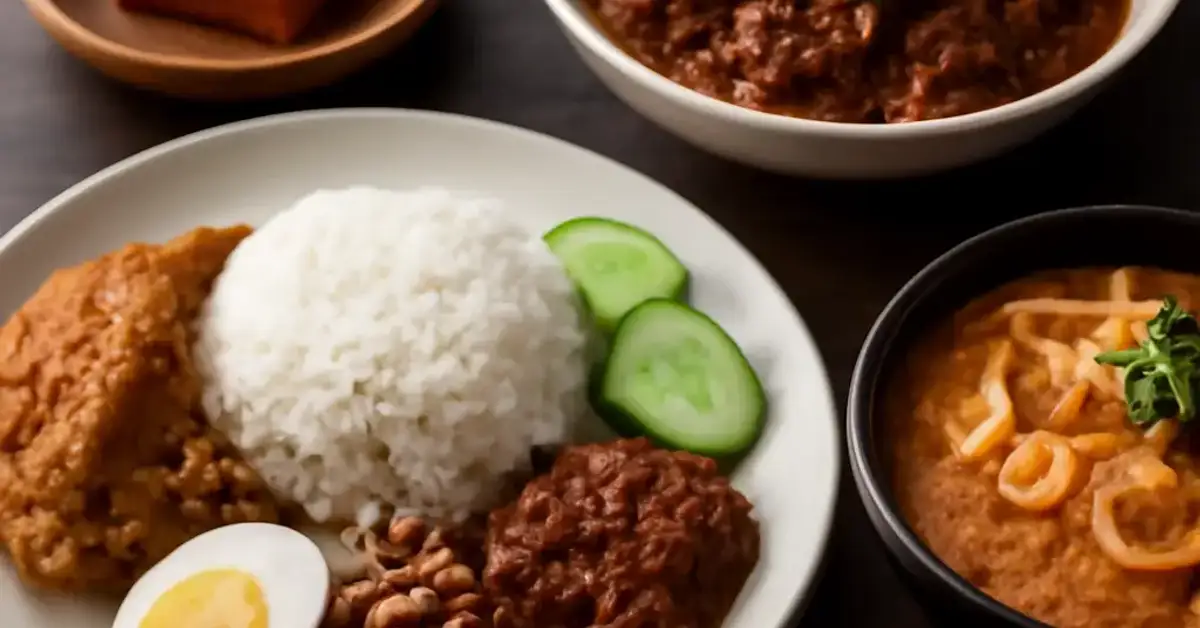
What Makes a Great Malaysian Food Recipe?
The heart of any Malaysian food recipe lies in its harmony of flavors. Unlike some cuisines that build a single dominant taste, Malaysian dishes unite spicy, sweet, sour, and salty elements in every bite. This balance often comes from rempah — a fragrant paste of fresh shallots, garlic, ginger, lemongrass, dried chilies, and belacan (shrimp paste). For a related guide, see 7 Best Malaysian Food TikTok Accounts to Follow in 2025.
Before you start cooking, gather a few specialty ingredients — coconut milk, tamarind pulp, kaffir lime leaves, and pandan leaves. Most are now available at Asian grocery stores or online. Once your pantry is stocked, you are ready to create a feast that rivals any hawker center.
Essential Pantry Ingredients for Authentic Easy Malaysian Recipes
- Coconut milk — thick (santan) and thin (cair) for different dishes.
- Belacan — toasted shrimp paste that adds depth.
- Dried chilies — soaked and ground for sambal.
- Palm sugar — dark, caramel-like sweetness.
- Lemongrass, galangal, and turmeric — the aromatic trio.
How to Make Nasi Lemak: The National Traditional Malaysian Dish
Nasi lemak is the iconic traditional Malaysian dish that appears on breakfast tables and dinner plates alike. The name means “fatty rice,” referring to the rich coconut milk that gives the grains a creamy texture.
Ingredients for Nasi Lemak
- 2 cups jasmine rice
- 1 can (400 ml) coconut milk
- 2 pandan leaves (knotted)
- 1 teaspoon salt
- Water as needed
Step-by-Step Instructions
- Rinse the rice until the water runs clear. Drain well.
- In a pot, combine rice, coconut milk, pandan leaves, salt, and just enough water to cover the rice by half an inch.
- Bring to a boil, then reduce heat to low, cover, and simmer for 15–20 minutes until the liquid is absorbed.
- Fluff gently with a fork. Remove pandan leaves before serving.
Serve with fried anchovies (ikan bilis), roasted peanuts, sliced cucumber, a hard-boiled egg, and a generous spoonful of sambal.
Tips for Perfect Nasi Lemak
Use fresh coconut milk, not the thin canned kind. If the rice seems dry after cooking, sprinkle a tablespoon of warm coconut milk over it and steam for 2 minutes. Avoid stirring too much during simmering — that makes the rice mushy.
Beef Rendang: The Slow-Cooked Traditional Malaysian Dish Worth the Wait
Beef rendang is arguably the most famous traditional Malaysian dish worldwide. It is a dry curry where beef is simmered for hours in coconut milk and spices until tender and deeply caramelized.
Ingredients for Beef Rendang
- 1 kg beef chuck (cut into 2-inch cubes)
- 2 cans (400 ml each) coconut milk
- 4 tablespoons kerisik (toasted coconut)
- 2 stalks lemongrass (bruised)
- 5 kaffir lime leaves
- 2 turmeric leaves (optional)
- Salt and palm sugar to taste
Step-by-Step Instructions
- In a large pot, simmer beef with half the coconut milk, lemongrass, and kaffir lime leaves over medium heat for 30 minutes.
- Add the rempah (blended paste of shallots, garlic, ginger, galangal, dried chilies, and turmeric) and stir well.
- Cook uncovered on low heat, stirring occasionally, for 2–3 hours until the sauce thickens and turns brown.
- Stir in kerisik and the remaining coconut milk. Cook for another 30 minutes until the oil separates.
- Season with salt and palm sugar. The rendang is ready when the meat is dark, dry, and fork-tender.
Common Mistakes When Making Rendang
Rushing the process leads to watery rendang. Keep the heat low and let the coconut milk reduce naturally. Do not add water — the meat releases enough moisture. If you want a shortcut, use a slow cooker on low for 6 hours, then finish on the stovetop to caramelize.
Easy Sambal Goreng: A Spicy Easy Malaysian Recipe for Vegetables
Sambal goreng is a fiery easy Malaysian recipe that transforms simple vegetables into a standout side dish. Tempeh, green beans, or cabbage all work beautifully.
Ingredients for Sambal Goreng
- 200 g tempeh (cut into cubes)
- 200 g green beans (trimmed)
- 3 tablespoons sambal oelek (or homemade sambal)
- 1 tablespoon tamarind paste (mixed with water)
- 1 teaspoon palm sugar
- 2 tablespoons cooking oil
Step-by-Step Instructions
- Heat oil in a wok over medium-high heat. Fry tempeh until golden brown. Remove and set aside.
- In the same wok, add sambal and stir-fry for 1 minute until fragrant.
- Add green beans and stir-fry for 3 minutes.
- Return tempeh to the wok. Add tamarind liquid and palm sugar.
- Cook for another 2 minutes until the sauce coats the ingredients. Serve hot.
Quick Char Kway Teow: A Hawker Malaysian Food Recipe at Home
Char kway teow — flat rice noodles stir-fried with soy sauce, prawns, and Chinese sausage — is one of Malaysia’s most popular street foods. This easy Malaysian recipe recreates the wok hei (breath of the wok) on a home stove.
Ingredients for Char Kway Teow
- 400 g fresh flat rice noodles (kway teow)
- 200 g large prawns (peeled)
- 2 Chinese sausages (sliced diagonally)
- 2 eggs
- 3 tablespoons dark soy sauce
- 2 tablespoons light soy sauce
- 2 tablespoons lard or vegetable oil
- Bean sprouts and garlic chives (handful each)
Step-by-Step Instructions
- Separate the noodles by microwaving them for 30 seconds to loosen the strands.
- Heat a wok over very high heat until smoking. Add lard or oil.
- Stir-fry garlic and Chinese sausage for 30 seconds.
- Add prawns and cook until pink (about 1 minute). Push to the side.
- Crack eggs into the wok, scramble, then toss with the sausage-prawn mix.
- Add noodles, dark soy sauce, and light soy sauce. Toss vigorously for 2 minutes.
- Add bean sprouts and chives. Toss for another 30 seconds. Serve immediately.
Tips for Authentic Char Kway Teow
Use a well-seasoned wok and the highest heat your stove can produce. If you cannot get lard, use vegetable oil plus a splash of sesame oil for fragrance. Do not overcrowd the wok — cook in batches if needed.
Sweet Endings: Pandan Tikoy and Cendol
No Malaysian food recipe guide is complete without desserts. Pandan tikoy (sticky rice cake) and cendol (shaved ice dessert) are beloved sweet treats.
How to Make Cendol
- 200 ml coconut milk
- 100 g palm sugar (sliced)
- 200 g green jelly (store-bought cendol noodles)
- Shaved ice
- Red beans (cooked, optional)
Simply boil palm sugar with a little water until dissolved. Strain to make gula Melaka syrup. In a bowl, layer shaved ice, cendol noodles, red beans, and a splash of coconut milk and syrup. Serve immediately.
Cooking Tips for Better Traditional Malaysian Dishes
These tips will elevate any traditional Malaysian dish you try at home.
- Toast your spices. Dry-fry belacan, coriander seeds, or cumin before grinding. It intensifies the aroma.
- Use fresh coconut milk. Canned is fine, but fresh (or boxed) coconut milk gives a cleaner, sweeter flavor.
- Balance the heat. Adjust dried chilies to your spice tolerance. For milder dishes, remove seeds before soaking.
- Let rendang rest. Beef rendang tastes even better the next day. Refrigerate overnight, then reheat gently.
- Don’t skip the kerisik. Toasted grated coconut adds a nutty richness unique to Malay cooking.
Useful Resources
For deeper dives into Malaysian food recipe techniques and ingredient sourcing, these resources are excellent.
- Serious Eats: Authentic Beef Rendang — Detailed guide with science-backed tips for perfect rendang.
- Saveur: Malaysian Street Food Guide — Learn the history and variations behind nasi lemak, char kway teow, and more.
Frequently Asked Questions About Malaysian food recipe
What is the easiest Malaysian food recipe for beginners?
Nasi lemak is the easiest Malaysian food recipe to start with. It requires only basic ingredients — rice, coconut milk, pandan leaves — and simple cooking steps. The sambal can be store-bought to save time. For a related guide, see 7 Best Malaysian Food You Must Try in 2024: Expert Guide.
Can I make Malaysian recipes without belacan?
Yes, but the flavor will be less authentic. If you cannot find belacan, substitute a small amount of fish sauce or skip it entirely for a milder style.
What is the difference between Malaysian and Thai curries?
Malaysian curries like rendang are richer and drier, with heavier use of coconut milk and spices like star anise and cardamom. Thai curries tend to be soupier and more aromatic with fresh herbs.
How long does beef rendang take to cook?
Authentic beef rendang takes 3–4 hours on the stovetop. A slow cooker can reduce hands-on time, but you still need to reduce the sauce at the end.
Is nasi lemak gluten-free?
Nasi lemak itself is naturally gluten-free (rice, coconut milk, pandan). However, check your sambal ingredients for soy sauce, which may contain wheat. Use tamari for a gluten-free version.
Can I freeze Malaysian curries?
Yes, beef rendang and chicken curry freeze well for up to 3 months. Cool completely, store in airtight containers, and reheat gently on the stovetop.
What is kerisik and can I buy it?
Kerisik is toasted, ground coconut used in rendang. You can buy it in Asian stores or make it by dry-frying grated coconut in a pan until golden brown, then grinding it to a paste.
Which Malaysian dish is similar to pad thai?
Char kway teow is considered the Malaysian equivalent of pad thai. Both use flat rice noodles, but char kway teow relies on dark soy sauce for color and flavor, not tamarind.
How do I make sambal from scratch?
Blend soaked dried chilies, shallots, garlic, and belacan. Fry the paste in oil until the oil separates, then season with salt, sugar, and tamarind juice. Store in the fridge for up to two weeks.
Can I make Malaysian food vegetarian?
Absolutely. Replace shrimp paste with miso or soy sauce, swap meat for tofu or tempeh, and use vegetable oil. Sambal goreng and stir-fried noodles adapt well to a vegetarian diet.
What is the best rice for nasi lemak?
Jasmine rice is the standard for nasi lemak. Its fragrant, slightly sticky texture pairs perfectly with coconut milk. Avoid long-grain rice as it becomes too dry.
Why does my rendang turn out bitter?
Bitterness usually comes from burnt belacan or over-toasted coconut. Toast these ingredients over low heat and watch carefully — they can go from golden to burnt in seconds.
Can I use coconut cream instead of coconut milk?
Yes, but dilute it with water to achieve the right consistency. Pure cream makes dishes too rich and may separate if cooked for long periods.
What is the difference between nasi lemak and nasi dagang?
Nasi lemak uses coconut milk in the rice, while nasi dagang uses coconut milk and a different type of rice (usually glutinous rice mixed with regular rice). The accompanying curries also differ.
How do I store leftover sambal?
Let sambal cool, then transfer to a clean glass jar. Refrigerate for up to 2 weeks. You can also freeze sambal in ice cube trays for easy portioning.
Is Malaysian food very spicy?
Spice levels vary by dish. Nasi lemak sambal can be mild or hot, while sambal belacan is fiery. Many recipes let you adjust the amount of chilies to your taste.
What is the best substitute for pandan leaves?
There is no perfect substitute, but a few drops of pandan extract or a vanilla bean can mimic some of the aroma. For savory dishes, skip the pandan.
Can I make char kway teow without a wok?
A large cast-iron skillet works as a substitute. Heat it until very hot, cook in small batches, and do not stir too often — you want the noodles to brown slightly.
What is the most popular dessert in Malaysia?
Cendol (shaved ice with green jelly, coconut milk, and palm sugar syrup) is the most iconic Malaysian dessert. Other favorites include pandan kaya toast and durian pudding.
Where can I buy authentic Malaysian ingredients online?
Specialty Asian grocery stores like Yamibuy, Sayweee, and Thai Kitchen offer a wide range of Malaysian pantry staples. Amazon also carries brands like Aroy-D and Ayam.