

Malaysian cuisine dining etiquette Key Takeaways
Malaysia’s food culture is a vibrant blend of Malay, Chinese, and Indian traditions, where shared meals and respectful gestures matter as much as the flavors.
- Malaysian cuisine dining etiquette emphasizes respect for elders, use of the right hand, and never pointing your feet at food.
- Pre-meal customs like washing hands and saying "Selamat Makan" set a gracious tone before any meal.
- Knowing when to use chopsticks, a spoon, or your fingers is key to navigating Malaysia’s multi-ethnic dining table.
Why Malaysian Cuisine Dining Etiquette Matters
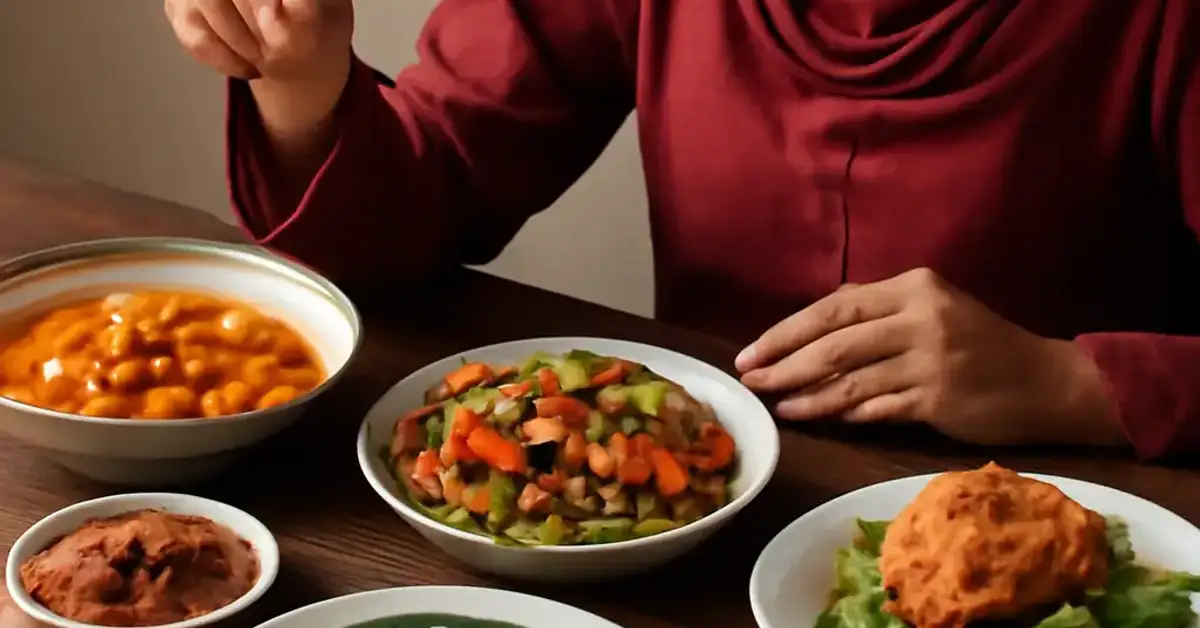
Malaysia’s multicultural society means dining traditions vary across Malay, Chinese, and Indian communities, yet certain principles unite them. Respect, modesty, and communal harmony are at the heart of every meal. When you observe local customs—such as waiting for the eldest to start eating or using your right hand for food—you show appreciation for the culture. This not only enhances your dining experience but also builds goodwill with hosts and friends. For a related guide, see Malaysian Cuisine Guide: 7 Must-Try Local Favorites and Expert Tips.
Understanding Malaysian food customs also helps you avoid unintentional faux pas. For example, pointing your chopsticks upright in a bowl of rice is considered unlucky in Chinese tradition, while passing food with your left hand is disrespectful in Malay and Indian settings. By learning a few basic rules, you can comfortably enjoy everything from nasi lemak at a hawker stall to a formal kenduri (feast). For a related guide, see 7 Essential Vegetarian Options in Malaysian Cuisine You Must Try.
Pre-Meal Customs: How to Eat in Malaysia with Respect
Washing Hands Before the Meal
Many Malaysian meals, especially Malay and Indian, are eaten with the hands. Before sitting down, you will typically be offered a bowl of water with a slice of lime to wash your hands. Use it to rinse your right hand (and left hand if needed) thoroughly. This ritual is both practical for eating with fingers and symbolic of cleansing before sharing food.
Saying “Selamat Makan”
The phrase “Selamat Makan” (safe eating) is the Malaysian equivalent of “bon appétit.” It is polite to say this before starting a meal, especially when dining with Malay hosts. Similarly, Chinese hosts may say “请慢用” (qǐng màn yòng) meaning “please eat slowly.” Acknowledging the meal with a simple greeting shows gratitude and sets a warm atmosphere.
Waiting for the Host or Eldest to Begin
In dining traditions Malaysia, the eldest person or host is often the first to start eating. As a guest, wait until they invite you to begin. Reaching for food before the host is seen as impatient. When the host picks up their spoon or starts eating with their hand, you may follow suit.
Proper Dining Gestures: Using Your Right Hand and Table Tools
The Rule of the Right Hand
One of the most important Malaysian dining rules is to use only your right hand for eating, passing dishes, and touching communal food. The left hand is considered unclean because it is associated with personal hygiene tasks. If you are left-handed, try to use your right hand for eating at a formal meal—or at least avoid passing food with your left hand. When eating with hands, use the fingertips to scoop rice and curry, and gently push the food into your mouth with your thumb.
Chopsticks, Fork, and Spoon Etiquette
Chinese and some noodle-based meals often involve chopsticks and a soup spoon. Never stick chopsticks vertically into a bowl of rice—this resembles incense sticks used at funerals. Instead, rest them on a chopstick holder or across your bowl. For Indian dishes, a spoon and fork are typical, but many prefer to eat with their right hand only. In Malay settings, you may be given a spoon and fork; use the spoon in your right hand and the fork in your left to push food onto the spoon.
How to Eat Nasi Lemak and Other Signature Dishes
When eating nasi lemak from a banana leaf at a hawker, you can either use the spoon provided or eat with your hands. If using your hands, fold the banana leaf into a small cone-shaped scoop and use it to lift rice with your right hand. For roti canai, break off pieces with your right hand and dip them into curry. In a sit-down restaurant, always use the utensils provided unless the host suggests eating by hand.
Common Etiquette Rules at Shared Meals
Sharing Dishes Communal-Style
Malaysian meals are often served family-style with dishes placed in the center. Use the serving spoons provided—never your personal utensils—to take food from shared plates. If no serving spoon is available, use the back of your own spoon or a clean portion of your hand (right hand only) to scoop a portion onto your plate. Avoid digging into the center of a dish; take from the edge near you instead.
Refusing Food Politely
If you are offered a dish you cannot eat due to dietary restrictions or preference, it is acceptable to politely decline. A soft “Terima kasih, sudah kenyang” (Thank you, I am full) works well. Never refuse food too forcefully, as hosts may insist. Accept a small portion if possible—this shows respect for the host’s generosity.
Table Manners for Elders and Guests of Honor
When dining with elders, allow them to serve themselves first, especially from the main dishes. If you are seated next to an elderly person, offer to serve them before you serve yourself. It is also polite to stand slightly when greeting an elder as they approach the table. In Chinese tradition, clinking your glass lower than theirs when toasting shows deference.
Dos and Don’ts Summary for Malaysian Cuisine Dining Etiquette
| Do | Don’t | Why It Matters |
|---|---|---|
| Wash hands before eating | Don’t eat with unwashed hands | Hygiene and cultural respect |
| Use only right hand for food | Don’t pass food with left hand | Left hand is considered unclean |
| Wait for the eldest to start | Don’t begin eating before the host | Shows respect for hierarchy |
| Say “Selamat Makan” | Don’t start without a greeting | Sets a positive communal tone |
| Use serving spoons for shared dishes | Don’t use your personal utensils for communal food | Prevents contamination |
| Rest chopsticks on a holder | Don’t stick chopsticks upright in rice | Associated with funeral rites |
| Accept small portions of offered food | Don’t refuse food aggressively | Host will feel honored if you try |
| Compliment the meal | Don’t criticize dishes at the table | Encourages harmony and gratitude |
| Scoop food from the edge | Don’t dig into the center of shared dishes | Respects fellow diners |
| Stay seated until everyone finishes | Don’t leave the table abruptly after eating | Shows communal courtesy |
Useful Resources
Learn more about Malaysian food culture and dining traditions from trusted sources:
- Tourism Malaysia – Malaysian Cuisine – Discover the diversity of Malaysian food and its cultural roots.
- BBC Travel – The Secrets of Malaysian Street Food – An in-depth look at hawker culture and dining customs.
Frequently Asked Questions About Malaysian cuisine dining etiquette
Is it rude to eat with your left hand in Malaysia?
Yes, especially in Malay and Indian contexts. The left hand is considered unclean and should not be used for eating or passing food. If you are left-handed, try to use your right hand for dining, or at least avoid touching communal dishes with your left hand.
Can I use a fork and spoon instead of my hands?
Absolutely. Most Malaysian restaurants provide a spoon and fork, and it is perfectly acceptable to use them. In fact, many urban Malaysians eat with utensils even for traditional dishes. When eating by hand is preferred, the host will usually indicate or provide a hand-washing bowl.
What should I say before a meal in Malaysia?
The most common phrase is “Selamat Makan” (safe eating). For Chinese hosts, you might say “请慢用” (qǐng màn yòng). Saying a simple blessing or greeting is always appreciated.
Do I need to tip in Malaysian restaurants?
Tipping is not mandatory in Malaysia. Many restaurants include a service charge of 6% in the bill. However, it is common to leave small change or round up the bill at casual eateries. Fine-dining restaurants may accept tips but they are not expected.
Why is it rude to point chopsticks at someone?
In Chinese culture, pointing chopsticks at someone is seen as an accusing gesture and is considered aggressive. Always lay chopsticks down on a holder or rest them across your bowl when not in use.
Is it okay to ask for a fork if I cannot use chopsticks?
Yes, most Malaysian restaurants are accustomed to international guests. Simply ask politely, and they will bring you a fork and spoon. It is better to enjoy your meal comfortably than to struggle with chopsticks.
How do I eat nasi lemak properly?
Nasi lemak is usually eaten with a spoon and fork, but many prefer to eat it with their right hand. If using your hand, mix the sambal, egg, and anchovies into the rice gently, then scoop small portions with your fingertips. The banana leaf adds a subtle aroma; you can fold a corner to help scoop.
Should I finish all the food on my plate?
It is polite to finish your meal, especially when dining in someone’s home. Leaving a small amount of food may be seen as a sign that you are satisfied, but wasting large quantities is disrespectful. Take only what you can eat.
What if I am served food I cannot eat for religious reasons?
Politely decline by saying “Terima kasih, saya tidak boleh makan itu” (Thank you, I cannot eat that). Most hosts will understand. Offer to eat something else, or explain your dietary restrictions beforehand if possible.
Is it rude to slurp noodles in Malaysia?
Slurping noodles is acceptable in Malaysian Chinese dining, as it shows you are enjoying the food. In Malay and Indian settings, loud eating noises are generally not encouraged. Use your judgment based on the environment and the people you are dining with.
Can I ask for extra sambal or condiments?
Yes, it is perfectly fine to ask for more sambal, chili, or pickled vegetables. Malaysians love their spicy food, and sharing condiments is common. Use the serving spoon provided, or ask the server to bring extra.
What is the proper way to sit at a Malaysian dining table?
Sit with both feet flat on the floor and avoid pointing your feet at the food or at other people. In traditional settings, men and women may sit separately on floor mats. When sitting cross-legged on a mat, do not stretch your legs toward the food.
Do Malaysians eat with a spoon and fork or a knife?
Most Malaysians use a spoon in the right hand and a fork in the left hand to push food onto the spoon. Knives are rarely used because dishes are usually cut into bite-sized pieces before serving. Chopsticks are common for Chinese meals.
What should I do if I am invited to a Malay home for dinner?
Arrive on time, bring a small gift (such as dessert or fruit), and remove your shoes before entering. Wait to be seated and follow the host’s lead. Compliment the food, and avoid discussing sensitive topics like politics or religion.
Is it necessary to use a spoon for soup?
Yes, use the soup spoon provided. Do not lift the bowl to your mouth unless it is a small ceramic bowl specifically meant for that purpose. In Chinese dining, it is acceptable to pick up the bowl and drink soup directly, but only if the host does it first.
Can I eat with my left hand if I am left-handed?
While it is not ideal in traditional settings, many Malaysians understand that left-handed foreigners may need to use their left hand. To be safe, use utensils instead of eating with your hands if you are left-handed. If you must use your left hand, avoid touching communal dishes.
What does it mean when a host says and quot;jangan malu-malu and quot;?
“Jangan malu-malu” means “don’t be shy.” It is a common invitation to help yourself to more food or to feel at home. You can respond by smiling and taking a little more food or expressing your thanks.
Is it rude to leave the table immediately after eating?
Yes, it is better to stay seated until everyone has finished. If you need to leave early, apologize politely and ask for permission. This shows respect for the communal nature of the meal.
How do I toast properly in a Malaysian setting?
When toasting with alcohol, clink your glass slightly lower than the glass of a senior or elder as a sign of respect. Do not cross arms with others while toasting. Say “Yam Seng” (Chinese) or “Selamat” (Malay) before drinking.
What is the best way to learn Malaysian dining etiquette before traveling?
Read guides like this one, watch local food videos on YouTube, and ask Malaysian friends or hosts directly. Practice using your right hand for simple tasks. The most important rule is to be polite, observant, and flexible.