

Vegetarian Options in Malaysian Cuisine Key Takeaways
Malaysian cuisine is a vibrant fusion of Malay, Chinese, and Indian traditions, offering plenty of naturally plant-based dishes and creative meatless adaptations.
- Vegetarian options in Malaysian cuisine include classics like sayur lodeh, roti canai with dhal, and nasi lemak with sambal and vegetables.
- Many dishes are naturally meat-free or can be easily ordered without shrimp paste, dried anchovies, or meat stock.
- Exploring Malaysian food as a vegetarian opens up a world of bold spices, creamy coconut sauces, and satisfying textures.
What Makes Vegetarian Options in Malaysian Cuisine So Exciting?
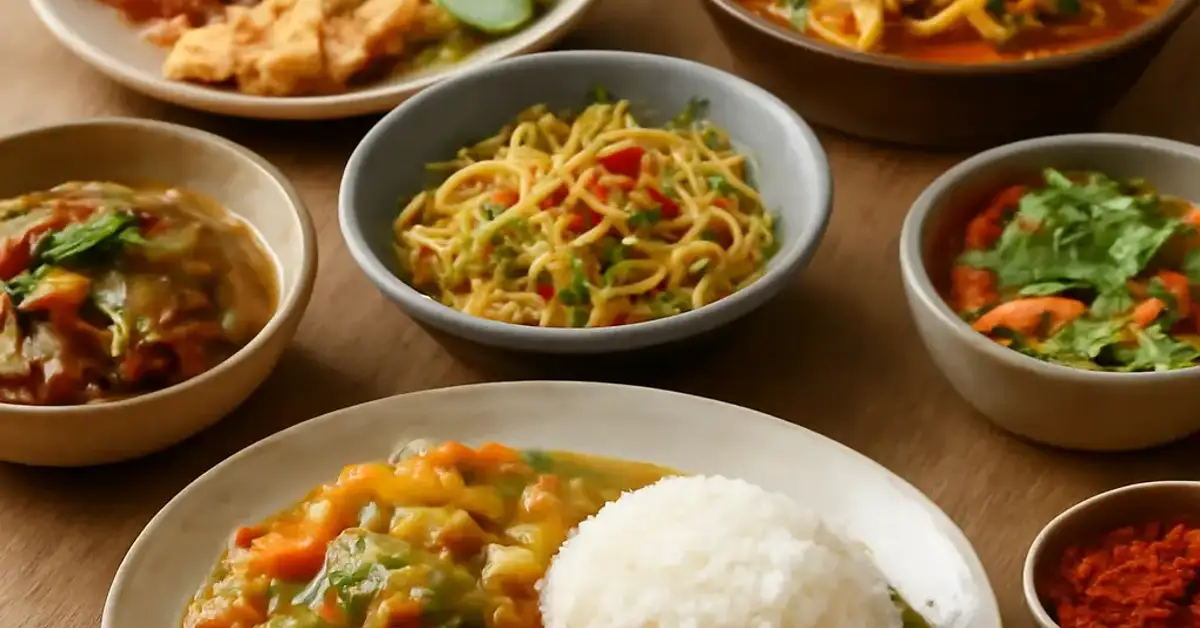
Malaysia’s food culture is built on layers of flavor – lemongrass, galangal, turmeric, coconut milk, and chili – many of which are naturally plant-based. The country’s multicultural heritage means you can find Indian-inspired lentil curries, Chinese-style stir-fried vegetables, and Malay coconut-rich stews, all without a trace of meat. For travelers and home cooks alike, the vegetarian options in Malaysian cuisine prove that plant-based eating can be anything but boring. For a related guide, see Best Malaysian Cuisine: 7 Must-Try Dishes for First-Timers.
Whether you are dining at a street stall or cooking at home, knowing which dishes are easy to adapt makes the experience more enjoyable. Below, we highlight seven essential dishes that showcase the best of Malaysia’s meatless side.
7 Must-Try Malaysian Vegetarian Dishes
1. Sayur Lodeh – The Comforting Coconut Vegetable Stew
Sayur lodeh is a classic Javanese-Malay vegetable curry cooked in a mild, creamy coconut milk broth. It typically includes cabbage, carrots, long beans, eggplant, and tofu puffs. The dish is gently spiced with turmeric, galangal, and a touch of chili, making it a perfect introduction to vegetarian malaysian food.
Key ingredients: coconut milk, mixed vegetables, tempeh or tofu, dried chilies, lemongrass.
Tips for ordering: at a Malaysian nasi campur (mixed rice) stall, ask for sayur lodeh as one of your sides. It is usually already vegetarian, but confirm no shrimp paste (belacan) has been added.
2. Roti Canai with Dhal – Flaky Flatbread and Spiced Lentil Dip
Roti canai is a beloved Indian-influenced flatbread, crispy on the outside and soft inside. Pair it with a bowl of dhal (lentil curry) for a satisfying, protein-rich meal. The dhal is cooked with turmeric, cumin, mustard seeds, and sometimes coconut milk, offering a warm, earthy flavor.
Key ingredients: wheat flour, ghee (or vegetable oil), lentils, curry leaves, spices.
Tips for ordering: many mamak (Indian Muslim) stalls use ghee in the dough. For a fully vegan version, ask for oil-based roti canai and confirm the dhal has no meat stock.
3. Nasi Lemak with Sambal and Vegetables
Nasi lemak is Malaysia’s national dish – fragrant coconut rice typically served with spicy sambal, fried anchovies, hard-boiled egg, and peanuts. A vegetarian version replaces anchovies with extra sambal (made without shrimp paste), cucumber slices, fried tofu, and a side of stir-fried greens.
Key ingredients: coconut rice, sambal (chili, garlic, shallots, tamarind), cucumber, roasted peanuts, fried tofu.
Tips for ordering: look for nasi lemak vegetarian at specialty stalls or request “no ikan bilis” (anchovies) and “no belacan.” The sambal is sometimes made with dried shrimp, so ask first.
4. Tauhu Goreng – Crispy Fried Tofu with Peanut Sauce
Tauhu goreng is a simple yet addictive dish: deep-fried tofu puffs served with a sweet and spicy peanut sauce, shredded cucumber, and bean sprouts. Sometimes it comes with a small portion of rice cakes (ketupat). It’s one of the most accessible malaysian vegetarian dishes for newbies.
Key ingredients: tofu puffs, peanut sauce (peanuts, chili, tamarind, palm sugar), cucumber, bean sprouts.
Tips for ordering: this dish is almost always vegetarian, but check the peanut sauce – some versions add anchovy paste. Street stalls are usually safe.
5. Vegetarian Rendang – Spicy, Rich Coconut “Meat”
Traditional beef rendang is slow-cooked in coconut milk and spices until tender. The vegetarian version uses jackfruit, mushrooms, or soy protein instead of meat. Jackfruit rendang is especially popular: the fruit’s fibrous texture mimics shredded beef beautifully. The spice paste includes lemongrass, galangal, turmeric, and chilies.
Key ingredients: young jackfruit (or oyster mushrooms/soy chunks), coconut milk, spice paste, kaffir lime leaves, tamarind.
Tips for ordering: ask for rendang sayur (vegetable rendang) or rendang nangka (jackfruit rendang). Some restaurants serve it only on certain days, so call ahead.
6. Mee Siam – Tangy Rice Noodles in Spicy Gravy
Mee siam is a Nyonya (Peranakan) dish of thin rice noodles in a tangy, spicy gravy made from tamarind, chili, and fermented soybean paste (taucheo). Vegetarian versions add tofu, bean sprouts, chives, and hard-boiled egg. The broth is lighter than laksa but equally aromatic.
Key ingredients: rice vermicelli, tamarind juice, taucheo (fermented soybeans), chili paste, tofu.
Tips for ordering: at hawker centers, request “mee siam sayur” (vegetable mee siam). Some stalls use dried shrimp in the base, so always confirm.
7. Popiah – Fresh Spring Rolls with a Malaysian Twist
Popiah are fresh spring rolls wrapped in a thin crepe-like skin. The filling typically includes steamed jicama (sengkuang), carrots, tofu, and bean sprouts, seasoned with soy sauce and garlic. They are served with sweet chili sauce or hoisin sauce. This is one of the most refreshing vegetarian options in malaysia during hot weather.
Key ingredients: popiah skin (wheat flour), jicama, carrots, tofu, lettuce, chili sauce.
Tips for ordering: many popiah stalls offer a “vegetarian” version that omits dried shrimp and pork lard. Ask for “popiah tanpa udang kering” (no dried shrimp).
How to Navigate Street Food as a Vegetarian in Malaysia
Malaysian street food culture is exciting, but a few simple steps will help you enjoy it stress-free.
First, learn a few key Malay phrases: “saya vegetarian” (I am vegetarian), “tiada daging” (no meat), “tiada ayam” (no chicken), and “tiada belacan” (no shrimp paste). Second, look for stalls with a “vegetarian” sign (sometimes written in Chinese characters for Buddhist vegetarian stalls). Third, carry a small pocket card or phone note in Malay that explains your dietary needs.
Many hawkers are happy to customize orders, especially during off-peak hours. A smile and a polite request go a long way.
Health and Flavor Benefits of Malaysian Vegetarian Eating
Beyond the taste, vegetarian malaysian food offers genuine nutritional pluses. Coconut milk provides healthy medium-chain triglycerides, while turmeric and ginger are well-known anti-inflammatory spices. Tempeh and tofu supply complete plant protein, and the abundant use of vegetables like long beans, eggplant, and leafy greens adds fiber and vitamins.
Meatless versions of Malaysian curries often have less saturated fat than their meaty counterparts, and many dishes are naturally low in sugar (outside of desserts). By choosing plant-based adaptations, you can enjoy Malaysia’s bold flavors while maintaining a balanced diet.
Useful Resources
For further reading on Malaysian vegetarian cooking and street food guides, check out these reliable sources:
Embracing vegetarian options in Malaysian cuisine is a journey of discovery. From the creamy comfort of sayur lodeh to the crispy satisfaction of tauhu goreng, each dish tells a story of flavor and adaptation. Go ahead and try one tonight – your taste buds will thank you. For a related guide, see 7 Popular Chicken Dishes in Malaysian Cuisine You Must Try.
Frequently Asked Questions About Vegetarian Options in Malaysian Cuisine
Is Malaysian cuisine vegetarian-friendly?
Yes, Malaysian cuisine offers many naturally vegetarian dishes and adaptations. However, you need to be aware of common non-vegetarian ingredients like shrimp paste (belacan), dried anchovies (ikan bilis), and meat stock.
What is the best vegetarian dish in Malaysia for beginners?
Sayur lodeh or tauhu goreng are great starting points because they are mild, widely available, and usually vegetarian by default.
Can I eat nasi lemak as a vegetarian?
Yes, you can order nasi lemak without anchovies and shrimp paste. Add extra tofu, cucumber, and sambal to make it a satisfying meal.
What does “belacan” mean and why is it important?
Belacan is a pungent shrimp paste used in many Malaysian sambals and curries. Vegetarians should ask for dishes without belacan.
Is roti canai vegetarian?
Traditional roti canai is made with ghee (clarified butter), so it is vegetarian but not vegan. Some stalls use vegetable oil – ask for “minyak sayur.”
What is the difference between vegetarian rendang and traditional rendang?
Traditional rendang uses beef or chicken, while vegetarian rendang substitutes jackfruit, mushrooms, or soy protein and uses the same aromatic spice blend.
Are Malaysian noodles vegetarian?
Many noodle dishes like mee siam and mee goreng can be made vegetarian by omitting dried shrimp, pork lard, and meat. Always confirm with the stall.
What is tauhu goreng made of?
Tauhu goreng consists of deep-fried tofu puffs served with a sweet and spicy peanut sauce, cucumber, and bean sprouts. It is naturally vegetarian.
Can I find vegetarian options at Malaysian night markets?
Yes, night markets (pasar malam) offer fresh fruit, popiah, vegetable fritters, and grilled corn. Look for stalls selling vegetarian curry puffs or steamed buns.
What is popiah and is it healthy?
Popiah are fresh spring rolls filled with jicama, carrots, tofu, and lettuce. They are low in fat and high in fiber, making them a healthy choice.
Do Malaysian restaurants label vegetarian dishes?
In tourist areas and larger cities, some restaurants label dishes “vegetarian” or have a separate section. In smaller towns, ask directly.
What is the Malay word for vegetarian?
The word is “saya vegetarian” or “makanan sayur” (vegetable food). You can also say “tiada daging” (no meat) and “tiada ayam” (no chicken).
Are Malaysian curries always made with coconut milk?
Most Malaysian curries use coconut milk, but some Chinese-Malaysian versions use evaporated milk or water. Vegetarian versions typically keep the coconut milk.
Can I eat laksa as a vegetarian?
Traditional laksa often contains shrimp paste, dried shrimp, and chicken stock. Some vegetarian stalls offer laksa lemak made with mock meat and vegetable broth.
What is the difference between sayur lodeh and vegetable curry?
Sayur lodeh is a mild, soupy coconut stew from the Nyonya tradition, while vegetable curry is often thicker and spicier. Both are excellent vegetarian choices.
Is tempeh common in Malaysian vegetarian dishes ?
Yes, tempeh (fermented soybeans) is a popular protein in Malaysian vegetarian cooking, often fried or added to curries and sambals.
What is the best way to order vegetarian food at a hawker center?
Politely say “saya vegetarian, tiada daging, tiada ayam, tiada belacan” and point to the dish you want. Most hawkers are accommodating.
Are Malaysian desserts vegetarian?
Most traditional desserts like cendol, bubur cha cha, and kuih are made with coconut milk, tapioca, and sweet potatoes – they are usually vegetarian and often vegan.
Can I find vegetarian Indian food in Malaysia?
Yes, Indian-Muslim (mamak) stalls often have vegetarian options like roti canai with dhal, vegetable biryani, and tandoori vegetables.
What is the most common non-vegetarian ingredient to watch for?
Dried anchovies (ikan bilis) and shrimp paste (belacan) appear in many dishes. Also be cautious of chicken or fish stock used in noodle soups.