

Best Malaysian Cuisine Key Takeaways
Malaysian cuisine is a vibrant mash-up of Malay, Chinese, and Indian influences, offering an unforgettable street food culture.
- The best Malaysian cuisine balances spicy, sweet, sour, and savory in every bite—think coconut-rich curries and smoky wok-fried noodles.
- Seven essential dishes cover the full spectrum: nasi lemak, char kway teow, satay, roti canai, laksa, rendang, and cendol.
- Key dining tips include eating where locals queue, starting mild if you prefer less heat, and always carrying tissues (napkins are rare at hawker stalls).
Why Best Malaysian Cuisine Is a Bucket-List Experience
Malaysia’s food scene isn’t just about eating—it’s about tasting layers of history. Street stalls, night markets, and kopitiams (coffee shops) serve plates that tell stories of trade routes and cultural fusion. For anyone new to Southeast Asia, this is the region’s most approachable and rewarding culinary introduction.
Think of it as flavor fireworks: a single dish can hit you with chili heat, tangy tamarind, creamy coconut milk, and funky fermented shrimp paste all at once. That’s why the best Malaysian dishes for first timers are the ones that offer a balanced gateway into this complexity without overwhelming your palate.
7 Must-Try Dishes That Define Best Malaysian Cuisine
These seven dishes form the backbone of every Malaysian food tour. They’re widely available, reasonably priced, and packed with authentic flavor.
1. Nasi Lemak
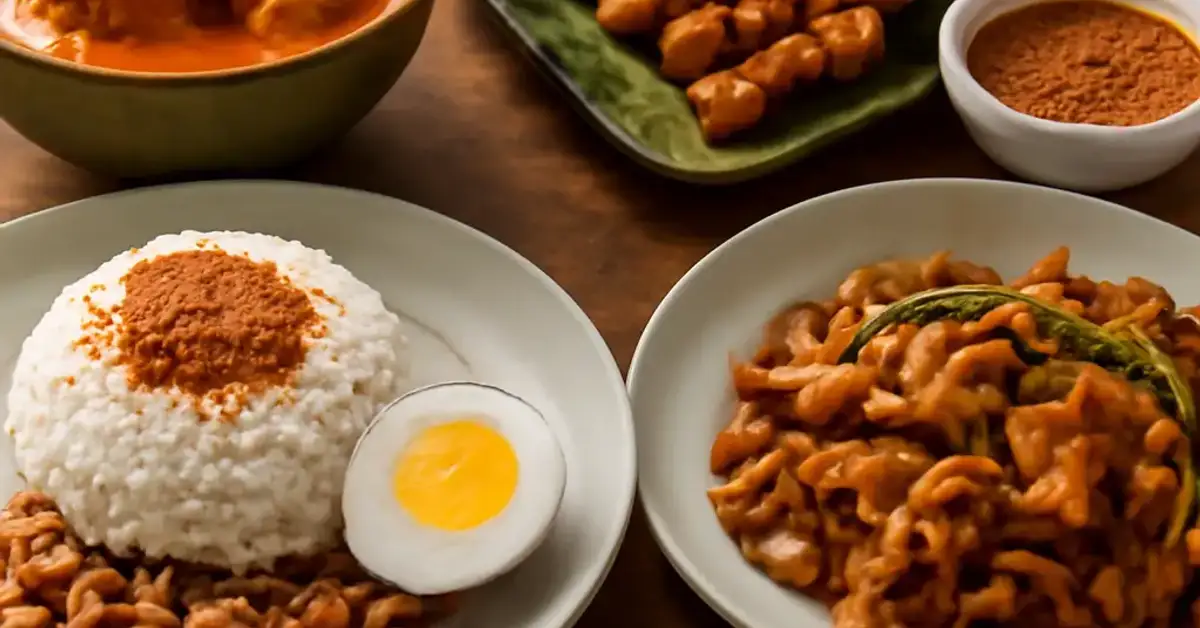
The unofficial national dish. Fragrant coconut rice is served with spicy sambal, crispy anchovies, roasted peanuts, a hard-boiled egg, and a slice of cucumber. It’s the breakfast of champions, but you’ll find it anytime. Look for nasi lemak wrapped in banana leaves for an extra hit of aroma.
2. Char Kway Teow
Flat rice noodles stir-fried over high heat with dark soy sauce, shrimp, cockles, Chinese sausage, eggs, and bean sprouts. The key is the smoky “wok hei” flavor that only a well-seasoned wok can produce. Penang is famous for its version—drier and smokier than elsewhere.
3. Satay
Skewers of marinated chicken or beef grilled over charcoal, served with a rich peanut dipping sauce, ketupat (compressed rice cakes), and fresh cucumber and onions. The sauce should be thick, slightly sweet, and a little spicy. Try the satay at Kajang, a town known for this dish.
4. Roti Canai
A flaky, crispy flatbread cooked on a griddle, usually served with dhal (lentil curry) or a side of curry sauce. It’s the perfect breakfast or snack. Watch the roti being made—the dough is tossed and spun in the air until paper-thin before being folded and fried.
5. Laksa
A spicy noodle soup that comes in two main styles: Asam Laksa (tamarind-based, sour and fishy) and Curry Laksa (coconut-based, creamy and rich). Both are packed with noodles, shredded fish or chicken, and fresh herbs. Penang’s Asam Laksa is legendary—and famously polarizing.
6. Rendang
Beef slow-cooked for hours in coconut milk and a paste of lemongrass, galangal, turmeric, and chilies until the liquid evaporates and the meat becomes tender and coated in a dry, spiced crust. It’s often served with rice or nasi lemak. This dish tastes even better the next day.
7. Cendol
The ultimate tropical dessert: shaved ice topped with green rice flour jelly, coconut milk, and palm sugar syrup, sometimes with red beans or creamed corn. It’s sweet, refreshing, and not too heavy. Perfect after a spicy meal.
Essential Dining Tips for Experiencing Best Malaysian Cuisine
Ordering like a local takes a little know-how. Here are practical tips to help you avoid common pitfalls and eat like a pro.
Where to Eat: Hawker Stalls Over Restaurants
The best food is almost always at hawker stalls and food courts. Look for stalls with long queues—that’s the local seal of approval. Sit down, order from the stall, and pay when the food arrives. Don’t expect napkins; bring your own tissue pack.
How to Handle Spice
Malaysian food can be spicy. If you’re sensitive, say “kurang pedas” (less spicy) when ordering. Tap water is rarely free, but a cold teh tarik (pulled milk tea) or sugarcane juice will cool your tongue.
Common Pitfalls to Avoid
- Over-ordering: Portions can be small but filling. Start with one dish and add more if you’re still hungry.
- Skipping the sambal: Even if you’re cautious, try a tiny bit. Sambal is the soul of many dishes.
- Eating only at tourist spots: Jalan Alor in Kuala Lumpur is fun, but wander one street away for better prices and authentic flavor.
How to Build Your Own Best Malaysian Cuisine Tour
Plan your food crawl around one or two locations per day. Start with breakfast (nasi lemak or roti canai), hit a lunch hawker center (char kway teow, laksa), enjoy afternoon cendol, and finish with dinner satay or nasi kandar (rice with multiple curries). Pace yourself, share dishes, and drink lots of water. For a related guide, see 7 Essential Traditional Malay Dishes That Define Malaysian Cuisine.
A useful trick: carry a small bottle of hand sanitizer and a fork. Some stalls don’t provide utensils. And always keep your phone ready to snap a photo—street food photography is half the fun.
Useful Resources
For deeper dives into Malaysian street food culture, check out The Star Food section, which covers local food trends and hawker spotlights. Another excellent resource is Tourism Malaysia’s official site, which lists regional specialties and food festivals.
Exploring best Malaysian cuisine is one of the most rewarding travel experiences you can have. With these seven dishes and a handful of smart strategies, you’ll skip the confusion and go straight to the flavor. So grab your fork, find a busy stall, and eat your way through Malaysia—one unforgettable bite at a time.
Frequently Asked Questions About Best Malaysian Cuisine
Is Malaysian cuisine very spicy?
Many dishes are spicy, but you can request “kurang pedas” (less spicy) at most stalls. Start with milder options like roti canai or nasi lemak without extra sambal.
What is the most popular Malaysian dish?
Nasi lemak is widely considered the national dish. You’ll find it everywhere, from roadside stalls to upscale restaurants.
Is street food safe to eat in Malaysia?
Yes, street food is generally safe. Look for stalls with high turnover and good hygiene practices. Use hand sanitizer before eating.
What drinks pair well with Malaysian food?
Teh tarik (pulled milk tea), iced lemon tea, sugarcane juice, and coconut water are all excellent choices. Avoid tap water.
Do I need to tip at hawker stalls?
Tipping isn’t expected at hawker stalls or local eateries. Some restaurants add a service charge, but stall owners don’t expect extra.
What is the difference between Malay, Chinese, and Indian Malaysian food?
Malay food uses more coconut milk and sambal; Chinese Malaysian food is stir-fried with soy sauces; Indian Malaysian cuisine features curries, lentils, and breads like roti canai. For a related guide, see Affordable Malaysian Cuisine Cafes in Kuala Lumpur: 7 Smart Budget Eats.
Can I find vegetarian options in Malaysian cuisine ?
Yes, look for “sayur” (vegetable) dishes, tofu-based options, or vegetarian stalls in hawker centers. Be careful of shrimp paste in sambal.
What is the best time to eat street food?
Evening from 6 PM to 10 PM is prime time for night markets and hawker centers. Morning markets (pasar pagi) also serve breakfast dishes.
Are there regional differences in Malaysian cuisine ?
Yes. Penang is known for its Chinese-style noodles; Negeri Sembilan for spicy, coconut-rich dishes; and Kelantan for sweeter, less spicy flavors.
What is the most underrated Malaysian dish?
Mee goreng mamak—a spicy Indian-Muslim fried noodle dish with tomato sauce and tofu. It’s cheap, filling, and full of flavor.
How do I order food at a hawker center?
Sit at a table, note the table number, go to the stall and place your order, then pay when the food is brought to you. Some stalls require upfront payment.
What is nasi kandar?
Nasi kandar is a meal of steamed rice topped with a selection of curries and side dishes like fried chicken, okra, and boiled eggs. It’s hearty and customizable.
Where can I find the best char kway teow?
Penang is the legendary spot, but you’ll find excellent versions in Kuala Lumpur’s hawker centers. Look for stalls that use a charcoal stove.
Is Malaysian food halal?
Most Malaysian food is halal, especially at Malay and Indian-Muslim stalls. Chinese stalls may not be halal-certified, so ask if you need halal assurance.
What is a kopitiam?
A kopitiam is a traditional coffee shop serving coffee, tea, toast, and light meals like half-boiled eggs and kaya (coconut jam) toast. It’s a breakfast institution.
What is cendol made of?
Cendol consists of shaved ice, green rice flour jelly (cendol strands), coconut milk, and gula melaka (palm sugar syrup). Some versions add red beans or creamed corn.
Can I eat Malaysian food with a fork and spoon?
Yes, fork and spoon is standard. For noodle soups, chopsticks are common. Roti canai is eaten with your hands, but forks are fine too.
What is the best dessert in Malaysia?
Cendol and ais kacang (shaved ice with red beans, jelly, corn, and evaporated milk) are the top two. Both are refreshing and sweet.
Is it rude to leave food on your plate?
Not really, but try to order what you can finish. Leaving a little is fine. In Malay culture, finishing all your food is seen as polite.
What should I avoid eating as a first-timer?
Start with cooked dishes rather than raw preparations. Durian is an acquired taste—try it only if you’re curious, but don’t make it your first stop.