


spicy and savory Malaysian cuisine Key Takeaways
Malaysian cuisine is a bold blend of Malay, Chinese, and Indian influences, built on chilies, coconut milk, and aromatic spices.
- spicy and savory Malaysian cuisine thrives on balance—rich coconut milk tames bird’s eye chilies while shrimp paste adds an umami punch.
- Iconic dishes like nasi lemak and rendang travel well from street stalls to home kitchens with a few authentic ingredients.
- Pairing a cooling side (like cucumber or pickled vegetables) with a spicy main enhances the full Malaysian experience.
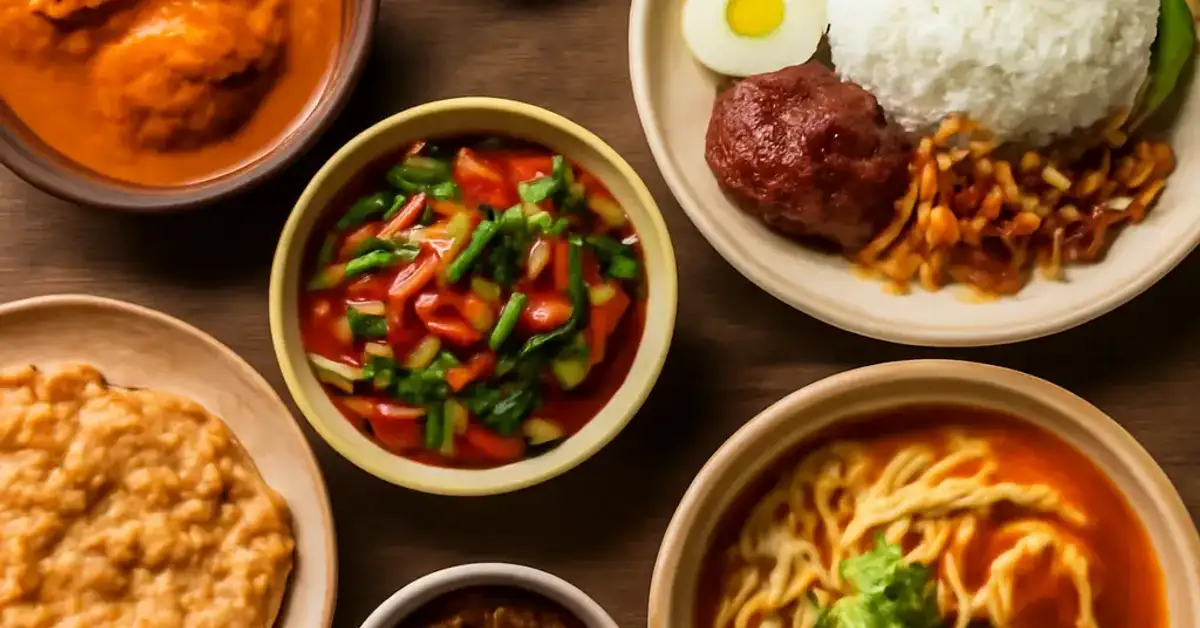
What Makes spicy and savory Malaysian cuisine So Addictive?
Street vendors flip woks over roaring fires, the scent of lemongrass and chili paste wafting through humid air. That first bite of spicy Malaysian food hits your tongue with a rush—heat, then creaminess, then a lingering savory finish. This is the magic of Malaysian cooking: every dish layers pungent belacan (shrimp paste), coconut milk, fresh herbs, and spice pastes into something irresistible. For a related guide, see 7 Reasons Malaysian Cuisine Is Loved (And Why You’ll Crave More).
The cuisine draws from three major culinary traditions. Malay roots contribute savory Malaysian dishes like slow-cooked curries. Chinese hawkers brought wok-fried noodles and soy-based seasonings. Indian immigrants added fiery sambar and flaky roti canai. Together, they create a repertoire of best Malaysian recipes that satisfy every craving.
1. Nasi Lemak — The National Treasure
Imagine fragrant coconut rice served with a fiery sambal, crisp fried anchovies, roasted peanuts, half a boiled egg, and a slice of cucumber. That’s nasi lemak, Malaysia’s unofficial national dish. The sambal—made from dried chilies, shrimp paste, tamarind, and onion—is the soul of the plate. It’s sweet, sour, and lava-like all at once. For a related guide, see Malaysian Cuisine Breakfast Foods: 7 Must-Try Dishes for Food Lovers.
I remember my first nasi lemak from a stall in Kuala Lumpur. The packet, wrapped in banana leaf, was so simple yet so complete. I sat on a plastic stool, eating with my fingers, feeling the heat creep up my cheeks. That moment taught me how spicy and savory Malaysian cuisine can turn a humble breakfast into an affair.
Flavor Pairing Tip
Balance the heat with a spoonful of cool coconut sambal or a few cucumber slices. If you find the sambal too intense, add a squeeze of calamansi lime to brighten the flavors.
2. Char Kway Teow — Wok Hei in Every Bite
Flat rice noodles stir-fried over impossibly high heat with dark soy sauce, shrimp, cockles, Chinese sausage, bean sprouts, and egg. The signature smoky flavor—called wok hei—comes from the seasoned wok and quick tossing. It’s savory, slightly sweet, and carrying a faint spicy kick from added chili paste.
I used to watch an uncle in Penang sweat over his blackened wok at 6 a.m. He’d crack an egg, add a dollop of chili, and within 90 seconds, plate a glossy pile of noodles that tasted of fire and sophistication. That’s spicy Malaysian food at its most humble and brilliant.
Flavor Pairing Tip
Serve with a side of pickled green chilies for acidity. A cold glass of sugarcane juice or barley water cools the palate between bites.
3. Beef Rendang — The Low and Slow Masterpiece
No list of savory Malaysian dishes is complete without rendang. Chunks of beef simmered for hours in coconut milk and a spice paste of lemongrass, galangal, turmeric, ginger, garlic, and chilies. The liquid evaporates, leaving the meat coated in a thick, fragrant, almost caramelized coating.
During a trip to Negeri Sembilan, a grandmother taught me that rendang is a meditation. “Stir slowly,” she said, “until the oil rises and the meat sings.” Her version was dark, intense, and barely holding together—perfect. It’s the dish that proves how patience transforms heat into depth.
Flavor Pairing Tip
Eat rendang with steamed white rice or ketupat (compressed rice cakes). A spoonful of sambal belacan on the side turns up the heat another notch.
4. Assam Laksa — The Sour and Spicy Fish Noodle Soup
This tangy, spicy noodle soup is based on a broth made from mackerel, tamarind, lemongrass, and shrimp paste. It’s served with thick rice noodles, fresh cucumber, pineapple, mint, and a dollop of shrimp paste. The contrasting flavors—sour, spicy, fishy, and sweet—hit every taste bud.
I tried assam laksa at a market in Penang where the vendor ladled broth over noodles with a flick of the wrist. The first spoonful shocked me: sour from tamarind, then a wave of chili heat, then the unmistakable funk of belacan. It’s a bowl that teaches you to embrace all flavors at once.
Flavor Pairing Tip
Add extra mint leaves and a squeeze of lime to brighten the broth. Pair with a side of crispy fried tofu puffs to soak up the liquid.
5. Curry Mee — Coconut Curry Noodles
A bowl of yellow noodles and rice vermicelli in a spicy coconut-based curry broth, topped with tofu puffs, chicken, prawns, blood cockles, and fresh mint. The broth is rich, creamy, and fiery—every spoonful coats your throat with warmth. Many hawkers add a spoonful of sambal for extra kick.
I recall a rainy afternoon in Ipoh, sitting under a corrugated awning, slurping curry mee while the storm raged. The broth was so comforting it felt like a hug. That’s the thing about best Malaysian recipes like this one: they turn weather into memory.
Flavor Pairing Tip
Add a drizzle of calamansi lime juice and a pinch of fried shallots. A cold soy milk drink balances the richness.
6. Mee Goreng Mamak — Indian-Muslim Stir-Fried Noodles
Thick yellow noodles stir-fried with shrimp, chicken, tofu, vegetables, and a tangy sauce made from soy sauce, chili paste, tomato ketchup, and a touch of curry powder. The Mamak (Indian-Muslim) version is distinct for its sweet-tangy-spicy profile. It’s carbo-loading at its most flavorful.
A Mamak stall owner in Malacca once told me his secret: “Add a little ketchup manis (sweet soy sauce) and a squeeze of lime at the end. That’s the soul.” He was right. The dish is messy, generous, and deeply satisfying—exactly what spicy and savory Malaysian cuisine should be.
Flavor Pairing Tip
Serve with slices of fresh cucumber and a wedge of lime. A cup of hot pulled tea (teh tarik) is the classic finish.
7. Sambal Udang (Prawn Sambal) — Sweet Heat Perfection
Plump prawns cooked in a thick sambal made from dried chilies, shrimp paste, tamarind, and a touch of palm sugar. The sauce clings to the prawns, offering a sticky, fiery coating that balances sweetness and heat. It’s often served with rice and a side of stir-fried vegetables.
My most vivid memory of sambal udang comes from a home-cooked meal in Georgetown. The host, a tiny woman, insisted I have second helpings. The sambal was so good I could have eaten it with plain bread. That meal showed me how spicy Malaysian food can turn simple ingredients into a celebration.
Flavor Pairing Tip
Pair with a stir-fry of long beans in coconut milk. A cold beer or limeade cuts through the heat.
How to Make Best Malaysian Recipes at Home
You don’t need a street wok or a clay pot to recreate these flavors. Start with a good spice grinder and source a few key ingredients: dried chilies, belacan (shrimp paste), lemongrass, galangal, and coconut milk. Most Asian groceries stock them. Toast your spices before grinding to unlock deeper aromas.
For heat control, deseed dried chilies or use fewer bird’s eye chilies. Balance with coconut milk, palm sugar, or tamarind to build the classic sweet-spicy-sour-savory flavor wheel. Practice your stir-fry technique on char kway teow—high heat, quick toss, no overcrowding the pan.
Final Recommendations for Malaysian food cravings
If you’re new to spicy and savory Malaysian cuisine, start with nasi lemak or curry mee. Their creamy bases soften the heat. Once comfortable, graduate to rendang and assam laksa for more complex flavor profiles. For a truly authentic experience, eat with your hands—it changes how you taste the food. For a related guide, see Affordable Malaysian Cuisine Cafes in Kuala Lumpur: 7 Smart Budget Eats.
Don’t be afraid to adjust spice levels. The soul of Malaysian cooking lies in balance, not heat for heat’s sake. Experiment with sambals as you would with hot sauces, and you’ll soon find yourself craving these dishes at odd hours of the day.
Useful Resources
To deepen your understanding of Malaysian gastronomy, explore the cultural background and regional variations of these classics on Nyonya Cooking. For a detailed guide on making authentic beef rendang from scratch, visit Rasa Malaysia.
Frequently Asked Questions About spicy and savory Malaysian cuisine
What makes Malaysian cuisine different from Thai cuisine?
Malaysian cuisine uses more coconut milk, shrimp paste, and tamarind, with a heavier influence from Chinese and Indian cooking. Thai food emphasizes fresh herbs like basil and galangal, and is typically lighter and more sour.
Is Malaysian food very spicy?
It can be, but heat levels vary by region and dish. Many savory Malaysian dishes use bird’s eye chilies, but you can request less chili when ordering. Dishes like nasi lemak and curry mee offer creamy, milder options.
What is belacan?
Belacan is a fermented shrimp paste with a strong, pungent flavor. It is a fundamental ingredient in many spicy and savory Malaysian cuisine recipes, adding depth and umami to sambals and curries.
Can I make Malaysian food vegetarian?
Yes. Replace shrimp paste with mushroom soy sauce, and use tofu or tempeh in place of meat. Dishes like curry, stir-fried noodles, and sambal adapt well to vegetarian versions.
What is the most popular Malaysian dish?
Nasi lemak is the most recognized, but char kway teow and rendang are equally beloved. Regional preferences vary—Penang is known for its char kway teow, while Negeri Sembilan excels in rendang.
What does “wok hei” mean?
“Wok hei” translates to “breath of the wok.” It’s the smoky, charred flavor that develops when ingredients are stir-fried over very high heat in a seasoned wok. It is essential for char kway teow.
How do I reduce spiciness in a dish?
Add coconut milk, yogurt, or a pinch of sugar to balance heat. Serving with rice or bread also helps. Avoid water—it spreads the capsaicin oils across your mouth.
What is the difference between rendang and curry?
Rendang is a dry curry in which the liquid evaporates, leaving the meat coated in concentrated spices and coconut. Curry has a sauce or gravy that remains liquid.
Where can I find authentic Malaysian ingredients?
Asian grocery stores stock dried chilies, shrimp paste, coconut milk, lemongrass, and belacan. Online retailers like Amazon and specialized Southeast Asian stores also deliver.
Is nasi lemak eaten for breakfast only?
No. While commonly eaten in the morning, nasi lemak is enjoyed any time of day. Many stalls serve it for lunch or dinner as well.
What is sambal belacan?
A spicy condiment made by grinding fresh chilies with toasted belacan and a squeeze of lime. It’s a staple on Malaysian tables, used to add heat and flavor to any meal.
How do I store leftover rendang?
Rendang keeps well in the refrigerator for up to 5 days. The flavors deepen over time. Reheat gently in a pan with a splash of water or coconut milk.
What is the best rice to serve with Malaysian curries?
Steamed jasmine rice is ideal. For richer dishes like rendang, try fragrant coconut rice (nasi lemak style) or ketupat for a traditional touch.
Are there desserts in Malaysian cuisine ?
Yes. Popular desserts include cendol (shaved ice with coconut milk, palm sugar, and green jelly), kuih (steamed colorful cakes), and ice kacang (shaved ice with syrup and toppings).
Can I freeze Malaysian curries?
Yes. Most curries and rendang freeze well for up to 3 months. Thaw in the refrigerator and reheat slowly. Coconut-based gravies may separate slightly but can be re-emulsified.
What is the role of tamarind in Malaysian cooking?
Tamarind adds sourness and depth to dishes like assam laksa, sambal, and some curries. It balances the richness of coconut milk and the heat of chilies.
How do I make sambal from scratch?
Soak dried chilies, then grind them with belacan, garlic, shallots, and tamarind paste. Fry the paste in oil until fragrant, then add sugar and salt. Simmer until thickened.
What is the most iconic spice from Malaysia?
Belacan (shrimp paste) is arguably the most iconic. It appears in sambals, curries, and dipping sauces. Turmeric, lemongrass, and galangal are also essential.
Is Malaysian cuisine healthy?
It can be, depending on preparation. Grilled or steamed dishes like ikan bakar (grilled fish) and steamed rice are healthy. Many curries are heavy in coconut milk and oil, so portion size matters.
What is the best way to eat curry mee?
Slurp the noodles and broth together. Add a spoonful of sambal if you want extra heat. Dip tofu puffs in the curry to let them soak up the flavor.