


Malaysian cuisine is loved Key Takeaways
Malaysian cuisine is loved for its kaleidoscope of flavors—spicy, sour, sweet, and savory—all in one dish.
- Malaysian cuisine is loved because it blends diverse culinary traditions into harmonious, bold flavors.
- Street food culture makes authentic best Malaysian dishes accessible and affordable for everyone.
- Iconic dishes like rendang, laksa, and roti canai have gained international fame, proving why Malaysian food is popular across continents.
Why Malaysian Cuisine Is Loved: A Personal First Bite
The first time I stepped into a mamak stall in Kuala Lumpur, the sizzle of a hot griddle filled the night air. A man in a white vest flipped a disk of dough so fast it looked like a magic trick. That disk—roti canai—came to my table golden, crisp, and paired with a bowl of lentil curry. One tear, one dip, and I understood instantly why Malaysian cuisine is loved around the world. It wasn’t just food. It was a performance, a greeting, a memory in the making.
Malaysia sits at the crossroads of ancient spice routes. For centuries, traders from India, China, the Middle East, and Europe brought not only goods but also their kitchens. Over time, those kitchens merged with local ingredients—coconut, lemongrass, belacan (shrimp paste), and wild ginger—to create a cuisine that is both familiar and utterly unique. Today, Malaysian cuisine is loved because it captures that history in every mouthful.
The Three Pillars: Why Malaysian Food Is Popular Through Its Diverse Roots
To understand why Malaysian food is popular, you have to look at its three main cultural streams: Malay, Chinese, and Indian. Each brought its own techniques, spices, and philosophies, and over generations, they borrowed from one another until the lines blurred.
Malay Heritage: The Soul of Malaysian Cuisine
The Malay foundation relies on fresh herbs, coconut milk, and pungent fermented shrimp paste. Dishes are often slow-cooked to allow layers of flavor to develop. Think of rendang, a dry curry of beef or chicken simmered for hours in coconut milk and a paste of chilies, galangal, turmeric, and lemongrass. It’s not just a dish; it’s a symbol of patience and celebration, often served at festivals like Hari Raya. For a related guide, see Traditional Malaysian Cuisine Explained: 7 Essential Dishes for Beginners.
Chinese Influence: Wok Hei and Comfort
Chinese immigrants brought stir-frying, noodles, and the coveted wok hei—that smoky breath of flavor only a seasoned carbon-steel wok can deliver. Char kway teow, flat rice noodles stir-fried with dark soy sauce, shrimp, cockles, and bean sprouts, is a street-food legend. Yet even this “Chinese” dish is unmistakably Malaysian, loaded with local belacan and bird’s eye chilies.
Indian Spice: Heat and Heart
Indian influence gave Malaysia its love for spices like cumin, fennel, and mustard seeds, plus the flaky flatbreads and lentil curries that define mamak culture. Banana leaf rice—a meal of rice, vegetables, pickles, and curry served on a banana leaf—is a hands-on experience that embodies the communal spirit of Malaysian cuisine.
7 Best Malaysian Dishes That Prove Why Malaysian Cuisine Is Loved
You can’t talk about why Malaysian food is popular without naming the dishes that travelers dream about. Here are seven best Malaysian dishes that have earned global devotion.
1. Nasi Lemak: The National Dish
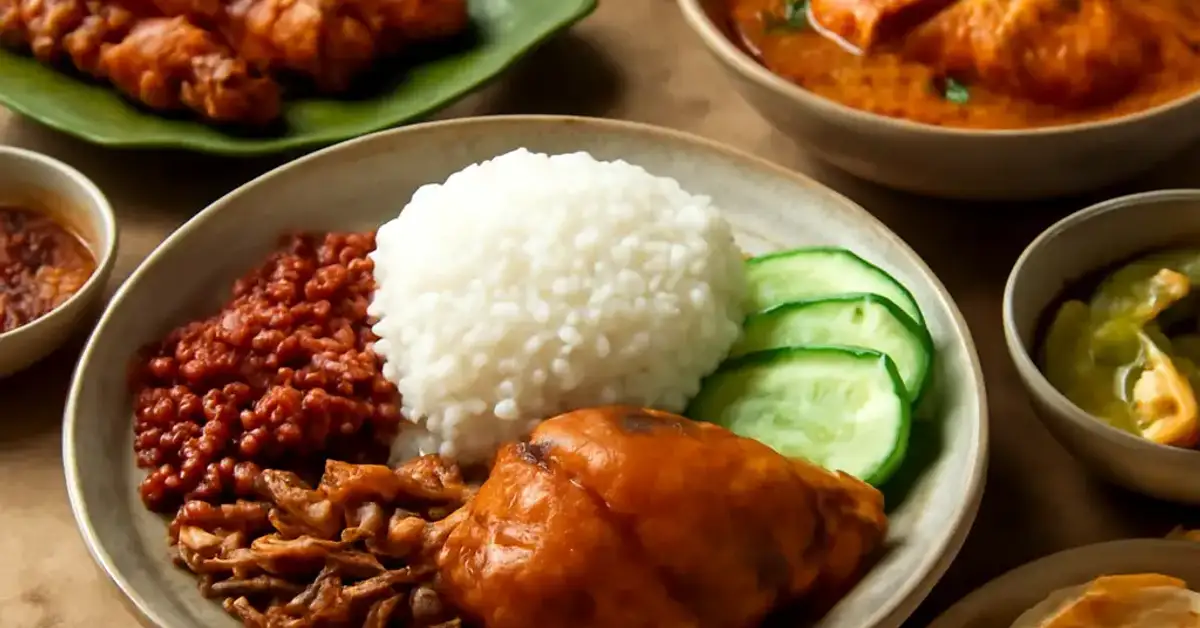
Coconut rice steamed with pandan leaves, served with spicy sambal, fried anchovies, roasted peanuts, a hard-boiled egg, and a slice of cucumber. Nasi lemak is breakfast, lunch, and late-night comfort all in one. Its balance of creamy, spicy, salty, and sweet is why Malaysian cuisine is loved as a complete sensory experience.
2. Satay: Grilled Perfection
Skewers of marinated chicken or beef, grilled over charcoal flames, and served with a rich peanut sauce, rice cakes (ketupat), and a fresh cucumber-onion relish. The smoky char plus the creamy, slightly sweet peanut dip makes satay an irresistible starter.
3. Rendang: The World’s Best Stew
Twice named the world’s most delicious food by CNN readers, rendang is a dry curry that explodes with depth. The slow cooking caramelizes the coconut milk and concentrates the spices until the meat is tender and coated in a dark, fragrant paste. Every family has its own secret recipe.
4. Laksa: The Spicy Noodle Soup
There are two main camps: Asam laksa (Penang-style, tamarind-based and sour) and curry laksa (coconut-rich and creamy). Both are loaded with noodles, shredded fish, herbs, and a broth so complex it lingers in your memory. Laksa is a textbook answer to why Malaysian food is popular—it’s comfort with a kick.
5. Roti Canai: The Flaky Flatbread
This Indian-influenced flatbread is crispy on the outside, soft and layered inside. Eaten for breakfast with curry or dhal, or even stuffed with egg, cheese, or banana, roti canai is a perfect example of Malaysian food’s adaptability.
6. Char Kway Teow: The Smoky Noodle
Flat rice noodles stir-fried over high heat with dark soy sauce, shrimp, cockles, Chinese sausage, eggs, and bean sprouts. The best versions come from street hawkers who have been perfecting their wok technique for decades. That smoky, slightly charred flavor is impossible to replicate at home.
7. Cendol: The Cool Ending
A dessert of shaved ice, green rice-flour jelly, coconut milk, and palm sugar syrup. Cendol is refreshing, not overly sweet, and provides the perfect contrast after a spicy meal. It’s the sweet signature that seals why Malaysian cuisine is loved from start to finish.
Street Food Culture: The Heartbeat of Why Malaysian Cuisine Is Loved
If you want to understand why Malaysian food is popular, skip the fine-dining restaurants and head to a hawker center. These open-air food courts, often with a dozen or more stalls under one roof, are where the magic happens. You can eat a full meal—starter, main, drink, dessert—for the equivalent of three dollars. The tables are shared. The conversations spill over. A stranger might recommend the popiah (fresh spring rolls) or insist you try the cendol from the auntie two stalls down.
This street food culture is democratic and deeply social. It removes the barrier between cook and diner. You see the flames, hear the sizzle, and smell the wok hei before the plate touches your table. That immediacy and honesty is a huge reason Malaysian cuisine is loved by locals and tourists alike.
How Malaysian Cuisine Conquered the Global Palate
In recent years, Malaysian cuisine has stepped onto the world stage. Malaysian restaurants now thrive in London, New York, Sydney, and Tokyo. Food festivals dedicated to Malaysian street food draw crowds in cities far from the equator. Chefs like James Beard Award–nominated Lara Lee have written cookbooks celebrating the cuisine’s depth. Social media has played a role too: videos of roti canai being flipped or nasi lemak being unwrapped from banana leaves have millions of views, sparking curiosity and cravings.
Yet the true secret to why Malaysian food is popular lies in its balance. Malaysian cooks obsess over the interplay of salty, sour, sweet, and spicy. A single dish—like nasi lemak—can hit all four notes. That complexity keeps your taste buds engaged, and it’s why one meal is never enough. You always want to try the next stall, the next dish, the next flavor combination.
What Makes Malaysian Cuisine Universally Appealing
Ask any traveler who has spent a week in Malaysia, and they’ll tell you: the food is the highlight of the trip. But the appeal goes beyond taste. Malaysian cuisine is loved because it is inclusive. Nearly every dish can be adjusted for dietary needs—halal is the norm, vegetarian versions are common, and gluten-free options abound (rice and rice noodles are staples). The cuisine also respects tradition while embracing innovation. A classic rendang sits comfortably next to a modern nasi lemak burger.
Moreover, Malaysian food tells a story of harmony. In a country where three major ethnic groups have lived together for generations, the kitchen became the great melting pot. Chinese noodles meet Indian curry. Malay sambal spices up a Chinese wok. Indian flatbread is served with Malaysian-style dhal. That cultural openness translates directly to the plate, and it resonates with diners everywhere who crave authentic, layered flavors.
If you have yet to try authentic Malaysian cuisine, start with nasi lemak and satay. Then venture into laksa and rendang. By the time you’re scraping the last bits of cendol syrup from your bowl, you’ll understand exactly why Malaysian cuisine is loved—and why you’ll crave more the moment you’re done.
Useful Resources
For a deeper dive into Malaysian cooking techniques and recipes, check out Serious Eats: Malaysian Food Guide — a comprehensive article on essential ingredients and dishes.
To explore the history behind the cuisine’s multicultural roots, read BBC Travel: The Spice Route That Shaped Malaysia’s Food.
Frequently Asked Questions About Malaysian cuisine is loved
Why is Malaysian cuisine so popular worldwide?
Malaysian cuisine is loved because it masterfully blends Malay, Chinese, Indian, and indigenous flavors into bold, balanced dishes. Its street food culture makes authentic meals accessible, and iconic dishes like nasi lemak and rendang have gained international recognition for their depth and complexity. For a related guide, see 10 Must Malaysian Cuisine Dishes for Authentic Food Lovers.
What are the top dishes in Malaysian cuisine ?
The most celebrated including nasi lemak, satay, rendang, laksa, roti canai, char kway teow, and cendol. Each represents a different cultural influence within Malaysia’s culinary landscape.
What makes Malaysian food different from Thai or Indonesian food?
While all three use coconut milk and chilies, Malaysian food uniquely integrates Chinese noodle and wok techniques, Indian spice blends and breads, and a heavier use of fermented shrimp paste (belacan). The result is a distinct fusion not found in its neighbors.
Is Malaysian cuisine very spicy?
Many dishes are spicy, but heat levels vary. You can find mild options like nasi lemak (sambal on the side), roti canai, and cendol. Street vendors often adjust spice upon request.
What is the national dish of Malaysia?
Nasi lemak is widely considered the national dish. It consists of coconut rice served with sambal, fried anchovies, peanuts, boiled egg, and cucumber.
Can I find vegetarian options in Malaysian cuisine ?
Yes. Roti canai, nasi lemak (without anchovies), vegetarian laksa, and cendol are all plant-friendly. Many hawker stalls also offer tofu and vegetable versions of classic dishes.
What is the best time to eat street food in Malaysia?
Evening is prime time. Hawker centers and night markets (pasar malam) come alive around 6 PM, offering the freshest selection and a lively atmosphere.
Why is rendang considered one of the best dishes in the world?
Rendang’s slow-cooked process caramelizes coconut milk and infuses meat with a deep, complex spice paste. CNN readers ranked it the world’s most delicious food twice for its unparalleled depth of flavor.
What is the difference between asam laksa and curry laksa?
Asam laksa is tamarind-based, sour, and fish-heavy, originating in Penang. Curry laksa uses coconut milk for a creamy, spicy broth. Both are beloved versions of the same noodle soup.
How do Malaysians typically eat their meals?
Meals are often communal. Many dishes are served with rice and shared. Using hands (right hand only) to eat is common for traditional Malay and Indian meals, but cutlery is always available.
Is Malaysian cuisine halal?
Most Malay and Indian-Muslim food is halal. Chinese stalls may use pork, but many are halal-certified. Look for halal signs or ask the vendor.
What is the most popular dessert in Malaysia?
Cendol is the most iconic dessert. Shaved ice topped with green rice-flour jelly, coconut milk, and palm sugar syrup offers a refreshing end to any spicy meal.
Can I learn to cook Malaysian food at home?
Absolutely. Start with simpler dishes like nasi lemak or roti canai. Many recipes are beginner-friendly. The key is sourcing ingredients like pandan leaves, belacan, and coconut milk from Asian grocers.
What drinks pair well with Malaysian food?
Iced milo, teh tarik (pulled milk tea), and sugarcane juice are classic pairings. They help balance spicy flavors and are staples at hawker centers.
Is Malaysian food suitable for gluten-free diets?
Yes. Rice and rice noodles are central to Malaysian cooking. Nasi lemak, satay (without sauce), and many curries are naturally gluten-free. Always confirm sauces with vendors.
What is the origin of satay?
Satay likely originated from Indonesian and Malay traders who brought skewered grilled meat. It became a staple across Malaysia and is now enjoyed as a street food icon throughout Southeast Asia.
Why is Malaysian street food so cheap?
Malaysia’s strong street food culture and low overhead costs for hawker stalls keep prices low. Government licensing also supports hawkers, making quality food affordable for everyone.
What is the best city for street food in Malaysia?
Penang (especially George Town) is widely considered the street food capital of Malaysia. Kuala Lumpur, Ipoh, and Johor Bahru also offer vibrant and diverse food scenes.
Do I need to tip at hawker centers in Malaysia?
Tipping is not expected at hawker centers or most casual eateries. Prices are inclusive, though some locals leave small change as a gesture of appreciation.
How has Malaysian cuisine influenced other food cultures?
Malaysian flavors have spread through migration and tourism. Dishes like laksa and rendang appear on menus worldwide, and chefs globally incorporate Malaysian spice pastes and sambals into their cooking.