

Malaysian cuisine Kuala Lumpur tourists Key Takeaways
Kuala Lumpur is a paradise for food lovers, where hawker stalls and chic cafés serve an incredible mix of Malay, Chinese, and Indian influences.
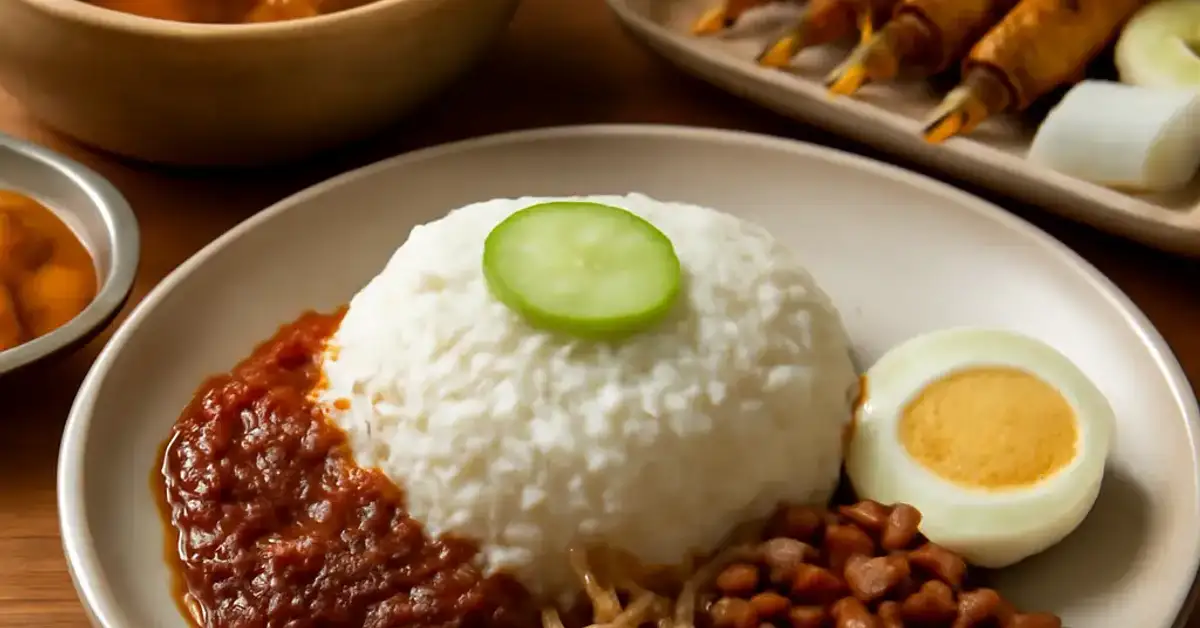
- Nasi lemak is the national dish and a perfect breakfast or any‑time meal — look for the version with sambal, crispy anchovies, and a hard‑boiled egg.
- Char kway teow, satay, and roti canai are essential street‑food experiences that define Malaysian cuisine Kuala Lumpur tourists rave about.
- For the most authentic eats, follow the locals to bustling hawker centres and pasar malams, not tourist‑trap restaurants.
Why Malaysian cuisine Kuala Lumpur tourists Shouldn’t Miss
KL’s food scene is a living museum of the country’s multicultural history. Walking through Chinatown, Little India, and Kampung Baru in a single afternoon, you’ll smell wok‑fried noodles, sizzling satay, and sweet coconut milk all at once. For tourists, the best part is that most dishes are affordable and served in generous portions. Whether you’re a spice rookie or a chilli veteran, there’s a plate waiting for you.
What Makes KL’s Food Special
Unlike some neighbouring cuisines, Malaysian food boldly combines sweet, sour, salty, and spicy in one bite. The use of fresh herbs like lemongrass, turmeric, and pandan leaves gives each dish a distinctive fragrance. Hawker centres are the heart of this culture — think busy open‑air food courts where each stall specialises in one or two recipes passed down for generations. For a related guide, see 7 Essential Malaysian Cuisine Tips for Authentic Dishes Today.
7 Must‑Try Dishes in Your Kuala Lumpur food guide
1. Nasi Lemak – The National Treasure
Fragrant coconut rice served with spicy sambal, fried anchovies, peanuts, a boiled egg, and sometimes fried chicken or rendang. You’ll find it everywhere from street carts to upscale restaurants. For a classic KL experience, head to Nasi Lemak Tanglin or the bustling Village Park Restaurant in Damansara. For a related guide, see Village Park Restaurant Review: 5 Must-Try Malaysian Dishes.
2. Char Kway Teow – Wok‑Fried Perfection
Flat rice noodles stir‑fried over high heat with dark soy sauce, shrimp, cockles, Chinese sausage, and bean sprouts. The smoky “wok hei” flavour is what makes it addictive. Look for stalls with a long queue — that’s a sure sign of quality. The hawker centre at Jalan Alor offers a great version after sunset.
3. Satay – Grilled Skewers with Peanut Dip
Tender pieces of marinated chicken or beef grilled over charcoal, served with a rich peanut sauce, ketupat (rice cakes), and cucumber slices. For the best satay, visit Satay Kajang Haji Samuri in KL — it’s a little outside the city centre but worth the trip.
4. Roti Canai – Crispy, Flaky Flatbread
A beloved Indian‑Malaysian breakfast staple. The dough is tossed, stretched, and pan‑fried until golden and crispy. Dip it in lentil curry or a sweet condensed‑milk version. Restoran Roti Canai SS15 in Subang Jaya is famous for its perfectly layered roti.
5. Laksa – Spicy Noodle Soup
There are many regional laksas in Malaysia, but the two you’ll encounter most in KL are Asam Laksa (sour, fish‑based) and Curry Laksa (coconut‑based, rich). Both are packed with noodles, fresh herbs, and a broth that wakes up your taste buds. Try the laksa at Imbi Market for an authentic morning bowl.
6. Hokkien Mee – Thick Noodles in Dark Soy Sauce
Thick yellow noodles stir‑fried with dark soy sauce, pork, squid, and cabbage, often topped with a crispy pork lard garnish. The KL version is darker, richer, and less soupy than the Penang variant. Kim Lian Kee at Petaling Street has been serving this for decades.
7. Cendol – The Ultimate Cool‑Down Dessert
A shaved‑ice dessert with green rice‑flour jelly, sweetened red beans, coconut milk, and a generous pour of gula melaka (palm sugar). It’s the perfect antidote to KL’s tropical heat. Many hawker stalls sell it, but Penang Road Famous Teochew Chendul in Lot 10 Hutong is a convenient downtown option.
Tips for First‑Time Visitors Enjoying Malaysian cuisine Kuala Lumpur tourists Love
Where to Eat Like a Local
Skip the air‑conditioned restaurant chains inside shopping malls. Instead, visit hawker centres such as Jalan Alor, Central Market Annexe, and SS2 Hawker Centre. These places are clean, affordable, and offer the most authentic flavours. Don’t be shy about asking the stall owners for recommendations — they’re usually happy to help.
Spice Levels and Ordering Tips
Many dishes come with a default level of spiciness. If you’re sensitive to heat, say “kurang pedas” (less spicy) when ordering. For drinks, order a refreshing pitcher of teh tarik (pulled milk tea) or a cold sugarcane juice to balance the spice.
When to Eat
KL’s food scene runs on its own clock. Breakfast (7–10 am) is prime time for roti canai and nasi lemak. Lunch (12–2 pm) and dinner (6–9 pm) are busy. Many hawker stalls also operate late into the night, especially in areas like Jalan Alor and Bukit Bintang, where the supper crowd gathers after 10 pm.
Hygiene and Safety
Hawker centres in KL are generally clean and safe. Look for stalls that are busy — high turnover means fresh ingredients. Drink only bottled or boiled water, and always carry a small hand sanitiser. Your stomach will thank you after a day of exploring.
Useful Resources
For more detailed information about Malaysian food culture and where to eat in KL, check out these trusted guides:
- Eater’s Guide to Malaysian Food in KL – A curated list of essential dishes and recommended stalls by professional food critics.
- Tourism Malaysia’s Official Culinary Page – The national tourism board’s take on must‑try local dishes and cultural food events.
Kuala Lumpur’s food scene is a journey through history, culture, and bold flavours. With this Kuala Lumpur food guide in your pocket, you’re ready to eat like a local. Grab your fork (or spoon) and dive in — your taste buds will thank you.
Frequently Asked Questions About Malaysian cuisine Kuala Lumpur tourists
Is Malaysian food very spicy?
Many dishes use chillies, but the heat level varies. You can always request less spice (kurang pedas) and balance it with a sweet drink like teh tarik or sugarcane juice.
What is the most popular street food in KL?
Nasi lemak is the most beloved, followed closely by char kway teow and satay. You’ll find these at almost every hawker centre in the city.
Are there vegetarian options in Malaysian cuisine ?
Yes — dishes like roti canai (plain), vegetable laksa, and nasi lemak with a fried egg are vegetarian. Many Chinese‑style stalls also offer tofu and vegetable stir‑fries.
Where can I find the best nasi lemak in KL?
Village Park Restaurant in Damansara and Nasi Lemak Tanglin near the city centre are local favourites. The queue is worth it.
Is street food safe to eat in Kuala Lumpur?
Generally yes, especially in busy hawker centres. Choose stalls with high turnover and observe cleanliness. Bottled or boiled water is recommended.
What is the national dish of Malaysia?
Nasi lemak is widely considered the national dish. It’s a fragrant coconut rice served with sambal, anchovies, peanuts, and a hard‑boiled egg.
Can I find halal food easily in KL?
Yes, the vast majority of hawker stalls and restaurants in KL are halal. Look for the halal certification sign or ask the vendor.
What is the difference between Asam Laksa and Curry Laksa?
Asam Laksa has a sour, fish‑based broth with tamarind, while Curry Laksa uses a rich, spicy coconut‑milk base. Both are delicious and widely available.
How much does a typical street‑food meal cost?
Expect to pay between RM5 and RM15 for a hearty plate or bowl of noodles or rice. Drinks cost around RM2 to RM5.
What drink should I try with my meal?
Teh tarik (pulled milk tea) is the classic choice. For something cooler, order a refreshing sugarcane juice or iced lemon tea.
Are there any food tours in KL for tourists?
Yes, several operators run guided food tours through Kampung Baru, Chinatown, and Little India. They’re a great way to sample multiple dishes in a few hours.
What is cendol made of?
Cendol consists of shaved ice, green rice‑flour jelly, sweetened red beans, coconut milk, and palm sugar (gula melaka). It’s a dessert, not a drink.
Can I eat durian in KL?
Absolutely. Durian is widely available during the season (June–August and December–February). Try it fresh at street stalls or in desserts like durian cendol.
What is the best time to visit KL for food festivals?
The KL Food Festival usually takes place in July, and the Malaysia International Gourmet Festival runs from October to November. During these events, you can taste special menus and limited‑edition dishes.
Is tap water safe to drink in KL?
Tap water is not recommended for drinking. Always opt for bottled water or boiled water, even in restaurants.
What is the best area to stay for food lovers?
Bukit Bintang and Chinatown are ideal. You’ll be walking distance from Jalan Alor, Petaling Street, and a range of hawker centres.
Do I need to tip at hawker stalls?
Tipping is not customary in Malaysia. Service charges are usually included in the bill at restaurants. At hawker stalls, just pay the exact amount.
What is the etiquette for eating in a hawker centre?
Find a table first, then order your food. Some stalls use a table‑number system, others call out your name. Clean up after yourself by returning used trays to the collection point.
Can I find gluten‑free Malaysian food?
Yes — nasi lemak (rice‑based), satay (skewered meat), and grilled fish are naturally gluten‑free. Always confirm with the vendor about sauces that may contain soy sauce.
What is the best dessert after a spicy meal?
Cendol is the perfect cool‑down. Another popular choice is ice kacang, a shaved‑ice dessert with sweet corn, jelly, and evaporated milk.