


Traditional Malaysian Cuisine Explained for Beginners Key Takeaways
Traditional Malaysian cuisine explained for beginners opens the door to a vibrant world of bold flavors, fragrant spices, and diverse cultural influences.
- Malaysian cuisine relies on a core set of ingredients like coconut milk, lemongrass, belacan (shrimp paste), and fresh chilies.
- Seven essential dishes — from Nasi Lemak to Char Kway Teow — give beginners a perfect starting point for exploration.
- Understanding a few basic cooking tips, like toasting spices and balancing sweet, salty, sour, and spicy, helps anyone cook authentic Malaysian food at home.
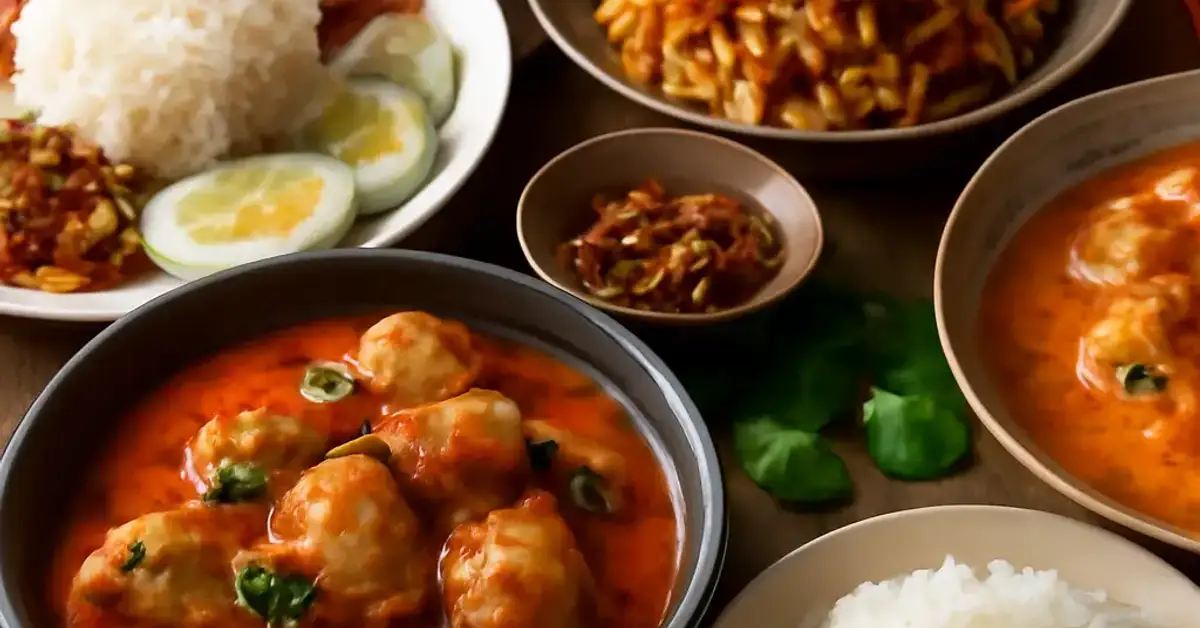
Why Traditional Malaysian Cuisine Explained for Beginners Starts with the Basics
If you are new to Malaysian cuisine, the sheer variety can feel overwhelming — but it does not have to be. At its heart, Malaysian cooking is about bold contrasts: creamy coconut milk next to sharp tamarind, fiery chilies balanced by sweet palm sugar. The food reflects a multicultural society where Malay, Chinese, Indian, Nyonya, and Eurasian influences all play a part. Understanding a few key ingredients and dishes lays a solid foundation. For a related guide, see Malaysian Food Done Right at Village Park Restaurant: 7 Must-Why Dishes.
Key Ingredients That Define Malaysian Cuisine
Every cuisine has its pantry staples. In Malaysia, these ingredients show up again and again. Learn to recognize them, and you are halfway to understanding the flavor profile.
Coconut Milk (Santan)
Rich, creamy coconut milk forms the base of countless curries, soups, and rice dishes. It adds a gentle sweetness and silky texture that tames spicy heat.
Belacan (Fermented Shrimp Paste)
This pungent, sun-dried shrimp paste is a signature umami bomb. Toasted before use, belacan gives sambals and stir-fries a deep, savory backbone.
Lemongrass, Galangal, and Turmeric
These three aromatics appear fresh in almost every curry paste. Lemongrass brings citrus notes, galangal adds a piney sharpness, and turmeric provides earthy color and flavor.
Chilies and Sambal
Fresh red chilies, dried chilies, and sambal (a spicy chili paste) deliver heat. Sambal is often cooked with belacan, shallots, and tamarind for a complex, sweet-sour-spicy punch.
Tamarind and Asam
Tamarind pulp gives a sour tang to dishes like Assam Laksa and curries. It balances the richness of coconut milk and the heat of chilies.
7 Essential Malaysian Dishes Explained for Beginners
These seven dishes represent the best entry points for anyone exploring traditional Malaysian food for beginners. They cover different cooking methods, flavor profiles, and cultural roots.
1. Nasi Lemak — The National Dish
Coconut rice steamed with pandan leaves, served with spicy sambal, fried anchovies, peanuts, a hard-boiled egg, and cucumber slices. Nasi Lemak is a breakfast staple but enjoyed any time of day. The key is the sambal — it should be sweet, spicy, and slightly smoky.
2. Char Kway Teow
Stir-fried flat rice noodles with dark soy sauce, shrimp, Chinese sausage, bean sprouts, and egg. Cooked over high heat in a wok, this dish gets its signature “wok hei” (breath of the wok) flavor. It is a Chinese-Malaysian classic from Penang.
3. Satay
Marinated skewers of chicken or beef grilled over charcoal, served with a rich peanut dipping sauce, ketupat (compressed rice cakes), and cucumber and onion slices. The marinade usually includes turmeric, lemongrass, and coconut milk.
4. Rendang
A slow-cooked dry curry of beef (or chicken) simmered in coconut milk and a paste of lemongrass, galangal, garlic, turmeric, and chilies. The liquid evaporates, leaving intense, caramelized flavors. Rendang is a festive dish for celebrations.
5. Assam Laksa
A sour fish noodle soup from Penang. The broth is made with mackerel, tamarind, lemongrass, and galangal, then topped with shredded fish, cucumber, pineapple, mint, and a dollop of shrimp paste. It is tangy, spicy, and refreshing.
6. Roti Canai
A flaky, crispy flatbread of Indian-Muslim origin, served with dal or curry for dipping. The dough is stretched paper-thin, folded, and pan-fried. Perfect for breakfast or a snack, often paired with a cup of pulled teh tarik (milk tea).
7. Cendol
A popular dessert: shaved ice topped with green rice-flour jelly, palm sugar syrup, and coconut milk. Sometimes additions like red beans, sweet corn, or durian are added. It is the ultimate tropical cooler.
Traditional Malaysian Cuisine Explained for Beginners: Step-by-Step Cooking Tips
Ready to try cooking at home? These practical tips will help you get authentic results without frustration.
Step 1: Build a Spice Pantry
Start with dried chilies, shallots, garlic, lemongrass, galangal (or ginger as a substitute), turmeric, belacan, tamarind concentrate, and coconut milk. Most are available at Asian grocery stores or online. Store dried spices in airtight containers away from light.
Step 2: Toast Your Spices and Paste
Dry-fry belacan and whole spices like cumin or fennel seeds until fragrant before grinding. When cooking curry paste, fry it in oil until the oil separates (pecah minyak) — this deepens the flavor and ensures the raw taste disappears.
Step 3: Balance the Four Flavors
Malaysian food revolves around a balance of salty (soy sauce, fish sauce), sweet (palm sugar or brown sugar), sour (tamarind, lime), and spicy (chilies). Taste as you cook and adjust. A squeeze of lime at the end can brighten any dish.
Step 4: Use High Heat for Stir-Fries
For noodle dishes like Char Kway Teow, get your wok or pan smoking hot. Cook in small batches to avoid steaming the noodles. That smoky “wok hei” is non-negotiable for authentic flavor.
Step 5: Slow Down for Curries
Dishes like Rendang reward patience. Simmer gently until the sauce thickens and darkens. Stir occasionally to prevent burning. The result is worth the wait — deeply layered, tender meat.
Common Mistakes Beginners Make (And How to Avoid Them)
Even confident home cooks stumble when trying a new cuisine. Here are the most frequent pitfalls when cooking Malaysian cuisine at home.
| Mistake | Why It Happens | How to Fix It |
|---|---|---|
| Skipping belacan | Belacan smells strong, so beginners leave it out | Toast it briefly; the pungent smell mellows into deep umami during cooking |
| Using light coconut milk | To save calories, but flavor suffers | Use full-fat coconut milk for richness; you can dilute with water if needed |
| Overcooking noodles | Noodles turn mushy and lose texture | Cook noodles until just al dente, then toss quickly in the wok |
| Skipping the toasting step | Spices and pastes taste raw and harsh | Always fry your paste until the oil separates and smells fragrant |
| Not balancing acidity | Dishes taste flat or too rich | Add tamarind, lime juice, or even a splash of vinegar to brighten |
Useful Resources
To deepen your understanding of traditional Malaysian food for beginners, these two resources offer authentic recipes and cultural context.
Rasa Malaysia — A well-respected blog with hundreds of tested Malaysian recipes, ingredient guides, and step-by-step photos by Bee Yinn Low.
Saveur Magazine – Malaysian Cuisine Collection — A curated set of articles and recipes from a trusted culinary publication, covering history, regional specialties, and chef interviews.
Frequently Asked Questions About Traditional Malaysian Cuisine Explained for Beginners
What is Malaysian cuisine known for?
Malaysian cuisine is known for its bold, complex flavors that balance spicy, sweet, sour, and salty elements. It blends Malay, Chinese, Indian, Nyonya, and Eurasian cooking traditions, using ingredients like coconut milk, lemongrass, chilies, and shrimp paste.
Is Malaysian food very spicy?
Many Malaysian dishes are spicy, but the heat level varies. Dishes like Nasi Lemak and Assam Laksa have a noticeable kick, while others like Rendang are more aromatic than fiery. You can adjust chili amounts when cooking at home. For a related guide, see Village Park Restaurant Review: 5 Must-Try Malaysian Dishes.
What are the staple ingredients in Malaysian cooking?
Core ingredients include coconut milk, belacan (shrimp paste), lemongrass, galangal, turmeric, tamarind, chilies, shallots, garlic, and palm sugar. These form the base of most curries, sambals, and soups.
What is the most popular Malaysian dish?
Nasi Lemak is widely considered Malaysia’s national dish. It consists of coconut rice, sambal, fried anchovies, peanuts, egg, and cucumber. It is eaten for breakfast, lunch, or dinner across the country.
Can I cook Malaysian food at home without special equipment?
Yes. A wok or large frying pan, a food processor for spice pastes, and a blender for coconut milk or sambal are helpful but not essential. A sturdy pan and a knife work just fine for most dishes.
What is belacan and how do I use it?
Belacan is a fermented shrimp paste sold in dried blocks. Toast it in a dry pan or wrap it in foil and heat it until fragrant, then crumble it into sambals or stir-fries. It adds deep umami flavor.
What is the difference between Nasi Lemak and Nasi Dagang?
Nasi Lemak uses coconut milk and pandan leaves in the rice and is served with sambal, anchovies, and egg. Nasi Dagang uses a mix of white and glutinous rice cooked with coconut milk and is typically paired with fish curry or gulai.
Is Rendang a curry?
Rendang is often called a dry curry because the coconut milk is simmered until it evaporates, leaving the meat coated in thick, caramelized spices. It is richer and less saucy than a typical curry.
What is the best Malaysian dish for a beginner to try?
Roti Canai is a great starting point — it uses simple ingredients (flour, water, ghee) and is easy to find. Nasi Lemak is also beginner-friendly because the flavors are familiar: coconut rice, egg, and a mild sambal.
What is sambal?
Sambal is a spicy chili paste made from pounded chilies, shallots, garlic, belacan, and sometimes tamarind or sugar. It is used as a condiment, marinade, or cooking base in many Malaysian dishes.
Is Malaysian food healthy?
Malaysian food can be healthy when vegetables, lean proteins, and fresh herbs are emphasized. Some dishes like curries and fried noodles are higher in fat and sodium, so balance and portion size matter.
What is the difference between Malaysian and Thai cuisine?
Both use similar ingredients like coconut milk, lemongrass, and chilies, but Malaysian cuisine often includes stronger influences from Indian and Chinese cooking. Malaysian food tends to be sweeter and less herbal than Thai, with more use of belacan and soy sauce.
What is a traditional Malaysian dessert?
Popular desserts include Cendol (shaved ice with jelly and coconut milk), Kuih (bite-sized steamed or baked treats made from rice flour and coconut), and Bubur Kacang Hijau (mung bean porridge with coconut milk and palm sugar).
Can I substitute ingredients in Malaysian recipes?
Yes. If galangal is unavailable, use ginger with a squeeze of lime. If belacan is hard to find, a little fish sauce or miso can add similar umami. The flavor will shift slightly but still be delicious.
What is the best way to store leftover curry?
Store leftover curry in an airtight container in the refrigerator for up to 3 days. Reheat gently on the stovetop, adding a splash of water or coconut milk if the sauce has thickened too much.
What drinks pair well with Malaysian food?
Teh Tarik (pulled milk tea), chilled coconut water, or a light lager like Tiger Beer complement the bold flavors. Iced lemon tea or lime juice (Limau Ais) also help balance spicy dishes.
What is Nyonya cuisine?
Nyonya cuisine (also called Peranakan) blends Chinese ingredients with Malay spices and cooking methods. Dishes like Laksa Lemak, Ayam Pongteh, and Nyonya Acar showcase this unique heritage. It is known for its sour, spicy, and aromatic flavor profile.
Where can I buy Malaysian ingredients?
Asian grocery stores, online retailers like Amazon, or specialty stores in Chinatown districts carry most ingredients. Dried belacan, pandan leaves, and tamarind paste are widely available online.
What is the national drink of Malaysia?
Teh Tarik is considered the national drink. It is a frothy, sweet milk tea made by “pulling” the tea between two cups to cool and aerate it. Kopi Tarik (pulled coffee) is also popular.
What does “makan” mean?
“Makan” means “to eat” in Malay. You will hear locals say “Jom makan!” (Let’s eat!) often. It reflects the central role of food in Malaysian culture and daily life.