


Malaysian cuisine Key Takeaways
Malaysian cuisine is a vibrant tapestry of Malay, Chinese, and Indian influences, offering a depth of flavor that few culinary traditions can match.
- Focus on Malaysian cuisine from street stalls and local warungs, where recipes have been perfected over generations.
- Must-try Malaysian dishes include nasi lemak, rendang, satay, char kway teow, and laksa — each with its own regional twist.
- To experience the real flavors, skip tourist-heavy restaurants and head to hawker centers or ask locals for their favorite spots.
Why Malaysian cuisine Deserves a Place on Your Culinary Bucket List
There’s a reason food lovers around the world rave about Malaysian cuisine. It’s not just one type of cooking — it’s a delicious convergence of Malay, Chinese, Indian, Peranakan, and indigenous traditions. Every bite tells a story of migration, trade, and a deep respect for ingredients. For a related guide, see Top 7 Malaysian Cuisine Restaurants in Kuala Lumpur – Expert Picks.
What makes authentic Malaysian food so special is its unapologetic use of spices. Turmeric, lemongrass, galangal, chilies, and coconut milk are the foundation of countless dishes. Whether you’re enjoying a bowl of spicy laksa or a plate of fragrant nasi lemak, you’ll taste the complexity that comes from generations of refinement. For a related guide, see Traditional Malaysian Cuisine Explained: 7 Essential Dishes for Beginners.
For first-timers, it can be overwhelming — there are so many dishes to choose from. That’s why we’ve put together this guide: to help you navigate the best of must-try Malaysian dishes and experience the cuisine the way locals enjoy it.
7 Must-Try Dishes That Define Authentic Malaysian Food
These seven dishes are the cornerstones of Malaysian cuisine. Each one has a unique story and a distinct flavor profile that will leave you craving more.
1. Nasi Lemak — The National Dish
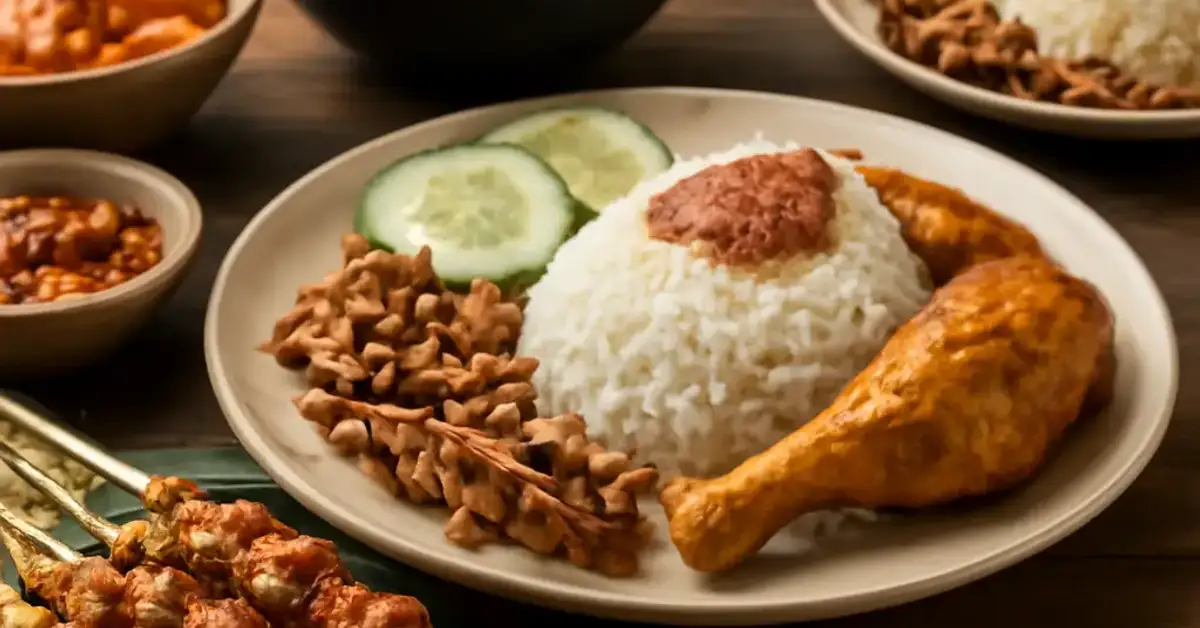
No list of authentic Malaysian food is complete without nasi lemak. This fragrant rice dish is cooked in coconut milk and pandan leaves, giving it a creamy, aromatic base. It’s typically served with spicy sambal, crispy anchovies, roasted peanuts, a hard-boiled egg, and a slice of cucumber. For many Malaysians, nasi lemak is the ultimate breakfast, but it’s enjoyed at all hours.
Why you must try it: Nasi lemak perfectly captures the soul of Malaysian cuisine — simple ingredients transformed into a symphony of flavors. Look for a stall that makes its sambal from scratch for the most authentic experience.
2. Rendang — Slow-cooked Spiced Meat
Rendang is often called the world’s most delicious beef dish, and for good reason. This slow-braised meat is simmered for hours in coconut milk with a paste of lemongrass, galangal, garlic, turmeric, and chilies. The result is incredibly tender, deeply spiced, and intensely flavorful.
Why you must try it: Rendang is a masterclass in patience and layering flavors. The best versions come from Minangkabau cooking traditions, where the meat is cooked until the liquid evaporates and the spices coat every strand of meat.
3. Satay — Grilled Skewers with Peanut Sauce
Satay is a beloved street food found everywhere in Malaysia. Marinated chunks of chicken, beef, or lamb are skewered and grilled over an open charcoal fire, then served with a rich, slightly sweet peanut sauce, ketupat (compressed rice cakes), and cucumber slices.
Why you must try it: The smoky char from the grill combined with the creamy, spicy peanut dip is a match made in heaven. It’s a social dish, perfect for sharing with friends over a cold drink.
4. Char Kway Teow — Stir-fried Noodles
This iconic hawker dish features flat rice noodles stir-fried over high heat with dark soy sauce, shrimp, Chinese sausage, bean sprouts, and eggs. A good char kway teow has a smoky “wok hei” flavor that only intense heat can produce.
Why you must try it: Char kway teow is comfort food at its finest. Look for a busy hawker stall where the flames leap high — that’s where the best char kway teow is made.
5. Laksa — Spicy Noodle Soup
Laksa comes in many regional variations, but the two most famous are Assam laksa (a tangy, fish-based broth) and curry laksa (rich, coconut-based broth). Both are loaded with noodles, herbs, and toppings like cockles, shrimp, or chicken.
Why you must try it: Laksa is the ultimate comfort soup. The combination of spicy, sour, and creamy flavors in a single bowl showcases the complexity of authentic Malaysian food.
6. Nasi Kandar — A Feast of Curries
Originally from Penang, nasi kandar is a style of serving steamed rice with an array of curries and side dishes. You can choose from fried chicken, okra, fried fish, bitter gourd, and hard-boiled eggs, all drenched in a signature curry sauce.
Why you must try it: Every nasi kandar stall has its own curry blend, and the best ones are guarded secrets. It’s a customizable, hearty meal that changes with every visit.
7. Cendol — The Perfect Cool Down
No meal is complete without dessert, and cendol is the quintessential Malaysian sweet treat. It’s a shaved ice dessert topped with green rice flour jelly, coconut milk, palm sugar syrup, and sometimes red beans or corn.
Why you must try it: After a spicy meal, cendol provides a refreshing, sweet finish. The contrast between the icy shavings and the rich, creamy coconut milk is pure bliss.
How to Find the Most Authentic Malaysian Food — Tips from Locals
It’s easy to fall into tourist traps, especially in popular cities like Kuala Lumpur, Penang, or Johor Bahru. Here’s how to ensure you’re eating genuine Malaysian cuisine:
- Eat at hawker centers and food courts — These bustling, no-frills settings are where locals eat daily. Look for stalls with long lines and older chefs.
- Ask hotel staff or Grab drivers — Locals know the hidden gems. Don’t hesitate to ask for recommendations, especially at breakfast time.
- Skip the fancy restaurants — Many high-end places modify dishes for foreign palates. The real authentic Malaysian food is found on plastic tables under fluorescent lights.
- Learn a few Malay food names — Knowing “nasi lemak,” “rendang,” and “teh tarik” will help you order with confidence and earn a smile from the vendor.
Common Mistakes Tourists Make When Trying Malaysian Cuisine
Even adventurous eaters can get tripped up. Avoid these pitfalls to fully enjoy must-try Malaysian dishes:
Mistake 1: Ordering without asking for spice level
Many dishes come spicy by default. If you’re not used to heat, ask for “kurang pedas” (less spicy) or “tak pedas” (not spicy).
Mistake 2: Sticking only to familiar cuisines
It’s tempting to order fried rice or chicken chop, but you’ll miss out on unique Malaysian flavors like rendang.
Mistake 3: Eating only in air-conditioned malls
The best Malaysian cuisine is often found in open-air hawker centers, not in sterile food courts. Embrace the heat and humidity — it’s part of the experience.
How to Recreate Authentic Malaysian Dishes at Home
If you can’t travel to Malaysia right now, you can still enjoy authentic flavors in your own kitchen. Here are some tips:
- Use fresh ingredients — Galangal, lemongrass, kaffir lime leaves, and fresh turmeric root make all the difference. Look for them in Asian grocery stores.
- Toast your spices — Dry-frying coriander seeds, cumin, and fennel before grinding intensifies their flavor.
- Don’t rush the sambal — A good sambal takes time. Fry the chili paste until the oil separates for the most vibrant taste.
- Start with one dish — Master nasi lemak or rendang before moving on to more complex recipes.
Many online resources and cookbooks are dedicated to Malaysian cuisine for home cooks.
Useful Resources
For deeper dives into authentic recipes, check out Rasa Malaysia, a trusted source for home-style Malaysian cooking. For cultural and historical context about Malaysia’s food heritage, the official Malaysia Tourism food page offers excellent guides.
Malaysian cuisine is a journey you don’t want to miss. Whether you’re planning a trip to Malaysia or exploring flavors at a local restaurant, the richness of these dishes will stay with you long after the last bite. Start with nasi lemak, work your way through rendang and satay, and don’t forget to finish with a bowl of cendol. The authentic experience is waiting — go taste it today.
Frequently Asked Questions About Malaysian cuisine
What is the most popular dish in Malaysian cuisine ?
Nasi lemak is widely considered the national dish of Malaysia and the most popular must-try Malaysian dish. It’s fragrant rice cooked in coconut milk, served with sambal, anchovies, and peanuts.
Is Malaysian cuisine very spicy?
Many authentic Malaysian food dishes use fresh and dried chilies, but you can often request a lower spice level. Dishes like nasi lemak and laksa are inherently spicy, while others like char kway teow are milder.
What are the must-try Malaysian dishes for beginners?
Start with nasi lemak, satay, and char kway teow. These dishes are approachable, widely available, and showcase the core flavors of Malaysian cuisine without being overwhelming.
What is the difference between Malaysian and Thai cuisine?
While both use aromatic herbs and spices, Malaysian cuisine tends to be richer and less reliant on fish sauce. Coconut milk, lemongrass, and turmeric are staples in both, but Malaysian food also features darker soy sauces and curry powders.
Can vegetarians enjoy Malaysian cuisine ?
Yes. Many authentic Malaysian food stalls offer vegetable versions of dishes. Look for vegetarian nasi lemak (with sambal without shrimp paste) and stir-fried vegetables with tofu.
What is the best time of day to eat Malaysian street food?
Breakfast and dinner are prime times for Malaysian cuisine street food. Many hawker stalls open for early morning nasi lemak or open at sunset for satay and noodle dishes.
Is halal food the same as Malaysian cuisine ?
Malaysian cuisine is primarily halal because the majority Muslim population follows halal dietary laws. However, there are also Chinese and Indian eateries that may serve non-halal dishes. Always check for halal certification if needed.
Where can I find the best rendang?
The best rendang is often found in Negeri Sembilan or at Minangkabau restaurants in Kuala Lumpur. Look for a dark, dry rendang that is intensely spiced — that’s the authentic style.
What is teh tarik?
Teh tarik is Malaysia’s iconic pulled milk tea. The drink is “pulled” between two cups to create a frothy top and cool it down. It’s sweet, creamy, and the perfect companion to spicy must-try Malaysian dishes.
How do locals eat nasi lemak?
Locals often eat nasi lemak with their hands — using the right hand to mix the rice, sambal, and sides together. It’s a tactile, satisfying way to enjoy authentic Malaysian food.
What is the difference between laksa and curry mee?
Laksa typically has a broth made with fish or coconut milk, while curry mee uses a thicker, more curry-like soup. Both are popular must-try Malaysian dishes, but laksa is more iconic.
Are there gluten-free options in Malaysian cuisine ?
Yes. Many authentic Malaysian food dishes like nasi lemak, rendang, satay, and grilled fish are naturally gluten-free. Avoid soy sauce-based dishes unless using a gluten-free tamari.
What is the most underrated Malaysian dish?
Many locals say curry laksa and roti canai are underrated by tourists. Roti canai is a flaky, crispy flatbread served with dal, but it’s often overshadowed by flashier dishes.
How can I tell if a satay stall is good?
A good satay stall will have a smoky aroma from the charcoal grill, high turnover, and freshly made peanut sauce. Look for a line of locals during peak dinner hours — it’s a solid sign of authentic Malaysian food.
Is Malaysian cuisine influenced by Chinese food?
Yes, Chinese immigrants brought noodles, soy sauce, wok cooking techniques, and char kway teow to Malaysia. These influences are now fully integrated into Malaysian cuisine.
What is a typical Malaysian breakfast?
A typical Malaysian breakfast includes nasi lemak, a soft-boiled egg with toast and kaya (coconut jam), or a bowl of curry laksa with tea. These are all must-try Malaysian dishes to start your day.
What is the best Malaysian food for a quick lunch?
Char kway teow and nasi kandar are excellent quick lunch options. Both are fast, filling, and packed with the bold flavors of authentic Malaysian food.
Are there any raw dishes in Malaysian cuisine ?
Ulam, a salad of fresh herbs and vegetables, is often eaten raw with sambal belacan. It’s a refreshing, healthy side in Malaysian cuisine.
What drinks pair best with Malaysian food?
Teh tarik, iced barley, and calamansi juice are classic pairings. Coconut water is also excellent to cool down the palate when eating spicy must-try Malaysian dishes.
Can I learn to cook Malaysian cuisine at home?
Absolutely. Many cookbooks and online courses teach authentic Malaysian food. Start with simple dishes like nasi lemak or sambal, then progress to rendang and laksa.