


Malaysian cuisine seafood dishes Key Takeaways
Malaysia sits at the crossroads of major trade routes, and its Malaysian cuisine seafood dishes reflect centuries of cultural exchange.
- Each dish showcases a unique regional influence, from Malay sambal to Chinese wok hei and Indian curry spices.
- You will find these plates everywhere: street stalls, casual kopitiams, and upscale seafood restaurants.
- Understanding the key ingredients and preparation styles helps you order with confidence and enjoy the best versions.
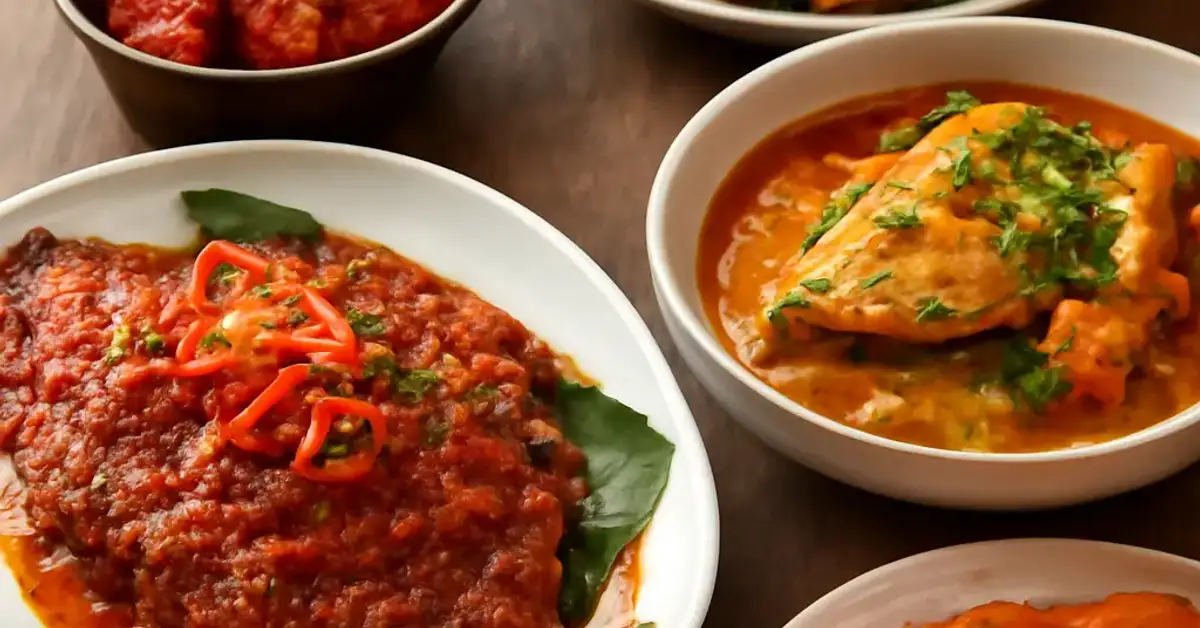
Why Malaysian Seafood Stands Out in Southeast Asia
Malaysia sits at the crossroads of major trade routes, and its Malaysian cuisine seafood dishes reflect centuries of cultural exchange. The country’s long coastlines on both the Peninsula and Borneo supply an incredible variety of fish, prawns, crabs, squid, and shellfish. Local cooks treat seafood with respect but never shy away from big flavors: tangy tamarind, fiery chilies, creamy coconut milk, and pungent fermented shrimp paste (belacan) appear again and again. For a related guide, see Malaysian Cuisine Guide: 7 Must-Try Local Favorites and Expert Tips.
What makes these dishes truly unmissable is the balance. A single plate can hit sweet, sour, salty, and spicy all at once, often with a smoky char from open-flame grilling or the intense heat of a wok. Whether you are eating at a bustling night market or a waterfront restaurant, the freshness of the catch is non-negotiable.
7 Essential Malaysian Seafood Dishes You Cannot Miss
The following list covers the most iconic Malaysian cuisine seafood dishes, ordered by how often locals crave them. Each entry explains what makes the dish special and where to find authentic versions. For a related guide, see 7 Reasons Malaysian Cuisine Is Loved (And Why You’ll Crave More).
1. Butter Prawns (Butter Udang)
Golden, crispy, and utterly addictive—butter prawns are a staple at Chinese-Malaysian seafood restaurants. Large prawns are deep-fried until the shells are brittle, then tossed in a rich, creamy sauce made from butter, evaporated milk, curry leaves, and chilies. The result is a sweet-savory coating that clings to every crevice. You crack the shells with your fingers and eat the whole thing; the sauce is so good you will want to mop it up with rice or mantou (fried buns).
Why unmissable: The contrast between crunchy shell and tender prawn meat, plus that luscious curry-leaf butter sauce, is pure comfort. Look for it at any reputable seafood restaurant in Kuala Lumpur or Penang.
2. Chili Crab
Ask any Malaysian to name their top best Malaysian seafood dish, and chili crab will almost always come up. Fresh mud crabs are wok-fried in a thick, glossy sauce made from tomato ketchup, chili paste, egg, and a touch of sugar. The sauce is sweet, tangy, and moderately spicy—perfect for dipping deep-fried mantou or steamed buns. Expect to get your hands messy; that is half the fun.
Why unmissable: The sauce is the star. It clings generously to every piece of crab and soaks into the mantou. This is a dish meant for sharing with a group over cold beers. Try it at Jalan Alor in Kuala Lumpur or at any seafood spot in Port Klang.
3. Asam Laksa (Spicy Tamarind Noodle Soup)
While many think of laksa as a coconut-based curry soup, Penang’s Asam Laksa is entirely different. Its broth is built around mackerel (ikan kembung), tamarind, lemongrass, galangal, and belacan, giving it a sour, savory, and deeply aromatic profile. The soup is poured over thick rice noodles and topped with shredded fish, cucumber, pineapple, mint, and a dollop of fiery chili paste. It is one of the most distinctive must-try Malaysian cuisine experiences.
Why unmissable: The combination of sour broth, fresh herbs, and flaky fish is incredibly refreshing, especially on a hot day. Penang’s Asam Laksa was even ranked by CNN as one of the world’s top 50 foods. Seek out a bowl at Air Itam Market in Penang.
4. Sambal Stingray (Ikan Bakar)
If you love grilled fish with serious heat, sambal stingray is your dish. A generous piece of stingray wing is slathered in a thick sambal belacan (chili-shrimp paste), wrapped in banana leaves, and grilled over charcoal until smoky and charred. The flesh is surprisingly meaty and flakes easily, absorbing all that spicy-sweet sambal. It is typically served with a squeeze of calamansi lime and a side of steamed rice.
Why unmissable: The smoky aroma from the charcoal grill paired with the intense sambal creates a flavor punch you cannot replicate at home. It is a nightly ritual at Malaysian ikan bakar stalls, especially along the coast in places like Batu Feringghi or Langkawi.
5. Fish Head Curry (Kari Kepala Ikan)
This dish originated from the Indian-Malaysian community and has become a national treasure. A large fish head (usually red snapper or grouper) is simmered in a rich, tangy curry made with coconut milk, tamarind, tomatoes, okra, and a blend of Indian spices. The flesh around the cheeks and collarbone is the most tender and prized. The curry itself is so flavorful that it demands multiple servings of rice.
Why unmissable: The depth of spice—cumin, fennel, fenugreek, and curry leaves—combined with the silky, gelatinous bits from the fish head makes this a unique textural experience. Visit Banana Leaf restaurants in Brickfields (Kuala Lumpur) or Little India in Penang for authentic versions.
6. Steamed Fish with Ginger and Spring Onion
Sometimes the simplest preparations reveal the highest quality. A whole fresh fish—typically siakap (barramundi) or kerapu (grouper)—is steamed to perfection and topped with julienned ginger, scallions, and a drizzle of light soy sauce and sesame oil. The fish is silky, moist, and clean-tasting. This dish is a benchmark for any Chinese-Malaysian seafood restaurant; get it wrong and the restaurant loses face.
Why unmissable: It showcases the purity of the seafood. If the fish is truly fresh, you do not need heavy sauces. This is the dish that locals order to judge a restaurant’s skill. Pair it with plain rice and a side of stir-fried kangkung (water spinach).
7. Otak-Otak (Grilled Fish Cake)
Otak-otak is a beloved street food snack and a brilliant example of Malaysian cuisine seafood dishes. A mixture of finely minced fish (usually mackerel), coconut milk, eggs, spices, and herbs is wrapped in banana leaves and grilled over charcoal. The result is a soft, custard-like cake that is fragrant, gently spicy, and slightly smoky. In Johor, the version is thicker and richer; in Penang, it is lighter and more pâté-like.
Why unmissable: The banana leaf wrapping infuses a grassy, earthy aroma that complements the delicate fish. Otak-otak is perfect as a snack or appetizer, and you will find it everywhere from morning markets to evening hawker stalls. Try it with a drizzle of sweet chili sauce.
Understanding the Best Malaysian Seafood: Key Ingredients
To appreciate these Malaysian cuisine seafood dishes, it helps to know the core ingredients that give them their character.
| Ingredient | Role in Dishes | Where It Shines |
|---|---|---|
| Sambal Belacan | Spicy, funky chili-shrimp paste base | Sambal stingray, fried rice, noodles |
| Asam (Tamarind) | Sour, fruity tang | Asam laksa, fish head curry, asam pedas |
| Curry Leaves | Aromatic, slightly citrusy | Butter prawns, fish head curry |
| Coconut Milk (Santan) | Rich, creamy body | Fish head curry, otak-otak, laksa lemak |
| Belacan | Fermented shrimp paste (umami bomb) | Sambal, dipping sauces, marinades |
| Kunyit (Turmeric) | Earthy color and mild bitterness | Grilled fish marinades, curries |
How to Choose the Right Restaurant for Malaysian Seafood
Not every seafood restaurant delivers the same quality. Follow these tips to ensure you enjoy the best Malaysian seafood experience possible.
Look for Crowded Local Spots
If a restaurant is packed with locals at 7 PM on a Tuesday, the seafood is almost certainly fresh and well-prepared. Avoid tourist-heavy areas where prices are inflated and quality may be inconsistent.
Check the Live Tanks
Most reputable seafood restaurants keep live fish, crabs, and prawns in tanks. If the tanks are clean and the seafood looks active, you are in good hands. If there are no tanks at all, ask how fresh their ingredients are.
Ask About Daily Catch
Fishermen supply restaurants differently in each region. In Penang, ask for ikan keli (catfish) or sotong (squid). In Kuala Lumpur, siakap (barramundi) is a safe bet. In East Malaysia (Sabah and Sarawak), look for ikan merah (red snapper) and giant river prawns.
Pairing Your Seafood Feast: Drinks and Sides
A great meal deserves great accompaniments. Here are the classic pairings that locals love with must-try Malaysian cuisine seafood dishes.
- Cold Beer: A bottle of Tiger or Carlsberg cuts through the richness of butter prawns and chili crab perfectly.
- Iced Lemon Tea (Teh O Ais Limau): The tartness balances spicy sambal and curry dishes.
- Mantou (Fried Buns): These soft, golden buns are designed to soak up every last drop of chili crab sauce or fish head curry.
- Stir-Fried Water Spinach (Kangkung Belacan): A simple vegetable side with belacan and chili that complements any seafood meal.
Useful Resources
For more in-depth information about Malaysian cuisine seafood dishes and where to find them, check out these reliable sources:
- MalaysiaKini Travel Guide: Best Seafood Spots by State – A comprehensive list of top-rated seafood restaurants across Malaysia, updated by local food critics.
- The Star: Classic Malaysian Seafood Dishes You Need to Try – An article that dives into the history and regional variations of key dishes like chili crab and asam laksa.
Malaysia’s seafood scene is one of the most exciting in the world. Whether you dive into a plate of buttery prawns or share a messy chili crab with friends, these Malaysian cuisine seafood dishes will leave you planning your next trip before you have finished your meal. Go ahead—order with confidence, eat with your hands, and enjoy every bite.
Frequently Asked Questions About Malaysian cuisine seafood dishes
What are the most popular Malaysian cuisine seafood dishes?
The most popular include butter prawns, chili crab, asam laksa, sambal stingray, fish head curry, steamed fish, and otak-otak. These dishes represent the diversity of Malay, Chinese, and Indian influences in Malaysian cooking.
Is Malaysian seafood spicy?
Many dishes use chilies and sambal, so they can be moderately to very spicy. However, you can often request less chili when ordering, especially at Chinese-style restaurants. Dishes like steamed fish with ginger are mild and showcase the pure flavor of the fish.
Where can I find the best Malaysian seafood in Kuala Lumpur?
Jalan Alor in Bukit Bintang is famous for its outdoor seafood stalls. For a sit-down experience, try Oversea Restaurant or Taman Connaught’s seafood street. In the Klang area, look for restaurants along the coast that specialize in chili crab.
What is the difference between Asam Laksa and Curry Laksa?
Asam Laksa has a sour, tamarind-based broth with mackerel and is not creamy. Curry Laksa (or Laksa Lemak) uses a rich, coconut milk-based curry broth. Both are Malaysian specialties, but Asam Laksa is more associated with Penang.
Do I need to order rice with seafood dishes?
Yes, most seafood dishes are served as lauk (side dishes) that pair with steamed white rice. The rice balances the strong flavors and helps you enjoy every bit of sauce. Fried mantou is a common alternative for dipping.
Is seafood in Malaysia affordable?
It depends on the setting. Street stalls and hawker centers offer dishes for RM 5–15 (USD 1–3). Sit-down seafood restaurants charge RM 20–50 per dish (USD 4–11). High-end restaurants serving live crab or lobster cost more.
What is belacan and why is it used so often?
Belacan is a fermented shrimp paste that has a very strong, savory, and slightly fishy flavor. It is a key ingredient in sambal and many marinades. When cooked, it adds deep umami that is essential to Malaysian cooking.
Can vegetarians find seafood dishes that work?
Strict vegetarians may struggle because many dishes contain shrimp paste or fish sauce. However, some restaurants can prepare vegetable versions of stir-fries and curries upon request. Otak-otak always contains fish, so it is not suitable.
What drink is best to cool down after spicy seafood?
Iced water with calamansi lime (limau ais) or a cold sugarcane juice is refreshing. Coconut water (air kelapa) is also excellent for its natural electrolytes and mild sweetness.
Is it safe to eat street food seafood in Malaysia?
Yes, as long as you choose busy stalls with high turnover. The seafood is typically cooked to order at high heat, which kills bacteria. Stick to stalls that look clean and have customers who are locals.
What is the best time of year for fresh seafood in Malaysia?
Monsoon season (November–January) can affect fishing on the east coast of Peninsular Malaysia. Generally, seafood is abundant year-round, but prices may rise during festive seasons like Chinese New Year and Hari Raya.
What fish is commonly used in Malaysian seafood dishes ?
Common fish include siakap (barramundi), kerapu (grouper), ikan merah (red snapper), ikan kembung (mackerel), and ikan pari (stingray). Each has a different texture and flavor profile, suited to steaming, grilling, or currying.
What is the best way to eat chili crab without making a mess?
There is no clean way—that is part of the experience. Use your hands to crack the claws and legs, and suck the sauce from each piece. Most restaurants provide wet towels and a finger bowl. Wear a bib if offered.
Are there halal seafood restaurants in Malaysia?
Many seafood restaurants in Malaysia are halal-certified, especially those run by Malay-Muslim owners. Chinese-Malaysian seafood restaurants may not be halal-certified, but they serve seafood that is generally permissible. Always check for a halal logo if it is important to you.
What is the difference between otak-otak from Johor and Penang?
Johor-style otak-otak is thicker, richer, and contains more coconut milk. Penang-style is thinner, more pâté-like, and often steamed rather than grilled. Both are delicious and use similar spices.
Can I find Malaysian seafood dishes outside Malaysia?
Yes, major cities with large Malaysian expat communities (Singapore, London, Sydney, Melbourne) have restaurants serving authentic Malaysian seafood. However, the quality of local ingredients may differ from what you would get in Malaysia.
What is the most expensive Malaysian seafood dish?
Live mud crab chili crab and large grouper fish head curry tend to be the priciest, often costing RM 60–120 per serving (USD 14–28). Lobster dishes in high-end restaurants can cost even more.
What is a typical Malaysian seafood feast for a group?
A typical feast includes one soup dish (fish head curry or tom yam), one grilled dish (sambal stingray), one fried dish (butter prawns), one steamed dish (steamed fish), and a vegetable side. Rice and drinks are shared.
Do I need to tip at seafood restaurants in Malaysia?
Tipping is not expected, but a 10% service charge is often added to the bill in sit-down restaurants. If no service charge is added, leaving small change is appreciated but not required.
What should I avoid eating if I have a shellfish allergy?
Avoid prawns, crabs, lobsters, and any dishes that use shrimp paste (belacan) or shrimp-based sauces. Many curry dishes may contain shrimp paste as a base, so always inform the restaurant about your allergy before ordering.