

Malaysian Cuisine Bucket List Key Takeaways
If you love bold, aromatic, and spicy food, building your Malaysian Cuisine Bucket List is one of the best decisions you can make.
- Your Malaysian Cuisine Bucket List should start with classics like nasi lemak, satay, and laksa — each dish tells a story of cultural fusion.
- Street food is the heart of Malaysian gastronomy; hawker centers and night markets offer the most authentic experiences.
- Don’t skip desserts — cendol, apam balik, and pisang goreng are just as iconic as savory staples.
What Makes the Malaysian Cuisine Bucket List Unmissable for Foodies
Malaysia sits at the crossroads of major trade routes, and its food reflects centuries of cultural exchange. The Malaysian Cuisine Bucket List isn’t just about eating — it’s about discovering how Malay spices, Chinese wok techniques, and Indian curry traditions merge into something entirely unique. Every state adds its twist, from the tangy asam laksa of Penang to the rich, coconut-heavy rendang of Negeri Sembilan. For food lovers, this diversity means you can travel across the country without ever leaving the table.
Your Malaysian Food Bucket List: 10 Dishes You Need to Try
These ten dishes form the backbone of the Malaysian food bucket list. Each one offers a distinct flavor profile and a glimpse into local life.
1. Nasi Lemak — The National Breakfast
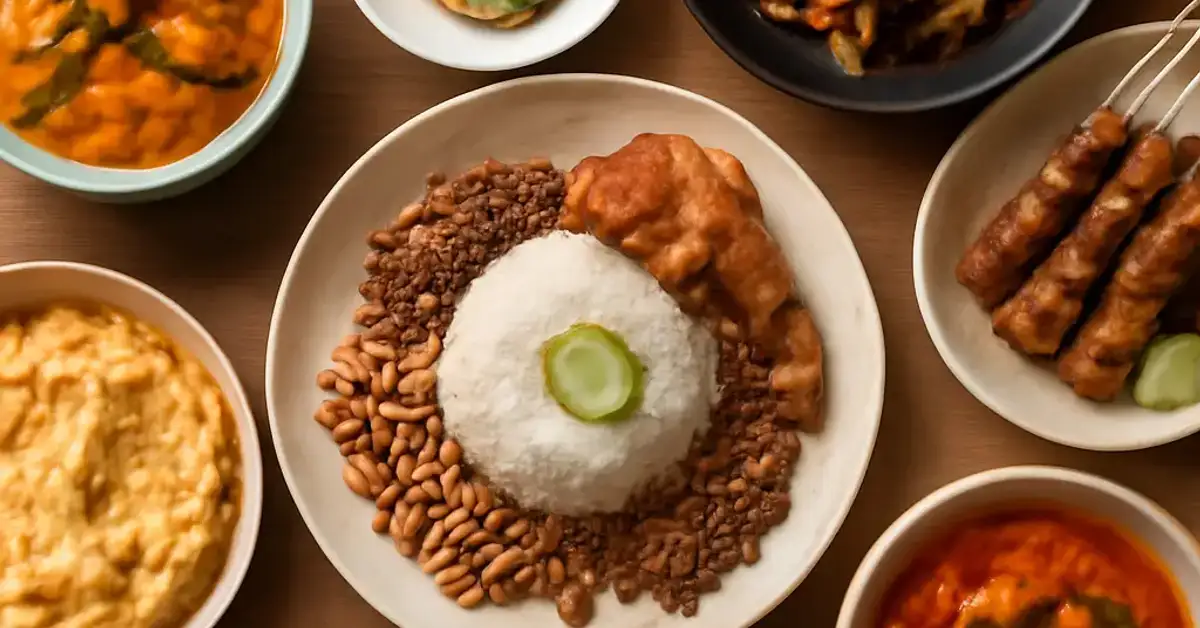
Fragrant coconut rice served with sambal, fried anchovies, peanuts, boiled egg, and a slice of cucumber. It’s simple yet packed with layers of flavor. Why it’s a must-try: nasi lemak is the dish Malaysians crave anytime, whether from a roadside stall or a fine-dining restaurant. The sambal — a spicy chili paste — is the soul of the dish.
2. Char Kway Teow — Wok-Fried Noodle Perfection
Flat rice noodles stir-fried over high heat with dark soy sauce, shrimp, cockles, chives, and egg. The char (burn) from the wok gives it a smoky aroma called wok hei. Why it’s a must-try: the balance of sweet, savory, and smoky flavors makes it one of the best Malaysian dishes for foodies who love stir-fried noodles. For a related guide, see 7 Reasons Malaysian Cuisine Is Loved (And Why You’ll Crave More).
3. Satay — Grilled Skewers with Peanut Sauce
Marinated chicken or beef skewers grilled over charcoal, served with a rich peanut dipping sauce, ketupat (compressed rice cakes), and cucumber relish. Why it’s a must-try: the combination of tender, smoky meat and creamy, slightly spicy peanut sauce is addictive. Street vendors in Kajang are especially famous for this dish.
4. Laksa Lemak — Spicy Coconut Noodle Soup
A creamy, spicy soup made with coconut milk, lemongrass, galangal, and chili, served with thick rice noodles or vermicelli. Toppings include shredded chicken, prawns, hard-boiled eggs, and crisp bean sprouts. Why it’s a must-try: the velvety broth is both comforting and fiery, showcasing the richness of Malaysian home cooking.
5. Rendang — Slow-Cooked Dry Curry
Beef (or chicken) simmered for hours in coconut milk and a paste of lemongrass, ginger, turmeric, and chili until the liquid evaporates and the meat becomes tender. Why it’s a must-try: rendang is often called the king of Malaysian curries. The deep, caramelized spices create a flavor that lingers long after the last bite.
6. Roti Canai — Flaky Flatbread with Curry
A crispy, layered flatbread cooked on a griddle, served with dhal or curry dipping sauce. Some versions include egg, onion, or even chocolate. Why it’s a must-try: watching a roti maker flip and stretch the dough is a performance in itself. The contrast between the crisp exterior and soft interior makes every bite satisfying.
7. Assam Laksa — Sour Fish Noodle Soup
A tangy, spicy fish-based soup from Penang, made with mackerel, tamarind, lemongrass, and fresh mint. Toppings include cucumber, onion, and pineapple slices. Why it’s a must-try: the sour kick from tamarind and the fragrance of mint set this apart from any other noodle soup. It’s a refreshing, bold experience.
8. Cendol — Icy Coconut Dessert
Shaved ice topped with green rice flour jelly, coconut milk, palm sugar syrup, and sometimes red beans or sweet corn. Why it’s a must-try: cendol is the ultimate tropical cooler. The combination of creamy coconut, rich gula melaka (palm sugar), and chewy jelly is pure bliss on a hot day.
9. Nasi Kandar — Rice with a Curry Feast
Steamed rice accompanied by a selection of curries, fried chicken, fish, okra, and hard-boiled eggs. The hallmark is the “banjir” (flood) technique, where curry gravies are poured over the rice. Why it’s a must-try: every plate is customizable, and the mix of gravies creates a complex, layered flavor that changes with every spoonful.
10. Apam Balik — Crispy Peanut Pancake
A thick, crispy pancake filled with crushed peanuts, sugar, and creamed corn, folded like a half-moon. Some versions include chocolate or cheese. Why it’s a must-try: the contrast between the crunchy edges and the soft, sweet filling makes this street snack irresistible. It’s comfort food at its simplest.
How to Build Your Best Malaysian Dishes for Foodies Itinerary
To get the most out of your culinary journey, plan your route around Malaysia’s food capitals. Penang is the undisputed street food capital — head to Gurney Drive or Chulia Street for char kway teow and assam laksa. Kuala Lumpur offers nasi lemak at Village Park and roti canai at any mamak stall. For authentic nasi kandar, Penang’s Line Clear is legendary. Always eat where the queues are long; locals know the best spots. Best Malaysian dishes for foodies often come from humble hawker stalls, so don’t be shy about plastic tables and disposable chopsticks. For a related guide, see 7 Must-Try Malaysian Dishes for Tourists in Kuala Lumpur.
Making the Most of Your Malaysian Cuisine Bucket List Trip
Timing matters. Breakfast is the best time for nasi lemak, while satay and nasi kandar shine at lunch or dinner. Bring cash — many hawker stalls don’t accept cards. Start with a small portion of unfamiliar dishes; you can always order more. Share plates with friends to try more items without overeating. And always carry a bottle of water — the spice level in some sambals can catch you off guard.
Useful Resources
For a deeper dive into Malaysian food culture, check out these trusted sources:
- Tourism Malaysia – Food and Drink — official guide to regional specialties and food trails across the country.
- Serious Eats – Malaysian Food Guide — detailed explanations of key dishes, ingredients, and cooking techniques.
Frequently Asked Questions About Malaysian Cuisine Bucket List
What is the most popular dish in Malaysia?
Nasi lemak is widely considered the national dish, but char kway teow and satay are also top contenders.
Is Malaysian food very spicy?
Many dishes use chili and sambal, but spice levels vary. You can often request less spicy versions at hawker stalls.
What are the best Malaysian dishes for foodies who don’t eat spicy food?
Roti canai, nasi lemak (without sambal), and char kway teow (mild versions) are good options. Hainanese chicken rice is also mild.
Where can I try the best street food in Malaysia?
Penang, especially George Town, is famous for street food. Kuala Lumpur’s Jalan Alor and Petaling Street markets are also excellent.
What is the difference between laksa lemak and assam laksa?
Laksa lemak uses a creamy coconut milk base, while assam laksa uses tamarind for a sour, tangy broth.
Are there vegetarian options in Malaysian cuisine ?
Yes — roti canai, vegetable curry, tofu dishes, and many stir-fried noodles can be made vegetarian. Always confirm with the vendor.
How do I eat nasi lemak properly?
Use your right hand to mix the rice, sambal, and toppings together, then scoop small portions. Alternatively, use a spoon and fork.
What drinks pair well with Malaysian food?
Teh tarik (pulled milk tea), sugarcane juice, and cold barley drinks are popular choices to balance the heat.
Is street food safe to eat in Malaysia?
Generally yes — hawker stalls have high turnover, meaning food is cooked fresh. Stick to busy stalls with visible cooking.
What is halal certification in Malaysia?
Most Malay and Indian Muslim eateries are halal-certified by JAKIM. Non-halal Chinese restaurants usually display a pork-free sign.
Can I find Malaysian cuisine outside Malaysia?
Yes — large cities like Singapore, London, Sydney, and New York have Malaysian restaurants. The flavors may be slightly adapted.
What is the best time to visit Malaysia for food?
Any time is good. Ramadan offers special bazaar food at night. Chinese New Year and Deepavali also bring seasonal specialties.
What is durian and should I try it?
Durian is a spiky fruit with a strong smell and custard-like flesh. It’s divisive — many love it, some hate it. It’s worth trying once.
How do I order food at a hawker center?
Find a table, then order directly at the stall. Pay when food arrives. Some stalls give you a numbered ticket.
What is the difference between nasi kandar and nasi lemak?
Nasi kandar is plain rice served with a variety of curries and side dishes, while nasi lemak is coconut rice with sambal and standard accompaniments.
Is Malaysian food similar to Indonesian food?
They share roots in Malay cuisine but differ due to Chinese and Indian influences in Malaysia and Dutch influences in Indonesia.
What is the most expensive dish in Malaysia?
Not dish, but ingredient — bird’s nest soup made from swiftlet nests can be costly. High-end seafood like lobster also commands high prices.
What should I avoid eating in Malaysia?
Raw or undercooked meat and unwashed fruits from street stalls. Tap water is not recommended for drinking.
How do I find authentic Malaysian food stalls?
Look for queues of locals, worn-out menus, and a single specialty dish. Avoid places with aggressive touts.
What dessert should I try in Malaysia?
Cendol, apam balik, and kuih lapis are classic. Also try ice kacang — shaved ice with syrup, jelly, and sweet corn.