

Johor Food Specialties Key Takeaways
Johor’s culinary landscape is a vibrant tapestry woven from Malay, Chinese, Indian, and Indonesian influences, making its food specialties a must-try for anyone exploring Malaysian cuisine culture .
- Johor Food Specialties like Laksa Johor and Mee Rebus offer unique flavor profiles distinct from other Malaysian states.
- Many dishes have deep roots in the state’s history as a trading hub and former seat of the Johor Sultanate.
- Authentic versions are best found at traditional warungs (eateries), pasar malams (night markets), and specialized restaurants.
What Makes Johor Food Specialties So Unique in Malaysian Cuisine Culture?
Johor, the southernmost state in Peninsular Malaysia, is a crossroads of cultures. Its capital, Johor Bahru, sits just across the causeway from Singapore, creating a dynamic culinary exchange. But look deeper, and you will find a Johor culinary heritage that is proudly its own. The state’s history as a powerful sultanate and an ancient trading port introduced Indian spices, Chinese cooking techniques, and Javanese influences, particularly from early Bugis and Javanese settlers. This blend results in traditional Johor dishes that are often richer, more aromatic, and more complex than those found elsewhere in the country. They frequently use coconut milk, tamarind, fresh turmeric, and a heavier hand with spices, creating an unforgettable must-eat Johor food experience. For a related guide, see Penang Malaysian Cuisine Every Traveler Must Try: 7 Essential Dishes.
1. Laksa Johor: The Crown Jewel of Johor Food Specialties
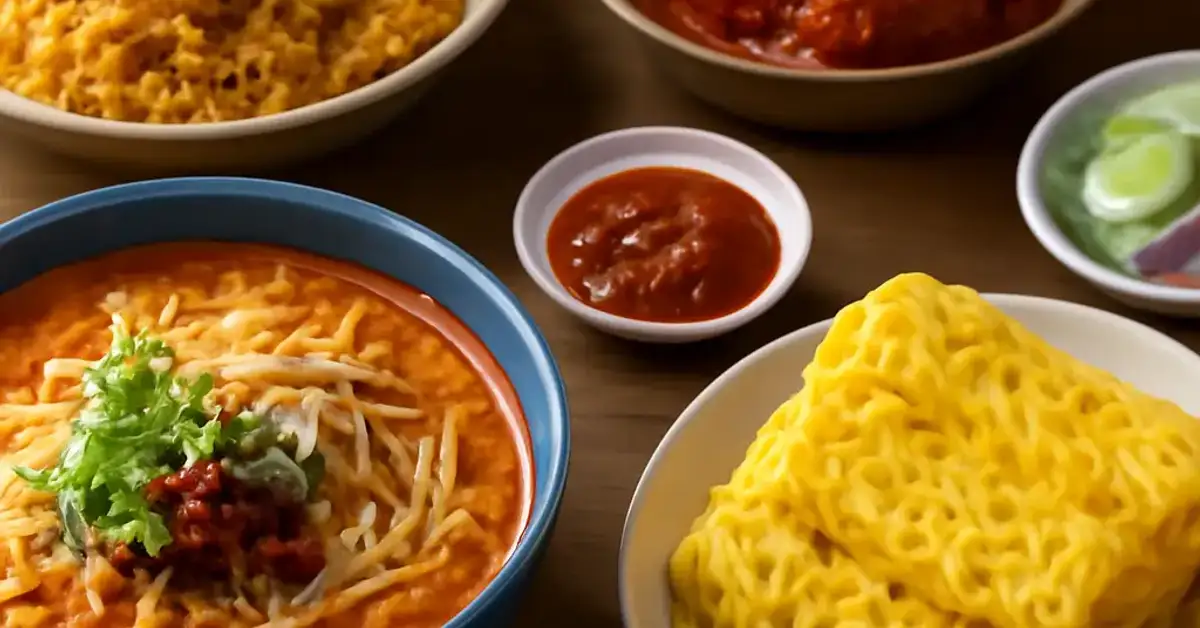
Unlike the more common Penang or Curry Laksa, Laksa Johor is a thick, spaghetti-like noodle dish bathed in a rich, creamy fish-and-coconut gravy. The base is typically made from Ikan Kembung (mackerel), blended with a rempah (spice paste) of shallots, garlic, galangal, and turmeric. The use of spaghetti instead of rice noodles is a nod to Portuguese influence from the 16th century, adopted and perfected by the local community.
What to Expect on Your Plate
The dish is usually served with a generous dollop of sambal belacan (shrimp paste chili), fresh bean sprouts, sliced red onions, cucumber, and a hard-boiled egg. The flavor is savory, slightly sweet, and deeply aromatic. You can find stellar versions at Restoran Laksa Johor near the Sultan Abu Bakar Mosque in Johor Bahru, or at many traditional markets like Pasar Larkin on weekends.
2. Mee Rebus Johor: A Hearty, Sweet, and Savory Comfort Bowl
Mee Rebus translates to “boiled noodles,” but the dish is so much more. In Johor, the gravy is the star. It is made from a thick, starchy blend of sweet potatoes, fermented soybeans (taucu), and a complex spice mix, cooked down with dried shrimp for an umami punch. The texture is almost like a thick stew, clinging beautifully to yellow egg noodles.
Where to Find the Most Authentic Versions
This is a breakfast staple found at countless coffee shops and street stalls across the state. For one of the best bowls, visit the famous Warung Pokok Cherry in Johor Bahru, which has been serving this dish for generations. A squeeze of calamansi lime and a sprinkle of fried shallots are essential to balance the richness.
3. Otak-Otak Johor: A Spicy, Steamed Fish Custard Parcel
While Otak-Otak is popular throughout Malaysia, the Johor version is uniquely wrapped in a banana leaf parcel and steamed until it becomes a soft, mousse-like custard. The filling is a delicate blend of minced Spanish mackerel, coconut milk, egg, and a wealth of aromatic herbs like galangal, lemongrass, and daun kesum (Vietnamese coriander).
Why It’s a Must-Try
The steaming process creates a texture that is silky and moist, a contrast to grilled versions from other regions. The banana leaf imparts a subtle, grassy aroma that is unmistakable. You can pick up fresh Otak-Otak from wet markets like Pasar Malam Taman Johor or specialized shops along the coastal towns of Batu Pahat and Pontian. It’s the perfect snack to showcase the state’s mastery of herbs and mild seafood flavors.
4. Burasak: The Traditional Johor Ketupat
Burasak is a cornerstone of Johor culinary heritage, especially during the Hari Raya (Eid) festivities. Unlike the simple rice cube of regular ketupat, Burasak is made from glutinous rice that is cooked in coconut milk, wrapped in a conical shape using daun pokok pisang (banana leaves), and then boiled until perfectly tender. It has a rich, creamy texture and a faintly sweet taste from the coconut.
How It Is Served
Burasak is typically served with rendang daging (spicy beef stew) or serunding (spiced meat floss). Breaking open the leaf parcel releases an incredible fragrance. To taste it outside of festive seasons, look for it at traditional gedung makanan (food halls) or restaurants in Muar, the royal town of Johor. You can also call ahead to specialist cake shops like Kek Zaiton in Johor Bahru, which sometimes carries it as a special order.
5. Roti Jala: The Lacy Pancake for Curry Lovers
Roti Jala translates to “net bread,” a perfect description for these delicate, lacy pancakes made from a thin batter of flour, egg, and coconut milk. The batter is poured from a special perforated mold, creating a web-like pattern. It is then folded into triangles and served as a side dish, not a main.
Perfect Pairing and Where to Try It
Roti Jala is the ideal vehicle for sopping up rich gravies like Kari Ayam (chicken curry) or the sweet, syrupy Pajeri Nenas (pineapple curry). It can also be eaten on its own with a drizzle of gula Melaka (palm sugar) syrup for a sweet treat. Many restaurants like Restoran ZZ Tomyam include Roti Jala as part of their offering. The best are freshly made to order, warm and slightly crispy on the edges.
6. Pisang Goreng Johor: The Street Food Champion
Across Malaysia, Pisang Goreng (banana fritters) is a beloved snack, but the Johor version has a signature twist. The batter uses a mix of rice flour and tempura flour, sometimes with a pinch of salt and sugar, but the secret of many Johor vendors is the addition of crushed roti canai dough or mashed potato into the batter. This creates a uniquely crispy, almost bubbly shell that stays crunchy for hours, not the oily, limp fritter you might find elsewhere.
Where to Hunt for the Best Ones
This is a quintessential must-eat Johor food from a roadside stall. The best ones are made with the sweet, stubby Pisang Raja or the larger Pisang Nangka. Make sure they are fried in fresh oil. Look for lines during tea time at famous stalls around Taman Molek or Kampung Melayu Majidee in Johor Bahru.
7. Tauhu Bakar Johor: Grilled Tofu with a Fiery Kick
This is a humble dish that showcases the brilliance of Johor’s kitchen. Blocks of firm tofu are grilled over hot coals until they are smoky on the outside and soft inside. They are then sliced and served with a thick, dark, and intensely savory peanut sauce, alongside fresh cucumber and bean sprouts.
The Secret Is in the Sauces
The peanut sauce in Johor’s Tauhu Bakar is different from the usual satay sauce. It is often much thicker, darker, and richer in flavor, sometimes incorporating tempoyak (fermented durian) for an extra layer of pungent, creamy complexity. You can find this served at many warung malam (night stalls) or at dedicated satay houses. The combination of smoky, soft tofu with the punchy sauce is a perfect representation of Johor’s Malaysian cuisine culture at its most inventive.
| Dish | Key Ingredient | Best Time to Eat | Where to Find (JB Area) |
|---|---|---|---|
| Laksa Johor | Mackerel, Coconut Cream | Lunch/Dinner | Restoran Laksa Johor |
| Mee Rebus | Sweet Potato Gravy | Breakfast/Brunch | Warung Pokok Cherry |
| Otak-Otak | Spanish Mackerel | Snack | Pasar Malam Taman Johor |
| Burasak | Glutinous Rice, Coconut | Festive Season | Kek Zaiton (special order) |
| Roti Jala | Egg, Coconut Milk | Tea Time | Restoran ZZ Tomyam |
| Pisang Goreng | Bananas, Special Batter | Tea Time | Taman Molek Stalls |
| Tauhu Bakar | Tofu, Peanut Sauce | Evening | Night Markets |
Conclusion: Why Johor Food Specialties Reflect the Heart of Malaysian Cuisine Culture
Exploring these seven Johor food specialties is like taking a masterclass in the history and diversity of Malaysia itself. Each dish is a chapter, telling tales of spice routes, royal feasts, Javanese migration, and Portuguese influence, all harmonized by a unique Malay identity. The state’s cuisine champions bold, layered flavors without being overly spicy, making it approachable for any adventurous food lover. Whether you are dipping a lacy Roti Jala into a rich curry or breaking open a steamy Burasak leaf, you are tasting the cultural melting pot that makes Malaysian cuisine culture so incredibly special. So next time you are in Johor, eat your way through the state. Your taste buds will thank you for the journey. For a related guide, see 7 Best Halal Malaysian Cuisine Spots Popular Among Locals.
Useful Resources for Your Johor Food Adventure
For more authentic recipes and stories, check out the local culinary archive at Johor Now, a fantastic blog dedicated to the state’s food scene. You can also find valuable guides and restaurant reviews at The Wandering Foodie’s Malaysian Food Guide.
Frequently Asked Questions About Johor Food Specialties
Is Laksa Johor very spicy?
No, typical Laksa Johor is not extremely spicy. The heat comes mostly from a dollop of sambal that you add yourself, allowing you to control the spice level. The gravy itself is rich and savory rather than fiery.
What is the difference between Mee Rebus and Mee Goreng?
Mee Rebus is a noodle soup with a thick, sweet and savory gravy, while Mee Goreng is a stir-fried noodle dish. In Johor, Mee Rebus is especially known for its rich sweet potato-based gravy.
Can I find vegetarian options among traditional Johor dishes ?
Yes, but they are rare. Roti Jala is often served with curries that are suitable for vegetarians if the curry is based on vegetables like pineapple (Pajeri Nenas). However, most dishes like Laksa Johor and Mee Rebus contain seafood or shrimp paste.
When is Burasak typically available?
Burasak is a festive dish, most commonly made during the month of Ramadan and for Hari Raya Aidilfitri. It can be hard to find at other times of the year unless you order in advance from a specialist shop.
What is the best drink to pair with Johor food?
A cold glass of Teh Tarik (pulled milk tea) or a fresh Air Tebu (sugarcane juice) with a squeeze of lime is a perfect companion for the rich, spicy flavors of Johor cuisine.
Is Otak-Otak Johor halal?
Yes, traditional Otak-Otak Johor is halal. It is made with fish (mackerel), coconut milk, eggs, and spices. It is a popular dish for both Malay and Chinese Muslim communities.
What is the origin of Roti Jala?
The name “Roti Jala” means “net bread” in Malay. It is a traditional Malay dish, often served at festive occasions and it is believed to have originated from the cultural influences of the Malay Sultanate.
What type of tofu is used in Tauhu Bakar?
Firm white tofu (tauhu putih) is traditionally used for Tauhu Bakar in Johor. It is grilled until the outside is slightly charred and the inside remains silky soft.
Is Johor food generally expensive?
No, Johor food is very affordable. You can enjoy a hearty meal of Laksa Johor or Mee Rebus at a street stall for a few Malaysian Ringgit. Prices are slightly higher at sit-down restaurants but still very reasonable.
What is a rempah in Johor cooking?
A rempah is a spice paste made by grinding fresh aromatics like shallots, garlic, ginger, turmeric, and lemongrass. It is the fundamental flavor base for almost all traditional Johor dishes.
Can I buy Johor food online?
Some items, like vacuum-packed Otak-Otak or bottles of Laksa Johor paste, are available from online specialty stores. However, dishes like Roti Jala and Mee Rebus are best enjoyed fresh and on-site.
What is the difference between Laksa Johor and Laksa Lemak?
Laksa Lemak generally refers to a coconut-milk-based laksa from other states. Laksa Johor is unique because it uses spaghetti, has a very thick, rich gravy from ground fish and coconut, and is often sweeter and more aromatic.
Where is the best place to find street food in Johor Bahru?
Jalan Wong Ah Fook in the city center is famous for its bustling street food scene at night. Pasar Larkin is another excellent spot during the day for a wide variety of local dishes and fresh produce.
Is Mee Rebus always sweet?
It has a naturally sweet note from the sweet potatoes, but it should not be cloyingly sweet. The saltiness from fermented soybeans and dried shrimp balances the flavor profile perfectly.
What is serunding that is served with Burasak?
Serunding is a dry, spiced meat floss, usually made from beef or chicken. It is cooked with coconut milk and a blend of spices until all the moisture evaporates, resulting in a flavorful, fibrous crumb that pairs beautifully with the creamy Burasak.
Are there any Johor desserts I should try?
Yes! Try Pulut Inti (glutinous rice with sweet coconut filling), Kuih Talam (two-layered pandan and coconut cake), or a simple bowl of Bubur Kacang Hijau (mung bean dessert soup with coconut milk).
What is tempoyak used in Tauhu Bakar?
Tempoyak is fermented durian paste. It has a pungent, savory, and slightly tangy flavor. In Johor, it is sometimes added to sauces for grilled tofu or even curries to give a unique depth of flavor.
Is it safe to eat street food in Johor?
Yes, street food in Johor is generally safe and popular among locals. Look for stalls with high turnover, where the food is cooked fresh in front of you. High hygiene standards are common in busy market areas.
What is the traditional way to eat Laksa Johor?
Traditionally, you do not pick up the bowl to drink the soup. You use a spoon and fork to twirl the spaghetti noodles and eat them with the gravy. The remaining broth is the seasoning, not the main drink.
Can I find Johor food in Kuala Lumpur?
Yes, some restaurants in KL specialize in Johor cuisine, such as Restoran Laksa Johor JB in Kampung Baru. However, the most authentic versions are still found in Johor itself, where the local recipes are deeply cherished.