


Malaysian cuisine reflects multicultural heritage Key Takeaways
Malaysia’s food is a living tapestry woven from Malay, Chinese, Indian, and indigenous traditions.
- Three major ethnic groups—Malay, Chinese, and Indian—contribute distinct techniques, spices, and dishes that blend into beloved fusion classics.
- Signature plates like nasi lemak, laksa, and roti canai are edible symbols of harmony, created over centuries of shared markets and kitchens.
- Understanding Malaysian food culture means tasting stories of migration, adaptation, and celebration that continue to evolve today.
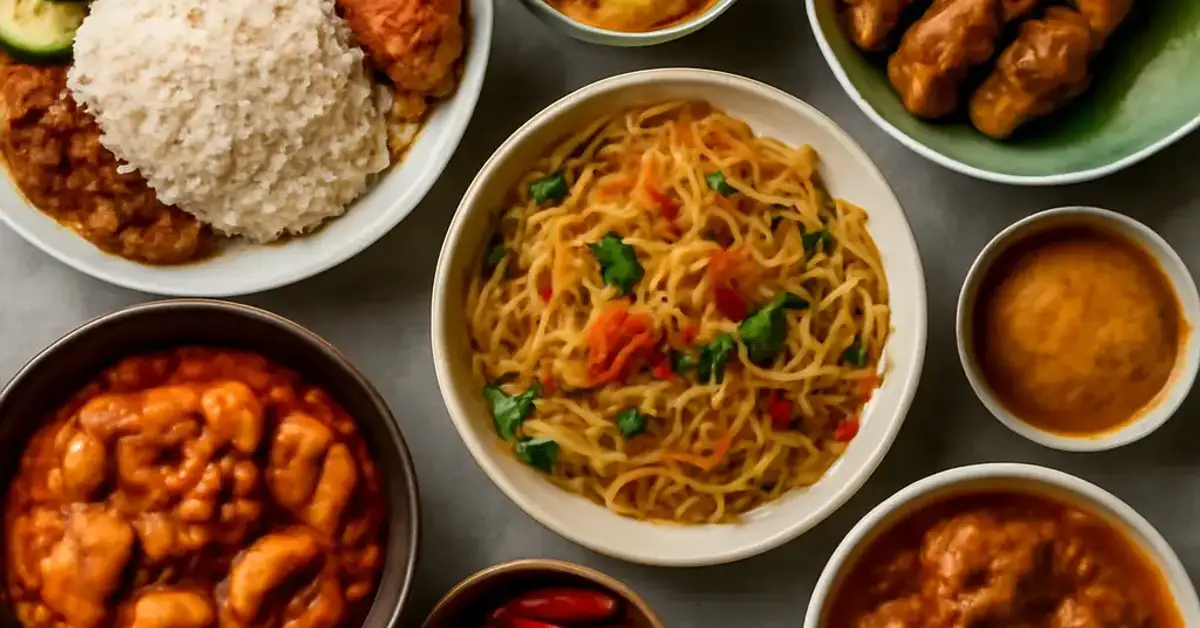
What Makes Malaysian Cuisine a True Multicultural Melting Pot
Walk through any Malaysian city—Penang, Kuala Lumpur, Malacca—and the air smells like curry, lemongrass, soy sauce, and coconut. That aroma is history. For centuries, traders from India, China, the Middle East, and Europe docked at the Strait of Malacca, leaving behind ingredients and techniques that fused with local Malay cooking. The result? A Malaysian cuisine reflects multicultural heritage unlike any other in Southeast Asia.
Malaysian food culture is not a single tradition but a conversation. Malay cooks use coconut milk, turmeric, and chili. Chinese hawkers stir-fry noodles with dark soy and lard. Indian mamak stalls flip roti canai and brew pulled teh tarik. These streams converge in dishes that belong to everyone. Let’s explore the three foundational pillars and the fusion masterpieces they birthed. For a related guide, see 7 Malaysian Cuisine Fusion Dishes You Must Try for a Bold Taste.
The Malay Pillar: Earthy Spices and Coconut-Rich Traditions
Malay cooking forms the baseline of Malaysian identity. It relies on fresh herbs like lemongrass, galangal, and kaffir lime leaves, along with dried spices such as cumin, fennel, and star anise. The quintessential Malay cooking technique is rempah—a labor-intensive spice paste pounded from shallots, garlic, ginger, chili, and belacan (shrimp paste).
Classic Malay dishes include nasi lemak, fragrant coconut rice served with sambal, fried anchovies, peanuts, and boiled egg. Other staples are rendang (slow-cooked beef in coconut milk and spices) and satay (grilled skewered meat with peanut sauce). These dishes show how Malay cuisine centers on balance—spicy, savory, sweet, and pungent all at once.
The Role of Indigenous Ingredients in Malay Cooking
Before outside influences arrived, indigenous Malay communities foraged wild ginger, pandan leaves, and bamboo shoots. The Orang Asli (original peoples) contributed techniques like cooking in bamboo tubes. These ancient practices still appear in dishes like lemang (glutinous rice cooked in bamboo) served during festive seasons.
Chinese Influence: Wok Hei, Noodles, and Fermented Flavors
Chinese immigrants—primarily Hokkien, Cantonese, and Teochew—brought wok cooking, noodle-making, and fermentation techniques. They introduced soy sauce, oyster sauce, five-spice powder, and tofu. In Malaysia, Chinese vendors adapted their recipes to local palates, creating bold, spicy versions of regional dishes.
Key Chinese-Malaysian dishes include char kway teow (flat rice noodles stir-fried with shrimp, Chinese sausage, and bean sprouts in dark soy), Hainanese chicken rice (poached chicken with fragrant rice and chili-ginger dip), and bak kut teh (pork rib soup simmered in herbal broth). The intense smoky flavor from high-heat wok cooking—wok hei—is a hallmark of Malaysian Chinese street food.
Nyonya Cuisine: The Original Chinese-Malay Fusion
The Peranakan (Straits Chinese) community, descendants of early Chinese merchants and local Malay women, created Nyonya cuisine. It combines Chinese techniques like stir-frying with Malay ingredients like coconut milk, turmeric, and belacan. Signature dishes include laksa lemak (coconut curry noodle soup) and ayam pongteh (chicken braised in fermented soybean paste). Nyonya cooking is a living example of how Malaysian cuisine reflects multicultural heritage through daily family meals.
Indian Contributions: Spices, Flatbreads, and Teh Tarik
Indian traders and laborers brought curry leaves, mustard seeds, cardamom, and the art of bread-making. Tamil Muslim (Mamak) stalls became iconic fixtures, offering roti canai (crispy layered flatbread), nasi biryani, and murtabak (stuffed pancake). The unmistakable teh tarik—pulled milk tea frothed by pouring between two cups—is a Malaysian Indian invention now beloved nationwide.
Indian influence extends to curry preparations, both fish and chicken, which often feature a lighter, tangier base compared to Malay rendang. The use of tamarind and fenugreek adds sour and bitter notes that balance rich dishes. Mamak stalls operate 24/7, making them social hubs where Malaysians of all backgrounds gather over roti and curry.
Three Iconic Fusion Dishes That Prove Malaysian Cuisine Reflects Multicultural Heritage
These dishes are not just food—they are edible identity cards. Each tells a story of cross-cultural collaboration.
| Dish | Origin Influence | Key Ingredients | Cultural Significance |
|---|---|---|---|
| Nasi Lemak | Malay base, Chinese sambal variations, Indian side dishes | Coconut rice, sambal ikan bilis, fried chicken, egg, cucumber | National dish; eaten for breakfast, lunch, dinner across all ethnic groups |
| Laksa | Nyonya (Chinese-Malay) with Indian curry influence | Rice noodles, coconut curry broth (lemak) or tamarind-based (asam) | Regional pride; Penang asam laksa vs. Nyonya laksa lemak |
| Roti Canai | Indian dal-based flatbread, adopted by Malay and Chinese vendors | Flour, ghee, water; served with dhal or curry | Mamak stall icon; often eaten with teh tarik |
Each dish has countless variations. A nasi lemak stall might offer Chinese-style fried chicken alongside Malay sambal. Laksa broth can differ from one hawker to the next. This adaptability is the heart of Malaysian food culture—it never stops evolving.
Cultural Significance: How Food Unites a Diverse Nation
In Malaysia, food is the great equalizer. At Ramadan bazaars, Malay, Chinese, and Indian vendors set up side by side. Deepavali and Chinese New Year open houses welcome neighbors of all faiths to feast. The phrase makan! (eat!) cuts across language barriers.
Fusion dishes like nasi kandar (rice with multiple curries) originated when Indian Muslim hawkers combined Malay-rendang, Chinese-tofu, and Indian-spiced vegetables on one plate. Today, Malaysian cuisine reflects multicultural heritage in school canteens, five-star hotels, and roadside stalls equally. It’s not just about taste—it’s about belonging.
The fusion dishes Malaysia produces are never forced; they emerge organically from shared living and commerce. A recent trend sees young chefs riffing on traditional recipes with global ingredients, adding Japanese miso to laksa or Korean kimchi to nasi lemak. Yet the soul remains anchored in three ancient culinary lineages.
Useful Resources
For deeper exploration of Malaysian food history and recipes, visit these authoritative sources:
- Nyonya Cooking — A comprehensive site dedicated to Peranakan and Malaysian recipes, with historical context for each dish.
- Tourism Malaysia – Malaysian Food — Official tourism board guide to regional cuisines, street food guides, and cultural food festivals across the country.
Frequently Asked Questions About Malaysian cuisine reflects multicultural heritage
What is the most famous dish that Malaysian cuisine reflects multicultural heritage ?
Nasi lemak is widely considered the national dish and the best example of how Malaysian cuisine reflects multicultural heritage because it combines Malay coconut rice, Chinese fried chicken or sambal variations, and Indian-style side dishes like pickled vegetables. For a related guide, see 7 Essential Vegetarian Options in Malaysian Cuisine You Must Try.
How did Chinese immigrants influence Malaysian food culture ?
Chinese immigrants introduced wok cooking, noodles, soy sauce, and fermentation techniques. They adapted recipes to local tastes, creating dishes like char kway teow and Hainanese chicken rice that are now integral to Malaysian food culture.
What is the role of Indian cuisine in Malaysian food?
Indian cuisine contributed curry spices, flatbreads like roti canai, and the iconic pulled tea teh tarik. Mamak stalls, run by Tamil Muslims, are beloved 24-hour eateries where all Malaysians share meals.
What is Nyonya cuisine?
Nyonya cuisine is a fusion of Chinese ingredients and techniques with Malay spices and herbs, created by Peranakan (Straits Chinese) communities. Signature dishes include laksa lemak and ayam pongteh.
Why is Malaysian food so spicy?
Malay and Indian cooking traditions heavily use chili peppers, which arrived via Portuguese and later global trade. Spice (not just heat) is central to Malaysian food culture, providing depth and flavor layers.
What is the difference between laksa lemak and laksa asam?
Laksa lemak has a rich, creamy coconut milk broth influenced by Nyonya cooking. Laksa asam uses a tamarind-based, tangy fish broth typical of Penang, reflecting Malay and Chinese influences.
Are there halal requirements for Malaysian Chinese food?
Many Chinese-Malaysian dishes use pork and lard, so they are not automatically halal. However, halal Chinese restaurants use beef, chicken, or seafood instead, adapting recipes for Muslim customers.
How does Malaysian food culture celebrate festivals?
During Ramadan, bazaars offer Malay, Chinese, and Indian treats. Chinese New Year features yee sang (prosperity toss) and pineapple tarts. Deepavali includes murukku and sweet Indian desserts served to all visitors.
What is a typical Malaysian breakfast?
A common breakfast includes nasi lemak, roti canai with dhal, or kaya toast with soft-boiled eggs and coffee. The variety reflects the multicultural heritage of Malaysian cuisine.
What are some fusion dishes Malaysia is known for?
Fusion dishes Malaysia produces include nasi kandar (rice with mixed curries), nasi lemak with Chinese fried chicken, and roti john (open-faced sandwich with minced meat and egg). These blends happen naturally at hawker stalls.
Is Malaysian cuisine similar to Indonesian cuisine?
Both share Malay roots and dishes like rendang and satay. However, Malaysian cuisine has stronger Chinese and Indian influences, distinct regional variations (especially Nyonya), and uses more coconut milk in savoury dishes.
What is belacan and how is it used?
Belacan is fermented shrimp paste, a staple in Malay cooking. It is toasted and pounded into sambal, rempah pastes, and dipping sauces, adding intense umami and pungency.
Can I find authentic Malaysian food outside Malaysia?
Yes, countries with large Malaysian diaspora—like Australia, Singapore, and the UK—have restaurants serving authentic dishes, though ingredients may be adapted locally. The best versions still come from Malaysia.
What is the significance of sambal in Malaysian food culture ?
Sambal is a general term for chili-based condiments. Every family and stall has its own recipe. It represents the Malaysian love for heat and complexity and appears alongside almost every meal.
How did British colonial rule affect Malaysian cuisine ?
The British introduced tea cultivation, which became teh tarik, and popularized Western desserts like layer cake (lapis legit) and bread-and-butter pudding adapted with local flavors.
What is a Mamak stall?
A Mamak stall is a casual Indian Muslim restaurant open 24 hours, serving roti canai, nasi kandar, and teh tarik. They are social gathering spots for all ethnic groups.
What are the main spices used in Malaysian cooking?
Common spices include lemongrass, galangal, turmeric, ginger, chili, cumin, fennel, star anise, cardamom, and cinnamon. They come from Malay, Chinese, and Indian traditions.
Is Penang known as the food capital of Malaysia?
Yes, Georgetown in Penang is world-famous for street food that exemplifies Malaysian cuisine reflects multicultural heritage, with strong Chinese, Malay, and Indian influences in every hawker stall.
How do modern chefs reinterpret Malaysian food?
Contemporary chefs use traditional flavors in new presentations, such as laksa risotto, nasi lemak ice cream, or rendang-filled bao. These innovations respect heritage while pushing boundaries.
What is the best way to experience Malaysian food culture ?
Visit a local market or hawker center, order from multiple stalls, and share dishes with friends. The communal dining style is central to how Malaysian cuisine reflects multicultural heritage.