


Malaysian fusion food Key Takeaways
Malaysian fusion food blends the bold, aromatic spices of Malay, Chinese, and Indian cooking with global techniques to create exciting dishes that banish bland meals.
- Master a handful of pantry staples—like belacan, lemongrass, and kecap manis—to unlock authentic Malaysian fusion food flavors.
- Each recipe balances sweet, spicy, sour, and savory with simple substitutions for dietary needs.
- Start with one recipe this week to build confidence, then explore variations as you go.
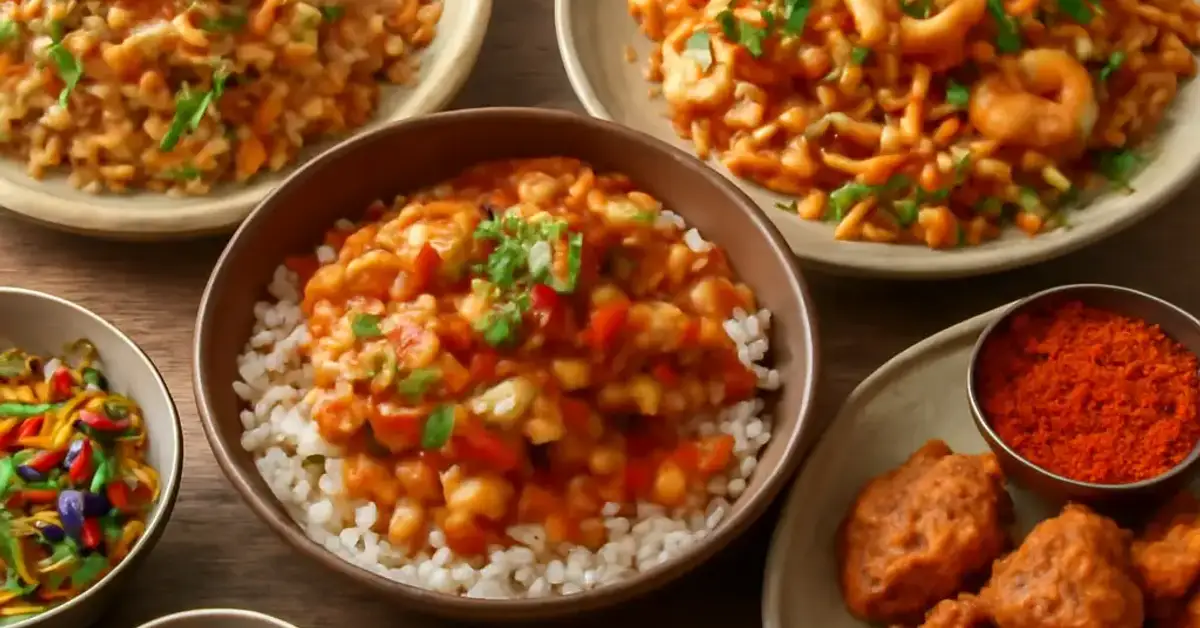
Why Malaysian Fusion Food Is the Cure for Bland Dinners
Malaysia sits at the crossroads of Asia, and its food culture reflects that vibrant intersection. Walk through any Malaysian market and you’ll smell sambal frying, hear the hiss of wok-fried noodles, and see flaky roti canai being slapped onto a hot griddle. The beauty of Malaysian fusion food is that it doesn’t cling to rigid traditions—it borrows from Malay, Chinese, Indian, Peranakan, and even Portuguese influences, then remixes them into something new. That spirit of creative blending makes it perfect for home cooks who want to escape bland, repetitive meals.
7 Easy Malaysian Fusion Recipes to Try This Week
Each recipe below highlights a signature Malaysian cuisine blend—a mix of spicy, tangy, savory, and sweet—while keeping preparation straightforward for weeknight cooking.
1. Nasi Lemak Burger
Think of this as Malaysia’s national breakfast turned into a handheld meal. A crispy fried chicken patty gets slathered with sambal (a fiery chili paste), topped with a runny fried egg, and tucked into a toasted brioche bun. The side of coconut rice is optional, but highly recommended. The sambal is the star—make a batch to use on eggs, noodles, or grilled fish all week.
2. Rendam Marinara Pasta
Rendang, the slow-cooked dry curry from Sumatra, meets Italian pasta. Shredded beef rendang is tossed with al dente spaghetti, a splash of coconut milk, and a handful of fresh basil. The deep, caramelized spices of the rendang cling to every strand. Use leftover rendang for a 10-minute dinner that tastes like it simmered for hours.
3. Curry Laksa Ramen
Laksa is Malaysia’s beloved coconut curry noodle soup, and it pairs naturally with ramen. Simmer a quick broth with curry paste, coconut milk, and chicken stock, then drop in instant ramen noodles. Top with boiled egg, shredded chicken, bean sprouts, and a squeeze of lime. This fusion dish Malaysia favorite comes together in under 20 minutes.
4. Sambal Glazed Salmon
Salmon fillets are brushed with a mixture of sambal oelek, honey, lime juice, and minced garlic, then broiled until caramelized. Serve over jasmine rice with a side of quick-pickled cucumber. The heat from the sambal cuts through the rich salmon, making it a weeknight showstopper.
5. Mee Siam Tacos
Mee Siam is a tangy, spicy rice vermicelli dish, but here the filling is loaded into warm corn tortillas. Toss the noodles with a sauce of tamarind paste, dried shrimp (or skip for vegan), and sambal. Top with crushed peanuts, cilantro, and a squeeze of lime. These tacos are messy, vibrant, and utterly addictive.
6. Teh Tarik Cheesecake
Teh tarik—Malaysia’s “pulled” milk tea—gets transformed into a no-bake cheesecake. The creamy filling is infused with strong black tea and sweetened condensed milk, then set over a digestive biscuit crust. It’s a dessert that tastes like a hug from a kopitiam.
7. Roti Canai Breakfast Pizza
Frozen roti canai (available at Asian grocers) makes the perfect crispy crust. Top with a drizzle of curry sauce, a handful of mozzarella, sliced bell peppers, and a cracked egg, then bake until bubbly. It’s a Malaysian cuisine blend that turns breakfast leftovers into a fun dinner.
How to Build a Malaysian Pantry for Fusion Cooking
You don’t need a shelf full of exotic jars. Start with these five essentials, and you can create any of the recipes above.
Sambal Oelek or Homemade Sambal
A simple chili paste made from red chilies, vinegar, and salt. It adds instant heat and depth. Store in the fridge for up to two months.
Belacan (Shrimp Paste)
A little goes a long way. Toast a small piece in a dry pan before adding to stir-fries or sambal for an umami punch. Vegetarians can substitute miso paste.
Kecap Manis
A sweet, thick soy sauce from Indonesia. It’s perfect for balancing spicy dishes and adding a glossy finish to noodles or grilled meats.
Lemongrass
Use fresh or frozen stalks. Bash them with the back of a knife before adding to curries and soups to release their citrusy aroma.
Tamarind Paste
This sour pulp is the key to the tangy note in Mee Siam and many Malay curries. Soak a small lump in warm water, then strain out the seeds before using.
Tips for Recreating Malaysian Fusion Flavors at Home
Even if you’re new to these ingredients, a few simple techniques will help you nail the Malaysian fusion food taste every time.
Balance the Three Pillars: Spicy, Sour, Sweet
Malaysian cooking thrives on contrast. Taste as you go and adjust with sambal (spicy), lime juice (sour), or kecap manis (sweet). A dish that feels one-dimensional needs a pinch of one of these.
Don’t Fear Heat—Build It Gradually
Start with less sambal than you think, then add more. It’s easier to turn up the heat than to cool it down. A spoonful of coconut milk or yogurt can mellow a too-spicy dish.
Make Double Batches of Sauces and Sambal
Most of the flavor in these recipes comes from the condiments. Spend 15 minutes on the weekend making a batch of sambal and a quick curry paste, and you’ll have the foundation for three or four weeknight dinners.
Substitute Smartly
Can’t find belacan? Use anchovy paste or fish sauce in small amounts. No tamarind? Mix lime juice with a touch of brown sugar. The goal is the balance, not a perfect copy of the original.
| Dish | Key Fusion Element | Prep Time | Dietary Options |
|---|---|---|---|
| Nasi Lemak Burger | Coconut rice + sambal patty | 30 min | Gluten-free bun, vegetarian patty |
| Rendam Marinara Pasta | Rendang + spaghetti | 15 min (with leftovers) | Gluten-free pasta, beef or jackfruit |
| Curry Laksa Ramen | Laksa broth + ramen | 20 min | Vegan with tofu + veg broth |
| Sambal Glazed Salmon | Sambal + honey + salmon | 15 min | Gluten-free, dairy-free |
| Mee Siam Tacos | Tamarind noodles + tortillas | 25 min | Vegan with tofu + skip shrimp |
| Teh Tarik Cheesecake | Tea + condensed milk + cream cheese | 30 min + chill | Vegetarian, gluten-free crust option |
| Roti Canai Breakfast Pizza | Roti canai crust + curry sauce | 20 min | Vegetarian, add protein as desired |
Useful Resources
For more background on Malaysia’s vibrant food history, visit BBC Travel’s feature on Malaysia’s fusion food heritage.
To find authentic ingredients online, check out The Spruce Eats guide to Malaysian pantry staples.
Malaysian fusion food doesn’t have to be complicated. Start with one recipe from this list, gather a few key ingredients, and let the bold flavors do the rest. Before long, you’ll be inventing your own combinations—and you’ll never settle for bland again.
Frequently Asked Questions About Malaysian fusion food
What is Malaysian fusion food ?
Malaysian fusion food combines traditional Malay, Chinese, and Indian cooking techniques with global ingredients or presentation styles, resulting in dishes like Nasi Lemak Burgers or Laksa Ramen. For a related guide, see 7 Essential Flavors Why Malaysian Cuisine Reflects Multicultural Heritage.
What are the key ingredients in Malaysian cooking?
Key ingredients include coconut milk, lemongrass, galangal, belacan (shrimp paste), sambal, kecap manis, tamarind, and curry powders. These form the backbone of most Malaysian cuisine blend recipes. For a related guide, see 7 Essential Tips for Choosing a Modern Malay Restaurant.
Is Malaysian food very spicy?
Many dishes are spicy, but heat levels vary widely. You can adjust the amount of chili to suit your tolerance. Sambal-based recipes allow you to control the fire.
Can I make Malaysian fusion food vegetarian or vegan?
Yes. Substitute belacan with miso paste or seaweed, use tofu or jackfruit in place of meat, and choose vegetable-based stocks for soups and curries.
What is the easiest Malaysian fusion recipe for beginners?
Sambal Glazed Salmon is a great starting point—only five ingredients and 15 minutes of cooking. It introduces sambal in a familiar context.
Where can I buy Malaysian ingredients?
Asian grocery stores, online retailers like Amazon or specialty sites, and some well-stocked supermarkets carry sambal, kecap manis, and frozen roti canai.
How long do homemade sambal and curry paste last?
Store sambal in an airtight jar in the fridge for up to two months. Curry paste keeps for about a week in the fridge or three months in the freezer.
What can I use instead of belacan?
Fish sauce, anchovy paste, or a small amount of miso paste can replace belacan’s savory umami. Start with a tiny amount and taste.
Is Malaysian fusion food authentic?
Authenticity is subjective. Malaysian cuisine has always evolved through trade and migration. These fusion recipes honor that spirit by respecting core flavors while adapting to new forms.
Can I freeze any of these dishes?
Yes, the rendang base, sambal, and curry laksa broth freeze well for up to three months. Freeze them in portion-sized containers for quick meals.
What is sambal made of?
Traditional sambal includes red chilies, garlic, shallots, belacan, and lime juice, ground together and fried. Many variations add sugar or tamarind.
What does kecap manis taste like?
Kecap manis is sweet and syrupy with a hint of star anise and garlic. It adds a rich, glossy sweetness to marinades, stir-fries, and dipping sauces.
What is roti canai?
Roti canai is a flaky, buttery flatbread of Indian origin, popular in Malaysia. It’s served with curry or dhal for dipping and works beautifully as a pizza base.
What is the difference between laksa and curry?
Laksa is a noodle soup with a coconut curry broth, often sour from tamarind or asam. Curry is a thicker stew served with rice or bread. Both use many of the same spices.
How do I make my own sambal at home?
Blend red chilies, garlic, shallots, and belacan, then fry in oil until fragrant. Season with salt, sugar, and lime juice. Simmer until thickened.
What is nasi lemak?
Nasi lemak is coconut rice served with sambal, fried anchovies, peanuts, boiled egg, and cucumber. It’s considered Malaysia’s national dish.
Can I make these recipes gluten-free?
Most recipes can be adapted. Use gluten-free soy sauce or tamari instead of kecap manis (which contains wheat), and choose rice noodles or gluten-free pasta.
What is teh tarik?
Teh tarik is a frothy milk tea made by “pulling” the hot tea between two cups to create foam. It’s sweetened with condensed milk and served hot.
How do I store leftover sambal?
Let sambal cool completely, then transfer to a clean glass jar. Top with a thin layer of oil to seal, and refrigerate for up to two months.
Are these recipes suitable for meal prep?
Absolutely. The sambal, rendang, and curry broth can be made ahead. Cook noodles or rice fresh, and assemble dishes in minutes for quick lunches or dinners.