

Malaysian Food Guide Key Takeaways
Malaysia’s cuisine is a vibrant tapestry of Malay, Chinese, Indian, and indigenous influences, making it one of the world’s most exciting food destinations.
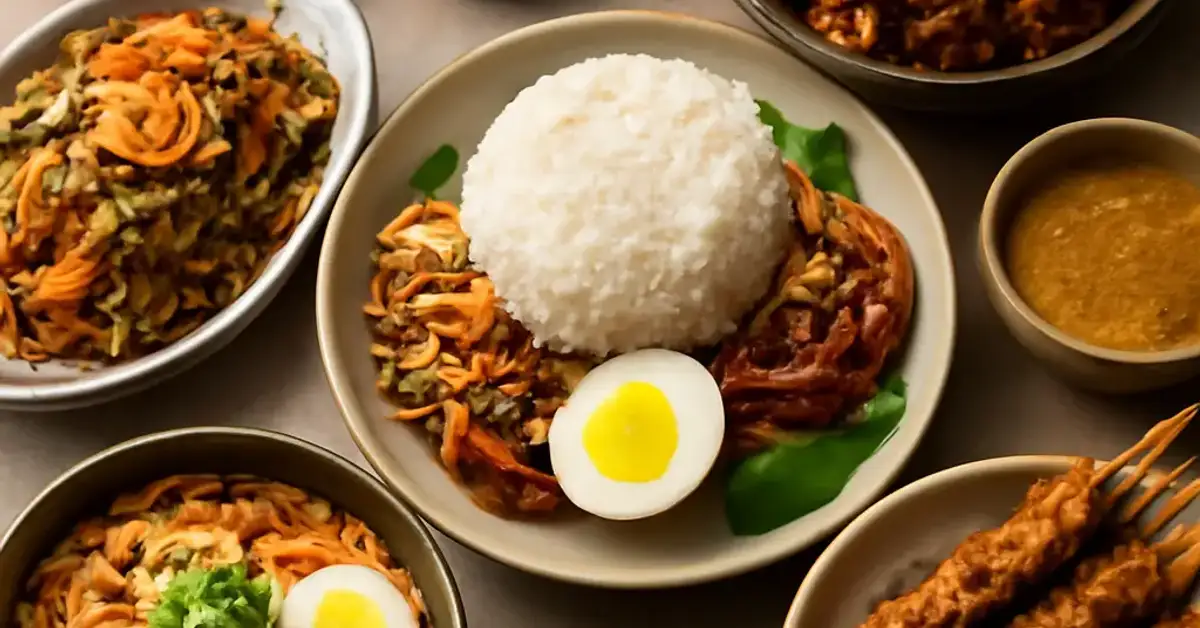
- The Malaysian Food Guide highlights nasi lemak as the national dish, a fragrant coconut rice served with sambal, crispy anchovies, and boiled egg.
- Street food stalls and night markets (pasar malam) are the best places to sample authentic flavors on a budget.
- Balance and spice are key – each dish layers sweet, salty, sour, and fiery notes in a single bite.
Why This Malaysian Food Guide Matters in 2024
Malaysian cuisine is often overshadowed by its Thai and Vietnamese neighbors, but food lovers are catching on. In 2024, more travelers are seeking authentic, budget-friendly culinary experiences, and Malaysia delivers on both counts. This Malaysian Food Guide helps you cut through the noise, focusing on dishes that truly represent the country’s diverse heritage. From the bustling streets of Penang to the hawker centers of Kuala Lumpur, knowing what to order – and how to eat it – transforms a good trip into an unforgettable one.
Each dish in this guide tells a story of migration, trade, and adaptation. The Chinese introduced noodle techniques; Indians brought spices and flatbreads; the Malay community perfected coconut-based curries. Together, they created a cuisine that’s bold, comforting, and endlessly surprising.
The 7 Essential Dishes in Your Malaysian Food Guide
Below are seven dishes every Malaysian cuisine guide must include. They range from breakfast staples to celebratory feasts, and each one offers a unique window into local life.
1. Nasi Lemak – The National Breakfast
Malaysian food starts with nasi lemak. This fragrant coconut rice is steamed with pandan leaves, giving it a subtle floral aroma. It’s typically served with a spicy sambal (chili paste), crispy fried anchovies, roasted peanuts, a slice of cucumber, and a hard-boiled egg. You’ll find it at roadside stalls before sunrise, wrapped in banana leaves. For a more substantial version, add fried chicken or beef rendang. The key to a great nasi lemak is the sambal – it should be sweet, spicy, and slightly tangy all at once. For a related guide, see 7 Essential Malaysian Night Market Food Picks for First-Timers.
2. Char Kway Teow – The Wok-Fried Noodle
This Penang-born street food classic stir-fries flat rice noodles with soy sauce, Chinese sausage, bean sprouts, chives, and prawns. The secret is the wok hei – the smoky “breath of the wok” – achieved by cooking over high heat. Char kway teow is rich, savory, and slightly sweet. Look for a stall that uses pork lard (or ask for it if you’re not halal-observant) – that’s where the magic lies.
3. Satay – Grilled Skewers with Peanut Sauce
Satay consists of marinated, skewered meat grilled over charcoal, served with a thick peanut dipping sauce, cucumber cubes, and ketupat (compressed rice cakes). Chicken and beef are the most common, but you’ll also find lamb and even rabbit in some regions. The marinade typically includes turmeric, lemongrass, and coconut milk. The best satay is charred on the outside and tender inside. Dip generously – the peanut sauce is the star.
4. Rendang – The Slow-Cooked Dry Curry
Rendang is often called the most delicious curry in the world, and for good reason. Beef is simmered for hours in coconut milk and a paste of chilies, ginger, galangal, turmeric, and lemongrass until the liquid evaporates and the meat is coated in a rich, dark paste. The result is intensely flavorful, with layers of spice, sweetness, and a hint of sourness from tamarind. It’s a staple at festive occasions like Hari Raya and weddings. Pair it with steamed rice or lemang (glutinous rice cooked in bamboo).
5. Assam Laksa – The Sour Fish Noodle Soup
While curry laksa gets most of the attention overseas, Assam laksa is a best Malaysian dish for adventurous eaters. Its broth is made from mackerel, tamarind, lemongrass, and torch ginger flower, delivering a sour, fishy, and slightly spicy flavor. The noodles are thick rice vermicelli, topped with shredded fish, cucumber, onion, mint, and pineapple. It’s a flavor bomb that’s refreshingly different from its creamy cousin. Penang is the spiritual home of Assam laksa – look for stalls that have been around for decades.
6. Roti Canai – The Flaky Flatbread
Roti canai is the ultimate Malaysian comfort food. This Indian-influenced flatbread is stretched thin, folded, and pan-fried until crispy on the outside and soft inside. It’s usually served with dhal (lentil curry) and a side of sambal. You can also get it stuffed with egg, onion, or even banana and chocolate for a sweet version. Watch the roti maker flip the dough – it’s a performance in itself. Best enjoyed for breakfast or a late-night snack.
7. Cendol – The Tropical Dessert
Beat the Malaysian heat with a bowl of cendol. Shaved ice is piled high with green jelly noodles made from rice flour and pandan, sweetened condensed milk, coconut milk, and palm sugar syrup. The contrast of hot and cold, sweet and creamy, makes it irresistible. Variations include added red beans, corn, or grass jelly. You’ll find cendol at hawker centers, night markets, and even in upscale restaurants. It’s the perfect way to end a spicy meal.
Where to Find the Best Malaysian Street Food
Street food Malaysia is a world unto itself. The best places to experience it are night markets (pasar malam), hawker centers, and kopitiams (traditional coffee shops). Each stall typically specializes in just one or two dishes, so the quality is usually very high. In Kuala Lumpur, head to Jalan Alor for a lively street food scene. In Penang, Gurney Drive Hawker Centre is a must-visit. In Johor Bahru, the night markets along Jalan Wong Ah Fook offer a mix of Malay and Chinese specialties. For a related guide, see 7 Best Malaysian Food You Must Try in 2024: Expert Guide.
When choosing a stall, look for queues – locals know where the good food is. Also, pay attention to hygiene: a busy stall means fresh turnover. Don’t be afraid to ask for recommendations from the vendor; they’re often proud of their craft and happy to guide you.
Tips for Travelers: Eating Like a Local
This Malaysian Food Guide wouldn’t be complete without practical advice. First, bring an open mind and an empty stomach. Portions are generous, and it’s common to eat several small meals throughout the day. Second, use your right hand for eating – it’s considered polite when enjoying nasi lemak or roti canai with your hands. Third, don’t skip the sambal; it’s served with most dishes and adds a crucial kick.
Another tip: bring small bills. Many hawker stalls are cash-only, and small denominations make transactions smoother. If you have dietary restrictions, learn a few key phrases – “tidak pedas” (not spicy) or “saya alah kepada udang” (I’m allergic to prawns). Most vendors are accommodating, especially in tourist-friendly areas.
Finally, pace yourself. Malaysian food is rich and often loaded with coconut milk and sugar. A little goes a long way, so share dishes with friends to sample more variety.
Useful Resources
For deeper dives into Malaysian cuisine, check these two trusted sources:
- Britannica – Malaysian Cuisine – A reliable overview of the cultural and historical roots of Malaysian dishes.
- BBC Good Food – Top 10 Foods to Try in Malaysia – A practical list with recipes and travel tips from a well-known food publication.
Frequently Asked Questions About Malaysian Food Guide
What is the most popular dish in Malaysia?
Nasi lemak is widely considered the national dish and is the most popular, eaten across all ethnic groups for breakfast, lunch, or dinner.
Is Malaysian food very spicy?
Many dishes use chilies, but spice levels vary. You can often request less spicy versions. Sambal is usually served on the side so you can control the heat.
Where can I find the best street food in Malaysia?
Penang, especially George Town, is considered the street food capital. Kuala Lumpur’s Jalan Alor and Johor Bahru’s night markets are also excellent choices.
What is the difference between Malay, Chinese, and Indian Malaysian food ?
Malay food emphasizes coconut, lemongrass, and turmeric; Chinese Malaysian food uses soy sauce, noodles, and pork; Indian Malaysian food features curries, flatbreads, and spices like cumin and cardamom. Many dishes blend these influences.
Is Malaysian halal food easy to find?
Yes, the majority of Malay and Indian Muslim food is halal. Chinese food is often not halal due to pork, but halal Chinese restaurants exist, especially in larger cities.
What is the best time to eat at a night market?
Night markets typically start around 5 PM and peak between 7 PM and 9 PM. Arrive early for the freshest food and shorter queues.
Can I eat vegetarian in Malaysia?
Yes, but you need to be specific. Many curries use shrimp paste and many noodle dishes contain meat. Look for “sayur” (vegetable) stalls or Indian banana leaf restaurants that serve vegetarian thalis.
Is Malaysian food safe for tourists with sensitive stomachs?
Generally yes, but take precautions: eat at busy stalls, avoid raw vegetables unless peeled, and drink bottled water. Your body may need a day or two to adjust to the spices.
What is the cheapest way to eat in Malaysia?
Hawker centers and night markets offer the best value. A generous plate of nasi lemak or a bowl of laksa costs around 3 to 8 Malaysian ringgit (USD 0.65 to 1.70).
What drinks pair well with Malaysian food ?
Cold sugarcane juice, teh tarik (pulled milk tea), and coconut water are excellent to balance the spice. Beer is also popular, but note that not all areas serve alcohol.
Is it rude to eat with your left hand in Malaysia?
Yes, especially among Malays and Indians. Use your right hand for eating and for passing money or dishes.
What is the most underrated dish in Malaysia?
Many travelers overlook “ulam” – a traditional Malay salad of raw herbs and vegetables served with sambal belacan. It’s incredibly fresh and healthy.
Can I find Malaysian food outside of Malaysia?
Yes, in cities with large Malaysian communities like Singapore, Melbourne, London, and New York. However, the quality and authenticity may vary.
What is the difference between curry laksa and Assam laksa?
Curry laksa has a creamy coconut milk broth with mild spices, while Assam laksa has a sour, fish-based broth with tamarind and no coconut milk.
Is Malaysian food similar to Indonesian food?
They share many roots, but Malaysian food is more diverse due to stronger Chinese and Indian influences. Rendang, for example, is found in both countries but with different spice profiles.
What is a typical Malaysian breakfast?
A typical breakfast includes nasi lemak, roti canai with dhal, or a bowl of kway teow soup, often accompanied by a cup of kopi (coffee).
Are there any food taboos I should know about?
Malay Muslims avoid pork and alcohol. Some Indian Hindus are vegetarian. It’s polite to ask before sharing food if you’re unsure.
What is the best dessert in Malaysia?
Cendol is the most iconic, but other favorites include ais kacang (shaved ice with red beans and jelly) and kuih (traditional bite-sized cakes made from rice flour and coconut).
Can I take Malaysian food on a flight?
Solid foods like nasi lemak or fried chicken are allowed in carry-on, but liquids or gels like sambal may be restricted. Check with your airline for specific rules.
How do I say “delicious” in Malay?
“Sedap” is the word for delicious. Use it after a meal – the cook will appreciate it.