

Malaysian street food Key Takeaways
Malaysian street food is a vibrant fusion of Malay, Chinese, and Indian culinary traditions, offering bold flavors at every corner.
- Discover 7 iconic Malaysian street food dishes you must try.
- Learn how to spot quality hawker stalls and avoid tourist traps.
- Get practical safety tips for enjoying street food without worry.
What Makes Malaysian Street Food So Special?
Malaysia’s street food scene is a living museum of the country’s multicultural history. From the wok hei of a perfectly tossed Char Kway Teow to the creamy richness of Nasi Lemak, every dish tells a story of migration, trade, and adaptation. The beauty of Malaysian street food is its accessibility—you can eat like a king for just a few ringgit, standing at a hawker stall under string lights. For a related guide, see Traditional Food in Malaysia: 7 Must-Try Dishes You Can’t Miss.
Unlike restaurant dining, hawker stalls focus on one or two specialties, honed over decades. The best stalls have queues snaking down the street, and the chatter of regulars is your best sign of quality. The ultimate guide to Malaysian food starts not with a map, but with an open mind and an empty stomach.
7 Must-Try Malaysian Street Food Dishes
Here are seven essential dishes that define the country’s street food landscape. Each is a gateway to a different flavor world.
1. Nasi Lemak — The National Dish
Nasi Lemak is coconut milk rice served with anchovy sambal, fried fish or chicken, a boiled egg, and peanuts. It’s the breakfast of champions and the comfort food of choice any time of day. Look for a stall where the sambal is freshly made and the rice is fragrant, not dry.
2. Char Kway Teow — The Wok Masterpiece
This stir-fried flat rice noodle dish gets its smoky flavor from high-heat wok cooking. The best versions include cockles, Chinese sausage, bean sprouts, and a dark soy sauce that coats every strand. Ask for it garing (extra crispy) if you like a bit of char.
3. Satay — Grilled Skewers with Peanut Sauce
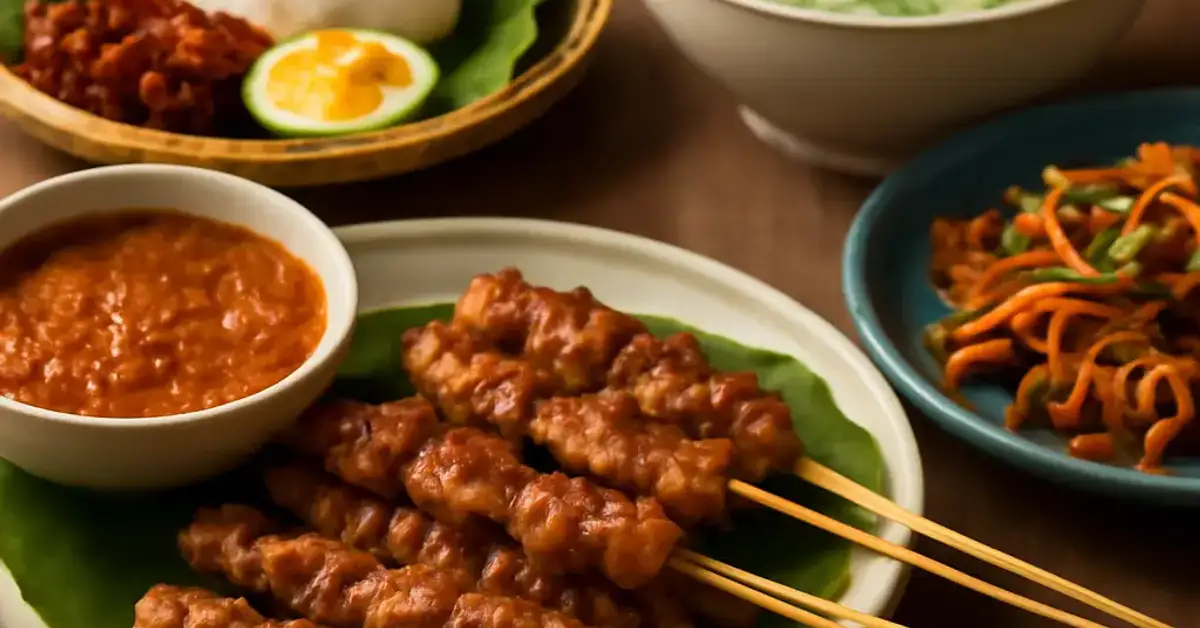
Satay is marinated chicken or beef skewers grilled over charcoal, served with a thick, spicy peanut sauce and ketupat (rice cakes). The secret is in the marinade—tumeric, lemongrass, and coconut milk. Halal-certified stalls often have the best recipes passed down for generations.
4. Roti Canai — The Flaky Flatbread
Roti Canai is a crispy, layered flatbread cooked on a griddle and served with dal or curry. Watch the dough being flipped and slapped—it’s as entertaining as the dish is delicious. Try it with a side of sweet condensed milk for a dessert twist.
5. Laksa — Spicy Noodle Soup
Laksa comes in two main styles: the coconut-based curry laksa and the sour tamarind-based asam laksa. Both feature rice noodles, fresh herbs, and a broth that wakes up every taste bud. A good laksa should have depth—spicy, sour, and slightly sweet all at once.
6. Cendol — The Cool Icy Dessert
Cendol is shaved ice topped with green rice flour jelly, coconut milk, palm sugar syrup, and sometimes red beans or corn. It’s the perfect antidote to Malaysia’s tropical heat. Look for an old-school gerai that makes its own gula Melaka (palm sugar).
7. Hokkien Mee — The Dark Noodle Classic
Hokkien Mee features thick yellow noodles and rice noodles stir-fried with seafood, pork, and dark soy sauce. The version in Kuala Lumpur is darker and richer, while the Penang style is lighter. Both are worth seeking out.
Where to Find the Best Hawker Stalls
Great Malaysian street food isn’t limited to restaurants—it thrives in hawker centers, night markets, and roadside stalls.
Penang: The Street Food Capital
Penang, especially George Town, is a UNESCO-recognized street food destination. Jalan Kelawei and Gurney Drive are famous clusters. Don’t miss the Assam Laksa at Air Itam market.
Kuala Lumpur: Urban Hawker Centers
KL’s food courts like Jalan Alor and the Pudu neighborhood offer everything from Satay to Cendol. For a more local experience, visit the Medan Selera near your hotel—they’re often less crowded but just as authentic.
Johor and Malacca: Regional Specialties
Johor Bahru has some of the best Mee Rebus and Lontong. Malacca is famous for its Nyonya-style Laksa and Satay Celup (a hotpot version of satay).
Safety Tips for Eating Malaysian Street Food
Eating street food is safe if you follow a few commonsense rules. First, look for busy stalls with a quick turnover of ingredients. Stalls that cook to order are safer than those with pre-cooked food under heat lamps. Avoid raw vegetables or unpeeled fruit unless you can wash them yourself. Drink only bottled water or hot tea, and never add ice from unknown sources. Most importantly, trust your nose—if the aroma is fresh and inviting, it’s a good sign.
How to Recreate Malaysian Street Food at Home
Craving that taste but stuck at home? You can recreate many dishes with a few key ingredients.
Essential Pantry Items
Stock up on coconut milk, belacan (shrimp paste), tamarind paste, palm sugar, and dark soy sauce. These form the foundation of most Malaysian dishes. A good mortar and pestle for pounding sambal is also a worthwhile investment. For a related guide, see 7 Essential Malaysian Traditional Foods You Must Try Once.
Simple Recipe: Quick Nasi Lemak
Cook jasmine rice with coconut milk and a pandan leaf. For the sambal, fry blended shallots, garlic, chili paste, and a little belacan, then add tamarind water and sugar. Serve with fried anchovies, peanuts, and a hard-boiled egg. It’s not the real deal, but it’s close enough to satisfy.
Useful Resources
For authentic recipes and more regional food guides, check out Malaysia Kini’s food section and the classic Rasa Malaysia blog for home-cooking tips.
Frequently Asked Questions About Malaysian street food
Is Malaysian street food spicy?
Many dishes use chili, but you can usually ask for less spice.
What is the most popular street food in Malaysia?
Nasi Lemak is the most popular, eaten across all ethnic groups.
Can vegetarians eat Malaysian street food ?
Yes, look for Roti Canai, vegetable curry, and Cendol. Many stalls mark vegetarian-friendly options.
What is halal street food?
Halal food follows Islamic dietary laws. Most Malay and Indian Muslim stalls are halal-certified.
How much does street food cost in Malaysia?
A dish usually costs between RM 5 and RM 15, depending on the location and ingredients.
What is the best time to eat street food?
Evening markets (pasar malam) are the best, but breakfast stalls also operate from 6 am.
Is it safe to eat street food in Kuala Lumpur?
Yes, especially at busy stalls with high turnover. Avoid pre-prepared items.
What drink pairs well with spicy street food?
A cold Teh Tarik (pulled milk tea) or a fresh sugarcane juice balances the heat.
Can I find Malaysian street food in Penang?
Penang is the street food capital of Malaysia, with countless excellent stalls.
What is the difference between Laksa and Curry Mee?
Laksa is generally soupy and sour-spicy, while Curry Mee uses coconut milk base with more noodles.
Are there gluten-free options?
Grilled satay, Cendol, and Nasi Lemak are naturally gluten-free. Ask about soy sauce though.
What is the best way to order at a hawker stall?
Point at what you want, state the number of portions, and mention any dietary needs clearly.
Do I need cash?
Yes, most stalls accept only cash. Some larger centers have e-wallet options.
What is the spiciest dish?
Mee Kolok with extra sambal or a spicy Tom Yam soup are contenders for the hottest.
Can I bring street food back to my hotel?
Yes, but eat it quickly as tropical heat can cause spoilage. Use reusable containers if possible.
What is the local etiquette?
Queue patiently, avoid loud phone calls, and say thank you (terima kasih) after collecting your food.
Are there any dishes unique to Malaysia?
Nasi Kandar, Mee Goreng Mamak, and Pasembur are uniquely Malaysian street foods.
How do I avoid food poisoning?
Eat at busy stalls, avoid raw items, and drink bottled water. Eating earlier in the day also helps.
What should I try if I have a small appetite?
Roti Canai is light and shareable. Cendol makes a small, sweet snack.
Can I learn to cook Malaysian street food ?
Yes, many cooking schools in Penang and Malacca offer half-day classes. Online resources are also abundant.