


Traditional Malaysian Food Explained Key Takeaways
Malaysia’s cuisine is a vibrant fusion of Malay, Chinese, Indian, Nyonya, and indigenous traditions, creating one of the world’s most diverse food landscapes.
- Traditional Malaysian food explained reveals a unique blend of bold spices, fresh herbs, coconut milk, and fiery chilies that define the nation’s palate.
- Key dishes like Nasi Lemak, Char Kway Teow, and Rendang each tell a story of migration, trade, and local ingenuity.
- Understanding regional and ethnic variations is essential for an authentic taste of Malaysia’s culinary heritage.
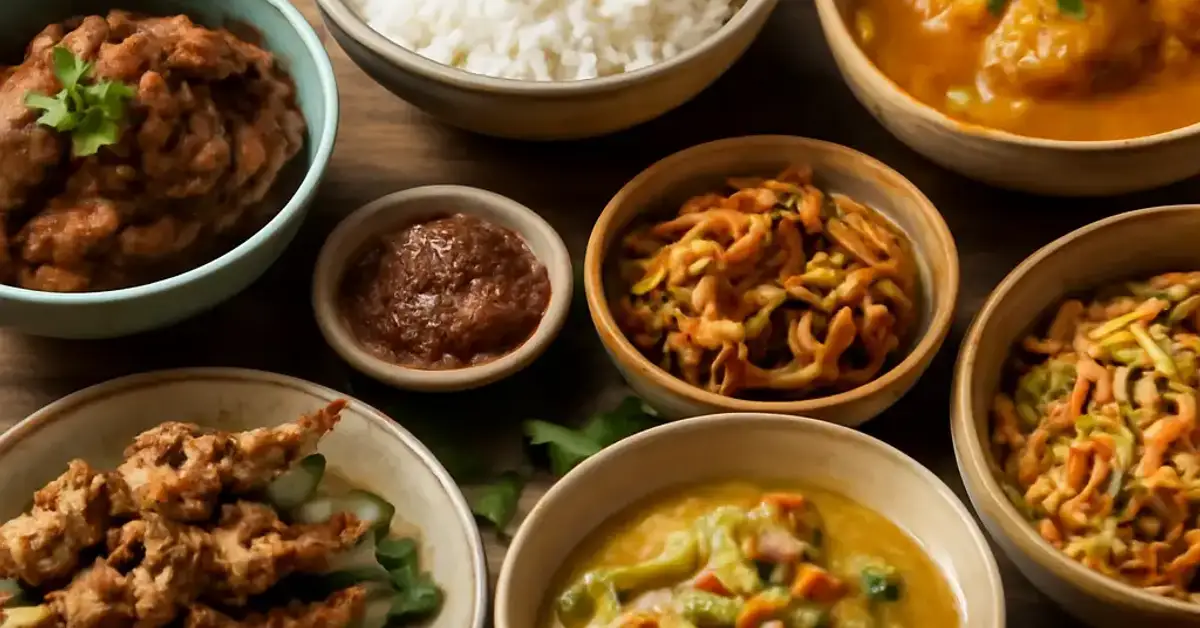
What Makes Traditional Malaysian Food Explained So Unique?
Malaysian cuisine stands apart because it never settled for a single identity. Located at the crossroads of ancient maritime trade routes, the Malay Peninsula absorbed influences from China, India, Thailand, Indonesia, Portugal, and Britain. Each wave of migration brought new ingredients—chilies from the Americas via Portuguese traders, wok-cooking techniques from southern Chinese immigrants, and spices like cumin and coriander from Indian merchants.
What emerged is a cuisine built on contrasts: creamy coconut milk next to sour tamarind, sweet soy sauce balanced with fiery sambal belacan (shrimp paste chili sauce), and fresh herbs like lemongrass and kaffir lime leaves mellowing rich meat stews. This layering of flavors is the foundation of traditional Malaysian food explained in any serious guide.
The Three Core Culinary Pillars
To understand Malaysian food, you must recognize its three main ethnic food traditions: Malay, Chinese, and Indian. A fourth tradition, Nyonya (also called Peranakan), blends Chinese ingredients with Malay cooking methods. Each pillar contributes signature dishes, cooking techniques, and flavor profiles that overlap and evolve constantly.
7 Essential Popular Malaysian Dishes You Must Try
Here is a curated selection of popular Malaysian dishes that represent the depth and diversity of the national table. Each entry includes ingredients, preparation style, cultural context, and common variations.
1. Nasi Lemak — The National Breakfast
Nasi lemak is widely considered Malaysia’s national dish, and every Malaysian cuisine guide leads with it. The core is fragrant rice cooked in coconut milk and pandan leaves, giving it a creamy texture and a subtle floral aroma. It is traditionally served with spicy sambal (a chili paste), crispy fried anchovies, toasted peanuts, a hard-boiled egg, and a slice of cucumber. Many versions add fried chicken, beef rendang, or squid sambal.
Cultural significance: Nasi lemak originated as a farmer’s breakfast because the coconut rice provides lasting energy. Today, it is eaten at any meal—from roadside stalls (gerai) to upscale cafes. Variations include nasi lemak bungkus (wrapped in banana leaf) for takeaway and blue nasi lemak colored with butterfly pea flower.
2. Char Kway Teow — The Wok-Fried Noodle Legend
This iconic Chinese-Malaysian street food features flat rice noodles (kway teow) stir-fried over high heat in pork fat or vegetable oil with dark soy sauce, shrimp, Chinese sausage (lap cheong), bean sprouts, eggs, and cockles. The defining characteristic is the “wok hei”—the smoky, charred aroma imparted by a blazing hot wok.
Preparation: The dish comes together in under two minutes. The cook must toss the ingredients continuously to avoid burning while achieving that signature caramelization. Variations include “sotong kway teow” with squid or a dry version without gravy. Health-conscious versions swap pork fat for oil and reduce the soy sauce.
3. Rendang — The Slow-Cooked Spiced Meat
Rendang is a dry curry of beef (or chicken, lamb, or buffalo) slowly simmered in coconut milk and a complex paste of chilies, lemongrass, galangal, garlic, turmeric, and candlenuts. The cooking process can take four to six hours until the liquid evaporates and the meat is coated in a rich, dark, caramelized spice crust.
Cultural significance: Rendang originates from the Minangkabau people of Sumatra, Indonesia, and crossed into Malaysia centuries ago. It is a ceremonial dish served at weddings, Hari Raya (Eid), and other festive occasions. The slow cooking symbolizes patience and respect. Variations include rendang tok (a darker, drier Negeri Sembilan style) and rendang ayam (chicken).
4. Laksa — The Spicy Noodle Soup
Laksa is a broad category of spicy noodle soups with two main families: asam laksa (sour fish-based broth) and curry laksa (rich coconut milk broth). Penang asam laksa uses mackerel, tamarind, lemongrass, and torch ginger flower, topped with cucumber, onion, pineapple, mint, and prawn paste. Curry laksa, common in Kuala Lumpur and Singapore, features a creamy coconut curry broth with vermicelli noodles, tofu puffs, chicken, and cockles.
Ingredients: The laksa paste typically includes dried shrimp, chilies, galangal, turmeric, and belacan. Each region has its prized version—Sarawak laksa uses a distinct spice paste and is topped with omelet strips and lime.
5. Satay — Grilled Skewers with Peanut Sauce
Satay consists of marinated, skewered meat (chicken, beef, or mutton) grilled over charcoal and served with a rich, savory peanut dipping sauce. The marinade usually contains turmeric, lemongrass, shallots, garlic, and coconut milk, which tenderizes the meat and gives it a golden color.
Preparation: The skewers are grilled quickly, often brushed with oil to keep them moist. Accompaniments include ketupat (compressed rice cakes), sliced cucumbers, and raw onions. Variations include satay perut (beef tripe) and satay lok-lok (where diners cook skewers in boiling broth at their table).
6. Hainanese Chicken Rice — The Simple Classic
Though adapted from Hainanese Chinese immigrants, this dish has become a Malaysian staple. Poached chicken is served with fragrant rice cooked in chicken fat and pandan, alongside a bowl of clear broth, fresh cucumber slices, and three dipping sauces: chili-ginger, dark soy sauce, and minced ginger oil.
Cultural significance: The dish reflects the Chinese philosophy of bringing out natural flavors through careful technique. Variations include roasted chicken rice (with crispy skin) and Ipoh white chicken rice, which uses free-range chickens and a lighter broth.
7. Roti Canai — The Flaky Indian Flatbread
Roti canai is a crispy, layered flatbread of Indian-Muslim origin, cooked on a greased griddle and repeatedly flipped and stretched until paper-thin. It is typically served with dhal (lentil curry) or fish curry for breakfast or supper. Variations include roti telur (with egg), roti pisang (with banana), sweet versions with condensed milk, and the massive roti tisu (a cone-shaped crispy roti often drizzled with condensed milk and sugar syrup).
Preparation: The dough is proofed for hours, then slapped and tossed in the air to develop the thin layers. Cooking requires a hot, oiled surface and quick hand movements.
Regional and Ethnic Variations in Traditional Malaysian Food
Traditional Malaysian food explained is incomplete without recognizing regional differences. The northern states (Penang, Kedah, Perlis) favor tangy, sour flavors thanks to asam (tamarind) and less coconut milk. Southern states (Johor, Melaka, Negeri Sembilan) use more coconut milk and have a strong Indonesian influence. The east coast (Kelantan, Terengganu) emphasizes fish-based dishes and keropok lekor (fish sausages). In East Malaysia (Sabah and Sarawak), indigenous communities contribute ingredients like bamboo shoots, wild ferns, and fermented durian (tempoyak).
Ethnic variations also matter deeply. Malay cuisine centers on rice, grilled or fried fish, and sambal. Chinese-Malaysian food includes stir-fried noodles and clear soups. Indian-Malaysian cuisine offers banana leaf rice, tandoori, and mamak (Indian-Muslim) stall favorites like roti canai and mee goreng. Nyonya cooking merges Chinese ingredients with Malay spices, producing dishes like ayam pongteh (chicken in fermented soybean stew) and kuih (traditional cakes).
How to Experience Authentic Traditional Malaysian Food
Whether you are traveling to Malaysia or cooking at home, here are practical tips for an authentic journey through traditional Malaysian food explained in everyday settings.
Tips for Dining Out in Malaysia
Start your day at a kopitiam (traditional coffee shop) with nasi lemak or kaya toast with soft-boiled eggs. For lunch, find a hawker center or food court—look for stalls with long queues, a sure sign of quality. Always ask for “less spicy” (kurang pedas) if you are sensitive to heat, and embrace the custom of sharing dishes. Mamak stalls are open late and perfect for roti canai and teh tarik (pulled tea).
Tips for Cooking Malaysian Food at Home
Invest in a good wok and a mortar and pestle (or spice grinder) for making fresh pastes. Essential pantry items include coconut milk (canned or fresh), shrimp paste (belacan), tamarind pulp, lemongrass, galangal (or ginger as a substitute), kaffir lime leaves, palm sugar (gula melaka), and light and dark soy sauces. Start with simpler recipes like stir-fried kangkung (water spinach) or chicken curry before attempting rendang. Always taste and adjust seasoning—balance salt, sweet, sour, and spicy elements.
Useful Resources
For further exploration of Malaysia’s food culture, visit World Food Tourism’s Malaysian Cuisine Guide, which offers detailed regional breakdowns and chef interviews. For authentic recipes and cooking techniques, check RecipeTin Eats’ Malaysian Recipe Collection, which includes step-by-step instructions for home cooks.
Frequently Asked Questions About Traditional Malaysian Food Explained
What is traditional Malaysian food ?
Traditional Malaysian food refers to the diverse culinary heritage of Malaysia, blending Malay, Chinese, Indian, Nyonya, and indigenous influences. Key characteristics include the use of coconut milk, fresh spices, chilies, and fermented shrimp paste. For a related guide, see 7 Essential Malaysian Traditional Foods You Must Try Once.
What is the national dish of Malaysia?
Nasi lemak is widely considered the national dish. It is coconut rice served with spicy sambal, fried anchovies, peanuts, egg, and cucumber. Many Malaysians eat it for breakfast, but it is available all day.
Is Malaysian food very spicy?
Many Malaysian dishes are spicy due to the generous use of chilies in sambals and curries. However, spice levels vary widely. You can request “kurang pedas” (less spicy) at most stalls and restaurants.
What are popular Malaysian dishes for beginners?
Beginners should try Hainanese chicken rice, roti canai, and satay. These dishes are mildly spiced and widely available. You can also order nasi lemak without extra sambal if you prefer less heat.
What is the difference between Malay and Malaysian food?
Malay food refers specifically to dishes from the Malay ethnic group, such as rendang and nasi lemak. Malaysian food encompasses all cuisines found in Malaysia, including Chinese, Indian, Nyonya, and indigenous cooking. For a related guide, see 7 Malaysian Cuisine Fusion Dishes You Must Try for a Bold Taste.
What is Nyonya cuisine?
Nyonya (Peranakan) cuisine is a blend of Chinese ingredients and Malay cooking methods. It uses spices like galangal and lemongrass along with Chinese staples like pork and soy sauce. Popular dishes include ayam pongteh, laksa lemak, and kuih lapis.
What is the most popular street food in Malaysia?
Char kway teow is one of the most beloved street foods. It is a smoky, wok-fried noodle dish with shrimp, sausage, bean sprouts, and eggs. Other top street foods include satay, roti canai, and curry puff.
What is sambal in Malaysian cooking?
Sambal is a spicy condiment made from blended chilies, shrimp paste (belacan), shallots, and sometimes tamarind or sugar. It is used as a base for many dishes or as a dipping sauce.
Can I find vegetarian Malaysian food?
Yes, many Malaysian dishes can be made vegetarian. Look for nasi lemak without anchovies, vegetable curries, stir-fried greens, and roti canai. Buddhist vegetarian restaurants offer mock meats and clear soups.
What is the best time to eat Malaysian food?
Malaysians eat small meals throughout the day. Breakfast is hearty, lunch is often a rice or noodle dish, tea time includes snacks like curry puffs, and dinner is another main meal. Hawker stalls and mamak shops are open late.
What is belacan in Malaysian cuisine?
Belacan is a dried and fermented shrimp paste with a strong, pungent aroma. It is commonly used in sambals, curries, and stir-fries to add depth and umami. It is usually toasted before use.
How is Malaysian coffee different?
Malaysian coffee (kopi) is typically roasted with margarine or butter, giving it a dark, caramelized flavor. It is often served with condensed milk (kopi susu) or black (kopi O). Teh tarik (pulled tea) is a frothy milk tea.
What is the best Malaysian dessert?
Cendol is a favorite dessert: shaved ice with green rice flour jelly, coconut milk, and palm sugar syrup. Other popular sweets include kuih (traditional cakes), ais kacang (shaved ice with red beans and syrup), and sago pudding.
What is the most common cooking method in Malaysian cuisine?
Stir-frying over high heat in a wok is extremely common, especially in Chinese-Malaysian dishes. Other methods include slow braising (rendang), deep frying, steaming, and grilling over charcoal (satay).
Is Malaysian food halal?
Most Malay and Indian-Muslim dishes are halal. Chinese-Malaysian restaurants may serve pork and lard. Many restaurants display halal certification from the Malaysian Islamic authorities (JAKIM).
What is the most expensive Malaysian dish?
Some premium versions of rendang made with wagyu beef or seafood laksa with large prawns can be expensive. However, typical street food prices remain very affordable—most dishes cost between 3 and 10 Malaysian ringgit.
What is durian and how is it eaten in Malaysia?
Durian is a tropical fruit with a strong odor and creamy, sweet flesh. It is eaten fresh, used in desserts (like durian cendol or pancakes), and sometimes added to savory dishes. Many hotels and airports ban durian due to its smell.
What is the role of coconut milk in Malaysian cooking?
Coconut milk (santan) provides richness and creaminess to curries, rice dishes (nasi lemak), and desserts. It is extracted from grated coconut and is available in cans or fresh from market stalls.
Can I cook Malaysian food with local substitutes?
Yes. Ginger can replace galangal, lime zest can stand in for kaffir lime leaves, and brown sugar mixed with molasses can substitute for palm sugar. The flavors will differ slightly, but the dish will still be delicious.
What is the best drink to pair with Malaysian food?
Teh tarik (pulled tea) is the classic pairing. For non-dairy options, try lime juice (air limau) or sugarcane juice. Cold beer is also popular with spicy satay and grilled dishes in non-halal venues.