


best laksa in Malaysia Key Takeaways
We’ve slurped our way through Penang, KL, Johor, Malacca, Sarawak, Ipoh, and even Kelantan to bring you seven spots that define the dish.
- Penang Asam Laksa leads the pack — sour, spicy, and packed with mackerel and pineapple.
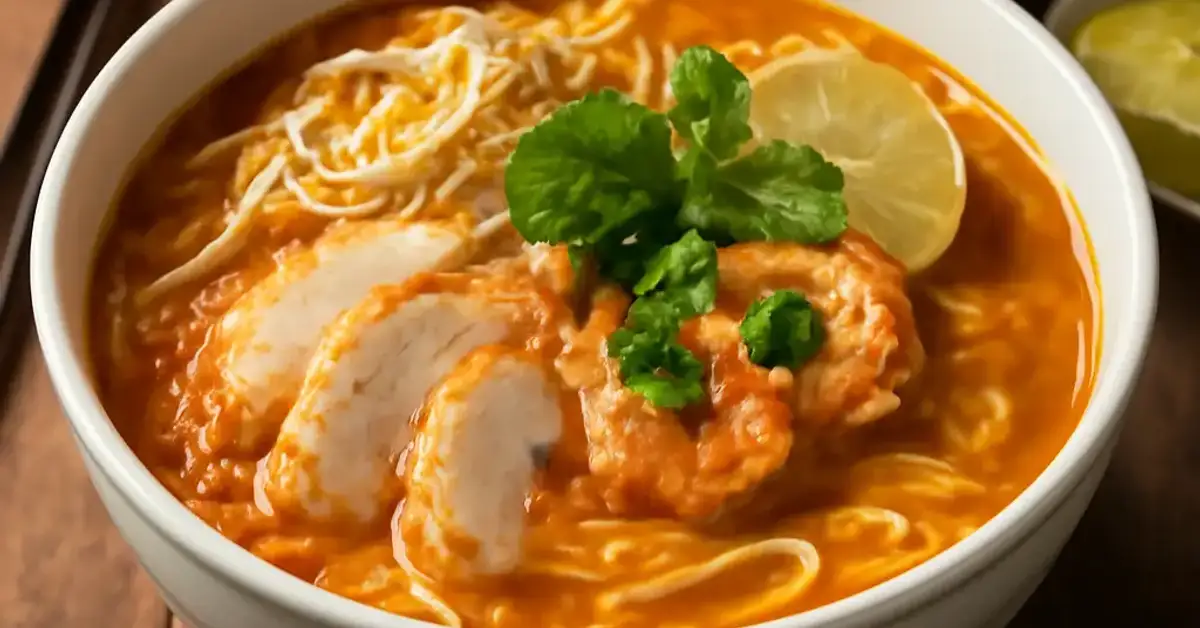
- KL’s Laksa Lemak is a creamy coconut dream, often loaded with cockles and tofu puffs.
- Johor’s Laksa Johor uses spaghetti instead of rice noodles — a unique Peranakan twist.
Why the best laksa in Malaysia Is a Regional Obsession
Malaysians take their laksa seriously. Walk into any kopitiam (coffee shop) across the country, and you’ll hear the sizzle of woks, the slap of ladles against metal bowls, and the sharp aroma of belacan (shrimp paste) cutting through the air. Every state has its own spin — some sour, some creamy, some fiery. The best laksa in Malaysia depends on where you are, but a few legendary bowls are worth traveling for. For a related guide, see Best Halal Food Spots Across Malaysia: 12 Must-Try Eateries.
We’ve slurped our way through Penang, KL, Johor, Malacca, Sarawak, Ipoh, and even Kelantan to bring you seven spots that define the dish. Each entry includes a tip to make your visit smoother — because nothing kills a laksa high like showing up after they’ve sold out.
Penang: The Unrivaled Asam Laksa Capital
When Malaysians argue over the best laksa in Malaysia, Penang’s Asam Laksa is usually the first name thrown into the ring. This tangy, fish-based broth gets its sour kick from tamarind (asam) and its depth from flaked mackerel. Thick rice noodles, shredded cucumber, pineapple, onion, and a dollop of prawn paste on top — it’s a flavor bomb that hits every note.
Air Itam Laksa – The Legendary Stall
Address: Jalan Pasar, Air Itam, Penang (right next to the Kek Lok Si temple).
This stall has been slinging bowls since the 1960s. The broth is dark, sour, and loaded with generous chunks of fish. Arrive before 11 AM — the queue snakes down the street by lunchtime, and they often sell out by 2 PM.
Tip: Ask for extra sambal belacan if you like heat. Squeeze the calamansi wedge over the noodles before mixing — it lifts the whole bowl.
Penang Road Famous Teochew Chendul – Yes, They Do Laksa Too
Address: 27 and 29, Lebuh Keng Kwee, George Town.
Most people come for the chendul, but this corner shop also serves a solid Asam Laksa. It’s a bit sweeter and less sour than Air Itam’s, making it a gentler entry point for first-timers. The broth is still packed with mackerel and pineapple.
Tip: Order a bowl of chendul after your laksa — the icy coconut milk dessert cuts through the heat beautifully.
Kuala Lumpur: Creamy Laksa Lemak and Hidden Gems
KL’s version of laksa is Laksa Lemak — a rich, coconut milk-based broth infused with lemongrass, galangal, and turmeric. It’s thicker than Asam Laksa, often loaded with cockles, bean sprouts, and tofu puffs, and served with thin vermicelli or yellow noodles. The best laksa in Malaysia’s capital can be found in old shophouses and bustling food courts.
LaksaLemak@SS15 – The Subang Institution
Address: 69, Jalan SS15/4B, Subang Jaya.
This place draws college students and corporate types alike. The broth is velvety, not too spicy, and studded with fresh cockles. You can add extra sambal or ask for a “double cockle” portion. The fried tofu puffs soak up the broth like sponges — a must-order.
Tip: Go on a weekday afternoon to avoid the lunch rush. They close by 5 PM, so plan ahead.
Village Park Restaurant – Casual Laksa with a Side of Nasi Lemak
Address: 5, Jalan SS21/37, Damansara Utama.
Village Park is famous for its nasi lemak, but their Laksa Lemak is just as good. The broth is lighter than other versions, with a noticeable coconut sweetness. The portion is generous — one bowl is enough for a meal.
Tip: Pair your laksa with a glass of iced barley or a cold Teh Tarik. Avoid peak lunch hours (12–2 PM) when the queue spills onto the street.
Johor: Laksa Johor – Spaghetti in a Spicy Gravy
Johor’s take on laksa is unlike anywhere else — they use spaghetti instead of rice noodles. This Peranakan-influenced dish features a thick, coconut-based gravy flavored with dried shrimp, lemongrass, and turmeric, then served with a side of sambal belacan and calamansi. It’s messy, addictive, and utterly delicious.
Laksa Johor Stall at Jalan Ungku Puan
Address: Along Jalan Ungku Puan, near the Johor Bahru city center (look for the yellow awning).
This street stall has been serving Laksa Johor for over 40 years. The gravy is rich and slightly sweet, and the spaghetti is cooked al dente. The sambal is fiery — use sparingly.
Tip: Eat with your hands if you want the authentic experience (the stall provides finger bowls). Go early — they often finish by 1 PM.
Malacca: Nyonya Laksa – A Peranakan Masterpiece
Malacca’s Nyonya Laksa is a beautiful hybrid — the broth is part Asam (sour) and part Lemak (creamy), with a strong turmeric and galangal base. Topped with shredded chicken, prawns, bean sprouts, and a hard-boiled egg, it’s a bowl of pure comfort. If you’re hunting for the best laksa in Malaysia from the Peranakan tradition, this is it.
Nancy’s Kitchen – Family Recipe Done Right
Address: 7, Jalan Hang Lekir, Melaka.
Nancy’s Kitchen is a tiny family-run restaurant serving authentic Nyonya dishes. Their Laksa Nyonya is legendary — the broth is complex, layered with lemongrass, candlenuts, and belacan, and the portion is just right.
Tip: Call ahead to reserve a bowl — they often run out by 2 PM. Also try their cendol and ayam pongteh.
Sarawak: Sarawak Laksa – A Breakfast Bowl Unlike Any Other
Sarawak Laksa is a breakfast staple in Kuching — a thin, aromatic broth made from a spice paste of sambal belacan, garlic, and galangal, then enriched with coconut milk. It’s lighter than KL’s Laksa Lemak but just as flavorful, often served with shredded chicken, egg, and a side of lime and sambal.
Chong Choon Café – The Original Sarawak Laksa
Address: Lot 55, Jalan Abell, Kuching.
This café has been serving Sarawak Laksa since the 1980s. The broth is clear but packed with flavor — not too spicy, with a subtle sweetness from the coconut milk. The shredded chicken is tender, and the egg adds richness.
Tip: Come for breakfast (7–10 AM) when the broth is freshest. Add a dash of lime and a spoonful of sambal to wake up the flavors.
Foo Chow Cafe – Local Favorite
Address: 84, Jalan Padungan, Kuching.
Foo Chow is less touristy than Chong Choon and a favorite among locals. Their broth is slightly thicker and spicier, with a noticeable shrimp flavor from the sambal belacan.
Tip: Order a bowl with extra prawns — they’re plump and sweet. Avoid the lunch rush if you want a seat.
Ipoh: Ipoh Laksa – A Northern Twist with a Clear Broth
Ipoh’s version is lighter and cleaner than Penang’s Asam Laksa, with a broth made from fish stock, assam (tamarind), and a hint of lemongrass. The noodles are thin, and the toppings are minimalist — shredded cucumber, onion, and a dollop of prawn paste. It’s a subtle, refreshing bowl perfect for a hot day.
Kedai Kopi Sin Yuen – Ipoh’s Hidden Gem
Address: 19, Jalan Ali Pitchay, Ipoh.
This old-school coffee shop serves an excellent Ipoh Laksa. The broth is light but deeply savory, with a clean sourness that doesn’t overpower. The homemade prawn paste is the star — ask for extra.
Tip: Go before noon — they sell out fast. Pair it with a cup of white coffee from the same shop.
Kelantan: Laksa Kelantan – A Mild, Sweet Surprise
Kelantanese Laksa is surprisingly mild compared to other regional styles. The broth is made from fish (usually ikan kembung or mackerel), coconut milk, and a gentle spice paste. It’s served with thick rice noodles (laksa) and a mountain of raw vegetables — ulam (herbs), cucumber, and bean sprouts.
Warung Nasi Ulam Cikgu – Laksa Kelantan Done Right
Address: Jalan Sultan Yahya Petra, Kota Bharu (near the market).
This warung serves a home-style Laksa Kelantan that’s creamy, mild, and packed with fresh herbs. The broth is neither sour nor spicy — it’s comforting and subtle, with the vegetables adding crunch and freshness.
Tip: Eat it with a side of budu (fermented fish sauce) for a true Kelantanese experience. Go early — they close by 11 AM.
Useful Resources
For more on Malaysia’s diverse laksa culture, check out Malaysia Tourism’s Laksa Guide — an official resource on regional variations. If you’re planning a food trip, the Atlas Obscura article on Malaysian Laksa offers fascinating history and lesser-known stalls.
Frequently Asked Questions About best laksa in Malaysia
What is the best laksa in Malaysia for first-timers?
For first-timers, start with Penang Asam Laksa — it’s the most iconic and balanced. The sour broth with mackerel and pineapple is not too spicy and introduces the core flavors of Malaysian laksa.
Is Penang Asam Laksa the best laksa in Malaysia overall?
Many locals and food critics rank Penang Asam Laksa as the absolute best due to its bold, tangy flavor and historical significance. But personal preference varies — some prefer KL’s creamy Laksa Lemak or Johor’s spaghetti-based version.
Where can I eat the best laksa in Malaysia in Kuala Lumpur?
For Laksa Lemak in KL, head to LaksaLemak@SS15 in Subang or Village Park Restaurant in Damansara Utama. Both serve rich, coconut-based broths with fresh toppings.
What makes Johor’s laksa different from other regions?
Laksa Johor uses spaghetti instead of rice noodles, and the gravy is thicker and sweeter due to added coconut milk and dried shrimp. It’s a unique Peranakan influence.
Is Sarawak Laksa better than Penang Laksa?
They’re very different — Sarawak Laksa is lighter, more aromatic, and served for breakfast, while Penang Laksa is sour and hearty. Which is “better” depends on your taste. Both are essential Malaysian experiences.
What is Nyonya Laksa?
Nyonya Laksa is a Peranakan-style hybrid that balances sourness and creaminess. It features a turmeric-laced coconut broth with shredded chicken, prawns, and a hard-boiled egg. Malacca is the best place to try it.
Can I find vegetarian laksa in Malaysia?
Yes, some stalls and restaurants offer vegetarian versions using mushroom stock and tofu. However, traditional laksa relies heavily on fish and shrimp paste, so options are limited. Look for Buddhist vegetarian eateries in KL and Penang.
What are the key ingredients in Malaysian laksa?
Common ingredients include rice noodles, fish (usually mackerel), tamarind, coconut milk, belacan (shrimp paste), lemongrass, galangal, turmeric, and chili. Toppings vary by region.
Is laksa spicy?
Most laksa varieties are moderately spicy, with heat coming from sambal belacan or fresh chilies. Asam Laksa is tangy rather than fiery, while Laksa Lemak can have more heat depending on the stall. For a related guide, see 10 Best Nasi Lemak Spots in Malaysia for an Authentic Feast.
What time should I go to a laksa stall to avoid it selling out?
Most stalls sell out by early afternoon, especially popular ones. Aim to arrive between 7 AM and 11 AM for breakfast-time laksa, or before 1 PM for lunch services.
Do laksa stalls accept credit cards?
Most street stalls and kopitiams are cash-only. Some modern cafés like Village Park accept cards. Always carry small bills (RM5, RM10) for hawker stalls.
Is it common to eat laksa for breakfast in Malaysia?
Yes, especially in Sarawak and Kelantan where laksa is a breakfast dish. In Penang and KL, it’s eaten throughout the day — though lunch is the most popular meal time.
What drinks pair best with laksa?
Iced barley, Teh Tarik (pulled milk tea), or calamansi juice are excellent choices to cool the palate. Avoid heavy, sweet drinks that compete with laksa’s complex flavors.
Can I make laksa at home?
Absolutely. You can buy laksa paste (e.g., from brands like Admiral or Prima Taste) in Asian supermarkets. Simmer with coconut milk or tamarind water, add mackerel or chicken, and serve over rice noodles with fresh toppings.
What is the difference between laksa and curry noodles?
Laksa uses a spiced broth base with fish or shrimp paste, while curry noodles rely on a coconut-curry gravy. Laksa is more sour and aromatic; curry noodles are richer and sweeter.
Are there halal laksa options?
Yes, most laksa stalls are run by Malay or Peranakan Muslims, making them halal. Check for halal certification signage if you’re unsure. Pork-based versions are rare but exist in some Chinese-style eateries.
What is the spiciest laksa in Malaysia?
Laksa Lemak from KL can be quite spicy due to fresh chilies and sambal. Some stalls in Penang also serve a “super spicy” Asam Laksa — ask for extra sambal belacan if you want more heat.
How do I order laksa like a local?
Just say “Laksa satu” (one laksa) and specify your preferred noodle type if there’s a choice (rice noodles vs. vermicelli). Add “extra sambal” if you like it hot. Pay after eating — it’s common in kopitiams.
What’s the best time of year to eat laksa in Malaysia?
Laksa is available year-round. However, rainy seasons (October–December in the east coast, April–May in the west) make a hot bowl of laksa even more satisfying.
Can I find the best laksa in Malaysia in Singapore?
You can find decent laksa in Singapore (like Katong Laksa), but it differs significantly — it’s creamier with smaller noodles. For authentic Malaysian varieties, you’ll need to cross the border.