

authentic Malaysian food recommendations Key Takeaways
Malaysia is a Southeast Asian crossroads where Malay, Chinese, and Indian culinary traditions merge into one of the world’s most vibrant food cultures.
Why Authentic Malaysian Food Recommendations Matter for Your First Visit
Walking into a Malaysian hawker centre for the first time can be overwhelming. Rows of stalls display everything from steaming bowls of curry to sizzling wok-fried noodles. Without guidance, you might miss the dishes that define the country’s soul. That is why reliable authentic Malaysian food recommendations help you prioritise what to eat and where to find it. Malaysian cuisine is not monolithic — each state adds its own spin, and knowing the cultural context transforms a simple meal into a memorable experience. For a related guide, see 10 Must Malaysian Cuisine Dishes for Authentic Food Lovers.
What Makes Malaysian Food Unique
Malaysian food balances four core flavours: spicy, sour, sweet, and savoury. The liberal use of coconut milk, lemongrass, turmeric, and tamarind creates layers that keep you coming back for more. Unlike Thai or Vietnamese cuisine, Malaysian food often combines multiple cooking traditions in a single dish. For example, a plate of nasi goreng might include Malay sambal, Chinese soy sauce, and Indian curry leaves — all in one bite.
11 Best Malaysian Dishes You Must Try
Here are the top 11 best Malaysian dishes that no first-timer should skip. Each entry includes a short description, what to look for in an authentic version, and where to find it.
1. Nasi Lemak — The National Dish
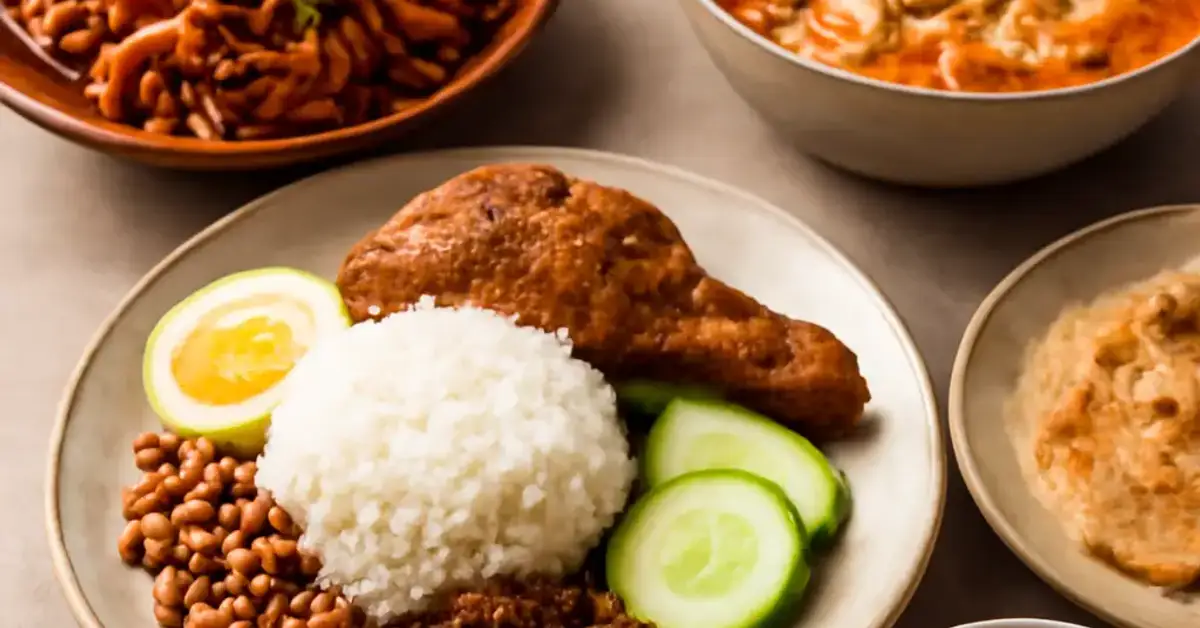
Nasi lemak is coconut rice served with spicy sambal, fried anchovies, peanuts, hard-boiled egg, and cucumber slices. The sambal is the heart of the dish — it should be sweet, spicy, and slightly smoky. For the most authentic experience, visit a where to eat in Malaysia classic like Village Park Restaurant in Petaling Jaya or any Malay warung at dawn.
2. Char Kway Teow — Wok-Fried Noodles
Flat rice noodles stir-fried with dark soy sauce, shrimp, cockles, Chinese sausage, eggs, and bean sprouts. The best versions have “wok hei” — a smoky char from a red-hot wok. Penang is the birthplace of this dish. Head to Lorong Selamat in George Town for a legendary plate.
3. Asam Laksa — Sour Fish Noodle Soup
A tangy, spicy fish-based noodle soup from Penang. The broth uses mackerel, tamarind, lemongrass, and galangal, topped with cucumber, onion, pineapple, and mint. It is radically different from the coconut-based laksa found in other regions. Try it at Pasar Air Itam in Penang.
4. Satay — Grilled Meat Skewers
Skewers of marinated chicken or beef grilled over charcoal, served with a rich peanut sauce, ketupat (compressed rice cakes), and cucumber relish. Look for stalls that grill over real charcoal — that smoky aroma is essential. Kajang, just south of Kuala Lumpur, is famous for its satay.
5. Roti Canai — Flaky Flatbread
A crispy, layered flatbread served with dal (lentil curry) or dhal curry. The dough is tossed and flipped in the air until paper-thin, then folded and cooked on a griddle. Mamak (Indian Muslim) stalls in Kuala Lumpur, such as those along Jalan Masjid India, serve the best versions.
6. Nasi Kandar — Rice with Curry Medley
Steamed rice surrounded by a selection of curries, fried chicken, fish, and vegetables. The hallmark is the “banjir” (flood) — ladling multiple curry gravies over the rice. Penang’s Line Clear Nasi Kandar is a famous stop for this robust meal.
7. Laksa Lemak — Creamy Coconut Laksa
Unlike asam laksa, laksa lemak uses a rich coconut milk broth flavoured with shrimp paste, chillies, and lemongrass. It is popular in Kuala Lumpur and Johor. Look for a stall that offers fresh shrimp, tofu puffs, and a hard-boiled egg as toppings.
8. Hokkien Mee — Dark Soy Noodles
Thick yellow noodles stir-fried in dark soy sauce with pork slices, squid, and cabbage, often served with a side of sambal. Kuala Lumpur’s version uses a thick, starchy gravy, while the Penang variant is drier. Try it at Jalan Alor in KL for a bustling night-market experience.
9. Cendol — Icy Dessert
Shaved ice topped with green rice flour jelly, coconut milk, palm sugar syrup, and red beans. It is the quintessential Malaysian refresher after a spicy meal. The best cendol in Kuala Lumpur can be found at Penang Road Famous Teochew Chendul, though it originated in Penang.
10. Ipoh Hor Fun — Silky Noodles in Broth
Flat rice noodles in a clear, flavourful chicken or prawn broth, topped with shredded chicken, prawns, and chives. The noodles are incredibly smooth and silky. Ipoh, the capital of Perak, is the place to eat this dish — try it at Kong Heng or Kedai Kopi Sin Yoon Loong.
11. Murtabak — Stuffed Pan-Fried Bread
A crispy, stuffed roti filled with minced meat, onions, and egg, cooked until golden. It is often served with curry sauce and pickled onions. Mamak stalls across Malaysia serve murtabak, but the ones in Penang’s Cecil Street Market are particularly well regarded.
Where to Eat in Malaysia: Practical Tips for First-Timers
Knowing where to eat in Malaysia is just as important as knowing what to order. Hawker centres, wet markets, and food courts offer the most authentic versions of these dishes. Avoid tourist-heavy areas like Bukit Bintang if you want local quality. Instead, follow these tips:
- Look for queues — locals know the best stalls.
- Eat at the stall that has run out of an ingredient; it means the food is fresh.
- Bring small denominations — many hawkers accept cash only.
- Visit during off-peak hours (3 PM or 9 PM) to avoid long waits.
- Drink only bottled water or hot tea to avoid stomach discomfort.
Regional Food Hotspots
Penang is the undisputed food capital, especially in George Town. Kuala Lumpur offers a wider variety due to its size. Johor Bahru has strong Indonesian influences. Malacca is known for Baba Nyonya (Peranakan) cuisine. If you can, plan a dedicated food-hopping itinerary rather than relying on hotel restaurants.
Useful Resources
For deeper exploration of Malaysian food culture, check out these resources:
- Nyonya Cooking — A comprehensive site for Peranakan recipes and food history.
- Eating Asia — Robyn Eckhardt’s blog offers excellent on-the-ground reporting about Malaysian street food and hawkers.
Frequently Asked Questions About Authentic Malaysian Food Recommendations
Final Thoughts on Authentic Malaysian Food Recommendations
Exploring Malaysian food is one of the most rewarding travel experiences in Southeast Asia. These authentic Malaysian food recommendations give you a solid foundation: start with nasi lemak for breakfast, work through the 11 dishes, and let your taste buds guide you. Remember that the best Malaysian food is often found in the least expected places — a humble stall next to a petrol station or a family-run kopitiam in a quiet alley. So go hungry, stay curious, and enjoy every bite. For a related guide, see 10 Best Hawker Foods in Malaysia You Must Try in 2025.
Frequently Asked Questions About authentic Malaysian food recommendations
What is the most authentic Malaysian food for first-timers?
Start with nasi lemak — it is the national dish and captures the balance of spicy, savoury, and sweet that defines Malaysian cuisine.
Is Malaysian food very spicy?
Some dishes are spicy, but you can ask for “kurang pedas” (less spicy) at most stalls. Dishes like Ipoh hor fun and roti canai are mild.
Where can I eat authentic Malaysian food in Kuala Lumpur?
Jalan Alor, Kampung Baru, and the hawker centre at Central Market are excellent starting points. For nasi kandar, head to Masjid India area.
What is the difference between Penang laksa and KL laksa?
Penang laksa (asam laksa) has a sour fish-based broth, while KL laksa (laksa lemak) uses a creamy coconut milk base.
Are halal options widely available?
Yes, the majority of hawker stalls and restaurants in Malaysia are halal. Look for the halal certificate or ask the stall owner.
What is the best time to eat at a hawker centre?
Late morning (10 AM–12 PM) for breakfast dishes, and evening (6 PM–9 PM) for dinner when stalls are busiest and food is freshest.
How much does a typical street meal cost in Malaysia?
A typical hawker meal ranges from 5 to 15 Malaysian ringgit (about 1.50 to 4 USD), depending on the dish and location.
Do I need to tip at hawker centres?
Tipping is not expected in hawker centres. Prices are already low. A simple “terima kasih” (thank you) is enough.
Can vegetarians find authentic Malaysian food ?
Yes. Look for “vegetarian” or “sayur” stalls, or order roti canai with dhal, fried rice without meat, and cendol for dessert.
What is the most popular street food in Penang?
Char kway teow and asam laksa are the most celebrated Penang street foods. Both are widely available in George Town.
Is it safe to drink tap water in Malaysia?
It is generally safe in urban areas, but most locals and travellers drink bottled or boiled water to be safe.
What is the best Malaysian dessert?
Cendol is the most iconic — shaved ice with green jelly, coconut milk, and gula Melaka (palm sugar).
How do I order food if I don’t speak Malay?
Most hawker owners understand basic English. Pointing at what others are eating also works. Learn “satu ini” (one of this) and “berapa?” (how much?).
What is a typical Malaysian breakfast?
Nasi lemak, kaya toast with soft-boiled eggs, or roti canai with teh tarik (pulled milk tea) are common Malaysian breakfasts.
Are there any food allergies I should be aware of?
Peanuts and shrimp paste are common in sambal and sauces. Coconut milk is used extensively. Always inform the stall owner of any allergies.
What is the best way to explore Malaysian food culture?
Join a guided food walk in Penang or Kuala Lumpur. Alternatively, rent a car and drive to small towns for home-cooked meals.
Is Malaysian food similar to Indonesian or Thai cuisine?
There are overlaps, but Malaysian food has unique influences from Chinese and Indian cooking, making it distinct from its neighbours.
What drinks go well with spicy Malaysian food?
Teh tarik (pulled milk tea), iced barley water, and sugarcane juice are local favourites that cool the palate.
Can I find Malaysian food outside of Malaysia?
Yes, in cities like Singapore, Melbourne, London, and New York, though authenticity varies. Check reviews for Malaysian expat recommendations.
What is the most underrated Malaysian dish?
Nasi ulam is a fragrant rice salad with herbs and grated coconut, often overlooked by tourists but cherished by locals.