

Best Chinese Restaurants in Malaysia Key Takeaways
Malaysia’s Chinese food scene is a vibrant tapestry of regional traditions—from Cantonese dim sum and Hokkien noodles to Teochew seafood.
- The best Chinese restaurants Malaysia span street stalls, family-run kopitiams, and upscale dining rooms across KL, Penang, and Ipoh.
- Signature dishes include char kway teow, dim sum, Hainanese chicken rice, and steamed fish in claypot.
- Local cues like the queue length and wok hei aroma help you spot the real deal before you even sit down.
What Makes a Chinese Restaurant in Malaysia Stand Out
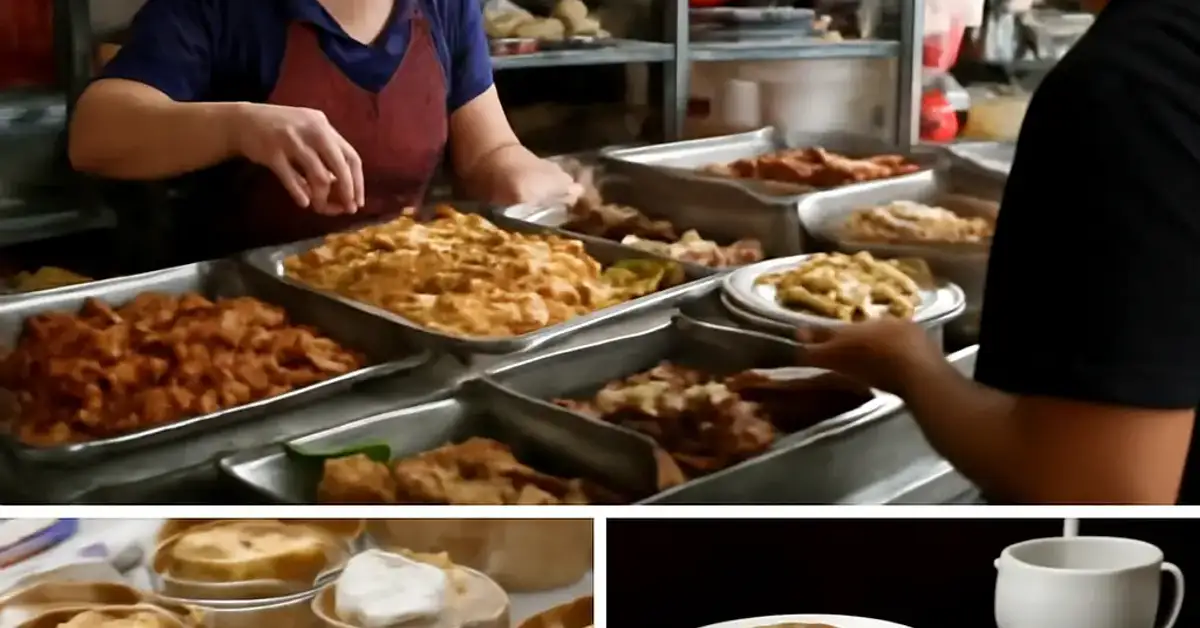
Choosing the best Chinese restaurants in Malaysia isn’t just about looking at a menu. The most memorable spots share a few common traits: wok hei (that smoky breath of the wok), fresh ingredients sourced daily, and a loyal crowd of regulars. Many of these places have been around for decades, passing recipes through generations. When you walk in, you’ll often see families sharing large tables, the clatter of tea cups, and steam rising from bamboo baskets.
Regional Chinese Cuisines in Malaysia
Malaysia is home to several Chinese dialect groups, and each brings its own flavour. Cantonese restaurants dominate KL with dim sum and roast meats. Hokkien-style spots serve thick, dark soy noodles and fried oyster omelettes. Teochew eateries focus on clear soups and braised duck. Hakka stalls offer stuffed tofu and yong tau foo. And Peranakan (Nyonya) cuisine blends Chinese ingredients with Malay spices, creating unique dishes like ayam buah keluak. For a related guide, see Traditional Malaysian Food Explained: 7 Essential Dishes to Try.
Our Criteria for Selecting the Best Chinese Restaurants Malaysia
To compile this list of top Chinese food Malaysia spots, we looked at authenticity, consistency, ingredient quality, service, and value. We also considered local reputation and longevity—restaurants that have survived the test of time usually serve the real deal. We ate our way through KL, Petaling Jaya, Penang, Ipoh, and Melaka, sampling everything from roadside noodle stalls to white-tablecloth dining rooms. For a related guide, see Penang Food Guide: 10 Must-Try Local Dishes and Top Restaurants.
12 Best Chinese Restaurants in Malaysia You Must Try
Here’s our curated list of the best Chinese restaurants in Malaysia, arranged by location and style. Each entry includes a signature dish and what makes it special.
1. Lai Po Heen (Kuala Lumpur)
Located inside the Mandarin Oriental, Lai Po Heen serves refined Cantonese classics. Their dim sum platter is a masterpiece—silky har gow, fluffy char siu buns, and delicate siew mai. The Peking duck is carved tableside and wrapped in paper-thin pancakes. It’s one of the best Chinese restaurants Malaysia for a special occasion.
2. Yook Woo Hin (Kuala Lumpur)
This old-school Chinese restaurant in Pudu has been serving dim sum from pushcarts since the 1950s. The steamed pork ribs with black bean sauce and the egg tarts are legendary. Come early—by 9 a.m., most carts are empty. It’s a living piece of KL’s culinary history.
3. Oversea Restaurant (Multiple Locations)
Oversea is a household name for Cantonese-style seafood and yee sang (raw fish salad) during Chinese New Year. Their steamed soon hock (marble goby) with superior soy sauce is perfectly cooked. The atmosphere is lively, and the dim sum buffet on weekends draws big crowds.
4. Sin Mee Hwa (Penang)
Tucked away in Chulia Street, Sin Mee Hwa is famous for its Hokkien prawn noodles (har mee). The broth is deeply flavoured with prawn heads and pork bones, topped with plump prawns and crispy lard. It’s a hole-in-the-wall spot, but the queue speaks for itself.
5. Kedai Kopi Heng Huat (Penang)
This coffee shop in George Town houses a stall that serves one of Penang’s best char kway teow. The flat rice noodles are stir-fried over high heat with prawns, cockles, Chinese sausage, and egg. Each plate carries a distinct smoky wok hei. Expect a 30-minute wait, but it’s worth it.
6. Lou Wong Bean Sprout Chicken (Ipoh)
Ipoh is famous for its silky white chicken and crunchy bean sprouts, and Lou Wong is the king. The chicken is poached to tender perfection, served with dark soy sauce and a side of ginger-scallion dip. The bean sprouts, grown in mineral-rich water, are fat and sweet. It’s a pilgrimage spot for Malaysia Chinese cuisine guide enthusiasts.
7. Restoran Foh San (Ipoh)
Foh San is a dim sum institution in Ipoh. Their chee cheong fun (rice noodle rolls) with prawn and chives are soft and elastic. The siew mai and fried wontons are also excellent. The restaurant is huge, but it still fills up fast on weekends.
8. Nancy’s Kitchen (Melaka)
Nancy’s Kitchen serves authentic Nyonya cuisine in a shophouse setting. Try the chicken pongteh (chicken braised in fermented soybean) and the babi assam (pork in tamarind gravy). The flavours are bold, tangy, and comforting. It’s a must for anyone exploring the fusion side of Chinese food in Malaysia.
9. Restoran Yuso (Kuala Lumpur)
Yuso is a hidden gem in Cheras famous for its Hakka yong tau foo—tofu, eggplant, and bitter gourd stuffed with fish paste. You pick your ingredients from a counter, and they’re boiled or fried to order. The fish paste is springy and fresh, and the accompanying noodles in soy broth are a perfect finish.
10. Kin Kin (Kuala Lumpur)
Kin Kin in Chow Kit is the go-to for pan mee (flat noodles in spicy soup). The hand-pulled noodles have a pleasant chew, and the broth is rich with dried anchovies and mushrooms. The chili sauce adds a serious kick. It’s a casual spot, but the flavour is anything but.
11. Jade Garden (Kuala Lumpur)
Jade in Jalan Imbi offers Cantonese roast meats: crispy pork belly, char siu, and roast duck. The skin is crackling, the meat is juicy, and the sauces are house-made. You can order a mixed platter over rice for a quick, satisfying meal.
12. Tai Thong (Multiple Locations)
Tai Thong is a chain that still feels personal. Their steamed garoupa with ginger and spring onion is a classic. The restaurant’s steady quality has made it a family favourite for decades. It’s a reliable choice when you need a consistent Chinese meal anywhere in Malaysia.
Comparison Table: Best Chinese Restaurants in Malaysia
| Restaurant | Location | Specialty | Price Range |
|---|---|---|---|
| Lai Po Heen | KL | Cantonese dim sum, Peking duck | $$$ |
| Yook Woo Hin | KL | Pushcart dim sum | $ |
| Oversea | Multiple | Seafood, yee sang | $$ |
| Sin Mee Hwa | Penang | Hokkien prawn noodles | $ |
| Kedai Kopi Heng Huat | Penang | Char kway teow | $ |
| Lou Wong | Ipoh | White chicken, bean sprouts | $$ |
| Foh San | Ipoh | Dim sum | $$ |
| Nancy’s Kitchen | Melaka | Nyonya dishes | $$ |
| Yuso | KL | Hakka yong tau foo | $ |
| Kin Kin | KL | Pan mee | $ |
| Jade | KL | Roast meats | $ |
| Tai Thong | Multiple | Cantonese staples | $$ |
Tips for Choosing the Right Chinese Restaurant in Malaysia
With so many options, narrowing down the best Chinese restaurants Malaysia can feel overwhelming. Here are a few insider tips.
Look for Crowded Tables at Lunch
If a restaurant is packed with locals at noon, the food is probably outstanding. Empty dining rooms in the middle of lunch hour are a red flag.
Prioritise Fresh Ingredients
Chinese cuisine in Malaysia relies heavily on fresh seafood, vegetables, and house-made sauces. Restaurants that display live fish tanks or dry-age their ducks often deliver higher quality.
Consider Your Group Size
Large groups can share multiple dishes family-style, which is both cost-effective and fun. For solo diners, hawker stalls or noodle shops are more practical.
Check the Menu for Regional Specialties
If you’re in Penang, go for Hokkien or Nyonya dishes. In Ipoh, the white chicken and bean sprouts are non-negotiable. In KL, you’ll find the widest variety of Cantonese and Hakka options.
Useful Resources
For more on Malaysian Chinese food culture, check out these trusted sources:
- Malaysia Foodie – A detailed food blog covering hawker treasures and fine dining across the country.
- The Star Food – Malaysia’s leading English-language newspaper’s food section, with reviews and features on Chinese restaurants.
We hope this guide helps you discover the best Chinese restaurants in Malaysia for your next outing. Have a favourite spot we missed? Share your go-to Chinese restaurant in the comments below—we’d love to hear your recommendations and update our list for fellow food lovers!
Frequently Asked Questions About Best Chinese Restaurants in Malaysia
What is the best Chinese restaurant in Malaysia for dim sum?
Lai Po Heen in Kuala Lumpur is widely regarded as the best for high-end dim sum, while Yook Woo Hin offers a nostalgic pushcart experience at lower prices.
Are there halal Chinese restaurants in Malaysia?
Yes, many Chinese restaurants in Malaysia are halal-certified, especially in areas with mixed populations. Look for the halal logo at the entrance or check online reviews before visiting.
What is the most popular Chinese dish in Malaysia?
Char kway teow, Hainanese chicken rice, and dim sum are among the most popular Chinese dishes in Malaysia, but preferences vary by region.
Do I need to make a reservation at Chinese restaurants in Malaysia?
For high-end restaurants like Lai Po Heen, reservations are strongly recommended. For hawker stalls and coffee shops, walk-in and queue is standard.
What is the average cost of a Chinese meal in Malaysia?
Hawker meals cost between RM5–RM15, mid-range restaurants RM20–RM50 per person, and upscale dining RM100–RM300 per person.
Which Chinese restaurant in Malaysia is best for seafood?
Oversea and Tai Thong are excellent for Cantonese-style seafood. For coastal specialties, head to Penang’s waterfront restaurants.
Is Chinese food in Malaysia spicy?
Most Chinese dishes are mild to moderate in spiciness. However, Nyonya and some Hakka dishes can be quite spicy due to the use of chili and sambal.
What is the best Chinese restaurant in Penang?
Sin Mee Hwa for Hokkien prawn noodles and Kedai Kopi Heng Huat for char kway teow are top choices. For Nyonya cuisine, try Nancy’s Kitchen in Melaka.
Can I find vegetarian Chinese food in Malaysia?
Yes, many Chinese restaurants offer vegetarian versions of classic dishes, especially in KL and Penang. Look for “restoran sayur-sayuran” signs.
What is the best time to visit Chinese restaurants in Malaysia?
Dim sum is best enjoyed in the morning, while noodle stalls are busiest at lunch. Dinner service usually starts around 6 p.m. and peaks at 8 p.m.
Are Chinese restaurants in Malaysia open on public holidays?
Many Chinese restaurants close on major holidays like Chinese New Year. It’s wise to call ahead or check social media for opening hours.
What is the difference between Cantonese and Hokkien food in Malaysia?
Cantonese food is lighter, with steamed dishes and subtle sauces. Hokkien food is darker and richer, using thick soy sauce, lard, and stronger spices.
Which Chinese restaurant in Malaysia is best for families?
Tai Thong and Oversea are family-friendly with spacious seating, children’s menu options, and a warm atmosphere.
Do Chinese restaurants in Malaysia serve alcohol?
Most do, especially mid-range and upscale establishments. Beer and Chinese tea are the most common accompaniments.
What is the best Chinese restaurant in Ipoh?
Lou Wong for white chicken and bean sprouts, and Foh San for dim sum are the top two choices in Ipoh.
How do I identify authentic Chinese food in Malaysia?
Look for restaurants with a heavy footfall of Chinese locals, a menu written in Chinese characters, and a kitchen that’s open to view.
Is it common to tip at Chinese restaurants in Malaysia?
Tipping is not expected but is appreciated, especially in fine-dining establishments. Some restaurants include a service charge in the bill.
What is the best Chinese restaurant in KL for roast meats?
Jade in Jalan Imbi is renowned for its crispy pork belly and char siu. The queue at lunchtime is a testament to its quality.
Can I order delivery from Chinese restaurants in Malaysia?
Yes, many Chinese restaurants in Malaysia offer delivery via GrabFood, Foodpanda, or directly through their own delivery service.
What should I order if I’m visiting a Chinese restaurant for the first time in Malaysia?
Start with a classic like Hainanese chicken rice or char kway teow. Then branch out to regional specialties based on the restaurant’s focus.