
Malaysian food tour Key Takeaways
A Malaysian food tour is one of the most exciting culinary adventures you can take in Southeast Asia.
- Begin your Malaysian food tour in Penang, the undisputed street food capital, then explore Kuala Lumpur and Malacca for variety.
- Seven must-try dishes include char koay teow, nasi lemak, satay, roti canai, laksa, asam pedas, and cendol.
- Halal food is widely available, and local tips like eating where queues are long ensure an authentic experience.
Why a Malaysian Food Tour Belongs on Every Traveler’s List
Malaysia is a crossroads of cultures, and its food tells that story in every bite. A Malaysian food tour isn’t just about eating—it’s about understanding how Malaysian cuisine evolved from trade, colonization, and migration. The result is a vibrant mix of spicy, sour, sweet, and savory flavors that hit every craving. For a related guide, see 7 Essential Malaysian Night Market Food Picks for First-Timers.
For first-time visitors, the sheer variety can be overwhelming. That’s why this guide focuses on seven essential street eats, practical tips for navigating hawker centers, and advice on finding street food in Malaysia that is both delicious and safe.
Region by Region: The Best Malaysian Dishes to Seek
Each region of Malaysia brings its own specialties. Here’s where to focus your Malaysian food tour for the most authentic flavors.
Penang: The Street Food Capital
Georgetown, Penang, is a UNESCO World Heritage site, but its real treasure is the food. Use this Penang food guide to navigate the iconic dishes:
- Char Koay Teow – Stir-fried flat rice noodles with prawns, Chinese sausage, bean sprouts, and a smoky wok hei flavor.
- Penang Laksa – A tangy, spicy fish-based noodle soup with tamarind, lemongrass, and fresh mint.
- Hokkien Mee – Spicy prawn noodle soup served with squid, pork, and crispy shallots.
Visit Gurney Drive Hawker Centre or the Air Itam market for a true local experience.
Kuala Lumpur: A Melting Pot of Flavors
Kuala Lumpur combines Malay, Chinese, and Indian influences in every corner. Don’t miss:
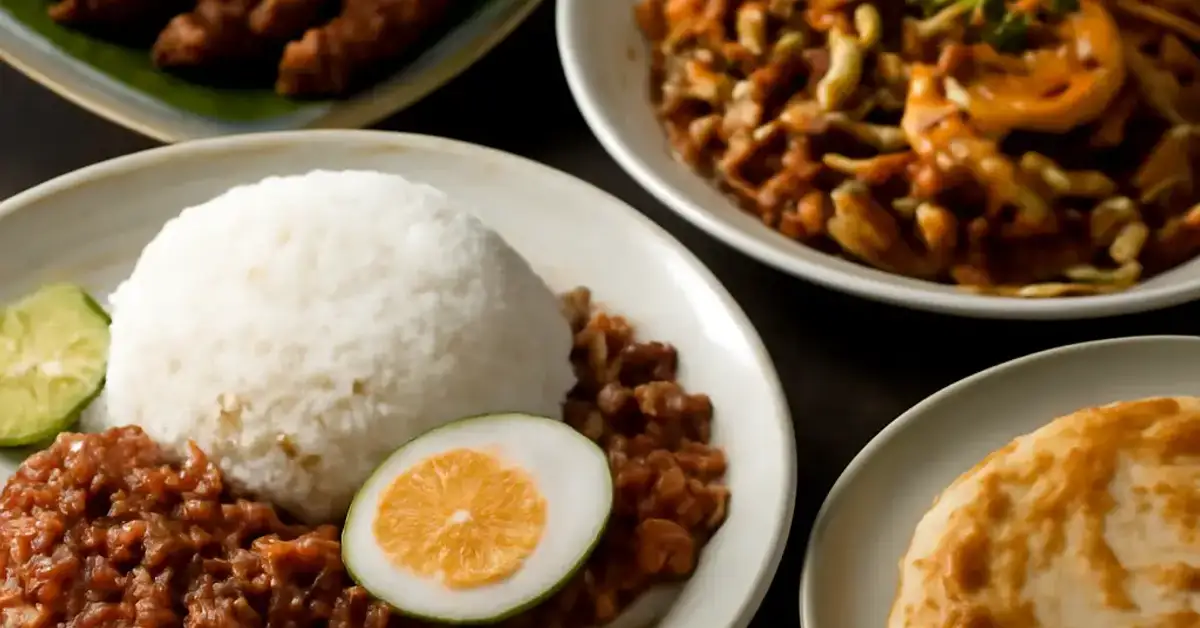
- Nasi Lemak – Fragrant coconut rice served with sambal, fried anchovies, peanuts, boiled egg, and curry chicken. It’s the national dish.
- Satay – Grilled skewers of marinated chicken or beef, served with peanut sauce and ketupat (compressed rice cakes).
- Roti Canai – Flaky, crispy Indian flatbread served with dhal or curry. Best enjoyed for breakfast or a late-night snack.
Head to Jalan Alor food street or the bustling Kampung Baru night market.
Malacca (Melaka): Where History Meets Flavor
Malacca’s cuisine reflects Portuguese, Dutch, and Malay influences. Two must-try dishes:
- Asam Pedas – A sour and spicy fish stew cooked with tamarind, turmeric, and chilies. Usually eaten with steamed rice.
- Chicken Rice Balls – Steamed chicken served with rice shaped into compact balls, originated from Hainanese immigrants.
Explore Jonker Street night market for a full sensory experience with live music and endless food stalls.
7 Must-Try Street Food in Malaysia for Beginners
To make your Malaysian food tour manageable, here’s a checklist of seven iconic dishes. Try at least one from each category: For a related guide, see 7 Essential Malaysian Food Recipes for an Easy Homemade Feast.
| Dish | Main Ingredients | Where to Find It |
|---|---|---|
| Char Koay Teow | Rice noodles, prawns, Chinese sausage, egg | Penang (Georgetown) |
| Nasi Lemak | Coconut rice, sambal, anchovies, peanuts | Kuala Lumpur, nationwide |
| Satay | Skewered meat, peanut sauce | Any night market |
| Roti Canai | Flour, oil, dhal/curry | Malay or Indian mamak stalls |
| Penang Laksa | Fish broth, tamarind, noodles | Penang |
| Asam Pedas | Fish, tamarind, chili, okra | Malacca, Johor |
| Cendol | Shaved ice, coconut milk, green jelly | Any dessert stall |
Tips for a Safe and Delicious Malaysian Food Tour
Eating street food in Malaysia is safe if you follow a few simple guidelines:
- Follow the locals: The busiest stalls have the freshest food. If you see a long queue, join it.
- Drink bottled water: Avoid tap water. Ice is generally safe in reputable stalls, but bottled water is your best bet.
- Halal options: Look for the “Halal” certificate displayed at the stall. Most Malay and Indian-Muslim stalls are halal. Chinese stalls may not be, so ask if unsure.
- Eat where you can see the cooking: Open-air stalls with visible cooking stations are a good sign of hygiene.
- Start small: Sample one or two dishes per meal. Your stomach will thank you, and you’ll save room for more.
Halal Street Food in Malaysia: What You Need to Know
Malaysia is a Muslim-majority country, so halal food is the norm. However, not all street food in Malaysia is halal-certified. Here’s how to navigate:
- Look for the Halal logo from JAKIM (Department of Islamic Development Malaysia). It appears on many stalls.
- Ask directly: Most vendors are honest and will tell you if the food is halal.
- Indian-Muslim (Mamak) stalls are uniformly halal and serve excellent roti canai, nasi kandar, and teh tarik.
- Chinese hawker stalls often use pork or lard. If that’s a concern, stick to Malay or Indian stalls.
Pro tip: In Kuala Lumpur, the Bukit Bintang area has many halal-certified food courts with a wide variety of options.
Your Malaysian Food Tour Checklist: What to Pack
A little preparation goes a long way. Before you set out, grab these essentials:
- Hand sanitizer – Not all stalls have sinks.
- Wet wipes – Useful for sticky fingers after satay or cendol.
- Small cash – Many hawkers don’t accept cards.
- An appetite for adventure – Try dishes you’ve never heard of. That’s the whole point.
Useful Resources
For more in-depth information about Malaysian cuisine and regional food tours, check these trusted sources:
- Tourism Malaysia – Food and Drink – Official guide to Malaysian food culture, festivals, and top food destinations.
- Penang State Government – Food Tourism – Detailed Penang food guide with hawker recommendations and food trail maps.
Malaysia’s street food scene is one of the world’s most exciting, and a well-planned Malaysian food tour will leave you with unforgettable memories—and a happy stomach. Start with the seven dishes above, explore different regions, and always eat where the locals queue. Selamat makan!
Frequently Asked Questions About Malaysian food tour
What is the best time for a Malaysian food tour ?
Morning until late evening. Most street food stalls open around 7 AM for breakfast and close around midnight. Night markets (pasar malam) start at 5 PM.
Is Malaysian street food safe to eat?
Yes, as long as you choose busy stalls with visible cooking. Avoid raw or undercooked food if you have a sensitive stomach.
Do I need to tip at hawker stalls?
No, tipping is not expected. Rounding up the bill is appreciated but not required.
Can I find vegetarian food on a Malaysian food tour ?
Yes, look for Indian vegetarian stalls (especially in Little India) or Chinese Buddhist stalls that serve mock meat dishes.
What are the must-try desserts in Malaysia?
Cendol, ais kacang (shaved ice with red beans, corn, and jelly), and kuih (colorful steamed cakes) are classics.
How spicy is Malaysian food?
It can be very spicy. If you’re sensitive, ask for “kurang pedas” (less spicy) when ordering.
What drinks should I try with my meal?
Teh tarik (pulled milk tea), sirap bandung (rose syrup with condensed milk), and fresh sugarcane juice are refreshing.
How much does street food cost in Malaysia?
Most dishes cost between 3 and 10 Malaysian ringgit (roughly $0.70 to $2.50 USD). Very affordable.
What is the most popular street food in Penang?
Char koay teow is the most iconic, but Penang laksa and cendol are close behind.
Is it easy to find halal food in Kuala Lumpur?
Yes, Kuala Lumpur has thousands of halal-certified eateries, especially in areas like Bukit Bintang and Kampung Baru.
What should I wear for a Malaysian food tour ?
Light, breathable clothing and comfortable walking shoes. The weather is hot and humid year-round.
Can I eat street food if I have a peanut allergy?
Be cautious—peanut sauce is common in satay and gado-gado. Ask the vendor directly about ingredients.
Are there food tours I can join?
Yes, companies like Food Tour Malaysia and Penang Food Tours offer guided walks with local experts.
What is nasi kandar?
Nasi kandar is a popular Indian-Muslim dish: steamed rice served with a variety of curries, fried chicken, and vegetables.
Is Malaysian food similar to Thai food?
They share some ingredients (chili, lemongrass, coconut), but Malaysian food is milder overall and draws more from Chinese and Indian cooking.
What is the best way to eat durian?
Fresh, at a durian stall in Penang or Johor. Many stalls let you taste before buying. Start with a small portion—it’s an acquired taste.
Can I find Western food on a Malaysian food tour ?
Yes, but it’s not the focus. Stick to local specialties for the most authentic experience.
What is the best city for a food tour in Malaysia?
Penang is widely considered the street food capital, but Kuala Lumpur offers the most variety and Malacca the most unique history.
How do I order at a hawker centre?
Find a table, note the number, then go to the stall and order. Some places expect you to pay at the stall; others collect payment when food is served.
What is the etiquette for eating at a hawker centre?
Be patient during peak hours, clear your own tray (though some places have cleaners), and don’t be shy about sharing tables with strangers.