


Traditional Malay Cuisine Key Takeaways
Traditional Malay Cuisine is a vibrant tapestry of bold spices, coconut-rich curries, and slow-cooked meats that tell stories of trade, community, and heritage.
- Traditional Malay Cuisine relies on a core spice blend of shallots, garlic, ginger, lemongrass, and dried chilies — the foundation of most savory dishes.
- Signature cooking methods like slow simmering ( rendang ) and coconut milk braising (gulai) create deep, complex flavors without complicated techniques.
- Regional variations — from fiery Negeri Sembilan rendang to kelantanese sweet keropok — offer endless discovery within Malay food culture .
What Makes Traditional Malay Cuisine So Unique?
Step into a Malay kitchen and you will immediately sense the rhythm of pounding spices and the fragrance of coconut milk simmering on the stove. Traditional Malay Cuisine is not just about food — it is a living archive of the region’s history, shaped by centuries of maritime trade with India, China, the Middle East, and Europe. Malay cooks adopted and adapted ingredients like tamarind, cardamom, and ghee, weaving them into a distinct identity rooted in fresh herbs, fiery chilies, and creamy santan (coconut milk). For a related guide, see 7 Essential Tips for Choosing a Modern Malay Restaurant.
What sets Malay food apart from its Southeast Asian neighbors is the art of “rempah” — the aromatic spice paste that forms the soul of most dishes. Unlike Thai cuisine, which leans heavily on fresh herbs, or Indonesian cuisine, which often uses sweeter kecap manis, Malay rempah strikes a balance between heat, umami, and subtle sweetness. Every dish tells a story of trade winds, family gatherings, and the Malay philosophy of “muafakat” — communal harmony. Eating together from a shared platter of nasi lemak or rendang is a social ritual that strengthens bonds and preserves heritage.
7 Essential Authentic Malay Dishes You Must Try
To truly understand Traditional Malay Cuisine, you need to taste these seven iconic dishes. Each one represents a different facet of Malay food culture — from breakfast staples to festive centerpieces.
1. Nasi Lemak — The National Dish
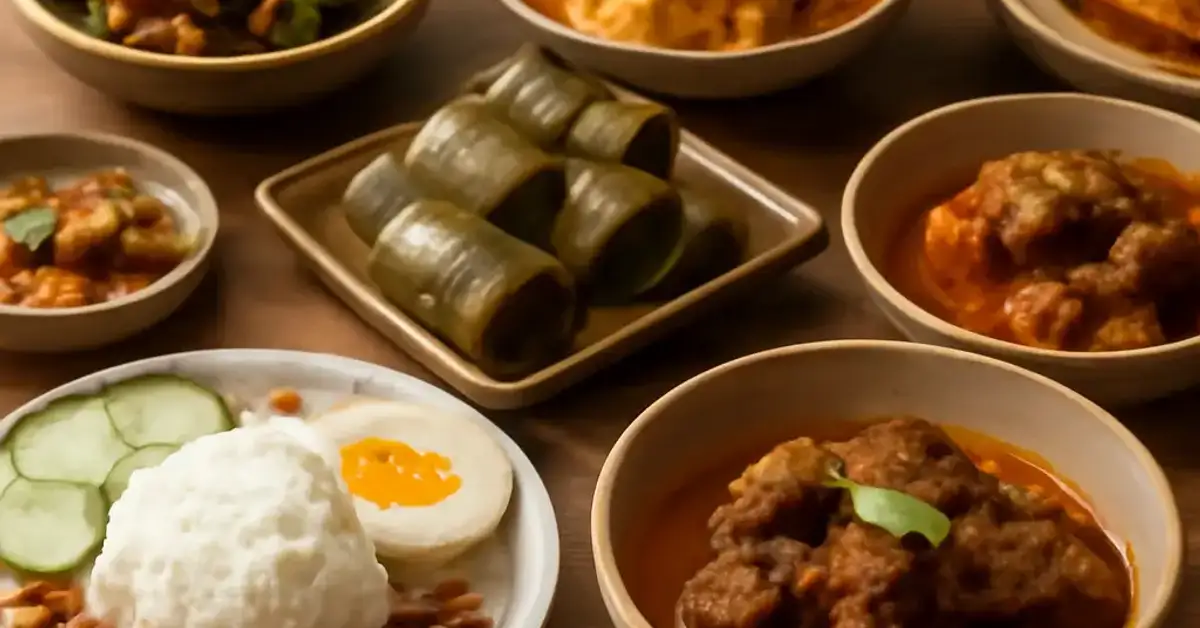
No list of authentic Malay dishes is complete without Nasi Lemak. This fragrant coconut rice, steamed with pandan leaves, is served with crispy anchovies (ikan bilis), roasted peanuts, a hard-boiled egg, cucumber slices, and a generous spoonful of spicy sambal. The magic lies in the sambal — a slow-cooked chili paste with belacan (shrimp paste), tamarind, and palm sugar that delivers a sweet-spicy kick. Nasi Lemak is eaten for breakfast, lunch, or dinner, proving its versatility and beloved place in Malay food culture.
2. Beef Rendang — The Slow-Cooked Legend
Often crowned the most delicious food in the world, Beef Rendang is a labor of love. Chunks of beef are slowly simmered in coconut milk and a rich rempah of chilies, lemongrass, galangal, turmeric, and ginger until the liquid evaporates and the meat becomes tender, caramelized, and deeply spiced. The key Malay cooking methods here are patience and low heat: rendang is never rushed. It is a staple at festive occasions like Hari Raya Aidilfitri, where families gather to celebrate togetherness.
3. Satay — Grilled Skewers with Peanut Sauce
Satay is one of the most social authentic Malay dishes. Marinated chicken or beef pieces are skewered on bamboo sticks, grilled over charcoal, and served with a luscious peanut sauce thickened with coconut milk. The marinade — a blend of turmeric, lemongrass, and cumin — gives the meat a golden hue and earthy flavor. Satay is incomplete without ketupat (compressed rice cakes) and a tangy cucumber-onion relish.
4. Laksa — Noodles in Spicy Coconut Broth
Malay laksa, especially the Penang-style Assam Laksa and the rich Curry Laksa, are perfect examples of Traditional Malay Cuisine’s versatility. Assam Laksa features a sour fish-based broth with tamarind and mint, while Curry Laksa bathes thick rice noodles in coconut milk laced with rempah. The complexity of the spice blend — dried chilies, candlenuts, shrimp paste, and turmeric — makes every bowl an explosion of flavor.
5. Ayam Percik — Grilled Chicken with Coconut Gravy
Ayam Percik, a specialty from the northeastern state of Kelantan, is grilled chicken basted with a thick, coconut-based gravy infused with turmeric, galangal, and lemongrass. After grilling, the chicken is drenched in the leftover gravy, creating a sticky, aromatic coating. It is often served with white rice and ulam (fresh herbs), offering a lighter yet deeply satisfying meal.
6. Roti Canai — Flaky Flatbread with Curry
Though originally brought by Indian Muslim traders, Roti Canai has been fully embraced as part of Traditional Malay Cuisine. This crispy-on-the-outside, fluffy-on-the-inside flatbread is stretched, folded, and cooked on a hot griddle. It is typically dipped in dhal curry or chicken curry, making it a staple breakfast or teatime snack. The technique of flipping and stretching the dough is a skill that takes years to master.
7. Keropok Lekor — Fried Fish Crackers
A beloved snack from Terengganu and Kelantan, Keropok Lekor is made from ground fish meat and sago flour, shaped into logs, boiled, then deep-fried to a golden crisp. It is typically eaten with sweet chili sauce or a sour tamarind dip. This humble dish highlights how Malay food culture values simplicity and fresh seafood.
Understanding Malay Cooking Methods: The Heart of the Kitchen
Mastering Traditional Malay Cuisine means understanding its core techniques. Two methods dominate: santan-based simmering and dry frying of spices.
Simmering in Coconut Milk (Gulai and Lemak)
Dishes like Gulai and Lemak rely on slow simmering in coconut milk to meld flavors. The secret is to never boil the santan vigorously — that causes it to split. Instead, cooks use a gentle simmer, stirring occasionally, until the gravy thickens and the spices marry. This technique yields creamy, aromatic curries that coat every ingredient.
Dry-Frying Spices (Rendang and Sambal)
Rendang and sambal use the technique of “menumis” (dry-frying the spice paste) until fragrant and oil begins to separate. This step caramelizes the natural sugars in the ingredients and deepens the flavor. For rendang, the cooking continues until the coconut milk evaporates, leaving only the oil to fry the meat in its own spices. This method produces the dark, intensely flavored rendang that stores well and tastes even better the next day.
Regional Variations Across the Malay Archipelago
Traditional Malay Cuisine is not monolithic — it shifts from state to state, reflecting local resources and cultural influences.
Negeri Sembilan — Fiery and Bold
In Negeri Sembilan, the cuisine is famously spicy, with dishes like Rendang Daging cooked with more chilies and less coconut cream. The Minangkabau influence makes their rendang drier and punchier than other versions.
Kelantan and Terengganu — Sweet and Seafood-Rich
These northeastern states favor sweetness from palm sugar and use abundant seafood. Nasi Kerabu (blue rice with herbs) and Keropok Lekor are regional icons. The keropok here uses fresh mackerel and is often steamed instead of fried for a chewier texture.
Malacca — Fusion of History
Malacca’s centuries as a trading port gave birth to the Peranakan (Baba Nyonya) style — a blend of Malay ingredients with Chinese cooking techniques. Dishes like Ayam Buah Keluak (chicken with black nuts) and Laksa Nyonya are unique to this region.
Modern Twists on Traditional Malay Cuisine
Today, chefs and home cooks are reimagining authentic Malay dishes with contemporary flair without losing their soul.
Rendang Pasta and Nasi Lemak Burgers
In Kuala Lumpur and Singapore, you will find rendang served over spaghetti — a fusion that pairs the rich spice paste with al dente pasta. Nasi Lemak has been reinvented as a burger: coconut rice buns with crispy chicken patties and sambal mayo. These modern versions introduce Traditional Malay Cuisine to a global audience.
Health-Conscious Adaptations
Cooks are swapping coconut milk for lighter alternatives like oat milk in some curries, and using air-fryers for satay to reduce oil. While purists may frown, these adaptations keep Malay food relevant for health-aware diners.
The Malay Spice Blend: Your Key to Authentic Flavor
At the heart of Malay cooking methods is the rempah — the spice paste. To recreate Traditional Malay Cuisine at home, learn to make this basic blend. Grind together shallots, garlic, fresh turmeric, ginger, galangal, lemongrass (white part only), and dried chilies (seeded for milder heat). Add a pinch of belacan (shrimp paste) for depth. This paste can be made in bulk and frozen, ready for rendang, gulai, or sambal.
For a quick cheat, use store-bought rempah, but to achieve truly authentic Malay dishes, nothing beats freshly ground spices. The aroma alone will transport you to a bustling Malaysian kitchen.
Useful Resources
Explore more about Traditional Malay Cuisine and its cultural roots:
- BBC Good Food: Authentic Beef Rendang Recipe — A step-by-step guide to making rendang from scratch, with tips on spice blends.
- Saveur: A Complete Guide to Malaysian Cuisine — An in-depth look at the history and regional diversity of Malay food culture.
Frequently Asked Questions About Traditional Malay Cuisine
What is the most famous dish in Traditional Malay Cuisine ?
Nasi Lemak is the most recognized dish, often considered Malaysia’s national dish. It features fragrant coconut rice served with sambal, anchovies, peanuts, and egg.
Is Traditional Malay Cuisine very spicy?
Many dishes use dried chilies and sambal, so they can be moderately spicy. However, spice levels vary by region and recipe, and you can always adjust chilies to your preference.
What is the key spice blend used in Malay cooking?
The basic Malay spice blend (rempah) includes shallots, garlic, ginger, galangal, lemongrass, turmeric, and dried chilies. Belacan (shrimp paste) adds umami depth.
How is Malay food different from Indonesian food?
Malay cuisine tends to use more coconut milk and fresh herbs like lemongrass, while Indonesian food often features sweet soy sauce (kecap manis) and more peanut-based dishes. Both share influences but have distinct identities. For a related guide, see Malaysian Fusion Food: 7 Easy Recipes to Avoid Bland Meals.
What is the traditional cooking method for rendang ?
Rendang is slowly simmered in coconut milk and spices over low heat for hours until the liquid evaporates and the meat caramelizes. This technique is called “merandang.”
Can I make Malay dishes vegetarian?
Yes. Many curries can be made with tofu, tempeh, or jackfruit. Use vegetable stock and swap belacan for salt or soy sauce. Dishes like Dalca (lentil stew) are naturally vegetarian.
What is the difference between Laksa and Curry?
Laksa is a noodle soup with a spiced broth, often based on fish or coconut milk. Curry is a thicker stew with meat or vegetables and is served with rice. Curry has more spice paste, while laksa is brothier.
Which Malaysian state has the spiciest food?
Negeri Sembilan is known for its fiery rendang and gulai dishes, influenced by Minangkabau culture. Their cooking uses more chilies and less coconut cream compared to other states.
Is Satay originally Malay or Indonesian?
Satay is popular throughout Southeast Asia, but its Malay version is characterized by a turmeric-based marinade and a thicker peanut sauce made with coconut milk.
What is Ulam in Malay cuisine?
Ulam refers to a platter of fresh herbs and vegetables — like daun kaduk (wild betel leaves), pegaga (pennywort), and cucumber — eaten raw with sambal belacan or budu (fermented fish sauce). It is a healthy side.
How do I store leftover rendang ?
Store in an airtight container in the refrigerator for up to 5 days. Rendang also freezes well for up to 3 months. The flavors often intensify after a day or two.
What is the role of belacan in Malay cooking?
Belacan is a fermented shrimp paste that adds umami and a pungent depth to sambal, curries, and dipping sauces. It is typically dry-roasted before use to reduce its raw smell.
Can I substitute fresh turmeric with powder?
Yes, but the flavor will be less vibrant. Use 1 tablespoon of ground turmeric for every 1 inch of fresh turmeric. For better results, use fresh turmeric if possible.
What is the best rice to serve with Malay dishes?
Fragrant jasmine rice is ideal. For Nasi Lemak, use a medium-grain rice like Thai jasmine or local Malaysian rice (such as Pulut) for the right creamy texture.
Is Keropok Lekor gluten-free?
Traditional Keropok Lekor uses sago flour, which is gluten-free. However, some versions mix wheat flour, so check labels if you have celiac disease.
What tea goes best with Malay food?
Teh Tarik (pulled milk tea) is the perfect companion. Its creamy, frothy texture balances the heat of spicy dishes. Plain hot jasmine tea is also a good choice.
How do you make sambal for Nasi Lemak ?
Blend dried chilies, shallots, garlic, and belacan, then sauté in oil until fragrant. Add tamarind juice and palm sugar, simmer until thick. Adjust sweetness and salt to taste.
What is the difference between Gulai and Kandap?
Gulai is a coconut milk-based curry with spices like turmeric and lemongrass. Kandap is a similar dish but uses less liquid, resulting in a thicker, more concentrated gravy.
Why do Malay dishes use so much coconut milk?
Coconut milk provides richness, creaminess, and a natural sweetness that balances spicy and savory flavors. It also helps mellow the heat of chilies and adds body to curries.
Can I find authentic Malay food outside Malaysia?
Yes, especially in Singapore, Indonesia, and cities with large Malay communities like Sydney, London, and New York. Look for restaurants that specialize in Malaysian cuisine for the most authentic experience.