


malaysian traditional food Key Takeaways
Malaysian cuisine is a vibrant fusion of Malay, Chinese, and Indian culinary traditions, making every meal a cultural adventure.
- malaysian traditional food is defined by bold spices, coconut milk, and tamarind, with each region adding its own twist.
- Popular dishes like Satay and Laksa are street-food staples that reflect the country’s multicultural soul.
- A true Malaysian meal is rarely eaten alone — sharing is part of the experience, so come hungry and bring friends.
Why Malaysian Traditional Food Deserves a Spot on Your Bucket List
Step into any Malaysian market and you’ll be hit by a symphony of smells — sizzling lemongrass, smoky char-grilled meat, and the sweet funk of fermented shrimp paste. This isn’t just food; it’s a living museum of the country’s Malay, Chinese, and Indian heritage. Popular Malaysian dishes like Char Kway Teow and Roti Canai have roots that stretch back centuries, yet they evolve daily on street corners and in home kitchens. Whether you’re a seasoned foodie or a curious beginner, this Malaysian cuisine guide will help you navigate the must-try plates and understand the culture behind each bite. For a related guide, see Malaysian Food 101: 7 Must-Try Dishes for First-Timers.
7 Classic Malaysian Traditional Food Dishes You Need to Know
Below are seven iconic dishes that form the backbone of Malaysian home cooking and street food culture. Each one tells a story of migration, adaptation, and pure deliciousness.
1. Nasi Lemak — The National Breakfast
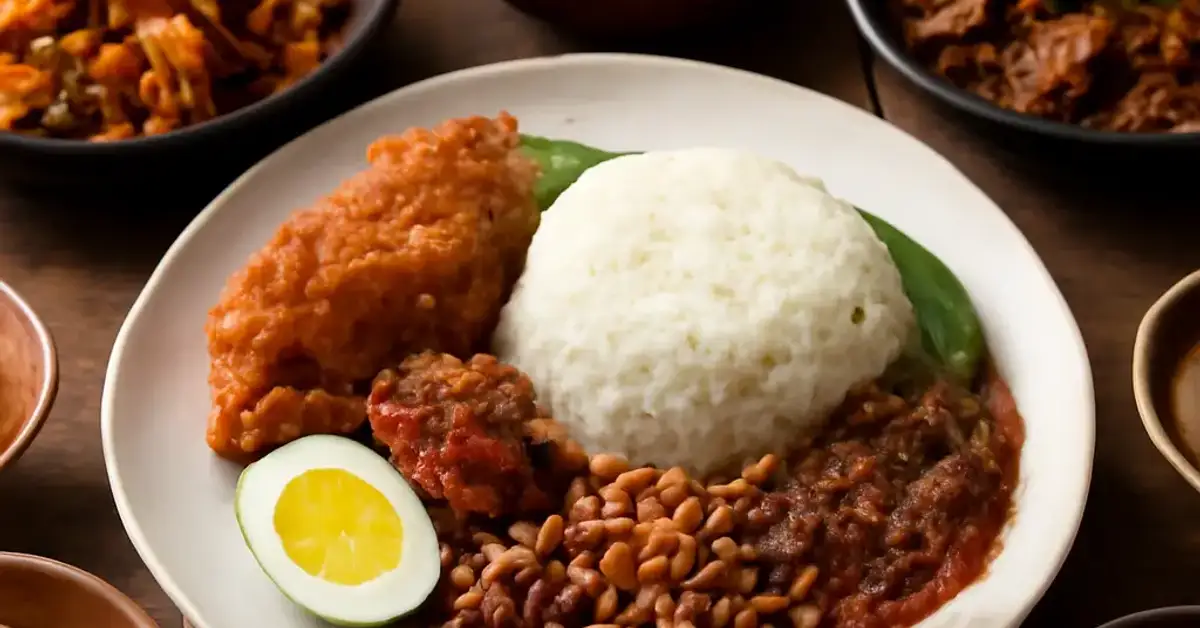
Often called Malaysia’s unofficial national dish, Nasi Lemak is fragrant rice cooked in coconut milk, served with spicy sambal, crunchy anchovies, toasted peanuts, a hard-boiled egg, and a slice of cucumber. It’s humble yet deeply satisfying. You’ll find it wrapped in banana leaves at roadside stalls or plated elegantly at cafes. The sambal — a chili paste that varies by household — is the heart of the dish. For a true local experience, eat it with your hands, letting your fingers mix the textures. For a related guide, see Malaysian Food Guide: 7 Essential Dishes to Try in 2024.
2. Satay — Skewered and Smoky
Satay is a crowd-pleaser: marinated chunks of chicken, beef, or lamb threaded onto bamboo skewers, grilled over hot charcoal until charred, then dunked in a rich peanut sauce. The marinade usually includes turmeric, lemongrass, and coconut milk, giving the meat a golden hue and tender bite. Satay is almost always served with ketupat (compressed rice cakes) and a side of raw cucumber and onion. It’s a staple at night markets and festive gatherings.
3. Rendang — The Slow-Cooked Wonder
Beef Rendang is a dry curry that’s all about patience. Chunks of beef are simmered for hours in coconut milk and a paste of chilies, galangal, turmeric, lemongrass, and garlic, until the liquid evaporates and the meat becomes fork-tender and coated in a dark, aromatic crust. Originally from the Minangkabau culture of Sumatra, it has become a treasured popular Malaysian dish, especially during festivals like Hari Raya. The flavor deepens overnight, so leftovers are often even better the next day.
4. Laksa — Spicy Noodle Soup with a Tangy Twist
Laksa comes in two main families: the curry-based Laksa Lemak (rich and creamy) and the sour, tamarind-based Laksa Asam (lighter but punchier). Both are satisfying bowls of thick rice noodles swimming in a fragrant broth, topped with shredded chicken, prawns, bean sprouts, and fresh herbs. The diversity of laksa reflects Malaysia’s regional variations — Penang is famous for its Asam Laksa, while Kuala Lumpur leans toward the lemak version. A squeeze of lime and a spoonful of sambal are mandatory.
5. Char Kway Teow — Wok Hey in Every Bite
This stir-fried flat rice noodle dish is beloved for its smoky “wok hey” flavor, achieved by cooking over extremely high heat in a seasoned iron wok. Dark soy sauce gives the noodles a glossy brown color, while cockles, Chinese sausage, bean sprouts, and egg add texture. The best Char Kway Teow is greasy, savory, and slightly charred — a true street-food masterpiece. Watch for hawkers who use pork lard for an authentic, extra-rich taste.
6. Roti Canai — Flaky Flatbread for All Hours
Roti Canai is a stretchy, flaky flatbread that arrives at your table golden and crisp, often served with a bowl of dhal (lentil curry) or a sprinkle of sugar for a sweet option. The dough is thrown and folded repeatedly to create its signature layers, then cooked on a flat grill with ghee. It’s a breakfast staple but works just as well for a late-night snack. Eat it by tearing off pieces with your hands and dipping — it’s the best way to appreciate the texture.
7. Cendol — The Ultimate Tropical Cool-Down
After all that spice, you’ll need something cooling. Cendol is a shaved-ice dessert topped with green rice-flour jelly (made with pandan juice), creamy coconut milk, and a generous drizzle of palm sugar syrup. Some versions add red beans, grass jelly, or durian. It’s sweet, refreshing, and not too heavy — the perfect end to a spicy meal. You’ll find it at hawker centres and dessert shops across the country, especially on hot afternoons.
How to Eat Malaysian Traditional Food Like a Local
Knowing what to order is only half the story. Here are a few cultural tips to make your experience more authentic.
Use Your Hands (the Right Way)
In Malay and Indian cuisine, eating with your right hand is traditional. Use your fingertips to scoop rice and curry, pushing it into your mouth with your thumb. It takes a little practice, but it connects you to the food in a way utensils can’t. Left hand is reserved for serving or holding a drink.
Spice Levels Are Real
When ordering, don’t be shy about asking for less chili — “kurang pedas” means less spicy. Even mild-looking sambal can pack serious heat. That said, a little tongue-numbing burn is part of the charm, so go slowly.
Share Everything
Malaysian meals are communal. Order several dishes for the table, place them in the centre, and let everyone take a little of each. It’s the best way to taste a variety of popular Malaysian dishes in one sitting. Don’t be surprised if your local friend adds extra sambal to your plate — it’s a sign of hospitality.
Where to Find Authentic Malaysian Traditional Food
You don’t need to fly to Kuala Lumpur to enjoy these flavors. Many cities worldwide have Malaysian restaurants or hawker-style pop-ups. Look for places that are crowded with locals, especially during lunch hours. The menu should feature dishes like Nasi Lemak, Satay, and Laksa prominently. If you’re cooking at home, start with a good-quality sambal paste and fresh coconut milk — those two ingredients are the foundation of many popular Malaysian dishes. For a related guide, see 7 Essential Malaysian Food Recipes for an Easy Homemade Feast.
For a deeper dive into authentic recipes and regional variations, check out the resources below.
Useful Resources
- Rasa Malaysia — A trusted blog with step-by-step recipes for classic Malaysian dishes, from Nasi Lemak to Cendol.
- Migrationology — Mark Wiens’ travel food guides offer honest reviews and location tips for finding the best street food in Malaysia.
Malaysian traditional food is more than just a meal — it’s an invitation to share stories, explore new flavors, and connect with a culture that celebrates diversity on every plate. Whether you’re planning a trip to Malaysia or trying your hand at a new recipe at home, these seven dishes are the perfect starting point. Grab a friend, order a feast, and dive in. Selamat makan!
Frequently Asked Questions About malaysian traditional food
What is the most popular traditional food in Malaysia?
Nasi Lemak is widely considered Malaysia’s national dish. It’s coconut rice served with spicy sambal, anchovies, peanuts, egg, and cucumber.
Is Malaysian food very spicy?
Many dishes use chili and sambal, so they can be spicy. However, you can often request “kurang pedas” (less spicy) and many restaurants offer milder versions.
What is the difference between Malaysian and Indonesian food?
Both share roots like Rendang and Satay, but Malaysian cuisine is more heavily influenced by Chinese and Indian traditions, using ingredients like soy sauce and five-spice powder.
What is a typical Malaysian breakfast?
A typical breakfast includes Nasi Lemak, Roti Canai with dhal, or a bowl of Laksa. Kopi (local coffee with condensed milk) is the usual drink.
What is the best time to eat street food in Malaysia?
Evening is ideal. Night markets (pasar malam) and hawker centres come alive around 6 PM, offering the widest selection of freshly cooked dishes.
Can I find vegetarian Malaysian food?
Yes. Dishes like vegetarian Laksa, stir-fried vegetables with tofu, and Roti Canai without egg are common. Chinese Buddhist restaurants also offer meat-free versions.
What is sambal?
Sambal is a chili-based paste made from pounded chilies, garlic, shallots, and often belacan (shrimp paste). It’s used as a condiment or cooking base.
Is it safe to eat street food in Malaysia?
Yes, as long as you choose stalls that are busy and clean. High turnover means fresh ingredients, and most hawkers take hygiene seriously.
What is the most famous dessert in Malaysia?
Cendol is the most iconic — shaved ice with green pandan jelly, coconut milk, and palm sugar. ABC (Air Batu Campur) is another popular shaved-ice treat.
What drink goes best with Malaysian food?
Iced lemon tea (teh ais limau) or sweetened iced coffee (kopi ais) are classic pairings. They balance spice and refresh the palate.
What is the difference between Laksa Lemak and Laksa Asam?
Laksa Lemak is coconut-milk based, rich and creamy. Laksa Asam uses tamarind for a sour, tangy broth. Both are delicious but very different.
Why is Malaysian food so flavorful?
Because it uses a wide variety of fresh spices, herbs, and aromatics — lemongrass, galangal, turmeric, pandan, and kaffir lime leaves, often combined in complex pastes.
What is belacan?
Belacan is fermented shrimp paste, a pungent but essential ingredient in many Malay dishes. It adds depth and umami when toasted and mixed into sambal.
What is the best way to eat Roti Canai?
Tear it with your hands, dip it into dhal or curry, and enjoy the contrast of crispy exterior and soft, flaky interior. Some people add sugar for a sweet version.
Is Malaysian food halal?
Most Malaysian food is halal by default, especially from Malay and Indian Muslim stalls. Chinese restaurants may serve pork, so check if halal certification is important to you.
What fruit is commonly used in Malaysian cooking?
Coconut (milk, cream, oil) and tamarind are used daily. Fruits like pineapple, papaya, and starfruit also appear in salads and desserts.
Can I cook Malaysian food at home?
Absolutely. Start with a simple Nasi Lemak or Satay using pre-made sambal paste from Asian grocery stores. Fresh herbs make a huge difference.
What is the most expensive Malaysian traditional dish?
Beef Rendang can be pricey due to the long cooking time and quality meat. Another is Ikan Patin Tempayan — catfish cooked in a claypot with turmeric and tamarind.
What does “makan” mean?
“Makan” is Malay for “eat.” You’ll hear it everywhere — “makan sudah” means “I already ate.” It’s a friendly greeting in food contexts.
Where can I learn authentic Malaysian cooking?
Many cooking schools in Kuala Lumpur and Penang offer half-day classes. Online, Rasa Malaysia and Nyonya Cooking have reliable video tutorials.