

malaysia national food Key Takeaways
Malaysia’s culinary landscape is a vibrant tapestry woven from Malay, Chinese, Indian, and indigenous influences.
- Malaysia national food is defined by its rich spice blends, coconut milk, and fresh herbs, with nasi lemak leading the way.
- Street food culture is central to malaysian cuisine , offering affordable and authentic flavors from dawn till late night.
- Regional variations mean the same dish can taste entirely different across states, adding depth to every culinary exploration.
What Makes Malaysia National Food So Special?
Malaysian cuisine is not just food—it is a story of migration, trade, and community. Walking through a bustling pasar malam (night market) in Kuala Lumpur, you will smell the smoky char of satay grilling next to the sweet perfume of pandan leaves wrapped around glutinous rice. Every dish tells a tale of the country’s multicultural soul.
From the fragrant coconut rice that serves as the national dish of malaysia to the fiery curries of Penang, the variety is staggering. This listicle highlights seven essential dishes that define malaysia national food and offer a genuine taste of local life.
7 Iconic Famous Malaysian Dishes You Must Try
1. Nasi Lemak: The Heartbeat of Malaysian Cuisine
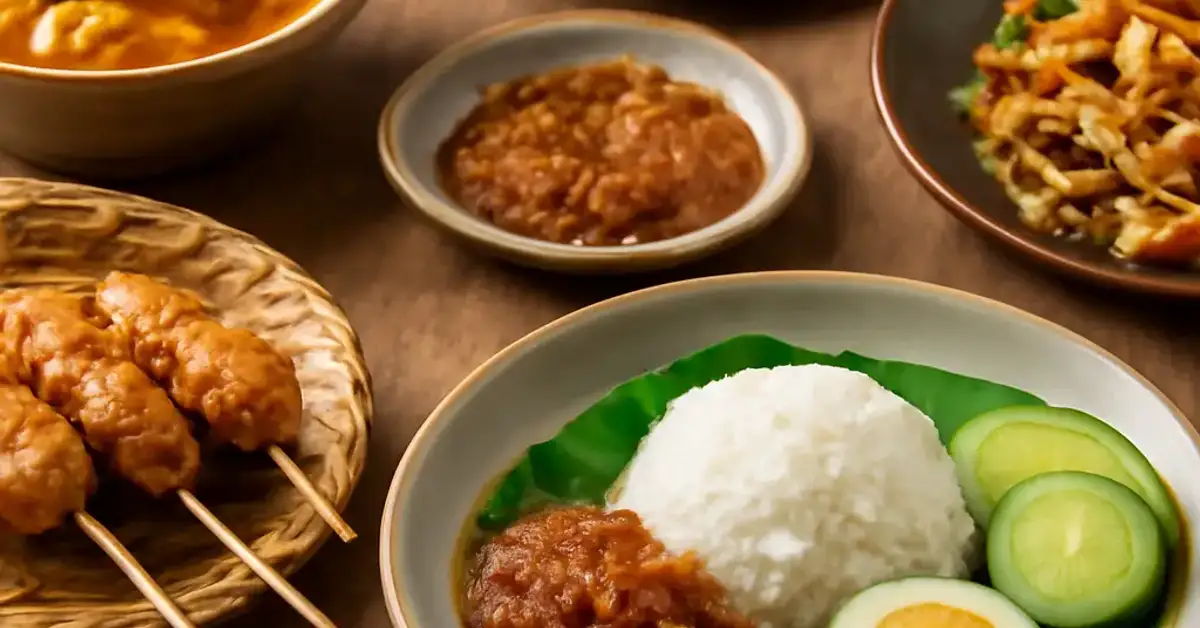
Nasi lemak is undeniably the national dish of malaysia. Fragrant rice cooked in coconut milk and pandan leaf is served with spicy sambal, crispy anchovies, roasted peanuts, a hard-boiled egg, and a slice of cucumber. It is a breakfast staple but enjoyed any time of the day.
Cultural significance: Nasi lemak transcends ethnicity—Malays, Chinese, and Indians alike have their own versions. The sambal recipe often passes down through generations, making every home-cooked plate unique.
2. Satay: Skewers of Celebration
Tender marinated chicken or beef skewers grilled over charcoal, served with a rich peanut sauce, ketupat (compressed rice cakes), and cucumber slices. Satay is a quintessential famous malaysian dish found at street stalls and family gatherings.
Cultural significance: Satay vendors often work in family teams, and the smoky aroma is synonymous with festive evenings. The peanut sauce balances sweet, spicy, and savory notes perfectly.
3. Char Kway Teow: The Wok Hei Masterpiece
Stir-fried flat rice noodles with prawns, cockles, Chinese sausage, bean sprouts, and egg in dark soy sauce. The secret lies in the “wok hei”—the smoky breath of the wok that infuses the noodles with unparalleled flavor.
Cultural significance: This dish originated from Chinese immigrants in Penang and remains a symbol of the island’s food heritage. It is a must-try for anyone exploring malaysian cuisine.
4. Rendang: Slow-Cooked Richness
Beef or chicken slow-cooked in coconut milk and a complex spice paste (rempah) until the liquid evaporates and the meat caramelizes. It is dry, intense, and bursting with lemongrass, galangal, and turmeric.
Cultural significance: Rendang is served during Hari Raya Aidilfitri and weddings. It represents patience and communal cooking, often prepared by multiple family members.
5. Roti Canai: The Crispy Flatbread
Flaky, golden griddle-fried dough served with dhal (lentil curry) or fish curry. It is a breakfast and teatime favorite across Malaysia.
Cultural significance: Brought by Indian Muslim immigrants, roti canai showcases the art of dough tossing. Mamak stalls, where it is served, are social hubs for Malaysians of all backgrounds.
6. Laksa: The Spicy Noodle Soup
Two main styles dominate: the coconut-based curry laksa (e.g., Laksa Lemak in Kuala Lumpur) and the sour tamarind-based Asam Laksa from Penang. Both are packed with noodles, fish, and fragrant herbs.
Cultural significance: Asam Laksa was named one of the world’s best foods by CNN Travel. It reflects the Peranakan (Straits Chinese) heritage that blends Chinese and Malay flavors seamlessly.
7. Cendol: The Cool Tropical Escape
Shaved ice topped with green rice-flour jelly, coconut milk, palm sugar syrup, and sometimes red beans or corn. It is the ultimate refreshment in Malaysia’s humid heat.
Cultural significance: Cendol is a unifying dessert—sold by Malay, Chinese, and Indian hawkers alike. Each vendor adds a personal twist to the syrup or toppings. For a related guide, see 7 Essential Malaysian Traditional Foods You Must Try Once.
| Dish | Main Ingredients | Best Time to Eat | Region |
|---|---|---|---|
| Nasi Lemak | Coconut rice, sambal, anchovies | Breakfast / Anytime | Nationwide |
| Satay | Grilled meat skewers, peanut sauce | Evening / Dinner | Nationwide |
| Char Kway Teow | Flat noodles, prawns, cockles | Lunch / Dinner | Penang / KL |
| Rendang | Beef/chicken, coconut milk, spices | Festive meals | Negeri Sembilan / Nationwide |
| Roti Canai | Flour dough, dhal / curry | Breakfast / Tea time | Nationwide |
| Laksa | Noodles, fish, coconut milk (curry) or tamarind (asam) | Lunch | Penang / KL / Johor |
| Cendol | Shaved ice, palm sugar, coconut milk | Afternoon / Dessert | Nationwide |
How to Experience Malaysia National Food Like a Local
The best way to dive into malaysian cuisine is to follow your nose. Head to a hawker center or food court—places like Gurney Drive in Penang or Jalan Alor in Kuala Lumpur offer a one-stop feast. Do not be shy to share tables; communal dining is part of the culture.
Pro tip: Go early for the freshest dishes. Many stalls sell out popular items by noon. Also, carry small cash—most hawkers do not accept cards.
Useful Resources
For deeper exploration of malaysian cuisine, check out these trusted resources:
- Tourism Malaysia – Food and Drink — Official guide to local dishes and festivals.
- Saveur Magazine: A Guide to Malaysian Food — Detailed article on regional specialties.
Frequently Asked Questions About malaysia national food
What is the official national dish of Malaysia ?
While Malaysia has no official government-declared national dish, nasi lemak is universally recognized as the national dish of malaysia due to its popularity and cultural significance.
Is Malaysian food very spicy?
Many famous malaysian dishes use chili, but the heat level varies. Sambal and curries can be fiery, but you can often request less spicy versions at hawker stalls.
What is the most popular street food in Malaysia?
Satay, char kway teow, and roti canai top the list. Nasi lemak is also widely sold as street food, especially for breakfast.
Where can I eat authentic Malaysian food?
Hawker centers, pasar malams (night markets), and kopitiams (traditional coffee shops) offer the most authentic experience. Penang and Kuala Lumpur are especially famous for street food.
What is the difference between nasi lemak and nasi dagang?
Nasi lemak is coconut rice served with sambal and sides, while nasi dagang is glutinous rice cooked in coconut milk, typically paired with tuna curry—popular in Terengganu and Kelantan.
Is Malaysian food similar to Indonesian food?
Both share Malay roots and use similar spices, but malaysian cuisine has stronger Chinese and Indian influences. Dishes like char kway teow and roti canai are uniquely Malaysian. For a related guide, see Malaysian Food 101: 7 Must-Try Dishes for First-Timers.
What drink pairs best with Malaysian food?
Teh tarik (pulled milk tea) is the classic accompaniment. Iced lime juice or sugarcane juice also cools the palate after spicy dishes.
What is the best time to eat nasi lemak?
Traditionally a breakfast dish, nasi lemak is now eaten throughout the day. Many stalls serve it from early morning until late night.
Are there vegetarian options in Malaysian cuisine ?
Yes, dishes like vegetable curry, stir-fried greens, roti canai with dhal, and nasi lemak without anchovies are common. Look for Indian vegetarian stalls.
What is sambal made of?
Sambal is a chili paste made from fresh red chilies, shallots, garlic, belacan (shrimp paste), and lime juice. Recipes vary by region and family.
Why is Penang known as Malaysia’s food capital?
Penang’s history as a trading port created a unique fusion of Malay, Chinese, Indian, and Peranakan cuisines. Its street food scene is world-renowned.
What is the difference between curry laksa and asam laksa?
Curry laksa has a rich coconut milk base, while asam laksa uses tamarind for a sour, fish-based broth. Both are famous malaysian dishes but from different regions.
Is it safe to eat street food in Malaysia?
Yes, street food in Malaysia is generally safe. Look for stalls with high turnover, clean preparation counters, and lots of local customers. Hygiene standards have improved significantly.
What is the most popular dessert in Malaysia?
Cendol is the most beloved dessert, but others like ais kacang (shaved ice with syrups and jelly) and kuih (traditional cakes) are also very popular.
What is belacan used for?
Belacan (dried shrimp paste) is a key seasoning in sambal, curries, and stir-fries. It adds a distinct umami depth to many malaysian cuisine dishes.
Can I learn to cook Malaysian food?
Yes, many cooking schools in Kuala Lumpur and Penang offer classes. Online platforms also have authentic recipes from Malaysian home cooks.
What is the significance of pandan leaves in Malaysian cooking?
Pandan leaves add a sweet, floral fragrance to rice, desserts, and drinks. They are essential in nasi lemak and many kuih.
Are there halal versions of all Malaysian dishes?
Most famous malaysian dishes are naturally halal since Malaysia is a Muslim-majority country. Non-halal stalls (usually Chinese) are clearly labeled.
What is the best food market in Kuala Lumpur?
Jalan Alor is famous for its vibrant night food scene, while Central Market and Lot 10 Hutong offer curated hawker selections.
How do I eat nasi lemak traditionally?
Many Malaysians eat nasi lemak by mixing the sambal, anchovies, and egg into the rice, then using the right hand to scoop small bites. Utensils are also perfectly acceptable.