

Malaysian snacks Key Takeaways
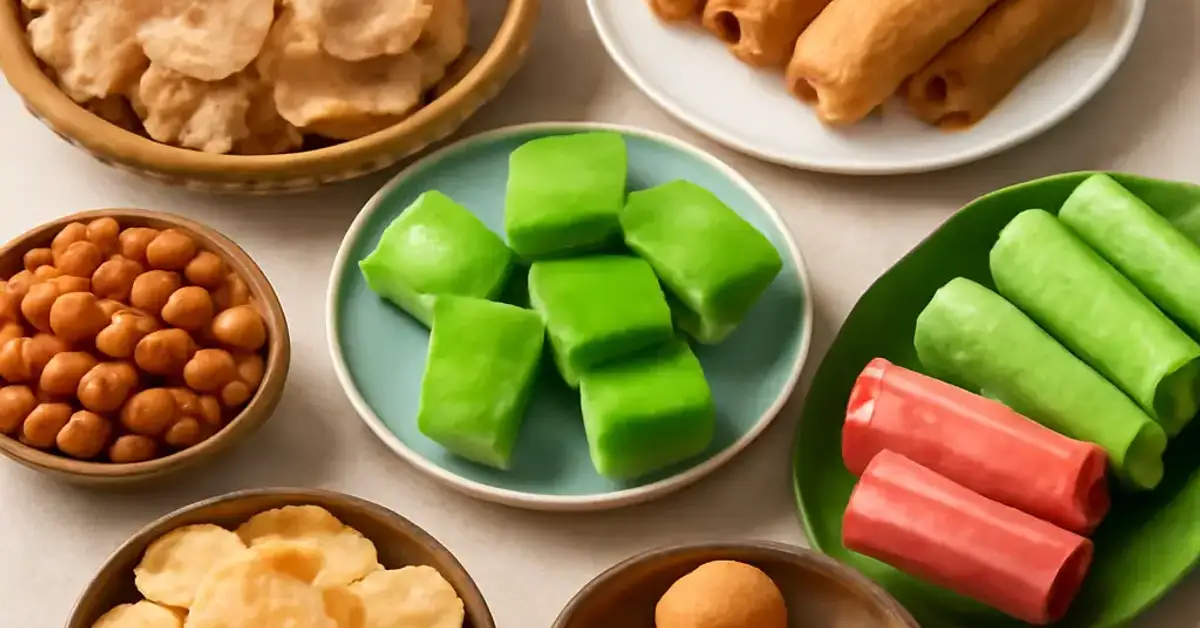
Malaysia’s food scene is a vibrant mash-up of Malay, Chinese, and Indian influences, and its snacks are no exception.
- Malaysian snacks range from savory keropok lekor to sweet ondeh-ondeh, offering something for every palate.
- Many snacks are easy to find at pasar malams (night markets) and roadside stalls across the country.
- Understanding the textures and spice levels helps you pick the best snacks for your next trip or cooking adventure.
What Makes Malaysian Snacks So Unique?
Malaysia sits at the crossroads of major trade routes, which means its food borrows the best from neighboring cultures. Spices from India, wok-hei from Chinese cooking, and the sweet-savory balance of Malay cuisine all show up in popular Malaysian food. Snacks here aren’t just fillers — they’re mini meals that people queue for at dusk when pasar malams light up. You’ll find coconut sugar, pandan leaves, shrimp paste, and chilies used over and over, creating a flavor profile that’s instantly recognizable. For a related guide, see 25 Best Malaysian Foods You Must Try in 2026: Expert Picks.
7 Must-Try Malaysian Snacks Ranked for Flavor and Fun
I’ve arranged these snacks based on how iconic they are and how easy they are to find. Each one gives you a real taste of Malaysia’s street-side creativity.
| Snack | Key Flavor | Best Time to Eat | Where to Find It |
|---|---|---|---|
| Keropok Lekor | Savory, slightly fishy, umami | Afternoon snack | Terengganu, night markets |
| Pisang Goreng | Sweet, crispy, banana richness | Tea time | Roadside stalls |
| Kuih Lapis | Sweet, coconutty, layered texture | Breakfast or dessert | Traditional bakeries |
| Cekodok | Savory-sweet, crispy outside, soft inside | Rainy day comfort | Pasar malams |
| Ondeh-ondeh | Sweet, gula melaka, coconut-coated | Afternoon treat | Nyonya stalls |
| Popiah | Fresh, crunchy, savory-sweet | Lunch or light dinner | Hawker centers |
| Apam Balik | Sweet, peanutty, crispy edges | Breakfast or snack | Street carts |
1. Keropok Lekor — The National Fish Snack
This is perhaps the most iconic of all must-try Malaysian snacks. Keropok lekor is a fish sausage made from mackerel and sago flour, deep-fried until golden, then served with a spicy chili dipping sauce. The outside is firm and slightly chewy; the inside is soft and packed with umami. In Terengganu, they eat it with a sweet-spicy sauce that cuts through the fishiness. You haven’t tasted Malaysian street food until you’ve grabbed a stick of hot keropok lekor from a night market.
2. Pisang Goreng — Fried Banana Perfection
Think of pisang goreng as the original banana fritter. Ripe bananas are dipped in a light batter and fried until crisp on the outside, warm and creamy inside. Malaysians love it with a drizzle of chocolate or cheese — yes, cheese — but the classic version is perfect on its own. It’s sweet enough for dessert but savory enough for a late-afternoon pick-me-up.
3. Kuih Lapis — Steamed Layer Cake
Kuih lapis is a rainbow-colored steamed cake made from rice flour, coconut milk, and sugar. Each thin layer is steamed one at a time, giving it a beautiful striped look. The texture is bouncy and slightly jelly-like, with a mild coconut sweetness. Malay and Nyonya families serve it during festive occasions, but you can find it daily at traditional pastry shops across Malaysia.
4. Cekodok — Crispy Fritters
Cekodok are crispy fritters made from flour, yeast, and sometimes corn, anchovies, or banana. The most popular version is cekodok pisang (banana fritters), but savory cekodok with chopped onions and chilies are equally loved. They’re best eaten hot and crunchy — perfect for a rainy afternoon with a cup of kopi-o.
5. Ondeh-ondeh — Sweet Gems with a Runny Heart
Ondeh-ondeh are small glutinous rice balls filled with molten gula melaka (palm sugar) and rolled in grated coconut. The first bite gives you a soft, chewy exterior; the second releases a warm syrup that floods your mouth. It’s sweet, nutty, and incredibly addictive. These are a staple at Nyonya dessert stalls and are one of the most beloved must-try Malaysian snacks for first-timers.
6. Popiah — Fresh Spring Rolls
Popiah are fresh spring rolls wrapped in a thin, soft crepe. The filling usually includes shredded jicama, carrots, bean sprouts, lettuce, and a choice of shrimp or eggs. A hoisin-like sweet sauce ties everything together. Unlike fried spring rolls, popiah is light and crunchy-crisp, making it a refreshing snack on a hot day. Hawker centers serve them with chili paste if you want heat.
7. Apam Balik — Turnover Pancake
Apam balik is a thick, crispy pancake folded over a filling of crushed peanuts, sweet corn, and sugar. The edges are thin and cracker-crisp, while the center stays soft and fluffy. Vendors cook it on large iron griddles, then slice it into half-moons. It’s cheap, filling, and a classic example of how popular Malaysian food balances texture and sweetness.
A Quick Guide to Eating Malaysian Snacks
What to Drink Alongside
Teh tarik (pulled milk tea) is the go-to drink for most snacks. Its creamy, frothy texture cuts through fried foods beautifully. For sweet kuih, a glass of cold barley water or sugarcane juice works great.
Where to Buy
Night markets (pasar malams) are your best bet. They rotate through different neighborhoods each evening. Look for stalls with long queues — locals know which ones are best. In Kuala Lumpur, try Jalan Alor or SS2 night market in Petaling Jaya.
Malaysian Snacks vs. Other Southeast Asian Treats
Compared to Thai snacks — which lean heavily on spicy and sour — Malaysian snacks are more balanced, using coconut milk and palm sugar for a rounder sweetness. Vietnamese snacks tend to be lighter and more herbaceous, while Filipino snacks often rely on cheese and condensed milk. Malaysia’s strength lies in its ability to combine Chinese savory techniques with Malay sweet-spice profiles, resulting in snacks that feel both familiar and exotic. For a related guide, see Malaysian Food 101: 7 Must-Try Dishes for First-Timers.
Where to Find Authentic Malaysian Snacks Online
If you’re not in Malaysia, you can still get these treats. Specialty Asian grocery stores in the US, UK, and Australia often carry frozen keropok lekor, kuih lapis mix, and ready-fried pisang goreng. Online platforms like TasteAtlas offer curated lists of popular Malaysian food and link to verified sellers. For those who want to cook at home, sites like Noob Cook provide simple, tested recipes for many of these snacks.
Useful Resources
For a visual guide on how keropok lekor is made, check out TasteAtlas’s Malaysian Snacks List. If you prefer to cook your own, Noob Cook has step-by-step recipes for kuih lapis and ondeh-ondeh.
Now that you’ve got the tasting map, head to your nearest night market or Asian grocery store. Grab a skewer of keropok lekor, order a plate of pisang goreng, and let the flavors of Malaysia take you on a trip worth savoring.
Frequently Asked Questions About Malaysian snacks
What is the most popular snack in Malaysia?
Keropok lekor is widely considered the most iconic Malaysian snack, especially in the east coast states like Terengganu.
Are Malaysian snacks spicy?
Some are spicy, like cekodok with chilies, but many are sweet or savory without heat. You can always request less chili.
Can I find Malaysian snacks in the United States?
Yes, many Asian grocery stores stock frozen or packaged versions. Online retailers also ship them.
What is kuih lapis made of?
Kuih lapis is made from rice flour, coconut milk, sugar, and pandan juice, steamed in thin layers.
Is pisang goreng the same as banana fritters?
Yes, pisang goreng is essentially a banana fritter, but the batter is lighter and the bananas are usually sweeter.
What does ondeh-ondeh taste like?
Sweet, with a burst of coconut sugar syrup inside, and a soft, chewy dough coated in grated coconut.
Are Malaysian snacks vegetarian-friendly?
Some are, like kuih lapis, ondeh-ondeh, and vegetarian popiah. But many contain shrimp paste or fish.
What is the best time to eat Malaysian snacks ?
Most are eaten in the late afternoon as a tea-time snack, but they’re available all day.
How do you eat keropok lekor?
Dip it in spicy chili sauce or sweet chili sauce. Some also eat it with a side of mayonnaise.
What is apam balik called in other countries?
In Taiwan it’s called min jian kueh; in Hong Kong it’s gai daan jai. The concept is similar.
Why is Malaysian street food so famous?
Because of its deep cultural diversity — Malay, Chinese, and Indian influences create flavors you can’t find anywhere else.
Can I make Malaysian snacks at home?
Absolutely. Most require simple ingredients like rice flour, coconut milk, and palm sugar. Online recipes are widely available.
What is gula melaka?
It’s a type of palm sugar with a rich, caramel-like flavor used extensively in Malaysian desserts and snacks.
Are Malaysian snacks halal?
Most are halal by default because Malaysian food culture is predominantly Muslim. Always check labels or ask the vendor.
What is the best snack for kids?
Pisang goreng and kuih lapis are sweet, soft, and not spicy, making them perfect for children.
Do Malaysian snacks contain peanuts?
Some do, especially apam balik, satay, and certain popiah variations. Always ask if you have allergies.
How long do Malaysian snacks stay fresh?
Fried snacks are best within a few hours. Kuih stays fresh for a day or two if refrigerated.
What is popiah skin made of?
Popiah skin is made from a thin crepe-like batter of wheat flour and water, similar to spring roll wrappers.
Can I freeze Malaysian snacks ?
Yes, keropok lekor and kuih freeze well. Reheat in a pan or steamer for best texture.
Where can I learn more about Malaysian food culture?
Check resources like TasteAtlas or cultural blogs that focus on Southeast Asian cuisine.