


top Malaysian restaurant specialties Key Takeaways
Malaysia’s food scene is a beautiful mash-up of Malay, Chinese, and Indian flavors, shaped by centuries of trade and migration.
- top Malaysian restaurant specialties include nasi lemak, rendang, and char kway teow — each a flavor-packed icon.
- Every dish reflects Malaysia’s multicultural heritage, with ingredients like coconut milk, lemongrass, and belacan (shrimp paste).
- Don’t leave without trying street-food staples like satay and cendol — they’re just as essential as restaurant dishes.
Why the Top Malaysian Restaurant Specialties Are So Unique
Malaysian cuisine defies simple labels. It’s not just spicy — it’s a balancing act of sweet, sour, salty, and umami, often all in one bite. The top Malaysian dishes to try owe their complexity to a pantry of fresh herbs, pungent spices, and tropical ingredients. Influences from neighboring Thailand, Indonesia, and southern China blend seamlessly with local Malay cooking traditions. When you step into a Malaysian restaurant, you’re not just ordering food — you’re tasting centuries of history.
The Power of Rempah (Spice Paste)
Most iconic Malaysian dishes start with rempah, a freshly ground spice paste. It usually contains shallots, garlic, ginger, turmeric, lemongrass, and chilies. This paste forms the flavor backbone of rendang, curry kapitan, and many other Malaysian restaurant specialties. The effort put into making rempah from scratch is what separates an average dish from an unforgettable one.
10 Iconic Top Malaysian Restaurant Specialties You Have to Try
Here’s a curated list of dishes that appear on nearly every Malaysian menu worth its salt. Each one offers a unique window into the country’s culinary soul.
1. Nasi Lemak — The National Favorite
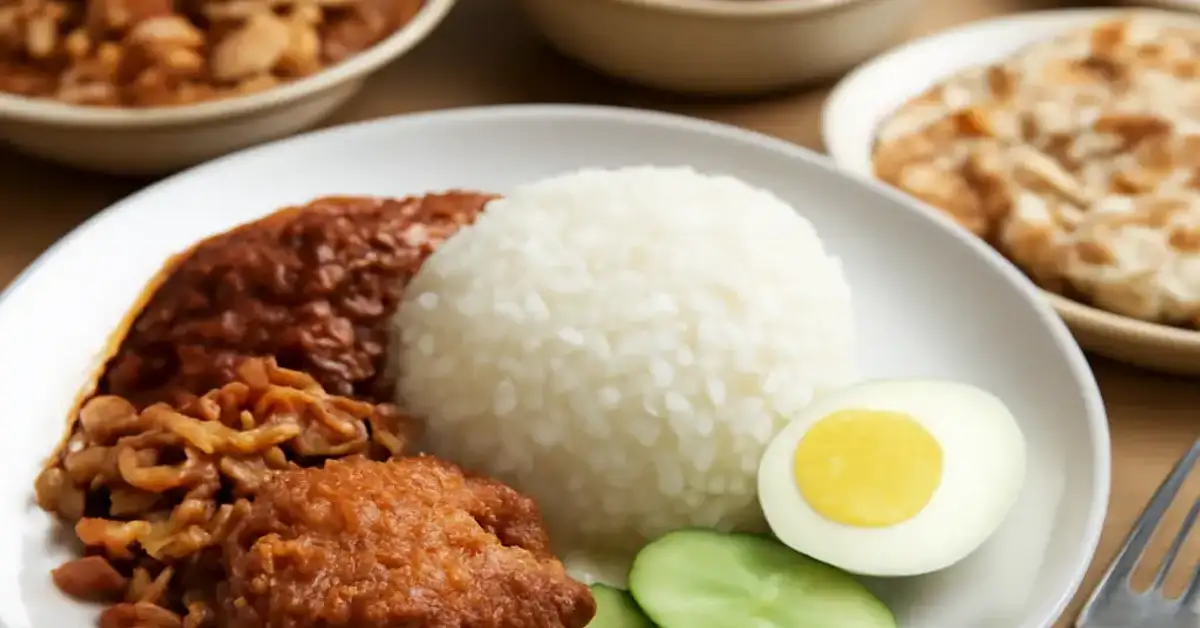
Nasi lemak is Malaysia’s unofficial national dish. It features fragrant coconut rice served with sambal (spicy chili paste), crispy anchovies, toasted peanuts, a hard-boiled egg, and a slice of cucumber. Many versions add fried chicken, curry, or rendang. The key ingredient is coconut milk, which gives the rice its creamy texture and subtle sweetness. Culturally, it’s a breakfast staple but beloved any time of day. For a related guide, see 11 Best Authentic Malaysian Food Recommendations for First-Timers.
2. Rendang — Slow-Cooked Perfection
Rendang is a dry curry made from beef (or sometimes chicken) simmered for hours in coconut milk and a rich spice paste until the sauce caramelizes. The result is tender, intensely flavored meat with a hint of heat. Originating from the Minangkabau people of Indonesia, rendang has become a top Malaysian restaurant specialty served during festive occasions like Hari Raya. Its depth of flavor comes from toasted coconut (kerisik) and a careful balance of spices.
3. Char Kway Teow — Wok Hei Magic
Char kway teow is a stir-fried noodle dish made with flat rice noodles, soy sauce, shrimp, Chinese sausage, eggs, bean sprouts, and chives. The magic lies in the wok hei — the smoky char from a super-hot wok. Street vendors in Penang and Kuala Lumpur have perfected this art. It’s a lunch or dinner favorite, often paired with a cold drink to balance the richness. Look for versions that use pork lard for extra flavor.
4. Satay — Grilled Skewers with Peanut Sauce
Satay consists of marinated chicken or beef skewers grilled over charcoal until slightly charred. It’s served with a thick, sweet peanut sauce, cucumber slices, and ketupat (compressed rice cakes). The marinade typically includes turmeric, lemongrass, and coconut milk. Satay is a staple at Malaysian street markets and restaurants, and it’s a must-order when you’re exploring top Malaysian dishes to try.
5. Laksa — The Spicy Noodle Soup
Laksa comes in many regional variations, but the most famous is Penang assam laksa — a sour fish-based broth with rice noodles, mackerel, tamarind, pineapple, mint, and belacan. The flavor is tangy, spicy, and deeply umami. Another popular version is curry laksa, with a rich coconut milk broth. Laksa represents Malaysia’s Peranakan (Straits Chinese) heritage and is a perfect example of how Malaysian restaurant specialties balance bold contrasts.
6. Roti Canai — Crispy Flaky Flatbread
Roti canai is a flaky, buttery flatbread that’s crisp on the outside and soft inside. It’s typically served with dhal (lentil curry) or a side of curry sauce. You can also find variations stuffed with egg, onion, or even chocolate. The dough is repeatedly stretched and folded to create its signature layers. Roti canai is a breakfast and tea-time favorite, reflecting the Indian Muslim (Mamak) influence on Malaysian food culture.
7. Nasi Kandar — A Feast of Combinations
Nasi kandar is a Penang-born meal where you choose steamed rice topped with a variety of curries, fried chicken, fish, okra, and hard-boiled eggs. The curries are poured over the rice, often mixing several flavors on one plate. The magic ingredient is the curry gravy — each restaurant guards its secret recipe. Nasi kandar is a hearty, customizable lunch that showcases the diversity of top Malaysian restaurant specialties.
8. Cendol — The Ultimate Cool Down
Cendol is a shaved ice dessert with green rice flour jelly (cendol), coconut milk, palm sugar (gula melaka), and sometimes red beans or glutinous rice. It’s sweet, creamy, and refreshing — perfect for Malaysia’s tropical heat. You’ll find it at hawker stalls and restaurants nationwide. Gula melaka, made from coconut palm sap, gives cendol its distinctive caramel-like flavor.
9. Hainanese Chicken Rice — Simple but Sublime
Poached chicken served with fragrant rice cooked in chicken fat and pandan leaf. The chicken is silky and tender, often served with a trio of dips: ginger-garlic paste, dark soy sauce, and chili sauce. The dish traces back to Hainanese immigrants in Malaysia and Singapore. The rice steals the show — flavorful enough to eat on its own. It’s one of the most comforting Malaysian restaurant specialties.
10. Murtabak — Stuffed and Fried
Murtabak is a stuffed pancake or folded flatbread filled with spiced minced meat (usually mutton or chicken), onion, and egg. It’s pan-fried until golden and served with curry sauce and pickled cucumbers. It’s a Mamak restaurant staple, often eaten during Ramadan iftar. The crispy exterior and savory filling make it a satisfying meal any time.
How to Choose Top Malaysian Dishes to Try Based on Your Mood
Not sure where to start? Here’s a quick guide to match dishes with your cravings:
| Craving | Recommended Dish | Why It Fits |
|---|---|---|
| Comfort food | Hainanese chicken rice | Gentle flavors, silky texture, no spice |
| Spicy kick | Laksa Assam or Curry Laksa | Broth is bold and fiery |
| Crunchy and smoky | Char kway teow | Wok hei and crispy bits |
| Sweet tooth | Cendol | Cold, creamy, and sweet |
| Shareable snacks | Satay or Roti canai | Perfect for groups |
Common Mistakes When Ordering Malaysian Restaurant Specialties
Even experienced diners can stumble. Here’s what to avoid:
- Assuming all dishes are extra spicy: Many dishes are mild. You can always request extra sambal or chili on the side.
- Skipping the sambal: Sambal is often the heart of the dish. Don’t ignore it — it’s what makes nasi lemak and many other top Malaysian restaurant specialties shine.
- Not asking about halal certification: Most Malaysian restaurants are halal, but if you’re unsure, just ask. Many non-halal places advertise pork or lard in their menu.
- Ignoring the rice: In Malaysia, rice is not a side — it’s a central component that balances spicy dishes. Ordering extra rice is totally normal.
Where to Find Authentic Top Malaysian Restaurant Specialties
You don’t need to fly to Kuala Lumpur to enjoy these dishes. Many cities around the world now have Malaysian restaurants, especially in areas with large Southeast Asian communities. Look for restaurants that prioritize fresh spices and traditional techniques. In the U.S., cities like Los Angeles, New York, and Houston have solid options. In Australia, Melbourne and Sydney are hotspots. Always check online reviews and photos — if the sambal looks dark and glossy, you’re on the right track.
Useful Resources
For more details on Malaysian food culture and authentic recipes, check out these trusted sources:
- BBC Good Food’s Top 10 Malaysian Dishes — A well-researched guide with recipe ideas.
- TasteAtlas’s Best Rated Malaysian Dishes — User-curated rankings and restaurant recommendations worldwide.
Ready to explore top Malaysian restaurant specialties on your next dining outing? Bring an empty stomach and an adventurous palate — you’ll leave already planning your next visit.
Frequently Asked Questions About top Malaysian restaurant specialties
What is the most popular dish in Malaysia?
Nasi lemak is widely considered Malaysia’s national dish. It features coconut rice, sambal, anchovies, peanuts, and a boiled egg.
Is Malaysian food very spicy?
It can be, but not always. Many dishes like Hainanese chicken rice are mild. Restaurants can adjust spice levels on request.
What is the difference between Malay and Malaysian food?
Malay food refers specifically to dishes from the Malay ethnic group. Malaysian food is broader and includes Chinese, Indian, and indigenous culinary traditions. For a related guide, see 7 Best Malaysian Signature Dishes You Must Try Without Regret.
What is nasi lemak made of?
Nasi lemak consists of coconut milk rice, sambal, fried anchovies, toasted peanuts, cucumber, and a hard-boiled egg. It’s often served with fried chicken or rendang.
What is belacan?
Belacan is a fermented shrimp paste. It’s used in many Malaysian dishes, including sambal and laksa, to add a deep umami flavor.
What is the best Malaysian noodle dish?
Char kway teow is a top contender. It’s stir-fried rice noodles with prawns, Chinese sausage, egg, and bean sprouts, cooked over high heat for a smoky flavor.
What is rendang?
Rendang is a slow-cooked dry curry made with beef or chicken, coconut milk, and a complex spice paste. It’s rich, tender, and aromatic.
Is satay served with peanut sauce?
Yes, satay is grilled skewers of marinated meat served with a thick sweet peanut sauce, cucumber slices, and ketupat (rice cakes).
What is cendol?
Cendol is a shaved ice dessert with green jelly noodles, coconut milk, and palm sugar (gula melaka). It’s a popular street food dessert.
What is roti canai?
Roti canai is a flaky, crispy flatbread served with dhal or curry. It’s a classic Malaysian Indian Muslim dish, perfect for breakfast or a snack.
What is laksa?
Laksa is a spicy noodle soup with either a sour fish broth (assam laksa) or a rich coconut milk broth (curry laksa). It’s a Peranakan specialty.
What is nasi kandar?
Nasi kandar is a mixed rice dish where you choose steamed rice topped with various curries, fried chicken, fish, and vegetables. It originated in Penang.
What is murtabak?
Murtabak is a stuffed pancake filled with spiced minced meat, egg, and onions, pan-fried until crispy. It’s often served with curry sauce.
Is Malaysian food halal?
Most Malaysian restaurants are halal. However, some Chinese Malaysian restaurants serve pork. Always check the menu or ask the staff if you’re unsure.
What is gula melaka?
Gula melaka is palm sugar made from coconut flower sap. It has a rich caramel flavor and is used in desserts like cendol and nyonya kueh.
What is the best time to eat laksa?
Laksa is enjoyed any time, but it’s especially popular for breakfast or lunch in Malaysia. Many hawker stalls serve it from morning until evening.
Can I find vegetarian options in Malaysian restaurants?
Yes, but choices are limited. Some restaurants offer vegetable curries, roti canai without meat, or tofu-based dishes. Always confirm no shrimp paste or fish sauce is used.
What is the most famous street food in Malaysia?
Satay and char kway teow are two of the most iconic street foods. Both are widely available at hawker centers and night markets.
Is it rude to eat with my hands?
Not at all. In fact, eating with your right hand (never the left) is traditional for Malay and Indian dishes like nasi lemak or roti canai. Just ask for a fork if you prefer.
What drink should I order with Malaysian food?
Teh tarik (pulled milk tea) is a classic. It’s sweet, frothy, and pairs well with spicy food. Alternatively, fresh coconut water or iced lime juice works beautifully.