long queues Key Takeaways
Long queues aren’t just accidents — they’re often a deliberate signal of quality, scarcity, and social proof.
- The secret behind long queues is that perceived value increases when people wait
- Social proof from lines triggers a herd mentality that drives more customers to join
- Smart brands design queue experiences to reinforce exclusivity and anticipation
The Unexpected Psychology Behind Long Queues
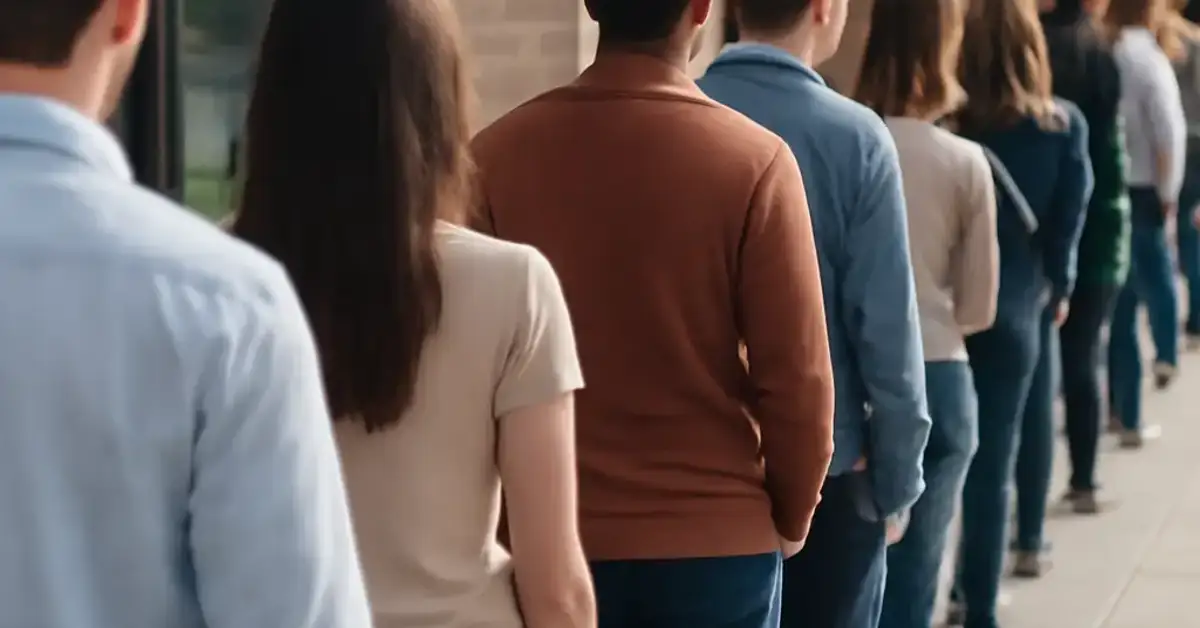
Picture this: you walk past a bakery with a line snaking around the block. Do you keep walking, or do you instinctively wonder what everyone is waiting for? Most people stop and take notice. That’s the power of why people queue, and it’s far more strategic than you might think.
Psychologists call this the “bandwagon effect” — when we see others committing time or effort to something, we assume it must be valuable. Long queues are visual proof that others have already vetted a product or experience. In a world overloaded with choices, a waiting line becomes a shortcut to quality.
Scarcity and the Fear of Missing Out
Another psychological driver is scarcity. The psychology of waiting in line often ties directly to limited availability. When a line forms, it signals that supply is constrained, triggering FOMO. Smart marketers know that creating intentional wait times — through limited drops, exclusive launches, or small-batch releases — builds anticipation and perceived value.
Think about Supreme’s weekly drops or the line outside a new Shake Shack. Neither company apologizes for the wait; they embrace it as part of the brand experience.
Lesson 1: Social Proof Boosts Perceived Quality
The most obvious lesson from long queues is that social proof is a powerful trust signal. When potential customers see a crowd waiting, they infer that the product must be trustworthy and desirable. This is why restaurants often keep a small waiting area visible from the street — not because they lack space, but because a full house sells itself.
Brands apply this lesson outside physical stores, too. Displaying real-time purchase notifications on ecommerce sites, showing “X people are viewing this item,” or featuring user-generated content about long queues for a product launch all tap into the same psychology.
How to Create Your Own Social Proof Engine
You don’t need a physical queue to benefit. Encourage user reviews, highlight waiting lists on your landing page, and share photos or videos of people excitedly waiting for your product. Every element that shows demand builds trust.
Lesson 2: Anticipation Enhances Customer Satisfaction
Why people queue isn’t just about the product — it’s about the experience. Waiting, when done right, can actually make customers happier with their purchase. Studies in the psychology of waiting in line show that anticipation raises dopamine levels, much like a countdown to a holiday.
Consider Disney’s approach: instead of letting guests stand in a boring line, they create immersive attractions with storyboards, music, and characters. The wait becomes part of the magic. Similarly, luxury brands often offer champagne or a quiet preview room — turning the wait into a status signal.
The “Endowed Progress” Effect
Research indicates that when people feel they have already invested time in a queue, they value the outcome more. This is called the endowment effect. Brands can use this by offering early access to a “virtual queue” or by providing progress indicators like “you’re 3rd in line” — reinforcing the commitment and making the eventual purchase feel earned.
Lesson 3: Exclusivity Commands Higher Prices
Long queues communicate exclusivity, and exclusivity justifies premium pricing. When a brand allows or even encourages lines, it signals that not everyone can have the product at the same time. This scarcity allows businesses to charge more and maintain a high-end image.
Watchmaker Rolex, for instance, often has wait lists that stretch for months. Customers don’t complain — they boast about being on the list. The queue itself becomes a badge of honor.
Applying Exclusivity Without Alienating Customers
The trick is to make exclusivity feel like a reward, not a punishment. Offer a VIP fast-pass option for loyal customers, or create a limited-edition product that sells out quickly. Even a simple “notify me when back in stock” button builds anticipation and perceived exclusivity.
Lesson 4: Queue Design Impacts Customer Perception
Not all long queues are created equal. How you manage the wait affects whether customers feel frustrated or excited. The psychology of waiting in line includes factors like fairness, transparency, and entertainment.
Research from MIT professor Richard Larson, a leading expert on why people queue, found that perceived wait time can be more important than actual wait time. Customers who see a line moving — even slowly — are happier than those who stand still for the same duration.
| Queue Design Factor | Positive Impact | Negative Impact |
|---|---|---|
| Single-line/multiple-server | Fairness, reduces anxiety | None |
| Visual progress (e.g., countdown) | Lowers perceived wait | None |
| Entertainment during wait | Improves mood and patience | Distraction if too loud |
| Unclear wait time | None | Increases frustration |
Lesson 5: Use Waiting Lines to Build Community
Long queues can be an opportunity to connect with your most passionate customers. People who are willing to wait are your brand advocates. Smart marketers engage them while they wait — offering samples, running contests, or simply having a team member talk to people in line.
The release of a new iPhone generates lines that become social events. Apple employees chat with customers, take photos, and share on social media. Those interactions deepen loyalty and create stories that customers tell for years.
Turning a Queue into Content
Encourage customers to share their waiting experience. A branded hashtag, a photo booth near the line, or a simple invitation to tag the brand turns each queuing customer into a content creator. The line itself becomes a marketing asset, generating organic buzz long after the product is sold. For a related guide, see Perfect Fried Chicken: 5 Expert Secrets for Crispy Results.
Useful Resources
Explore these resources to deepen your understanding of queue psychology and marketing strategy:
- Psychology Today: The Psychology of Waiting in Line — A readable overview of how waiting affects decision-making and satisfaction.
- Harvard Business Review: The Psychology of Queues — Classic analysis of how businesses can use queue design to shape customer experience and perception.
Frequently Asked Questions About Long Queues
Frequently Asked Questions About long queues
What is the secret behind long queues?
The secret is that long queues signal quality, scarcity, and social proof, which make products appear more desirable and valuable to customers. For a related guide, see 5 Secrets Behind Village Park Restaurant’s Legendary Nasi Lemak.
Why do people queue for things they could buy later?
People queue because FOMO (fear of missing out) and social proof convince them that the product is special and worth the immediate investment of time.
Is queue psychology real?
Yes, queue psychology is a well-researched field that examines how waiting affects perception, satisfaction, and decision-making, used by brands worldwide.
Can long queues hurt a business?
Yes, if queues are too long, disorganized, or unfair, they can frustrate customers and drive them away. Smart queue management balances demand with experience.
What is social proof in marketing?
Social proof is the psychological phenomenon where people copy the actions of others to make decisions. Long queues are a powerful form of social proof.
How do luxury brands use queues?
Luxury brands use queues to create exclusivity and perceived scarcity, often through waiting lists that signal demand and justify premium pricing.
What is the bandwagon effect?
The bandwagon effect is the tendency to adopt beliefs or behaviors because many others are doing so. In queues, it drives people to join the line simply because it’s long.
How can a small business create a queue effect?
Small businesses can create a queue effect by limiting stock, announcing waitlists, hosting timed events, and showcasing customer testimonials and visits on social media.
Does waiting make people happier with their purchase?
Research shows that when people wait for something, they often value it more, a phenomenon called the endowment effect. The wait can enhance satisfaction.
What is the endowment effect in queues?
The endowment effect is when people assign higher value to something they have invested time or effort into obtaining, such as waiting in a long queue.
How can I make my queue feel shorter?
Offer entertainment, provide progress indicators, ensure fairness with a single-line system, and keep customers engaged with samples or conversation.
Why is the queue at popular restaurants always long?
Popular restaurants intentionally limit tables or take walk-ins only to create a visible queue that acts as social proof and scarcity, signaling quality.
What is fair queue design?
Fair queue design uses a single line that feeds multiple servers, ensuring customers are served in first-come, first-served order, reducing anxiety.
Can virtual queues work like physical ones?
Yes, virtual queues like waitlists, countdown timers, and “notify me” buttons create similar scarcity and anticipation psychology online.
What is the role of anticipation in queues?
Anticipation increases dopamine and excitement, making the eventual purchase more emotionally rewarding. Smart brands design the wait to build this excitement.
Why do people join a queue without knowing what it’s for?
Curiosity and the bandwagon effect often override rationality. Seeing a line makes people assume something valuable is happening, so they join to avoid missing out.
How does queue psychology affect ecommerce?
Ecommerce sites use queue psychology via pop-ups showing recent purchases, limited-time offers, and “only X left” alerts to trigger urgency and social proof.
What are the best examples of queue marketing?
Examples include Apple product launches, Supreme weekly drops, Disney ride queues, and Shake Shack’s intentionally crowded counters.
Can queue marketing backfire?
Yes, if the wait is too long, disorganized, or unfair, it can frustrate customers and lead to negative reviews. Queue design must match customer expectations.
How do I measure the success of queue marketing?
Track metrics like conversion rate, bounce rate, social media mentions during launches, and customer satisfaction surveys about the waiting experience.