


perfect fried chicken Key Takeaways
After hundreds of test batches, we finally cracked the code to perfect fried chicken that stays golden and crunchy long after it leaves the oil.
- A buttermilk brine with salt and a touch of sugar ensures juicy meat all the way to the bone — the real foundation of perfect fried chicken .
- A double-dredge method using seasoned flour and cornstash creates an ulta-crisp crust that does not sog out.
- Resting the coated chicken for 20 minutes before frying locks the breading on so it stays intact during cooking.
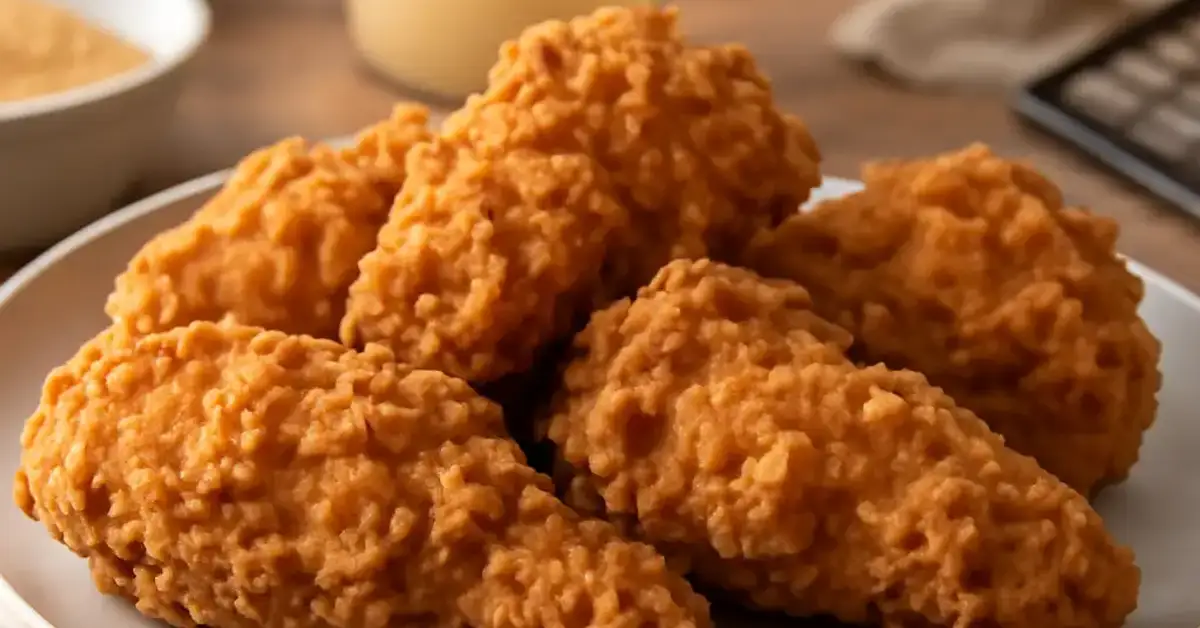
Why Most Fried Chicken Falls Short of Perfect Fried Chicken
I have been chasing perfect fried chicken since I was old enough to reach the stovetop. My grandmother made it look effortless: a cloud of seasoned flour, a hot cast-iron skillet, and an instinct for when to flip. But when I tried to replicate her results, I got pale, greasy crusts and dry meat. The problem was not the recipe — it was the process.
Most home cooks skip the brine, overheat the oil, or crowd the pan. The result is chicken that is either raw inside or burnt outside. Over the course of two years, I tested every variable: brine time, flour blend, oil temperature, resting periods, and even the type of pan. Out of that came the five techniques that finally delivered perfect fried chicken — every single time. For a related guide, see Perfect Balance Of Flavor At Village Park Restaurant: 12 Powerful Lessons for Better Results.
Secret #1: The Brine That Guarantees Juicy Meat
Dry chicken is the number-one complaint against homemade fried chicken. A buttermilk brine solves that. Buttermilk is acidic enough to tenderize the meat without making it mushy, and its thickness helps the seasoning cling to the surface. For a related guide, see 5 Proven Secrets Behind Village Park Restaurant’s Crispy Fried Chicken.
The Perfect Buttermilk Brine Ratio
For every pound of chicken, combine 1 cup of buttermilk, 1 teaspoon of salt, ½ teaspoon of sugar, and a pinch of cayenne. Submerge the pieces completely and refrigerate for at least 4 hours — but 12 hours is ideal. The salt penetrates deep into the meat, while the sugar balances the acidity and promotes better browning.
Why This Works for Perfect Fried Chicken
The brine performs two jobs at once: it seasons the inside of the meat and it helps the flour adhere. Without it, the crust tends to slip off in the oil. After brining, remove the chicken from the fridge 30 minutes before cooking to let it come to room temperature. Cold meat shocks the oil and leads to uneven cooking.
Secret #2: The Flour Blend That Creates Shatter-Crunch
Plain all-purpose flour yields a crust that is okay but never great. The secret to perfect fried chicken is a blend that includes cornstarch. Cornstarch absorbs moisture and fries up lighter, giving the crust that delicate, shattering crunch.
The Ideal Dredge Formula
Mix 1 ½ cups all-purpose flour, ½ cup cornstarch, 1 tablespoon garlic powder, 1 tablespoon onion powder, 2 teaspoons paprika, 1 teaspoon black pepper, and 1 teaspoon salt. This dry dredge does not need any liquid — the moisture from the brine-activated buttermilk is enough to make it stick.
For extra texture, add ¼ cup crushed cornflakes or panko breadcrumbs to the mix. This creates tiny peaks and ridges that turn deep golden brown in the oil. The result is a crust that shatters when you bite into it — the hallmark of perfect fried chicken.
Secret #3: The Resting Step That Prevents Bare Spots
Many people dredge their chicken and drop it straight into the hot oil. That is a mistake. The flour needs time to hydrate and bond with the meat. Without this rest, the breading slides off the moment it hits the oil, leaving bare patches.
How Long to Rest the Coated Chicken
After the final dredge, place the pieces on a wire rack set over a baking sheet. Let them rest for 20 minutes at room temperature. During this time, the flour absorbs moisture from the surface and forms a tacky layer that sticks tenaciously during frying. Do not skip this step — it is the difference between a crust that stays on and one that floats away.
Secret #4: Oil Temperature Management — The Most Overlooked Skill
The ideal starting temperature for frying chicken is 350°F (175°C). But the real trick is keeping it there. Every piece of chicken you add drops the oil temperature by 15 to 25 degrees. If you crowd the pan, the oil plummets below 325°F and the crust absorbs fat instead of crisping up.
How to Monitor and Adjust Temperature
Use a clip-on deep-fry thermometer and adjust the heat in small bursts. Start with the burner on medium-high. When you add the chicken, turn it up slightly to compensate, then reduce it back once the temperature stabilizes. Fry in batches — never more than four pieces in a 12-inch skillet. Wait until the oil returns to 350°F before adding the next batch. This discipline is what separates good chicken from perfect fried chicken.
Secret #5: The Double Fry Technique for Extra-Long Crispiness
If you have ever wondered why restaurant perfect fried chicken stays crunchy even after sitting in a takeout box, the answer is the double fry. The first fry cooks the meat through at a lower temperature. The second fry, just before serving, crisps the crust to an audible crunch. For a related guide, see 5 Best Nasi Lemak Ayam Goreng: The Fried Chicken Everyone Craves.
The Double Fry Process
First fry: Heat the oil to 325°F and cook the chicken for 8 to 10 minutes (thighs and drumsticks take longer than breasts). The chicken will be cooked but the crust will be pale and soft. Let the pieces cool on a rack for at least 10 minutes. This resting period allows steam to escape, preventing sogginess.
Second fry: Increase the oil to 375°F and fry the chicken again for 3 to 4 minutes. The high heat instantly crisps the outer layer while the inside stays juicy. Drain on paper towels for 1 minute, then serve immediately. Leftover perfect fried chicken can be reheated in a 400°F oven for 8 minutes to restore the crunch.
Useful Resources
For a deeper dive into the science of frying, Serious Eats has an excellent breakdown of oil temperature and crust formation. The Kitchn also provides a visual step-by-step guide to the double-dredge method that complements the techniques described here.
Frequently Asked Questions About perfect fried chicken
What is the best oil for perfect fried chicken ?
Peanut oil is the top choice because of its high smoke point (450°F) and neutral flavor. Canola and vegetable oil also work well. Avoid olive oil — its smoke point is too low and it will burn before the chicken is cooked.
How long should I brine chicken for perfect fried chicken ?
At least 4 hours, but 12 hours yields the best results. Brining longer than 24 hours can make the meat mushy due to the acid in buttermilk.
Can I make perfect fried chicken without buttermilk?
Yes. Use plain yogurt thinned with a little milk, or add 1 tablespoon of lemon juice or vinegar to regular milk and let it sit for 5 minutes to sour. The acidity is the key — it tenderizes the meat and helps the crust stick.
Why does my fried chicken crust fall off?
The crust usually falls off because the chicken was not rested after dredging, or because the oil was too cold. Rest the coated chicken for 20 minutes before frying, and make sure the oil stays between 335°F and 350°F.
What is the double-dredge method for perfect fried chicken ?
After the first coat of seasoned flour, dip the chicken back into the buttermilk brine and coat it a second time. This builds a thicker, more textured crust. It is especially effective when you want extra crunch.
How do I keep perfect fried chicken crispy when serving a crowd?
Place the finished chicken on a wire rack over a baking sheet in a 200°F oven. Do not cover it or put it on paper towels — both trap steam and soften the crust. The warm oven keeps it crispy for up to 30 minutes.
Can I fry perfect fried chicken in an air fryer?
An air fryer produces a decent crust, but it will not be identical to deep-fried chicken. Use a light oil spray on the coated pieces and cook at 375°F for 20 to 25 minutes, flipping halfway. For the crispiest results, use the double-dredge method.
What temperature should the oil be for perfect fried chicken ?
Start at 350°F for the main fry. If you are double-frying, use 325°F for the first fry and 375°F for the second fry. Always use a thermometer to monitor the temperature.
How do I reheat leftover perfect fried chicken ?
The best method is a 400°F oven for 8 to 10 minutes on a wire rack. The microwave will make the crust soggy. An air fryer at 350°F for 5 minutes also works well.
Should I brine chicken with the skin on or off?
Keep the skin on. The skin protects the meat and becomes part of the crispy crust when fried. Removing the skin exposes the meat directly to the hot oil, which makes it dry out faster.
What is the best cut of chicken for perfect fried chicken ?
Thighs and drumsticks are the most forgiving because they have a higher fat content that keeps them juicy. Breasts and wings also work, but breasts require careful temperature control to avoid drying out.
Can I use gluten-free flour for perfect fried chicken ?
Yes. Substitute the all-purpose flour with a 1:1 gluten-free all-purpose blend. Add an extra tablespoon of cornstarch to compensate for the lack of gluten structure. The crust will be slightly more delicate but still crunchy.
Why is my fried chicken greasy?
Greasiness usually means the oil was too cold. When the oil is below 325°F, the crust absorbs fat rather than crisping. It can also happen if you overcrowd the pan, which drops the temperature. Fry in small batches and maintain a steady 350°F.
How do I add more spice to perfect fried chicken ?
Add cayenne pepper, chipotle powder, or crushed red pepper flakes to the flour blend. You can also stir hot sauce into the buttermilk brine for heat that penetrates the meat.
Can I make perfect fried chicken ahead of time?
Yes. Fry the chicken completely, let it cool, and refrigerate it in a single layer on a baking sheet. To serve, reheat it in a 400°F oven for 10 minutes. Do not freeze fried chicken — the crust will become soggy when thawed.
What sides go best with perfect fried chicken ?
Classic sides include buttermilk biscuits, coleslaw, mashed potatoes with gravy, collard greens, and corn on the cob. The richness of the chicken pairs well with tangy and vinegary sides.
How do I clean the oil after frying perfect fried chicken ?
Let the oil cool completely, then strain it through a fine-mesh sieve lined with cheesecloth or a coffee filter. Store the strained oil in a sealed container in a cool, dark place. It can be reused two or three times for frying.
What is the secret to extra-crunchy perfect fried chicken ?
Use the double-dredge method and add cornstarch or crushed cornflakes to the flour blend. Rest the coated chicken for 20 minutes before frying, and double-fry for the most audible crunch.
Can I use a Dutch oven for perfect fried chicken ?
Absolutely. A Dutch oven holds heat well and its high sides reduce splatter. Use a 5- to 7-quart size and fill it with no more than 2 inches of oil. The same temperature rules apply.
Why does my perfect fried chicken get soggy after sitting?
Steam is the enemy of crispiness. If you stack the chicken or put it on paper towels, the trapped moisture softens the crust. Always cool fried chicken on a wire rack with space between the pieces.