

Malaysian Cuisine Guide Key Takeaways
This Malaysian Cuisine Guide introduces you to the bold, layered world of Malay, Chinese, and Indian flavors that define the nation’s food culture.
- Malaysian Cuisine Guide covers both street-food icons like Nasi Lemak and regional specialties such as Ikan Bakar.
- Learn cultural dining etiquette and the best times to visit hawker centers for peak freshness.
- Practical tips help you navigate spice levels, halal options, and where to find the most authentic versions.
What Makes This Malaysian Cuisine Guide Essential for Food Lovers
Malaysia sits at the crossroads of ancient trade routes, and its food tells a story of migration, adaptation, and creativity. Malay, Chinese, and Indian communities have each contributed techniques and ingredients, resulting in a cuisine that is simultaneously familiar and surprising. This Malaysian Cuisine Guide helps you understand the cultural context behind each dish so you can appreciate what you are eating and why it matters. For a related guide, see Traditional Malaysian Cuisine Explained: 7 Essential Dishes for Beginners.
Whether you are planning a trip to Kuala Lumpur, Penang, or Malacca, or simply want to recreate these flavors at home, the following sections provide a clear path through the most important dishes and the hidden gems that locals love.
7 Famous Malaysian Foods You Must Experience
These seven dishes are the backbone of Malaysian cuisine. They appear on hawker stalls, in family kitchens, and at festive gatherings across the country.
Nasi Lemak
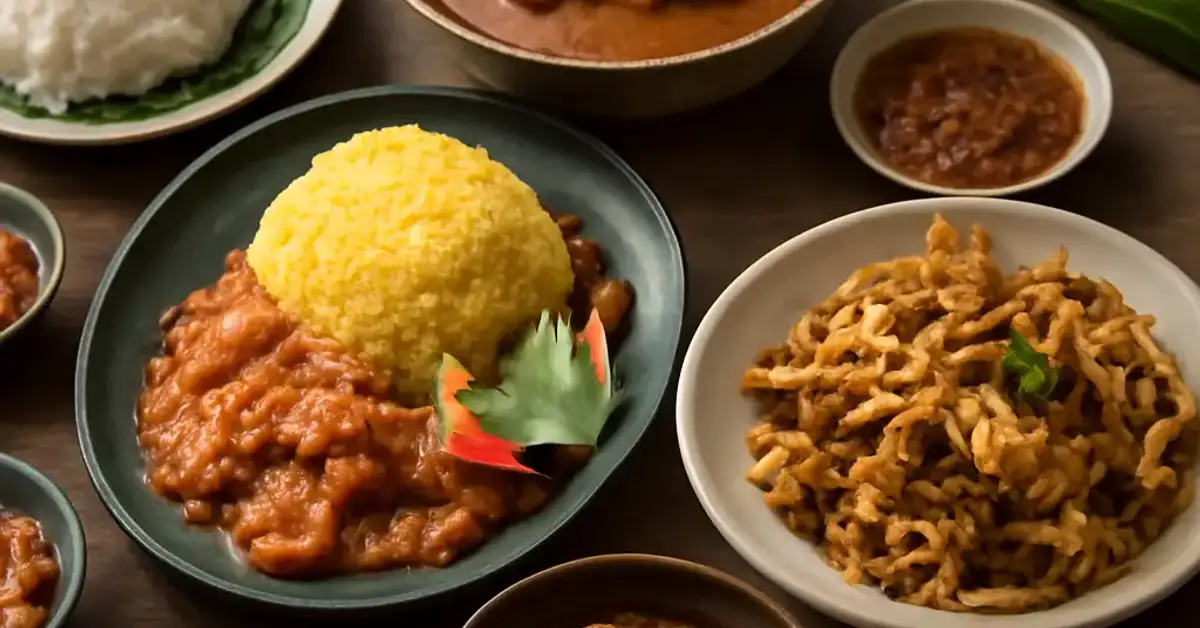
Nasi Lemak is the unofficial national dish of Malaysia. Fragrant coconut rice is served with spicy sambal, crispy anchovies, roasted peanuts, a hard-boiled egg, and a slice of cucumber. Many versions include fried chicken, rendang, or squid sambal. The key is the sambal — a chili paste that should be sweet, spicy, and slightly tangy. Look for stalls that make their sambal fresh daily.
Char Kway Teow
This Penang specialty consists of flat rice noodles stir-fried over high heat with dark soy sauce, shrimp, Chinese sausage, bean sprouts, and cockles. The wok hei (breath of the wok) gives it a smoky flavor that is hard to replicate at home. The best Char Kway Teow comes from hawkers who have been perfecting their craft for decades.
Satay
Skewers of marinated chicken or beef grilled over charcoal, served with a rich peanut sauce, ketupat (compressed rice cakes), and cucumber slices. The meat should be tender and slightly charred, while the sauce should be thick, creamy, and just a little spicy. Satay is a popular street food and a staple at Malay weddings.
Roti Canai
A flaky, crispy flatbread that is crisp on the outside and soft inside, typically served with dhal (lentil curry) and sometimes with sambal or curry chicken. Roti Canai is a breakfast favorite and a late-night snack. Watch the dough being flipped and stretched in the air — the technique is part of the experience.
Laksa
Two main styles exist: Assam Laksa (Penang) is a sour fish-based noodle soup with tamarind, mint, and pineapple. Curry Laksa is a coconut-rich, spicy soup with tofu puffs, shrimp, and vermicelli. Both versions are intensely aromatic and complex. To choose, ask yourself: do you want tangy and refreshing (Assam) or creamy and comforting (Curry)?
Hainanese Chicken Rice
Poached chicken served with fragrant rice cooked in chicken broth and pandan leaves, accompanied by chili sauce, ginger paste, and dark soy sauce. The chicken should be silky and tender, and the rice should be full of flavor. This dish originated from Hainanese immigrants and has become a Malaysian staple.
Rendang
A slow-cooked dry curry of beef, chicken, or lamb simmered in coconut milk and a paste of lemongrass, galangal, turmeric, and chilies. Rendang is often reserved for festive occasions like Hari Raya because of the time required to cook it until the liquid evaporates and the meat becomes tender. It is deeply flavorful and keeps well for days.
Off-the-Beaten-Path Local Malaysian Favorites
Beyond the iconic dishes, Malaysia is full of regional specialties and lesser-known treats that locals seek out.
Ikan Bakar
Whole fish stuffed with a spice paste, wrapped in banana leaves, and grilled over charcoal. It is served with air asam (tamarind dipping sauce) and steamed rice. The banana leaf traps steam, keeping the fish moist while the grill adds a smoky finish. Popular along coastal areas like Port Dickson and Langkawi.
Nasi Kandar
A Penang invention where steamed rice is topped with a selection of curries and side dishes such as fried chicken, okra, or brinjal (eggplant). The defining feature is the kuah campur — a mixture of curry gravies poured over the rice. Each stall has its own secret blend.
Cendol
A shaved ice dessert with green rice flour jelly, coconut milk, and palm sugar syrup. It is refreshing, sweet, and creamy. The best cendol uses freshly squeezed coconut milk and gula Melaka (artisanal palm sugar from Malacca).
Kuih-Muih
A category of traditional bite-sized snacks and sweets made from rice flour, coconut, and palm sugar. Examples include Kuih Lapis (layered steamed cake), Ondeh-ondeh (glutinous rice balls filled with palm sugar), and Pulut Inti (glutinous rice with sweet coconut filling). These are often sold in morning markets known as pasar pagi.
Tips for Experiencing Malaysian Cuisine Like a Local
Eat Where the Locals Eat
Skip tourist-heavy restaurants in shopping malls. Head to hawker centers, food courts, and pasar malam (night markets) instead. Look for stalls with long queues — that is a sign of quality and freshness.
Master Basic Dining Etiquette
When eating with your hands (common for Malay and Indian dishes), use only your right hand. Always accept food or drinks with two hands as a sign of respect. If you are invited to a local’s home, bring a small gift of fruit or sweets.
Manage the Spice Level
Malaysian food can be very spicy. Start with dishes that offer a milder profile such as Hainanese Chicken Rice or Roti Canai. If you want to try something spicy, ask for “kurang pedas” (less spicy) when ordering.
Drink Like a Local
Pair your meal with teh tarik (pulled milk tea), sirap bandung (rose syrup with condensed milk), or a fresh coconut water. For something bolder, try a glass of sugarcane juice with a squeeze of lime.
Useful Resources
For deeper exploration of Malaysian cuisine, visit Tourism Malaysia’s Food Culture page for official guides and regional highlights. For authentic recipes and home cooking tips, Serious Eats has a comprehensive Malaysian food guide with detailed step-by-step instructions.
Frequently Asked Questions About Malaysian Cuisine
Frequently Asked Questions About Malaysian Cuisine Guide
Is Malaysian food the same as Indonesian food?
No, while both share Malay roots and use similar ingredients like coconut milk and lemongrass, Malaysian cuisine has stronger Chinese and Indian influences, especially in noodles and curries. For a related guide, see 7 Essential Malaysian Cuisine Tips for Authentic Dishes Today.
What is the most popular street food in Malaysia?
Nasi Lemak is the most widespread and beloved street food, found from morning markets to late-night stalls across the country.
Is Malaysian food very spicy?
It can be, but not all dishes are. Many dishes like Hainanese Chicken Rice and Roti Canai are mild. You can always ask for less chili.
What is the best time to eat at hawker centers?
Evening is the best time, around 6 p.m. to 9 p.m., when the stalls are fully set and the food is freshly cooked.
Can I find vegetarian food in Malaysia?
Yes, many Chinese vegetarian stalls and Indian banana leaf restaurants offer excellent vegetarian options. Look for “sayur” (vegetable) dishes.
What is the difference between Nasi Lemak and Nasi Dagang?
Nasi Lemak uses coconut milk in the rice, while Nasi Dagang uses a combination of regular rice and glutinous rice, giving it a denser texture. Nasi Dagang is typically served with tuna curry.
Do I need to tip in Malaysian restaurants?
No, tipping is not expected in Malaysia. Most restaurants include a service charge in the bill.
What is the drink Teh Tarik?
Teh Tarik is a pulled milk tea made by pouring hot tea and condensed milk between two cups to create a frothy top. It is Malaysia’s national drink.
Where can I try authentic Penang Assam Laksa?
The best Assam Laksa is found at Air Itam Market in Penang, especially from stalls that have been operating for generations.
Is Malaysia halal-friendly for Muslim travelers?
Yes, the majority of Malaysian food is halal. Non-halal eateries are clearly marked, mostly found in non-Muslim neighborhoods.
What is the dessert Cendol made of?
Cendol consists of shaved ice, green rice flour jelly, coconut milk, and palm sugar syrup. Some versions add red beans, creamed corn, or glutinous rice.
Can I learn to cook Malaysian food?
Yes, many cooking schools in Kuala Lumpur, Penang, and Malacca offer half-day classes where you learn to make dishes like rendang and roti canai.
What is the best way to eat Roti Canai?
Use your fingers to tear off pieces of roti and dip them into the dhal curry. Some people also add a spoonful of sambal on the side.
Are there any famous food festivals in Malaysia?
The Penang International Food Festival and the Malaysia International Gourmet Festival are major events that showcase local and international cuisines.
What is the difference between Malaysian and Thai Laksa?
Malaysian Laksa is richer and often uses coconut milk (Curry Laksa) or tamarind (Assam Laksa), while Thai Laksa is lighter and typically has a coconut-turmeric broth with more herbs.
Can I find street food in shopping malls?
Some shopping malls in Kuala Lumpur have hawker-style food courts, but the most authentic street food is found in open-air hawker centers and night markets.
What is the dessert Kuih Seri Muka?
Kuih Seri Muka is a two-layer dessert with a green pandan custard top and a sweet glutinous rice base. It is steamed and cut into diamond shapes.
Is it safe to eat from street stalls?
Yes, Malaysian street food is generally very safe. Choose stalls with high turnover and visible cooking practices.
What is the best local drink besides Teh Tarik?
Sirap Bandung (rose syrup with condensed milk) and fresh sugarcane juice with lime are both excellent, refreshing choices.
How do I order food in Malay language?
Learning a few phrases helps: “Satu” (one), “Sedap” (delicious), “Boleh minta kurang pedas?” (Can I have less spicy?), and “Berapa?” (How much?).