


Malaysian festival dishes Key Takeaways
In this guide, I’ll walk you through seven essential Malaysian festival dishes —one from each major celebration—and share the personal stories that make them unforgettable.
- Every major festival in Malaysia has signature dishes that reflect the community’s heritage and values.
- Understanding the stories behind dishes like ketupat, kuih kapit, and laddu deepens your appreciation of Malaysian culture.
- These Malaysian festival dishes are not just meals—they are edible expressions of hospitality, gratitude, and unity.
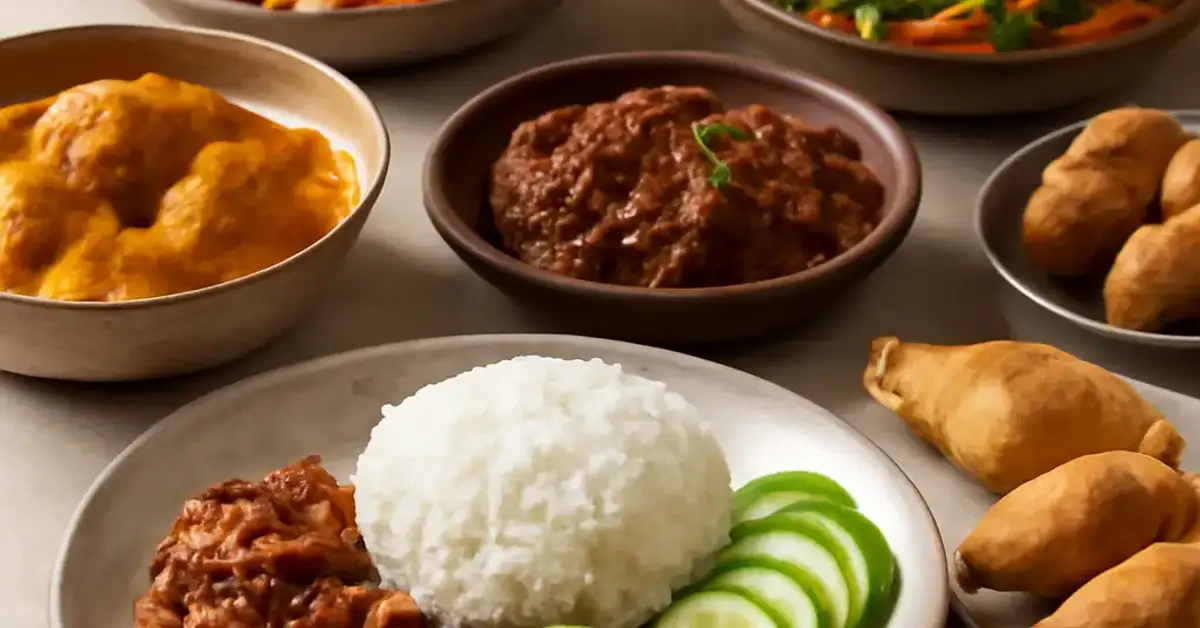
Why Malaysian Festival Dishes Are More Than Just Food
I remember my first Hari Raya open house in Kuala Lumpur. The scent of beef rendang mingling with lemongrass and coconut milk drifted from every home. Neighbors—Malay, Chinese, Indian—walked from door to door, each house offering a different taste of celebration. That day, I learned that Malaysian festival dishes are the country’s true language of welcome. For a related guide, see Best Malaysian Cuisine: 7 Must-Try Dishes for First-Timers.
Festivals in Malaysia are rarely private affairs. Open houses, where strangers become guests, are the norm. The food served during these occasions carries generations of tradition. A single bite of ketupat or a sip of bandung connects you to the farmer who wove the palm leaves, the grandmother who stirred the pot, and the community that still gathers around the table.
In this guide, I’ll walk you through seven essential Malaysian festival dishes—one from each major celebration—and share the personal stories that make them unforgettable.
The Hari Raya Feast: Ketupat, Rendang, and Lemang
Hari Raya Aidilfitri marks the end of Ramadan, a month of fasting and reflection. The celebration begins with prayers, then moves straight to the dining table. Every Malay household prepares a spread that takes days to plan.
Ketupat – The Woven Rice Dumpling
Ketupat is more than food; it’s a symbol of forgiveness. The woven palm leaves represent the complexities of human relationships, and the pure white rice inside stands for purity after a month of fasting. To eat ketupat is to participate in a ritual of cleansing. I once watched an elderly woman weave twenty ketupat casings in under ten minutes—her fingers moving like a sewing machine. “It’s muscle memory,” she laughed. “My mother taught me when I was seven.”
Beef Rendang – The Slow-Cooked Treasure
No Hari Raya dishes list is complete without rendang. This dry curry of beef simmered in coconut milk and spices can take hours, sometimes overnight. The secret is patience. The meat absorbs layers of turmeric, galangal, lemongrass, and chilies until it becomes impossibly tender. My Indonesian friend Dewi insists that the best rendang is the one left to rest for a day. “The flavors marry,” she says. “It tastes better on the second day.”
Lemang – Bamboo-Glazed Glutinous Rice
Lemang is glutinous rice cooked inside a bamboo tube lined with banana leaves. The result is a creamy, slightly smoky rice cake that pairs perfectly with rendang. During Hari Raya, vendors set up makeshift stalls along highways, selling lemang fresh from the fire. The sight of smoke rising from bamboo sticks is a sure sign that celebration is near.
Chinese New Year: Yee Sang, Pen Cai, and Kuih Kapit
Chinese New Year in Malaysia is a sensory overload of red lanterns, fireworks, and food. Every dish carries a wish for prosperity, health, or happiness. The festival food Malaysia during this period is all about symbolism.
Yee Sang – The Prosperity Toss
Yee sang is a raw fish salad that families toss together while shouting auspicious phrases. The higher you toss, the greater your luck. I remember my first yee sang experience at a friend’s house in Penang. Her grandmother mixed shredded carrots, radish, pomelo, and salmon, then poured a plum sauce dressing. “Now toss!” she commanded. Chopsticks flew, shredded vegetables scattered across the table, and we laughed until our stomachs hurt. That messy, joyful chaos is the heart of Chinese New Year Malaysian food.
Pen Cai – The Claypot Feast
Pen cai is a layered casserole of abalone, sea cucumber, dried oysters, mushrooms, and vegetables, all braised in a rich soy-based broth. It originated in Hong Kong’s walled villages but has become a Malaysian New Year staple for large family reunions. The beauty of pen cai is that everything cooks together, each ingredient sharing its essence with the others. It’s a dish that demands time and patience—much like family itself.
Kuih Kapit – Love Letters
Kuih kapit, also known as love letters, are thin, crisp rolled cookies made from coconut milk and rice flour. They are pressed in a hot iron mold that imprints a delicate floral pattern. Making kuih kapit is an art. Too thick, and they’re chewy. Too thin, and they burn. During Chinese New Year, these cookies are stacked in tins and offered to visitors as a gesture of sweetness and affection.
Deepavali Cuisine: Murukku, Laddu, and Thosai
Deepavali, the Festival of Lights, is celebrated by Malaysia’s Tamil community. Homes are decorated with oil lamps, kolam patterns drawn on doorsteps, and the air fills with the scent of spices. Deepavali cuisine is all about sharing—neighbors exchange platters of homemade sweets and savories.
Murukku – The Crunchy Spiral Snack
Murukku is a savory, crunchy spiral made from rice flour and urad dal flour, flavored with cumin and chili. It’s deep-fried until golden and stored in airtight jars for weeks. During Deepavali, every Indian household has a secret murukku recipe. My neighbor Aunty Meena uses a special metal press passed down from her mother. “The trick is the pressure,” she explained, squeezing the dough with both hands. “Too light, and it breaks. Too heavy, and it’s lumpy.” Murukku represents the balance of life—crispy on the outside, substantial within.
Laddu – The Golden Sweets of Joy
Laddu are round sweets made from gram flour, ghee, and sugar, often studded with cashews and raisins. They are the most iconic Deepavali cuisine treat. Making laddu is a communal activity. Families gather in the kitchen, rolling warm dough into perfect spheres while sharing stories. The golden color of laddu symbolizes prosperity and the light that dispels darkness—the very essence of Deepavali.
Thosai with Sambar and Chutneys
Thosai, a fermented crepe made from rice and lentils, is a staple during Deepavali breakfasts. It’s served with sambar (lentil stew) and an array of chutneys—coconut, tomato, mint. Thosai is a blank canvas for flavors. Its slight sourness from fermentation pairs beautifully with the spicy sambar and cooling coconut chutney. I once attended a Deepavali open house where the host had prepared five different thosai variations: plain, masala (stuffed with spiced potatoes), rava, cheese, and even a chocolate thosai for the kids.
How Malaysian Festival Dishes Unite Communities
One evening during Deepavali, a Malay neighbor knocked on my Indian friend’s door bearing a plate of freshly made kuih lapis. Inside, the family was frying murukku. “Come in, come in!” they said. The Malay neighbor stayed for an hour, learning to roll laddu while my friend’s mother taught her the traditional kolam patterns. That small moment captures the spirit of Malaysia. Malaysian cuisine during festivals is a bridge between cultures. A plate of rendang can sit next to a bowl of thosai on the same table. No one asks whether it’s “authentic.” They just ask for seconds. For a related guide, see Penang Malaysian Cuisine Every Traveler Must Try: 7 Essential Dishes.
During Hari Raya, Chinese and Indian friends are invited to open houses. During Chinese New Year, Malay and Indian coworkers gather for yee sang. During Deepavali, everyone tastes the murukku and laddu. These shared meals create a rhythm of belonging. The food may differ, but the intention is the same: to welcome, to celebrate, to give.
Three Common Mistakes When Cooking Malaysian Festival Dishes at Home
Trying to recreate Malaysian festival dishes at home is admirable, but a few pitfalls can trip up even experienced cooks.
1. Rushing the Spice Paste
Whether you are making rendang or murukku, the spice paste is the soul of the dish. Blitzing everything in a food processor for 30 seconds is not enough. Traditional cooks pound the paste with a mortar and pestle, breaking down fibers and releasing essential oils. If you’re short on time, at least let the paste sit for an hour after blending to allow flavors to meld.
2. Skipping the Resting Time
Rendang tastes better the next day. Thosai batter needs to ferment overnight. Even murukku dough benefits from a 15-minute rest. Patience is not optional—it’s required. Trying to speed through the process results in flat flavors.
3. Overcrowding the Pan
When frying murukku or tossing yee sang, give each ingredient space. Overcrowding causes uneven cooking and soggy textures. Fry murukku in small batches, and toss yee sang with wide, generous movements.
Useful Resources
For deeper exploration of Malaysian cooking techniques, visit Rasa Malaysia, a trusted source for authentic recipes and cultural context. To understand the history of festival foods in Southeast Asia, check out SBS Food’s guide to the Malaysian Hari Raya feast.
Frequently Asked Questions About Malaysian festival dishes
What is the most popular Malaysian festival dish?
Beef rendang is arguably the most celebrated Malaysian festival dish, especially during Hari Raya Aidilfitri. Its deep, complex flavor profile and tender texture make it a crowd favorite at open houses.
Is ketupat served during other festivals?
Ketupat is most closely associated with Hari Raya, but it also appears during other Malay celebrations such as weddings and aqiqah ceremonies. It is rarely served during non-Malay festivals.
What does yee sang symbolize?
Yee sang symbolizes prosperity, abundance, and good fortune. The higher you toss the ingredients, the greater your luck in the coming year.
Can I make rendang without coconut milk?
Traditional rendang relies on coconut milk for its richness. Substituting with dairy or plant-based milk will change the flavor and texture significantly.
What is the difference between lemang and ketupat?
Lemang is glutinous rice cooked in bamboo, giving it a creamy, smoky flavor. Ketupat is compressed rice steamed inside woven palm leaves, resulting in a firmer, denser texture.
Is pen cai difficult to make at home?
Pen cai requires many high-end ingredients like abalone and sea cucumber, and it takes hours of braising. It is often ordered from restaurants or specialty caterers rather than made from scratch.
What is the best way to store murukku?
Store murukku in an airtight container at room temperature for up to two weeks. Do not refrigerate, as moisture will soften the crunch.
Are there vegetarian versions of rendang?
Yes, jackfruit rendang (rendang nangka) and mushroom rendang are popular vegetarian alternatives that still carry the signature spice profile.
What is kuih kapit called in English?
Kuih kapit is often called “love letters” because of their rolled shape and the delicate love that goes into making them.
What drink is commonly served with Deepavali food?
Jigarthanda, a cold milk drink from Tamil Nadu, or plain buttermilk spiced with ginger and curry leaves are common choices.
Do Chinese Malaysians eat beef during Chinese New Year?
Some Chinese Malaysians avoid beef out of respect for Hindu neighbors, but many families include beef dishes like beef steak or beef rendang on their reunion tables.
What is the significance of round sweets like laddu?
Round sweets symbolize completeness, unity, and the cyclical nature of life. They are offered as blessings during Deepavali.
How long does it take to cook lemang?
Lemang takes about 4–5 hours to cook over an open fire. The bamboo must be rotated constantly to ensure even heat distribution.
Can I prepare yee sang in advance?
You can prep the shredded vegetables and sauce separately, but assemble and toss yee sang just before serving to keep the textures crisp.
What are common ingredients in Malay festival desserts?
Coconut milk, palm sugar, pandan leaves, glutinous rice, and sago are the building blocks of most Malay desserts like kuih lapis, seri muka, and ondeh-ondeh.
Is there a non-spicy version of murukku?
Yes, plain murukku (without chili or cumin) is common and popular among children. It relies on salt and the natural nuttiness of the flours.
What is the proper way to eat thosai?
Thosai is eaten with the right hand. Tear off a piece, dip it into sambar, then into chutney, and enjoy the combination of flavors.
Is kuih kapit gluten-free?
Traditional kuih kapit uses rice flour, making it naturally gluten-free. Always check labels if using pre-mixed flours.
What is the role of food in Malaysian festivals?
Food acts as a social glue that brings together people of different ethnicities and religions. Sharing Malaysian festival dishes is an act of hospitality, respect, and community bonding.
Which Malaysian festival dish is easiest for beginners to try?
Kuih kapit is relatively easy to master with a good mold and practice. Murukku is also beginner-friendly once you get the dough consistency right.