

best Korean restaurants Key Takeaways
Finding the best Korean restaurants means more than just tracking down a grill table — it is about understanding regional flavors, essential banchan, and the cultural rituals that make every meal memorable.
- The best Korean restaurants balance smoky BBQ, vibrant stews, and fresh banchan as a reflection of Korea’s diverse regional cuisines.
- Focusing on neighborhoods like Koreatown in Los Angeles or Murray Hill in New York helps you find the most authentic establishments quickly.
- Price ranges vary widely — from budget-friendly lunch specials at steam-table joints to premium multi-course meals at upscale BBQ houses.
What Defines the Best Korean Restaurants in the United States
Korean cuisine has exploded in popularity over the past decade, moving from a niche interest to a mainstream favorite. The rise of Korean dramas, K-pop, and global food media has driven curiosity about dishes like bibimbap, Korean fried chicken, and, of course, Korean BBQ. But what separates a truly great Korean restaurant from a merely decent one? The answer lies in the quality of banchan (side dishes), the authenticity of the gochujang and doenjang used, and the skill of the chef in balancing bold, fermented, and savory flavors.
Many of the best Korean restaurants in America are concentrated in established Koreatowns — Los Angeles, New York, Chicago, and the San Francisco Bay Area — but excellent spots are emerging in cities like Atlanta, Dallas, and Houston. This guide covers seven restaurants that consistently earn praise from Korean food experts and everyday diners alike, each representing a different facet of authentic Korean food.
Korean BBQ: A Must-Try Category in Any Korean Restaurant Guide
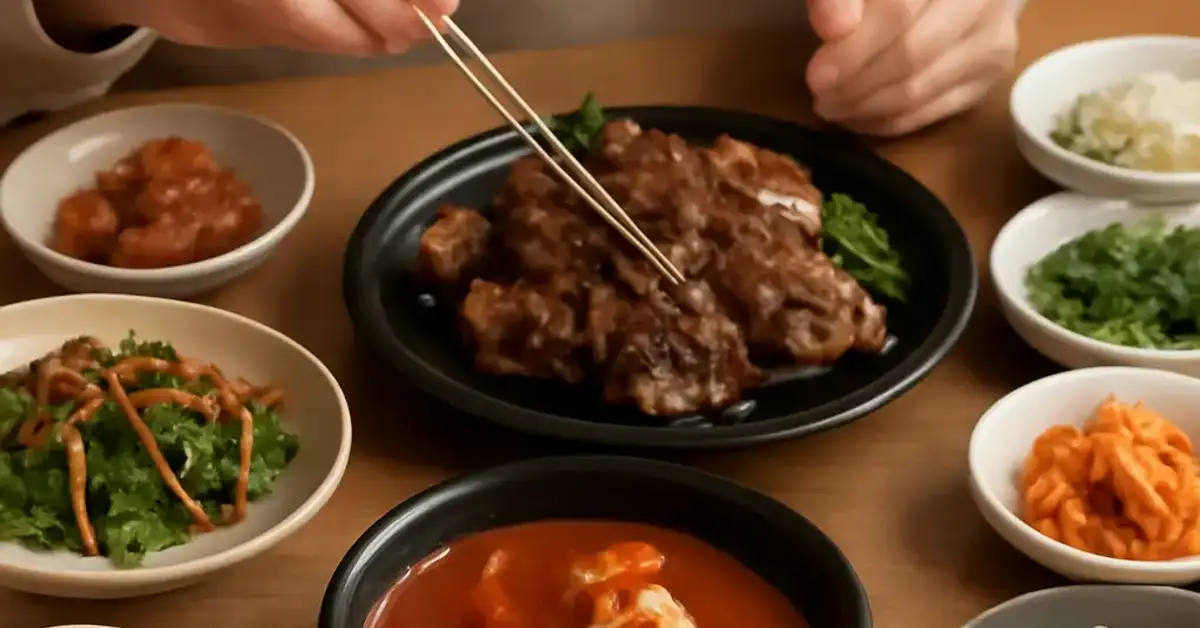
No Korean restaurant guide would be complete without diving into Korean BBQ, the interactive, sizzling centerpiece of Korean dining culture. At its best, Korean BBQ is a communal experience: diners grill marinated or unseasoned meats — beef bulgogi, pork belly (samgyeopsal), or galbi — right at the table, wrapping each bite in lettuce or perilla leaves with ssamjang and garlic. The table is crowded with an array of banchan that changes with the seasons and the chef’s whim. The top BBQ houses use high-quality, often imported, meats and have ventilation systems that keep smoke from overwhelming the space. Price ranges for a full BBQ meal can run from $30–$60 per person, depending on the cut and the restaurant’s prestige.
Los Angeles: Park’s BBQ
Located in the heart of Koreatown, Park’s BBQ is widely regarded by food critics and locals as one of the best Korean restaurants for premium beef. The restaurant sources USDA Prime and sometimes Wagyu beef, and the grilling technique is meticulous — the server will often cook the meat to your preferred doneness. The banchan selection here is exceptional, including a savory potato salad and fresh kimchi that changes daily. Must-try dishes include the marinated galbi (short ribs) and the wagyu rib-eye cap (chadolbaegi). Price range is approximately $50–$80 per person for a full meal. Reserve ahead; the wait for a table on weekends can exceed two hours. For a related guide, see Best Pizza Restaurants Reviewed: 7 Essential Tips for Choosing.
New York City: Cote – Korean Steakhouse
Cote, in Manhattan’s Flatiron District, reimagines Korean BBQ through the lens of a modern steakhouse. The restaurant has earned a Michelin star for its impeccable service and premium meat program. The set menus — “The Butcher’s Feast” or “The Prime Butcher’s Feast” — are designed for sharing and include multiple cuts of beef plus an egg soufflé, steamed rice, and a changing lineup of banchan. The interior is sleek and intimate, far from the chaotic energy of a typical BBQ joint. Expect to spend $70–$130 per person, depending on the menu and beverages. Cote is a fantastic choice for a special occasion or a food-focused date night.
Beyond BBQ: A Diverse Korean Restaurant Guide to Regional Specialties
While BBQ steals the spotlight, the best Korean restaurants also excel at soups, stews, and noodle dishes that reflect Korea’s regional kitchens. The southern region of Jeolla is famous for its rich, savory jeon (pancakes) and kimchi jjigae, while the coastal areas produce exceptional seafood dishes like haemul pajeon and hoe (raw fish). In the United States, many chefs are now drawing from these traditions, introducing diners to flavors beyond the grill.
Chicago: Daebak Korean BBQ and Traditional Cuisine
Daebak in Chicago’s River North neighborhood offers a split identity: half the menu is dedicated to Korean BBQ, while the other half features home-style dishes like gamjatang (pork bone stew) and bibimbap served in a sizzling stone bowl. The stews here are deeply flavored, simmered for hours with dried anchovies, gochugaru, and garlic. The price is more accessible than in NYC or LA, with most stews and rice bowls under $20 per person, and BBQ combos in the $30–$45 range. This makes it an excellent entry point for those new to authentic Korean food.
San Francisco Bay Area: Han Il Kwan – Traditional Home Cooking
In San Francisco’s Richmond District, Han Il Kwan has been a neighborhood fixture for decades, serving what many call the most authentic Korean food outside of Koreatown. The restaurant is known for its banchan — refillable, and consistently fresh. The signature dish is the soon tofu (soft tofu stew) with clams and kimchi, and the dolsot bibimbap (stone pot rice bowl) arrives still crackling. Chances are you will see Korean grandmothers eating here, which is always a good sign. Prices are moderate: under $25 for a generous bowl of soup or stew, and around $35–$45 for BBQ.
How to Choose Among the Best Korean Restaurants: Decision Criteria
When faced with a long list of highly rated Korean spots, consider the following criteria to narrow your choice. Korean restaurant guide experts suggest looking at: (1) the freshness and variety of banchan, (2) the quality and source of meat for BBQ, (3) the presence of regional specialties that go beyond the typical menu, (4) the overall ambiance and service — authentic spots often have attentive staff who will help you cook, and (5) the wait time – the best places frequently have lines, but that often means the food is worth it. For a related guide, see Top-Rated Restaurants Worth Visiting: 10 Expert Picks for 2025.
| Criteria | What to Look For | Why It Matters |
|---|---|---|
| Banchan Quality | At least 5–8 different items, made in-house | Reflects the chef’s dedication to tradition |
| Meat Sourcing | USDA Prime, Wagyu, or imported Hanwoo | Better marbling and flavor for BBQ |
| Regional Menu Variety | Offers gamjatang, naengmyeon, or jangjorim | Shows depth beyond BBQ basics |
| Service Style | Staff helps with grilling, explains dishes | Enhances the interactive dining experience |
| Atmosphere | Lively but not overwhelming; good ventilation | BBQ spots need proper ventilation to be comfortable |
Tips for First-Time Diners at the Best Korean Restaurants
If you are new to exploring Korean restaurant guide territory, a few simple tips will make your experience smoother and more enjoyable. First, never ask for substitutions or deletions on banchan — they are meant to be tasted, not eaten wholesale. Second, at BBQ restaurants, order a bottle of soju or a pitcher of Korean rice beer (makgeolli) to complement the grilled meats. Third, do not be shy about using the lettuce wraps — they are designed to balance the richness of the meat. Finally, tip generously if service was attentive; Korean restaurants often split tips among the entire service team.
Navigating a Korean Menu
A standard authentic Korean food menu can be overwhelming with dozens of options. For a first visit, consider ordering a “set menu” or “combo” if the restaurant offers one — it is usually designed to give a balanced experience. If you are going alone or with one other person, a stone pot bibimbap plus a side of galbi or samgyeopsal is a safe and delicious choice. If you are with a group, go for a BBQ set and add one stew (jjigae) and one pancake (jeon) to round out the table.
Useful Resources
To deepen your understanding of Korean cuisine and find more recommendations, check out these authoritative sources:
- Korean Bapsang – A trusted blog by a Korean mother and home cook who shares traditional recipes and restaurant reviews from a food insider’s perspective.
- Eater: Best Korean Restaurants in Seoul – While focused on Korea, this map provides context for the dishes and regional styles you will encounter at the best US restaurants.
Your Next Move: Savor the Best Korean Restaurants Near You
Whether you are a seasoned enthusiast or a curious newcomer, the journey to discover the best Korean restaurants is as rewarding as the destination. Each restaurant on this list offers a window into Korea’s rich culinary heritage, from the high-energy sizzle of BBQ to the comforting warmth of a stone pot stew. Use the criteria in this Korean restaurant guide to evaluate your choices, and do not hesitate to step outside your comfort zone — try the kimchi jjigae, order the makgeolli, and share everything family-style. The best Korean dining experiences are those that are shared, and every meal is a chance to learn, taste, and connect.
Frequently Asked Questions About best Korean restaurants
What defines the best Korean restaurants ?
The best Korean restaurants excel in the quality and variety of banchan, the freshness and marbling of meats for BBQ, the depth of flavor in stews and soups, and a welcoming atmosphere that encourages the communal, interactive dining culture central to Korean food.
How do I know if a Korean restaurant is authentic?
Signs of authenticity include a menu that features regional specialties like gamjatang or naengmyeon, banchan that are house-made and varied, and a clientele that includes Korean families and older Korean diners. Also, ask if the gochujang and doenjang are imported or house-fermented.
Is Korean BBQ expensive?
Korean BBQ varies widely. Budget-friendly spots might run $25–$35 per person, while premium restaurants using USDA Prime or Wagyu can cost $60–$130 per person. The price reflects meat quality, service, and ambiance. Generally, set menus offer better value.
What should I order at a Korean restaurant for the first time?
Start with a classic: bibimbap (mixed rice bowl) or soon tofu stew, plus a side of grilled galbi or samgyeopsal. That combination introduces you to the central flavors of Korean cuisine — fermented, spicy, savory, and grilled — without overwhelming you.
Are Korean restaurants usually halal- or vegetarian-friendly?
Korean cuisine relies heavily on meat, seafood, and fermented seasonings that often contain fish sauce. Some major cities have halal Korean spots, but vegetarian and vegan options are limited. Always call ahead, and look for dedicated vegetarian Korean restaurants like “San Yon” in New Jersey.
What is banchan and why is it important?
Banchan are small side dishes served with every Korean meal, including kimchi, seasoned vegetables, fish cakes, and pickled items. They are often refillable and reflect the cook’s skill. A great banchan spread is a hallmark of the best Korean restaurants.
Do Korean restaurants serve alcohol?
Most full-service Korean restaurants serve soju, rice beer (makgeolli), and Korean beers like Hite or Cass. Many also serve imported wines and sake. Soju is the classic pairing for BBQ and stews.
What is the difference between bulgogi and galbi?
Bulgogi is thinly sliced beef (usually ribeye or sirloin) marinated in soy, sugar, sesame oil, and pear juice. Galbi is beef short ribs marinated in a similar but sweeter sauce. Both are grilled, but galbi has a richer, more intense beef flavor due to the bone.
How spicy is Korean food?
Spice levels vary. Many dishes use gochugaru (red pepper flakes) and gochujang (fermented chili paste), which provide moderate heat. However, dishes like tteokbokki (spicy rice cakes) or jjambbong (spicy seafood soup) are genuinely hot. Most restaurants allow you to request milder versions.
Is Korean food gluten-free friendly?
Korean cuisine uses soy sauce, gochujang, and wheat-based noodles, so gluten is common. However, many dishes like bibimbap (without sauce) and grilled meats without marinades can be gluten-free. Always inform the staff, and ask for tamari or gluten-free soy sauce if available.
How do I eat Korean BBQ properly?
Cook the meat on the grill, turning once for even doneness. Place a piece of lettuce or perilla leaf in your palm, add a small spoonful of ssamjang (fermented dip), then place the meat inside, add a slice of raw garlic, and wrap it up. Eat it in one or two bites.
Can I take leftovers from a Korean restaurant?
Yes, most Korean restaurants will pack uneaten BBQ meat and banchan for takeaway. Banchan may not reheat well, but they are still fine to eat cold or lightly reheated. The tradition of “bokkeumbap” (fried rice made from leftover banchan and gochujang) is also popular.
What is the average tip percentage at Korean restaurants?
Standard tipping practices apply – 15–20% of the pre-tax total. In many Korean restaurants, especially those with a large service staff, tips are pooled, so leaving 18–20% is appreciated if the service is attentive.
Do Korean restaurants seat solo diners?
Most Korean restaurants welcome solo diners, especially for soup, stews, and rice bowls. Korean BBQ spots may be less accommodating because the grill is designed for sharing, but many have counter seating where solo diners can enjoy a set menu. Call ahead to check.
How do I handle a very crowded Korean BBQ spot?
Go early – aim for 5:30 p.m. on weekdays or 11:30 a.m. on weekends. Some restaurants offer a waitlist via Yelp or NoWait. If the wait is over an hour, consider ordering takeaway BBQ – many top spots offer packages that you grill at home.
What are the best cities for Korean food in the US?
Los Angeles (Koreatown), New York City (Murray Hill), Chicago (Albany Park), San Francisco (Richmond District), and Atlanta (Duluth) have the highest concentrations of best Korean restaurants. Other cities like Houston and Seattle also have excellent emerging scenes.
Are Korean restaurants family-friendly?
Absolutely. Many Korean restaurants have large tables, shareable dishes, and loud, lively atmospheres that welcome children. Bibimbap, kimbap, and fried chicken are popular with kids. However, BBQ grills can be hot, so keep an eye on little hands.
What is Korean fried chicken and where can I find the best?
Korean fried chicken is double-fried for a crisp, thin skin and often coated in gochujang-based sauce or soy garlic. Many of the best Korean restaurants offer it, but dedicated chains like Bonchon, Pelicana, and local spots like “Chirashi” in LA are considered top-tier.
Are there any Korean restaurants that deliver nationwide?
Yes, some premium Korean food companies ship nationwide, such as “Korea Foods” and “The Korean Table,” which offer BBQ kits, kimchi, and banchan. Also, Goldbelly features several top Korean restaurants that ship their signature dishes anywhere in the US.
What is the best time to visit a Korean restaurant for lunch?
Lunchtime is typically 11:30 a.m. to 2:00 p.m., with many restaurants offering discounted lunch specials. Arrive by 11:45 a.m. to avoid the midday rush. Lunch menus often include bibimbap, soon tofu, and bulgogi bowls at prices significantly lower than dinner.