

Best Japanese Food Destinations Key Takeaways
Japan is a paradise for food lovers, and the best Japanese food destinations offer everything from Michelin-starred sushi to sizzling street food stalls.
- The best Japanese food destinations span major cities like Tokyo and Osaka as well as lesser-known regional gems like Fukuoka and Kanazawa.
- Each destination has a signature dish — from Hiroshima’s okonomiyaki to Sapporo’s miso ramen — that defines its food culture.
- Planning your trip around these food spots helps you experience Japan’s diverse culinary landscape without falling into tourist traps.
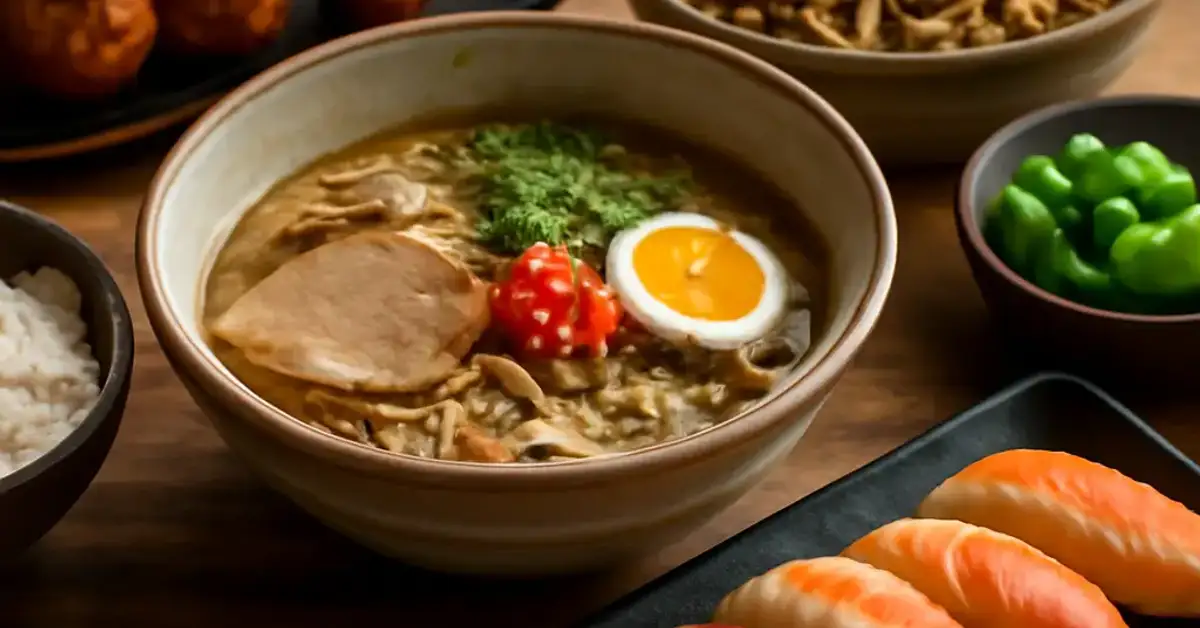
Why These Are the Best Japanese Food Destinations for Authentic Local Flavors
Japan’s food scene is incredibly regional. The best Japanese food destinations aren’t just about finding good sushi — they are about discovering how geography, climate, and history shape each city’s unique palate. From the sweet soy-based sauces of the east to the robust miso and seafood of the north, traveling through Japan by stomach is one of the most rewarding ways to explore the country. For a related guide, see Best Chinese Restaurants in Malaysia: 12 Essential Eateries to Try.
In this list, I’ve focused on places where you can eat like a local, avoid overcrowded chains, and taste dishes that have been perfected over generations. Whether you’re a solo backpacker or a family on vacation, these destinations deliver authentic experiences you’ll remember long after the meal is over.
Top 10 Best Japanese Food Destinations You Must Visit
Here are my personal picks for the best Japanese food destinations, ranked by culinary diversity, uniqueness of local specialties, and overall food culture.
1. Tokyo – The Ultimate Food Megacity
Tokyo holds more Michelin-starred restaurants than any other city in the world, but it’s also a haven for affordable eats. Head to Tsukiji Outer Market for fresh seafood bowls and grilled eel, or explore the narrow alleys of Omoide Yokocho for yakitori and beer. For a truly local experience, grab a bowl of tsukemen (dipping ramen) in Shinjuku.
2. Osaka – Japan’s Street Food Capital
Osaka is famous for its kuidaore culture — “eat till you drop.” Dotonbori district is the epicenter, where you’ll find takoyaki (octopus balls), okonomiyaki (savory pancakes), and kushikatsu (deep-fried skewers). Don’t miss the sizzling stalls in Shinsekai for a more old-school vibe.
3. Kyoto – Elegant Kaiseki and Temple Cuisine
Kyoto offers a more refined side of Japanese food. Shojin ryori (Buddhist vegetarian cuisine) is a must-try, served in tranquil temple settings. For a splurge, book a kaiseki dinner — a multi-course meal that highlights seasonal ingredients and meticulous presentation. Nishiki Market is perfect for grazing on yuba (tofu skin) and pickles. For a related guide, see Ultimate Malay Cuisine Guide: 12 Essential Dishes to Taste.
4. Fukuoka – The Birthplace of Tonkotsu Ramen
If you love ramen, Fukuoka is a pilgrimage site. Its signature tonkotsu ramen features a creamy pork bone broth and thin noodles. Visit a yatai (street stall) along the Nakasu River for an unforgettable bowl. Also try motsunabe (offal hot pot) and mentaiko (spicy cod roe).
5. Sapporo – Miso Ramen and Seafood Heaven
Sapporo, the capital of Hokkaido, is famous for miso ramen topped with butter and corn. The city’s Sapporo Central Wholesale Market offers incredibly fresh crab, sea urchin, and salmon. In winter, warm up with soup curry — a uniquely Hokkaido spin on Indian curry.
6. Hiroshima – Okonomiyaki with a Twist
Hiroshima-style okonomiyaki layers ingredients instead of mixing them, resulting in a crispy, savory pancake filled with noodles, cabbage, and pork. Watch chefs cook it on a hot teppan at the Okonomimura building. Also try oysters grilled or fried — Hiroshima Bay produces some of Japan’s best.
7. Kanazawa – Fresh Seafood and Gold-Leaf Treats
Kanazawa’s Omicho Market is a dream for seafood lovers. The city is also known for its gold leaf crafts, which appear in everything from matcha ice cream to soba noodles. Kaga cuisine, a local washoku tradition, emphasizes naturally sweet vegetables and river fish.
8. Nagoya – The Unique “Nagoya-meshi”
Nagoya has its own distinct food culture called Nagoya-meshi. Try hitsumabushi (grilled eel on rice, served three ways), miso katsu (pork cutlet with red miso sauce), and tebasaki (spicy chicken wings). The flavors are bold and satisfying.
9. Takayama – Hida Beef and Mountain Comfort Food
Takayama in the Japanese Alps is the place for Hida beef, a marbled wagyu that melts in your mouth. Also sample gohei mochi (glutinous rice skewers with a sweet soy glaze) and mitarashi dango. The morning market along the Miyagawa River sells fresh produce and handmade snacks.
10. Kobe – World-Famous Kobe Beef
Kobe beef is legendary for a reason. While expensive, you can find reasonable teppanyaki lunches in the city. Beyond beef, explore Nankinmachi (Kobe’s Chinatown) for nikuman (steamed buns) and visit the harbor area for fresh seafood.
Best Japanese Food Destinations Quick Comparison Table
| Destination | Must-Try Dish | Best For |
|---|---|---|
| Tokyo | Tsukemen, Edomae sushi | Variety and Michelin-star dining |
| Osaka | Takoyaki, Okonomiyaki | Street food and nightlife |
| Kyoto | Kaiseki, Shojin ryori | Refined Japanese cuisine |
| Fukuoka | Tonkotsu ramen | Ramen lovers |
| Sapporo | Miso ramen, soup curry | Hearty winter food |
| Hiroshima | Hiroshima-style okonomiyaki | Okonomiyaki fans |
| Kanazawa | Kaga cuisine, fresh crab | Seafood and traditional washoku |
| Nagoya | Hitsumabushi, miso katsu | Bold, savory flavors |
| Takayama | Hida beef, gohei mochi | Mountain town atmosphere |
| Kobe | Kobe beef teppanyaki | Premium beef experience |
How to Choose the Right Destination for Your Food Trip
Selecting among the best Japanese food destinations depends on your travel style and what you hope to eat. If you want non-stop variety and late-night eats, start in Osaka or Tokyo. For a quieter, more traditional experience, Kyoto and Kanazawa offer serene settings and seasonal kaiseki. Ramen fans should prioritize Fukuoka and Sapporo. And if budget allows, splurge on Kobe or Takayama for premium meat experiences.
A good strategy is to combine two or three destinations in one trip. For example, fly into Tokyo, take the Shinkansen to Osaka and Kyoto, then head south to Fukuoka. This route lets you sample distinct regional cuisines without feeling rushed.
Useful Resources
For deeper background on Japan’s culinary regions, check out the Japan Travel Food Guide from the official tourism board. For restaurant recommendations and user reviews, Tabelog is the most reliable Japanese platform (use the English version or browser translation).
Frequently Asked Questions About Best Japanese Food Destinations
What is the number one best Japanese food destination?
Tokyo is often considered the top best Japanese food destination because it offers the widest range of cuisines, from high-end kaiseki to affordable street food, and has more Michelin-starred restaurants than any other city.
Which city in Japan has the best street food?
Osaka is widely regarded as the street food capital of Japan. Its Dotonbori and Shinsekai districts are packed with stalls selling takoyaki, okonomiyaki, and kushikatsu.
Is it expensive to eat out in Japan?
Not necessarily. While high-end dining can be costly, Japan offers excellent budget options. Convenience store meals, ramen shops, and market stalls provide tasty, affordable food starting around 500–1000 yen per meal.
Where can I find the best ramen in Japan?
Fukuoka is famous for tonkotsu ramen, while Sapporo is known for miso ramen. Tokyo also has outstanding ramen shops, especially for shoyu and tsukemen.
What is kaiseki cuisine?
Kaiseki is a traditional multi-course Japanese dinner that emphasizes seasonality, local ingredients, and artistic presentation. Kyoto is the best place to experience authentic kaiseki.
Do I need reservations for popular restaurants in Japan?
For high-end restaurants, especially in Kyoto and Tokyo, reservations are essential and often need to be made weeks in advance. For casual eateries, you can usually walk in.
What is the best Japanese food destination for seafood?
Kanazawa and Sapporo are excellent choices for fresh seafood. Kanazawa’s Omicho Market and Sapporo’s Central Wholesale Market offer top-quality crab, sea urchin, and salmon.
Is Hiroshima okonomiyaki different from Osaka style?
Yes. Osaka-style mixes ingredients into the batter, while Hiroshima-style layers them — typically including noodles, making it a heartier dish.
What is hida beef?
Hida beef is a premium wagyu from Gifu Prefecture, known for its intense marbling and buttery texture. Takayama is the best place to try it, often served as steak or in sukiyaki.
Can vegetarians find good food in Japan?
Yes, especially in Kyoto where shojin ryori (Buddhist vegetarian cuisine) is widely available. In other cities, look for vegetarian-friendly ramen shops or shokudo serving tofu dishes.
What is Nagoya-meshi?
Nagoya-meshi is the collective name for Nagoya’s local specialties, including hitsumabushi, miso katsu, and tebasaki. The flavors are often richer and sweeter than in other regions.
Is it safe to eat street food in Japan?
Absolutely. Japanese street food vendors follow strict hygiene standards. Food is cooked fresh in front of you, making it both safe and delicious.
What is the best time of year to visit Japan for food?
Autumn (September–November) and spring (March–May) offer the best seasonal ingredients, such as matsutake mushrooms in fall and bamboo shoots in spring. Winter is great for hot pot and ramen.
Do I need to tip at restaurants in Japan?
No. Tipping is not customary in Japan and can even be considered rude. Excellent service is already included in the price.
What is the most underrated food destination in Japan?
Kanazawa is often overlooked but offers incredible seafood, beautiful gold-leaf desserts, and a rich food heritage. It’s a hidden gem among the best Japanese food destinations.
Can I find halal or kosher food in Japan?
Yes, especially in Tokyo and Osaka. Look for halal ramen shops and Indian restaurants. Kosher options are more limited but available in central Tokyo.
What drink should I pair with Japanese food?
Sake and Japanese beer are classic choices. For street food, a cold beer or highball works perfectly. Green tea is a great non-alcoholic option.
Is Japanese food very spicy?
Most Japanese food is mild compared to Thai or Indian cuisine. However, dishes like curry rice or some ramen broths can have a gentle kick. Wasabi provides a quick, nasal heat.
What is the best way to try multiple regional foods in one trip?
Take the Shinkansen (bullet train) between cities. A Tokyo–Osaka–Fukuoka route lets you experience eastern, central, and southern Japanese cuisines efficiently.
Are food tours in Japan worth it?
Yes, especially in cities like Tokyo, Osaka, and Kyoto. A guided food tour helps you navigate local specialties, find hidden gems, and learn about the culture behind each dish. For a related guide, see 7 Hidden Food Gems Locals Love – Expert Picks for Authentic Eats.