


traditional Malay dishes Key Takeaways
Malaysian cuisine is a vibrant tapestry of flavors, and at its heart lie the traditional Malay dishes that have been perfected over generations.
- The seven essential traditional Malay dishes include nasi lemak, rendang, satay, laksa, nasi goreng, sambal udang, and ketupat — each a pillar of Malaysian cuisine .
- Key ingredients like coconut milk, lemongrass, belacan (shrimp paste), and tamarind define the bold, aromatic flavor profile of Malay culinary heritage .
- Understanding these dishes gives you a deeper appreciation of Malaysia’s multicultural identity, where Malay, Chinese, and Indian influences converge.
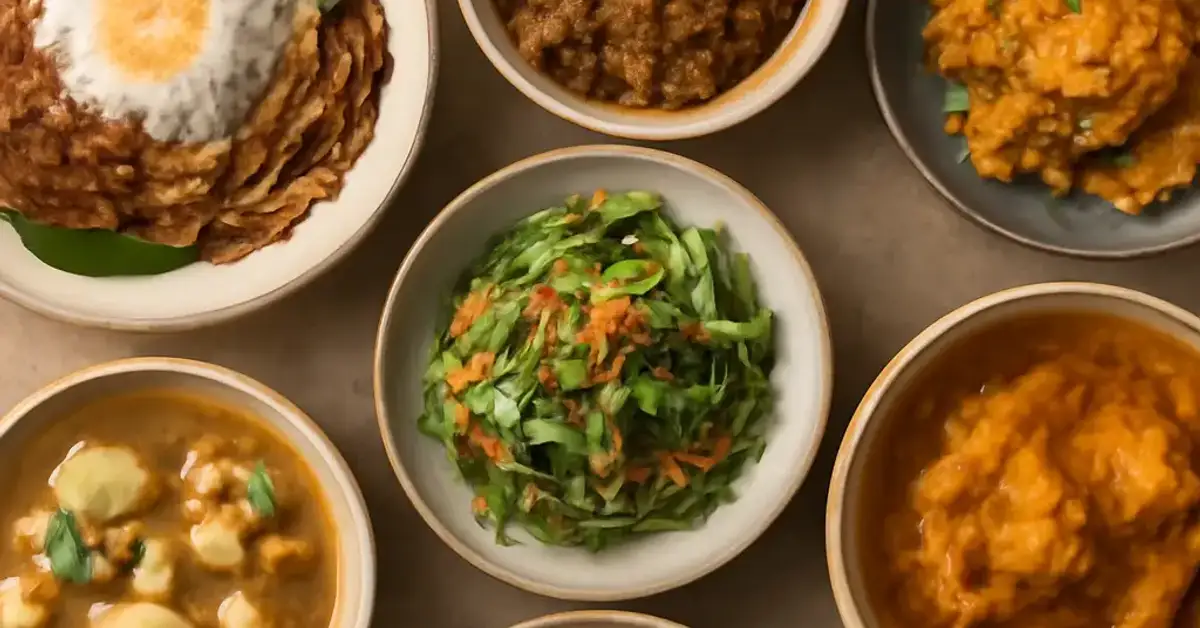
Why Traditional Malay Dishes Matter in Malaysian Cuisine
Malaysia is a food lover’s paradise, a nation where street stalls, hawker centers, and family kitchens each contribute to an ever-evolving culinary landscape. At the foundation of this diverse food culture are traditional Malay dishes. These recipes have been passed down through generations, shaped by the country’s tropical climate, spice trade history, and the daily lives of the Malay community.
What makes Malaysian cuisine so distinctive is its bold layering of flavors — spicy, sour, sweet, and savory all at once. Traditional Malay dishes rely on a pantry of fresh aromatics like lemongrass, galangal, turmeric, and chilies, often pounded into fragrant pastes. Coconut milk softens the heat, while tamarind lends tanginess. This balance is the hallmark of Malay culinary heritage, and it sets Malaysian food apart from its Southeast Asian neighbors. For a related guide, see Traditional Malaysian Cuisine Explained: 7 Essential Dishes for Beginners.
7 Traditional Malay Dishes You Must Know
Here is a curated list of seven essential traditional Malay dishes that every visitor — and every home cook — should experience. Each dish is introduced with its cultural significance, key ingredients, and a brief explanation of why it defines Malaysian cuisine.
1. Nasi Lemak — The National Dish
Nasi lemak is widely considered the unofficial national dish of Malaysia. This fragrant rice dish is cooked with coconut milk and pandan leaves, giving it a creamy texture and a subtle floral aroma. It is traditionally served with fried anchovies (ikan bilis), roasted peanuts, sliced cucumber, hard-boiled egg, and a dollop of spicy sambal — a chili paste.
Key ingredients: Coconut milk rice, anchovies, peanuts, sambal, egg, cucumber.
Nasi lemak is eaten at any time of day — breakfast, lunch, or dinner — and is a staple at iconic Malaysian food stalls nationwide. Its simplicity showcases how Malay culinary heritage transforms humble ingredients into a comfort meal. Nasi lemak is also a symbol of unity, enjoyed by Malaysians of all ethnicities. For a related guide, see 7 Must-Try Malaysian Dishes for Tourists in Kuala Lumpur.
2. Beef Rendang — The Slow-Cooked Masterpiece
Beef rendang is perhaps the most internationally celebrated traditional Malay dish. This dry curry is made by slowly simmering beef in coconut milk and a spice paste (rempah) until the liquid evaporates and the meat is caramelized. The cooking process can take hours, but the result is incredibly tender, deeply flavorful beef.
Key ingredients: Beef, coconut milk, lemongrass, galangal, turmeric, ginger, chilies, kerisik (toasted coconut paste).
Rendang is often reserved for festive occasions like Hari Raya Aidilfitri and weddings. It represents patience and mastery in Malay culinary heritage, as the long cooking time allows the spices to penetrate every fiber. In 2024 rendang was named the world’s most delicious food by CNN Travel.
3. Satay — Grilled Skewers with Peanut Sauce
Satay consists of marinated and skewered meat, grilled over charcoal until smoky and charred. It is served with a thick, slightly sweet peanut sauce, ketupat (compressed rice cakes), and cucumber slices. Chicken and beef are the most common choices, though lamb and mutton satay are also popular.
Key ingredients: Meat, turmeric, lemongrass, coconut milk (for marinade), peanuts, tamarind, sugar.
Satay is one of the most beloved iconic Malaysian food items at night markets and street stalls. It showcases the influence of Indonesian and Malay culinary traditions, while the peanut sauce reflects a regional love for nutty, savory dips. Satay is social food — shared with friends over conversation.
4. Laksa Lemak — The Spicy Coconut Noodle Soup
Laksa lemak is a rich, spicy noodle soup from the southern states of Malaysia, particularly Johor and Malacca. The broth is made with coconut milk and a pungent spice paste, then topped with ingredients like shredded chicken, prawns, boiled eggs, and bean sprouts. The noodles can be either thick rice noodles (laksa noodles) or vermicelli, depending on regional preference.
Key ingredients: Coconut milk, dried chilies, belacan (shrimp paste), galangal, tamarind, noodles, bean sprouts, chicken, prawns.
Laksa lemak is an essential traditional Malay dish that highlights the Peranakan (Straits Chinese) influence on Malaysian cuisine. Its complexity — simultaneously creamy, spicy, and tangy — demonstrates how Malay cooking balances bold flavors. Every state has its own laksa variant, making it a dish of endless discovery.
5. Nasi Goreng — Malay Fried Rice
Nasi goreng is the Malay version of fried rice, and it is a daily staple across Malaysia. Unlike Chinese fried rice, the Malay version uses sambal belacan (chili shrimp paste) as a base, giving it a characteristic reddish color and a deep umami punch. Common additions include fried egg, chicken, prawns, and a side of acar (pickled vegetables).
Key ingredients: Cooked rice, sambal belacan, garlic, shallots, egg, protein of choice, kecap manis (sweet soy sauce).
Nasi goreng is comfort food at its most practical — it uses leftover rice and pantry staples. It is also one of the most ordered iconic Malaysian food items at food courts. The dish reflects the Malay knack for turning simple ingredients into a satisfying meal, and it is endlessly customizable.
6. Sambal Udang — Spicy Prawn in Chili Paste
Sambal udang is a fiery yet balanced dish of prawns cooked in a thick, aromatic sambal made from ground dried chilies, shallots, garlic, belacan, and tamarind juice. The prawns are simmered just until cooked, absorbing the bold flavors of the sambal without becoming rubbery.
Key ingredients: Prawns, dried chilies, shallots, garlic, belacan, tamarind paste, sugar, salt.
This dish is a cornerstone of home-style traditional Malay dishes. It represents the Malay love for sambal as a foundational cooking ingredient — not just a condiment. Sambal udang is often served during festive meals and alongside nasi lemak, reinforcing the centrality of sambal in Malay culinary heritage.
7. Ketupat — The Festival Rice Cake
Ketupat is not a main course but a traditional rice cake that plays an essential role in Malay festive meals. It is made by weaving young palm leaves into a diamond-shaped pouch, filling it with uncooked rice, and boiling it until the rice expands and compresses into a dense, firm cake. The result is a chewy, neutral-flavored cake that pairs perfectly with rendang, satay, and other rich dishes.
Key ingredients: Glutinous rice, palm leaves (for weaving), water.
Ketupat is deeply symbolic in Malay culinary heritage, especially during Hari Raya, where it symbolizes forgiveness and unity. Its preparation requires skill and patience — the weaving of the palm leaf pouch is a tradition that older generations pass down. Ketupat is also a practical dish, as it preserves well and is easy to transport for gatherings.
The Cultural Roots of Malay Culinary Heritage
Behind every traditional Malay dish lies a story of trade routes, religious customs, and family tradition. The heavy use of spices — imported from India and Indonesia — dates back to the Malacca Sultanate’s dominance of the spice trade in the 15th century. The halal dietary requirements shaped cooking methods (no pork, emphasis on clean preparation), while the tropical abundance of coconut, pandan, and fresh seafood defined ingredient choices.
Many of these iconic Malaysian food items are still prepared using traditional tools like the mortar and pestle (batu lesung) for grinding spice pastes, or the banana leaf as a serving plate. The communal aspect of Malay dining — eating with the right hand (makan dengan tangan) — also adds a tactile dimension to the experience. This respect for heritage is what keeps Malaysian cuisine
Where to Experience Authentic Traditional Malay Dishes
To taste these traditional Malay dishes in their most authentic form, head to a nasi campur (mixed rice) stall, a night market (pasar malam), or a Malay home-style restaurant. For nasi lemak, look for a stall that wraps the rice in banana leaf and serves the sambal with visible chili seeds. For rendang, the best versions are often found in neighborhood warungs (small family eateries) where the rendang is cooked for hours over a wood fire.
Notable destinations include the Kampung Baru district in Kuala Lumpur, where traditional wooden houses hide some of the city’s best Malay food; the state of Negeri Sembilan, known for its fiery rendang; and Malacca, where laksa lemak and satay have perfected regional variations. For those outside Malaysia, many specialty Southeast Asian restaurants in cities like London, Sydney, and New York now feature dedicated Malay menus.
Traditional Malay Dishes vs. Other Southeast Asian Cuisines
While Malaysian cuisine shares borders with Thai, Indonesian, and Singaporean food, traditional Malay dishes have a distinct identity. Thai food is often more herbaceous and lighter on coconut milk in savory dishes; Indonesian food uses similar ingredients but tends to be sweeter (especially in Javanese cuisine). Singaporean food borrows heavily from Malay and Chinese traditions but has its own hawker-centric character.
The key differentiator for Malay dishes is the prominent use of sambal as a base for cooking (not just a table condiment), the reliance on belacan for umami, and the slow-cooking techniques that meld spices into every bite. The cultural practice of eating with the right hand also influences the texture of dishes — many are designed to be easily scooped with a piece of ketupat or rice.
Useful Resources
For those who want to dive deeper into Malaysian cuisine and traditional Malay dishes, here are two credible references:
Frequently Asked Questions About traditional Malay dishes
What are the most popular traditional Malay dishes ?
The most popular traditional Malay dishes include nasi lemak, beef rendang, satay, laksa lemak, nasi goreng, sambal udang, and ketupat. These dishes are staples of Malaysian cuisine and widely available across the country.
What is the difference between nasi lemak and nasi goreng?
Nasi lemak is coconut milk rice served with sambal and accompaniments, while nasi goreng is fried rice cooked with sambal belacan and other ingredients. Both are iconic Malaysian food but have very different preparation methods.
Is rendang a Malay or Indonesian dish?
Rendang originates from the Minangkabau people of West Sumatra, Indonesia, but it has been adopted and adapted into Malay culinary heritage in Malaysia, especially in Negeri Sembilan. Today it is considered an essential traditional Malay dish in both countries.
What is the main spice in traditional Malay cooking?
No single spice dominates, but a fragrant paste made of lemongrass, galangal, turmeric, ginger, and chilies is foundational. Belacan (fermented shrimp paste) is also a key umami ingredient in many traditional Malay dishes.
Are traditional Malay dishes spicy?
Many traditional Malay dishes are moderately to very spicy due to the use of fresh chilies, dried chilies, and sambal. However, the heat is often balanced by coconut milk, sugar, or tamarind, making them approachable for most palates.
What does nasi lemak taste like?
Nasi lemak has a creamy, slightly sweet flavor from coconut milk, with a subtle pandan fragrance. The sambal adds a spicy, savory kick, and the anchovies provide a salty crunch. It’s a harmonious blend of textures and tastes.
What is the best time to eat satay?
Satay is traditionally eaten as a snack or dinner, especially during evening pasar malam (night markets) or festive gatherings. It is also a popular starter at Malay weddings.
Is laksa lemak the same as curry laksa?
Laksa lemak is a type of curry laksa, but not all curry laksa are lemak. Laksa lemak specifically uses a coconut milk-rich broth, while other curry laksa variations may use tamarind or fish-based broth without coconut milk.
What is sambal made of?
Sambal is a chili-based paste that typically includes dried chilies, shallots, garlic, belacan, tamarind juice, and sugar. The exact recipe varies by household and region, making it a deeply personal element of Malay culinary heritage.
Can I make rendang without coconut milk?
Traditional beef rendang relies on coconut milk for its signature creamy texture and flavor. Substituting it would significantly alter the taste and authenticity of this traditional Malay dish.
What is ketupat and how do you eat it?
Ketupat is a compressed rice cake wrapped in palm leaves. To eat it, you slice open the pouch, remove the firm rice cake, and cut it into bite-sized pieces. It is typically dipped in rendang gravy or satay peanut sauce.
Are there vegetarian versions of traditional Malay dishes ?
Some dishes can be made vegetarian by replacing meat with tofu or tempeh and using vegetable-based stocks. However, many traditional Malay dishes rely on shrimp paste and anchovies for umami, so strict vegetarians may need to ask for modifications.
What is the most eaten traditional Malay dish in Malaysia?
Nasi lemak is the most widely consumed traditional Malay dish in Malaysia, often eaten for breakfast but enjoyed any time of day. It is available from street carts to high-end restaurants.
Is Malay food halal?
Yes, by definition traditional Malay dishes are halal, as Malay cuisine follows Islamic dietary laws. All meats must be slaughtered according to halal guidelines, and no pork or alcohol is used.
What is the cultural importance of eating with hands?
Eating with the right hand (makan dengan tangan) is a traditional Malay practice that is believed to enhance the flavor and texture of food. It also reinforces the communal nature of Malay dining, where meals are often shared from a common platter.
What is a typical Malay breakfast?
A typical Malay breakfast includes nasi lemak, a cup of hot kopi (coffee), and perhaps a piece of fried chicken or a kuih (traditional snack). Another popular choice is nasi goreng or roti canai.
How long does it take to cook rendang properly?
Authentic beef rendang takes 3 to 4 hours of slow simmering over low heat. The goal is to reduce the coconut milk until the oil separates, creating a dry, deeply flavored dish. Rushing this process compromises the texture.
What is belacan?
Belacan is a fermented shrimp paste that is sun-dried and pressed into blocks. It has a strong, pungent aroma but adds a deep umami flavor to sambal, curries, and stir-fries in Malaysian cuisine.
Can I find these traditional Malay dishes outside Malaysia?
Yes, many traditional Malay dishes have spread globally, especially in cities with large Southeast Asian communities. Restaurants in London, Sydney, New York, Tokyo, and Dubai now serve rendang, nasi lemak, and satay.
What is the difference between Malay and Indian curry?
Malay curry is lighter than many Indian curries — it often uses less ghee and relies on coconut milk for creaminess. The spice profile also leans more toward lemongrass, galangal, and fresh turmeric rather than heavy garam masala blends.