

Sabah and Sarawak Malaysian Cuisine Food Guide Key Takeaways
This Sabah and Sarawak Malaysian Cuisine Food Guide introduces the rich culinary traditions of Borneo, highlighting seven essential dishes that define the region’s identity.
- Discover the must-try dishes that separate East Malaysian cuisine from the rest of the country.
- Learn about local ingredients like sago, wild ferns, and freshwater fish that give these dishes their distinct character.
- Get practical dining tips to navigate markets, stalls, and restaurants across Sabah and Sarawak.
What Makes Sabah and Sarawak Malaysian Cuisine Distinctive
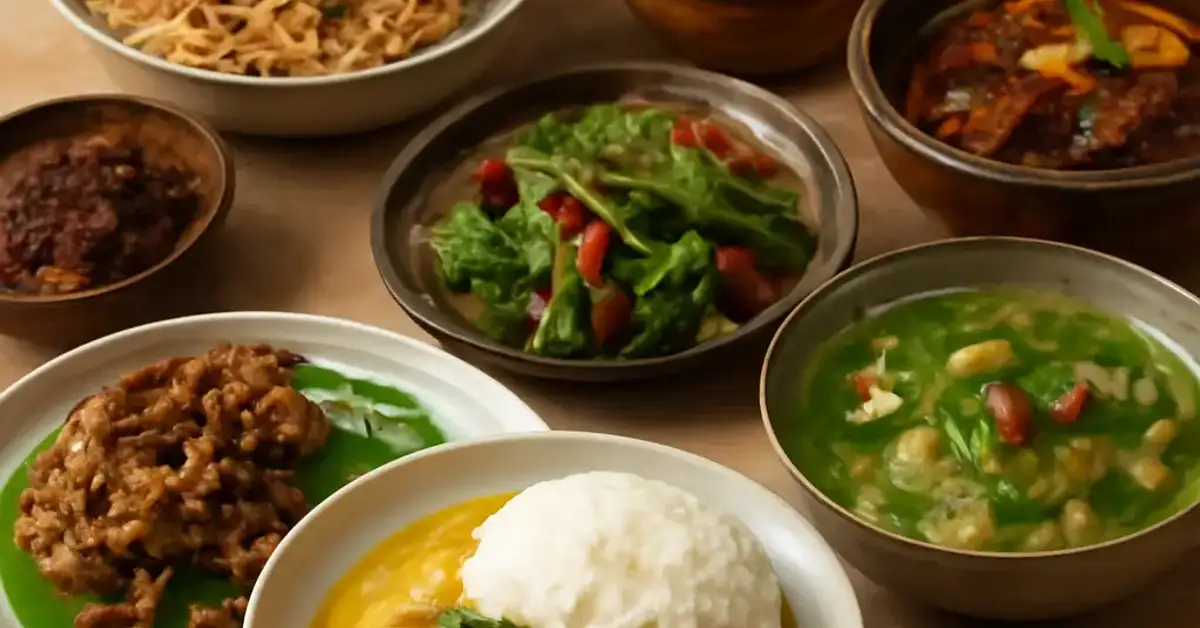
East Malaysian cooking is shaped by geography and history. Unlike the Malay, Chinese, and Indian traditions dominant in Peninsular Malaysia, Sabah and Sarawak draw heavily from dozens of indigenous groups such as the Kadazan-Dusun, Murut, Bajau, Iban, and Bidayuh. The result is a Sabah and Sarawak Malaysian Cuisine Food Guide that revolves around fresh, foraged, and fermented ingredients rather than heavy spice blends. For a related guide, see Penang Malaysian Cuisine Every Traveler Must Try: 7 Essential Dishes.
Wood-fired grilling, bamboo steaming, and wild-harvested herbs define many dishes. Coastal communities contribute seafood-rich recipes, while inland groups rely on river fish, wild boar, and jungle vegetables. Understanding this context makes every meal more meaningful.
The Role of Indigenous Ingredients in East Malaysian Dishes
Borneo local food often features bambangan (a tangy wild mango), tuhau (fermented ginger shoots), and binjai (a sour fruit used as a cooking agent). Sago starch, extracted from the sago palm, appears as a staple starch in both savoury and sweet forms. These ingredients rarely appear in Peninsular Malaysian cooking, so they feel entirely new to visitors.
7 Essential Dishes in Your Sabah and Sarawak Malaysian Cuisine Food Guide
Below are the seven dishes you should prioritise when exploring Sabah cuisine and following a Sarawak food guide. Each entry explains what it is, what it tastes like, and where to find the best versions.
1. Sarawak Laksa
Sarawak laksa is a creamy, fragrant noodle soup that uses a spice paste made from sambal belacan, tamarind, and lemongrass, with a coconut milk base that is lighter than its Penang cousin. It is typically topped with shredded chicken, omelette strips, prawns, and fresh coriander. The dish is widely considered the state’s unofficial signature meal.
2. Hinava
Hinava is a Kadazan-Dusun ceviche made with fresh raw fish, lime juice, sliced shallots, ginger, and chillies. Unlike Japanese sashimi, hinava sits in its marinade for about 30 minutes so the acid lightly “cooks” the fish. It is often served with a side of toasted sago pearls or white rice.
3. Nasi Lemak with Sambal Bajak
While nasi lemak appears nationwide, the Sabah version pairs its coconut rice with sambal bajak — a darker, smokier chilli paste made with dried shrimp and shallots. Hard-boiled egg, fried anchovies, and cucumber complete the plate. It is a breakfast staple across Kota Kinabalu.
4. Mee Kolok
Mee kolok is a Sarawakian egg noodle dish served dry with a dark soy and shallot sauce, topped with sliced char siu (barbecue pork) or minced meat. The noodles have a springy texture, and the dish is typically served with a bowl of clear soup on the side. It is common in Kuching coffee shops.
5. Bambangan and Tuhau Pickles
These two pickled condiments are essential accompaniments in Sabah. Bambangan pickle uses the fibrous skin of the wild mango, while tuhau pickle uses fermented young ginger shoots. Both deliver a spicy, sour kick that complements grilled fish or fried chicken.
6. Umai
Umai is a Melanau dish from Sarawak made with thin slices of raw fish, usually freshwater fish like empurau or ikan semah, mixed with lime juice, salt, and sliced onions. It is a simple, clean preparation that highlights the quality of the fish. Try it in coastal towns like Miri or Sibu.
7. Ikan Bakar with Bambangan Sauce
Ikan bakar (grilled fish) is elevated in Sabah with a tangy bambangan dipping sauce. The fish — often red snapper or mackerel — is stuffed with lemongrass and turmeric before being grilled over charcoal. The sour fruit sauce cuts through the smokiness perfectly.
Where to Find Authentic Traditional Recipes Malaysia in Borneo
Authenticity in traditional recipes Malaysia means eating where locals eat. In Sabah cuisine, markets like the Kota Kinabalu Sunday Gaya Street Market and the Sinsuran Night Market are excellent starting points. In Sarawak, the Kuching Waterfront area and Satok Market offer a wide range of indigenous dishes. For a related guide, see Malaysian Cuisine Desserts: 7 Must-Taste Sweet Treats Worth Every Bite.
Village-run homestays provide the most immersive experience. Many Borneo local food experiences happen in longhouses or kampung kitchens, where dishes like hinava and umai are made with ingredients gathered that morning.
Dining Tips for Exploring East Malaysian Dishes
Follow these practical suggestions to make the most of your culinary journey.
Start Your Day at a Local Market
Morning markets in both states sell fresh produce, grilled meats, and noodle dishes. Arrive before 8 a.m. for the freshest selection. Try nasi lemak at a stall with a long queue — it is usually a sign of quality.
Ask About Spice Levels
Many East Malaysian dishes use fresh bird’s eye chillies and strong sambals. If you have a low heat tolerance, ask for “sepah sikit” (just a little) in Malay. Most cooks are happy to adjust.
Embrace Fermented Flavours
Tuhau and bosou (fermented fish or pork) are acquired tastes. Approach them with an open mind. They are considered delicacies and carry probiotic benefits. Start with tuhau mixed into rice to ease into the flavour.
Useful Resources
For more detailed information on indigenous ingredients and cooking methods, refer to the following sources.
- Malaysia Food Guide — Indigenous Cuisine of Sabah and Sarawak: A comprehensive database of traditional dishes and recipes from East Malaysia.
- Sarawak Tourism Board — Food and Culture: Official travel resource that includes seasonal food festivals and culinary trails across Sarawak.
Frequently Asked Questions About Sabah and Sarawak Malaysian Cuisine Food Guide
What is the most famous dish in Sabah cuisine ?
Hinava, a raw fish ceviche marinated in lime juice and chillies, is the most widely recognised Sabah dish. It represents Kadazan-Dusun culinary heritage.
What is the signature dish of Sarawak?
Sarawak laksa is the state’s signature dish. Its distinctive spice paste and coconut milk broth set it apart from other Malaysian laksa varieties.
Is East Malaysian food very spicy?
It can be, but not always. Dishes like hinava and umai rely on fresh chillies, while nasi lemak and mee kolok are milder. Spice levels vary by stall and family recipe.
What are common ingredients in Borneo local food ?
Common ingredients include bambangan (wild mango), tuhau (fermented ginger shoots), sago, freshwater fish, wild ferns, and binjai (sour fruit used in curries).
Where can I try traditional recipes Malaysia outside of restaurants?
Local markets, night markets, and homestays are the best places. In Sabah, Gaya Street Sunday Market in Kota Kinabalu is ideal. In Sarawak, try Satok Market in Kuching.
What is the difference between Sarawak laksa and Penang laksa?
Sarawak laksa has a creamy coconut milk broth and a spice paste based on sambal belacan, while Penang laksa is sour and tamarind-based with a thinner consistency.
Is halal food widely available in Sabah and Sarawak?
Yes, halal food is widely available in both states, especially in Malay and Muslim-run stalls. Non-halal dishes like mee kolok with pork are also common in many coffee shops.
What is umai and how is it prepared?
Umai is a Melanau raw fish salad from Sarawak, dressed with lime juice, salt, and sliced onions. It is typically made with freshwater fish like empurau served immediately after dressing.
Can vegetarians find suitable options in East Malaysian dishes ?
Yes, but options are more limited. Vegetable curries, stir-fried wild ferns, bamboo shoot dishes, and plain rice or sago accompaniments are typically vegetarian-friendly if cooked without shrimp paste.
What is bambangan and how is it used?
Bambangan is a wild mango found only in Borneo. Its skin is pickled into a spicy, sour condiment, while the flesh is sometimes used in sauces for grilled fish.
What does tuhau taste like?
Tuhau has a pungent, sour, and slightly spicy flavour due to the natural fermentation process. It is an acquired taste but highly prized among Sabah locals.
Are there food festivals in Sabah and Sarawak?
Yes. The Kaamatan Festival in Sabah (May) and the Gawai Dayak Festival in Sarawak (June) both feature traditional food. The Rainforest World Music Festival in Kuching also includes a food bazaar.
What is the most common street food in Kuching?
Kuching street food favourites include Sarawak laksa, mee kolok, and kolo mee (egg noodles tossed in seasoned oil and served with char siu).
Is it safe to eat raw fish in Sabah and Sarawak?
Yes, when prepared fresh and by reputable vendors. Hinava and umai use freshly caught fish that is cleaned and marinated thoroughly. Avoid pre-prepared versions that have sat out for hours.
What is the typical breakfast in Sabah?
A typical Sabah breakfast includes nasi lemak with sambal bajak, a soft-boiled egg, and coffee. Some also enjoy local cakes such as kuih cincin.
Are there any desserts unique to East Malaysia?
Yes, especially sago-based desserts. Sarawak butter cake is also popular. In Sabah, try kuih sapit (folded egg waffles) and pinjaram (crunchy fried dough).
What is the best way to try multiple East Malaysian dishes ?
Visit a local market like the Sinsuran Night Market in Kota Kinabalu or the Kuching Food Festival if it is running. Each stall offers small portions so you can sample widely.
Do I need to speak Malay to order food?
Not necessarily. Many stallholders in tourist areas speak basic English. Learning a few Malay words like “sedap” (delicious) and “berapa” (how much) helps build rapport.
What is the drinking etiquette in East Malaysia?
In multi-ethnic settings, it is polite to offer drinks to others before pouring your own. Tap water is not recommended; stick to bottled water or local herbal teas.
Can I bring local spices or sauces home as souvenirs?
Yes, products like dried sambal belacan, bambangan paste, and bottled tuhau are popular edible souvenirs. Check customs regulations regarding seafood and meat-based products in your home country.