


Local Ingredients Used in Malaysian Cuisine Recipes Key Takeaways
Malaysia’s culinary identity rests on a vibrant tapestry of local ingredients used in Malaysian cuisine recipes .
- Local ingredients used in Malaysian cuisine recipes such as lemongrass, belacan, and coconut milk are non-negotiable for authentic flavor.
- Regional diversity—Peninsular, Sabah, and Sarawak—brings unique herbs, spices, and seafood into the kitchen.
- Understanding these ingredients is the first step to recreating traditional Malaysian dishes at home.
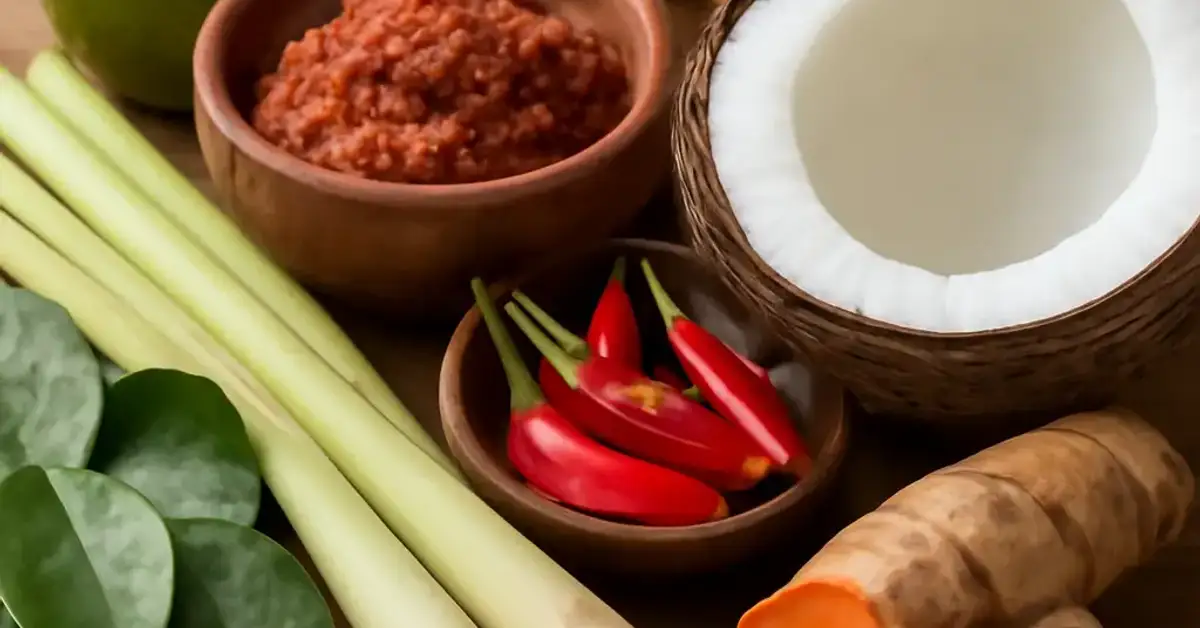
What Makes Local Ingredients Used in Malaysian Cuisine Recipes So Distinctive
Malaysian cooking is not shy. It layers heat, sweetness, saltiness, and sourness in every dish. The secret lies in a pantry stocked with local ingredients used in Malaysian cuisine recipes. These aren’t just flavor enhancers—they carry cultural stories and centuries of tradition.
Unlike Western or even some other Asian cuisines, Malaysian food relies heavily on fresh herbs, pungent fermented pastes, and native fruits that are rarely exported. Understanding these building blocks makes it possible to cook dishes like beef rendang, assam laksa, or sambal belacan with confidence. For a related guide, see 7 Malaysian Cuisine Fusion Dishes You Must Try for a Bold Taste.
The Pantry Staples: Herbs, Spices, and Aromatics
Every Malaysian kitchen keeps a handful of aromatics within arm’s reach. These are the foundation of almost every savory recipe.
Lemongrass (Serai)
Lemongrass provides a citrusy, floral note without the acidity of lemon. In traditional Malaysian recipes, it is bruised and added to curries, soups, and marinades. Its essential oils release slowly during simmering, creating a fragrant base for rendang and tom yum.
Belacan (Shrimp Paste)
Belacan is a dried, fermented shrimp paste with a powerful umami punch. It is toasted before use to mellow its sharpness. Mixed with chilies, lime, and sugar, it becomes sambal belacan—the condiment that accompanies nearly every Malaysian meal. No discussion of local ingredients Malaysian cuisine is complete without belacan.
Turmeric (Kunyit)
Fresh turmeric root stains everything golden yellow. It gives nasi kuning (yellow rice) and fish curries their earthy bitterness and vibrant color. Dried turmeric powder is also common, but fresh rhizome provides a brighter, more nuanced flavor.
Kaffir Lime Leaves (Daun Limau Purut)
These double-lobed leaves deliver a sharp, unmistakable citrus perfume. They are torn and added to curries, laksa, and stir-fries. Unlike lemon zest, kaffir lime leaves maintain their aroma even after long cooking.
Coconut Milk (Santan)
Coconut milk is the backbone of Malaysian creaminess. Extracted from grated coconut flesh, it is used in rendang, laksa lemak, and kuih (traditional sweets). The first pressing—thick santan—gives richness; the second pressing provides a thinner milk for soups.
Regional Ingredients: Peninsular, Sabah, and Sarawak
Malaysia’s geography splits into three distinct culinary regions. Each contributes unique Malaysian cooking ingredients that shape local recipes.
Peninsular Malaysia
The peninsula is home to the iconic nasi lemak, satay, and roti canai. Key ingredients include:
- Petai (stink beans) – A pungent green bean with a garlicky flavor, often stir-fried with sambal.
- Tempoyak – Fermented durian paste used in curries for a sour, funky kick.
- Budu – A fish sauce from Kelantan, thicker and more intense than Thai nam pla.
Sabah (North Borneo)
Sabah’s cuisine highlights indigenous communities and abundant seafood. Notable ingredients include:
- Bambangan – A wild mango pickled or used in sambals. Its sourness cuts through rich meats.
- Tuhau – A wild ginger stem with a unique aroma, used in pickles and salads.
- Hinava – A raw fish ceviche made with lime, chili, and grated bamboo shoots.
Sarawak
Sarawak’s cuisine is influenced by Malay, Chinese, and native Dayak traditions. Key Southeast Asian spices and ingredients include:
- Sarawak black pepper – Grown in the highlands, it is fruity and mildly hot, used in steak, soups, and noodle dishes.
- Midin – A wild fern stir-fried with garlic and belacan, a local favorite.
- Bilimbi – A sour fruit often added to curries or pickled.
Seafood and Protein Sources in Malaysian Cooking
Given Malaysia’s long coastline, seafood plays a starring role in many traditional Malaysian recipes. Anchovies (ikan bilis) are dried and fried for crunch in nasi lemak. Mackerel (ikan kembung) is steamed with turmeric or grilled for sambal. Fresh shrimp, squid, and crab appear in laksa and kerabu salads. For a related guide, see 7 Essential Traditional Malay Dishes That Define Malaysian Cuisine.
Inland, chicken and beef are more common. Free-range chickens are preferred for their firm texture. Beef is often braised for hours in coconut milk and spices to make rendang—a dish that becomes even better the next day.
Fruits That Add Sweetness and Sourness
Malaysian fruits are used both in sweets and savory dishes. Malaysian herbs and spices often partner with these fruits for balance.
- Asam gelugor – Dried slices of a sour fruit, added to fish curries for acidity.
- Pineapple – Sweet and sour, used in kerabu (salad) and asam laksa.
- Cempedak – A relative of jackfruit, deep-fried as a snack or cooked in curries.
- Mengkuang – Pandanus-like leaves used to wrap food and add fragrance.
Simple Recipes That Showcase These Ingredients
To truly understand local ingredients used in Malaysian cuisine recipes, try these two quick dishes.
Recipe 1: Sambal Belacan
Toast a thumb-sized piece of belacan in a dry pan for 2 minutes. Pound with 5 red chilies, 2 cloves of garlic, and 1 tablespoon of palm sugar in a mortar. Add the juice of 1 lime and a pinch of salt. Serve with rice, eggs, or cucumber slices.
Recipe 2: Stir-Fried Midin with Belacan
Blanch 200 g of midin fern in boiling water for 1 minute. Heat 2 tablespoons of oil in a wok. Fry 1 teaspoon of belacan paste and 3 crushed garlic cloves until fragrant. Add the fern and stir-fry for 2 minutes. Season with salt and a splash of water. Serve hot.
Tips for Sourcing and Storing Malaysian Ingredients
If you live outside Malaysia, many local ingredients Malaysian cuisine depends on can be found in Asian grocery stores. Belacan keeps indefinitely when wrapped tightly in the freezer. Lemongrass can be frozen whole for up to 3 months. Dried asam gelugor and kaffir lime leaves last for months in an airtight jar.
For fresh ingredients like petai, tuhau, or midin, check specialty Southeast Asian markets or online importers. If certain herbs are unavailable, substitute with close matches—but the flavor will shift.
Useful Resources
For more on regional Malaysian cooking techniques and ingredient profiles, visit these trusted sources:
- Nyonya Cooking – A comprehensive guide to Peranakan and Malaysian recipes with step-by-step tutorials.
- Malaysian Food Explorer – A deep dive into street food, regional specialties, and authentic ingredient lists.
Frequently Asked Questions About Local Ingredients Used in Malaysian Cuisine Recipes
What is the most important local ingredient in Malaysian cooking?
Belacan (fermented shrimp paste) is arguably the most defining ingredient—it gives the umami depth found in sambal, curries, and stir-fries.
Can I substitute belacan with something else?
You can use Thai shrimp paste (gapi) or Filipino bagoong, but the flavor will not be identical. For a non-fish alternative, miso paste can be used in a pinch but lacks the pungency.
Where can I buy local Malaysian ingredients online?
Specialty Asian grocery stores like Say Wee (Singapore), Hock Hua (Malaysia), and online platforms such as Lazada and Shopee carry frozen and dried Malaysian ingredients.
What is the difference between thick and thin coconut milk?
Thick coconut milk (santan pekat) comes from the first pressing of grated coconut and is used in rich curries. Thin milk (santan cair) comes from the second pressing and is used in soups and stews.
Is lemongrass the same as lemon zest?
No. Lemongrass has a floral, grassy aroma with citrus notes. Lemon zest is sharper and more acidic. They are not interchangeable.
What is petai and how is it used?
Petai (stink beans) are green beans with a strong, garlicky smell. They are typically stir-fried with sambal, shrimp, or minced pork.
How do I store fresh kaffir lime leaves?
Place them in a sealed bag in the refrigerator for up to 2 weeks, or freeze them in an airtight container for up to 6 months.
What is tempoyak?
Tempoyak is fermented durian pulp. It is sour and pungent, used in curries and sambals, especially in Peninsular Malaysia.
Can I use dried turmeric instead of fresh?
Yes, but fresh turmeric provides a brighter flavor and color. Use about 1 teaspoon of dried powder for every 1 inch of fresh turmeric.
What is midin and where is it found?
Midin is a wild fern native to Sarawak. It has a slightly crunchy texture and is usually stir-fried with garlic and belacan.
What is the best way to toast belacan?
Wrap the belacan block in foil and dry-roast it in a pan over medium heat for 2–3 minutes per side until fragrant. Alternatively, wrap in foil and bake at 180°C for 10 minutes.
What does asam gelugor taste like?
Asam gelugor is sour with a subtle fruity undertone, similar to tamarind but milder. It is used in fish curries and sour soups.
Is Malaysian food very spicy?
Many dishes are spicy, but heat levels vary by region and recipe. You can always adjust the amount of chili used.
What is the difference between Malaysian and Thai laksa?
Malaysian laksa often features coconut milk (laksa lemak) or tamarind-based broth (asam laksa), while Thai laksa (kaeng som) is typically more sour and less creamy.
Can I grow Malaysian herbs in non-tropical climates?
Lemongrass, turmeric, and Kaffir lime can be grown in pots indoors or in greenhouses if provided with warmth and humidity.
What is budu sauce?
Budu is a fermented fish sauce from Kelantan, often used as a condiment for rice, grilled fish, and ulam (raw herbs).
What fruits are common in savory Malay dishes?
Pineapple, starfruit (belimbing), bilimbi, and asam gelugor are frequently used to add sourness and sweetness to curries and salads.
Is nasi lemak originally a Malay dish?
Yes, nasi lemak is a traditional Malay dish that has become Malaysia’s national dish. It consists of coconut rice served with sambal, anchovies, peanuts, and hard-boiled egg.
What is the role of palm sugar in Malaysian cooking?
Palm sugar (gula melaka) adds a molasses-like sweetness and slight smokiness. It is used in sambals, desserts, and some curries to balance heat and sourness.
How do I make authentic rendang at home?
Start with a paste of lemongrass, galangal, turmeric, garlic, shallots, and chilies. Slowly simmer beef in coconut milk and the paste until the liquid reduces and the meat is tender and coated in dark, aromatic sauce.