


Modern Malay Restaurant Key Takeaways
Malaysian cuisine is rich with bold flavors—lemongrass, turmeric, coconut milk, and chilies form the backbone of classics like rendang, laksa, and nasi lemak.
- Look for a modern Malay restaurant that balances traditional spices with modern presentation and technique.
- Prioritize restaurants that source fresh, local ingredients and offer a clear narrative behind their dishes.
- Check the ambiance, service style, and online reviews to ensure the experience matches the price point.
Why Choosing a Modern Malay Restaurant Requires More Than a Gut Feeling
Malaysian cuisine is rich with bold flavors—lemongrass, turmeric, coconut milk, and chilies form the backbone of classics like rendang, laksa, and nasi lemak. However, a modern Malay restaurant reinterprets these dishes with contemporary plating, unexpected ingredient pairings, and global techniques. This fusion can be thrilling or disappointing, depending on how skillfully it’s executed. Without a clear selection strategy, you risk paying fine-dining prices for poorly executed experiments. For a related guide, see 7 Essential Flavors Why Malaysian Cuisine Reflects Multicultural Heritage.
Before making a reservation, it’s worth evaluating several dimensions: culinary philosophy, ingredient sourcing, chef background, and even the design of the space. Each factor contributes to whether the meal will feel like a cohesive story or a disjointed mashup.
Tip 1: Evaluate the Menu’s Balance Between Tradition and Innovation
A successful modern Malay restaurant doesn’t abandon its roots. It builds on them. Look for a menu that includes recognizable items—like beef rendang, sambal ikan bilis, or roti jala—presented in a way that feels fresh, not gimmicky.
What to Look For in a Contemporary Malaysian Cuisine Menu
Scan the menu for several markers:
- Classic dishes with a twist: For example, beef rendang served as a ravioli filling or laksa broth used as a sauce for grilled fish.
- Seasonal local produce: Menus that change based on what’s available indicate a thoughtful kitchen.
- Clear descriptions: Vague phrasing like “Asian fusion” without specifics may signal a lack of focus.
If the menu reads like a random collection of international ingredients, the restaurant may lack the culinary direction needed for a memorable fusion Malay dishes experience. For a related guide, see 7 Malaysian Cuisine Fusion Dishes You Must Try for a Bold Taste.
Tip 2: Research the Chef’s Background and Culinary Philosophy
Behind every great modern Malay restaurant is a chef who respects tradition while daring to experiment. Research the chef’s training and previous kitchens. A chef who trained in fine-dining establishments but grew up cooking Malay food at home often brings the perfect mix of skill and soul.
Questions to Ask Before You Go
- Where did the chef train? Look for experience in reputable fine-dining kitchens (local or international).
- Does the chef have a published cookbook or media features discussing their approach to Malay cuisine?
- Is the chef actively involved in the kitchen day-to-day? In many modern restaurants, the chef’s presence ensures consistency.
A quick search on the restaurant’s website or social media can reveal the chef’s story and whether they are truly passionate about contemporary Malaysian cuisine.
Tip 3: Assess the Ambiance—It Should Complement the Food
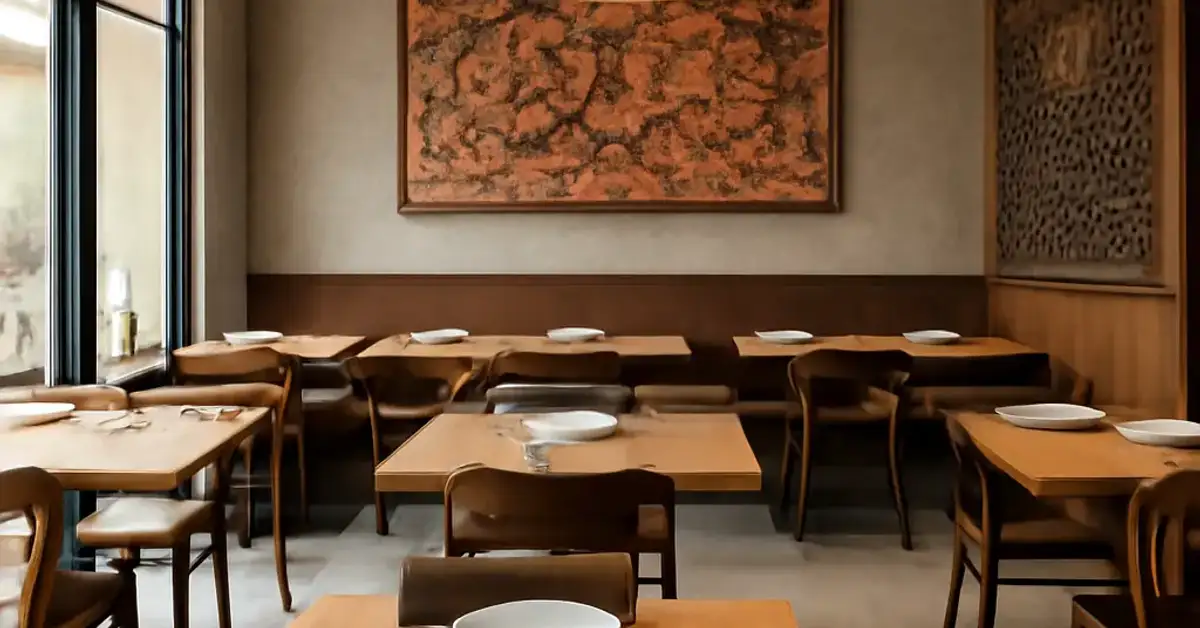
Dining is a multi-sensory experience. The ambiance of a modern Malay restaurant should echo the creativity on the plate. Minimalist interiors with warm wood accents, batik-inspired textiles, or subtle nods to Malaysian heritage create a cohesive mood.
Red Flags in Restaurant Design
- Overly generic decor that could belong to any Italian or French bistro.
- Loud music or poor lighting that distracts from the food.
- Tables packed too close together, undermining the sense of intimacy that fine dining requires.
A well-designed space shows that the restaurateur cares about every aspect of the guest experience, from the plating to the lighting.
Tip 4: Read Reviews with a Critical Eye for Modern Malay-Specific Details
General reviews on Google or TripAdvisor can be misleading. Instead, search for reviews that specifically mention modern Malay restaurant or contemporary Malaysian cuisine. Look for comments on portion size relative to price, creativity of dishes, and service attentiveness.
How to Filter Useful Feedback
- Ignore one-star rants about unrelated issues (e.g., parking).
- Focus on reviews that mention specific dishes and their execution.
- Check recent reviews for consistency—a restaurant that was great in 2022 may have changed chefs or quality.
Platforms like Google Maps and Yelp sometimes allow filtering by “Fine dining” or “Modern cuisine,” which helps narrow down relevant feedback.
Tip 5: Examine the Use of Local and Seasonal Ingredients
A hallmark of a great fine dining Malay food experience is the quality of raw ingredients. The best modern Malay restaurants source herbs, seafood, and meats locally whenever possible, and they feature seasonal produce.
Examples of Thoughtful Sourcing
- Using locally caught ikan kembung (mackerel) instead of imported salmon.
- Sourcing free-range chicken for ayam percik.
- Partnering with local farms for herbs like ulam raja and kaffir lime leaves.
A well-trained server should be able to tell you where key ingredients come from. If the staff cannot answer sourcing questions, the kitchen may not prioritize quality.
Tip 6: Consider the Wine and Beverage Pairing Program
Pairing drinks with fusion Malay dishes requires skill. Because Malay cuisine uses intense spices and coconut milk, typical wine pairings (like a bold Cabernet) can clash. An excellent modern Malay restaurant will offer pairings designed around local flavors. For a related guide, see Malaysian Cuisine Cafe Menus in KL: 5 Must-Try Dishes.
What a Good Beverage Program Looks Like
- Curated wine list with options like Riesling, Gewürztraminer, or sparkling wines that handle spice well.
- Cocktails incorporating local ingredients (pandan syrup, calamansi, lemongrass).
- Tea pairings—especially Malaysian black teas or jasmine-infused options.
If the restaurant ignores beverage pairings entirely, the overall dining experience may feel incomplete.
Tip 7: Book a Tasting Menu or Chef’s Table for the Full Picture
If you’re serious about evaluating a modern Malay restaurant, the tasting menu is your best bet. A tasting menu showcases the kitchen’s range, technique, and creativity across multiple courses. Many top-tier contemporary Malaysian cuisine restaurants offer a chef’s table experience where you can watch the kitchen in action.
What a Tasting Menu Reveals
- Consistency across dishes—a hallmark of professional kitchens.
- The ability to balance flavors across a full progression (not just one standout dish).
- How the restaurant handles dietary restrictions or custom requests.
Even a single visit to a tasting menu can tell you more than a dozen à la carte meals at a less ambitious place.
Useful Resources
Fine Dining Lovers – Modern Malaysian Cuisine: A Guide – A broader overview of how Malaysian cuisine is evolving in fine-dining contexts worldwide.
Michelin Guide – 7 Modern Malaysian Restaurants to Try – A curated list of notable modern Malaysian restaurants that meet high standards of creativity and execution.
Choosing the right modern Malay restaurant comes down to understanding what you value most—whether it’s creative flair, ingredient quality, or a complete sensory experience. By applying these seven tips, you’ll be better equipped to find a restaurant that delivers an unforgettable taste of contemporary Malaysia. Book a tasting menu, ask questions, and savor the journey.
Frequently Asked Questions About Modern Malay Restaurant
What defines a modern Malay restaurant ?
A modern Malay restaurant reinterprets traditional Malaysian dishes using contemporary cooking techniques, global influences, and artistic presentation while respecting the core flavors and ingredients of Malay cuisine.
How is modern Malay food different from traditional Malay food?
Modern Malay food uses techniques like sous-vide, foam, and deconstruction to present classic flavors in new textures and forms. Traditional Malay food is typically home-style, communal, and less focused on plating aesthetics.
Is modern Malay restaurant food expensive?
Prices vary widely. Tasting menus at top-tier modern Malay restaurants in Kuala Lumpur or Singapore can range from RM 200–600 per person. À la carte options are often more accessible, starting from RM 40–80 per dish.
What are some must-try dishes at a modern Malay restaurant ?
Look for reimagined classics like beef rendang ravioli, laksa bisque, sambal-squid ink pasta, or nasi lemak with otak-otak foam. The best menus still honor staples like sambal belacan and tempoyak.
Do modern Malay restaurants cater to dietary restrictions?
Many do, but it’s best to inform the restaurant at booking. Vegetarian, gluten-free, and halal options are becoming more common, though selection may be limited at smaller venues.
How do I find a good modern Malay restaurant in Kuala Lumpur?
Use restaurant discovery platforms like OpenTable or Google Maps with filters for “modern Malaysian” and “fine dining.” Cross-reference reviews with food blogs focused on KL’s dining scene.
Is modern Malay food halal?
Not all modern Malay restaurants are certified halal. Check the restaurant’s website or call ahead. Many high-end restaurants in Malaysia and Singapore are halal-certified or serve halal meat.
What is the dress code for a modern Malay fine dining experience?
Most upscale modern Malay restaurants require smart casual attire. Some Michelin-starred venues may require jackets for men. Always check the restaurant’s policy before visiting.
Do modern Malay restaurants offer tasting menus?
Yes, many do. Tasting menus are a hallmark of modern Malay fine dining, allowing chefs to showcase a progression of dishes that evolve in flavor and technique across the meal.
What kind of wine pairs well with modern Malay food?
Off-dry Riesling, Gewürztraminer, Viognier, and sparkling wines like Prosecco work well. For reds, choose light-bodied options like Pinot Noir that won’t overpower the spices.
Are modern Malay restaurants suitable for large groups?
Some are, but many focus on intimate dining. Call ahead to ask about private dining rooms or set menus for parties of six or more. Avoid peak times if you need flexibility.
How far in advance should I book a popular modern Malay restaurant ?
For top-tier venues, book 2–4 weeks in advance. Tasting menu slots at highly rated restaurants can fill up quickly, especially on weekends.
What ingredients are most common in modern Malay cuisine?
Key ingredients include coconut milk, lemongrass, galangal, turmeric, belacan (shrimp paste), tamarind, chilies, kaffir lime leaves, and pandan. Chefs often elevate these with premium proteins like wagyu or foie gras.
Can I find modern Malay restaurants outside Malaysia?
Yes. Cities like Singapore, London, Melbourne, and New York have notable modern Malay or Malaysian restaurants. Examples include Madrasam (Melbourne) and Caya (London).
What should I expect in terms of service at a modern Malay restaurant ?
Service is typically professional and knowledgeable. Staff should be able to explain the cooking techniques, ingredient sourcing, and the story behind each dish.
Are children welcome at modern Malay fine dining restaurants?
Many fine-dining establishments prefer adult guests. Some offer children’s portions or simpler dishes. Always check the restaurant’s policy before bringing young children.
Do modern Malay restaurants use imported ingredients?
Some do, especially for specialty items like truffles, foie gras, or Japanese seafood. However, the best modern Malay restaurants prioritize local Malaysian produce for authenticity.
What is the best time of year to visit a modern Malay restaurant ?
Year-round is fine, but many restaurants offer seasonal menus around Hari Raya or Chinese New Year, featuring limited-time dishes that celebrate festive ingredients.
How do I know if a modern Malay restaurant is worth the price?
Check for quality indicators: a clear chef philosophy, consistent reviews over time, use of seasonal ingredients, and a well-thought-out tasting menu. A single $300 meal can be better value than three mediocre $100 meals.
Can I host a private event at a modern Malay restaurant ?
Yes, many offer private dining rooms or buyout options for corporate dinners, birthdays, or weddings. Contact the events team in advance to customize the menu.