


Why This Dish Defines Us Key Takeaways
For our family, that dish is a braised oxtail with star anise and fermented black beans — a Cantonese take on a colonial-era comfort food.
- The defining dish acts as a cultural fingerprint, passed down through generations.
- Every ingredient and technique tells a story of survival, migration, and creativity.
- Sharing this dish creates a shared identity that transcends age, geography, and time.
What Makes a Dish the One That Defines Us
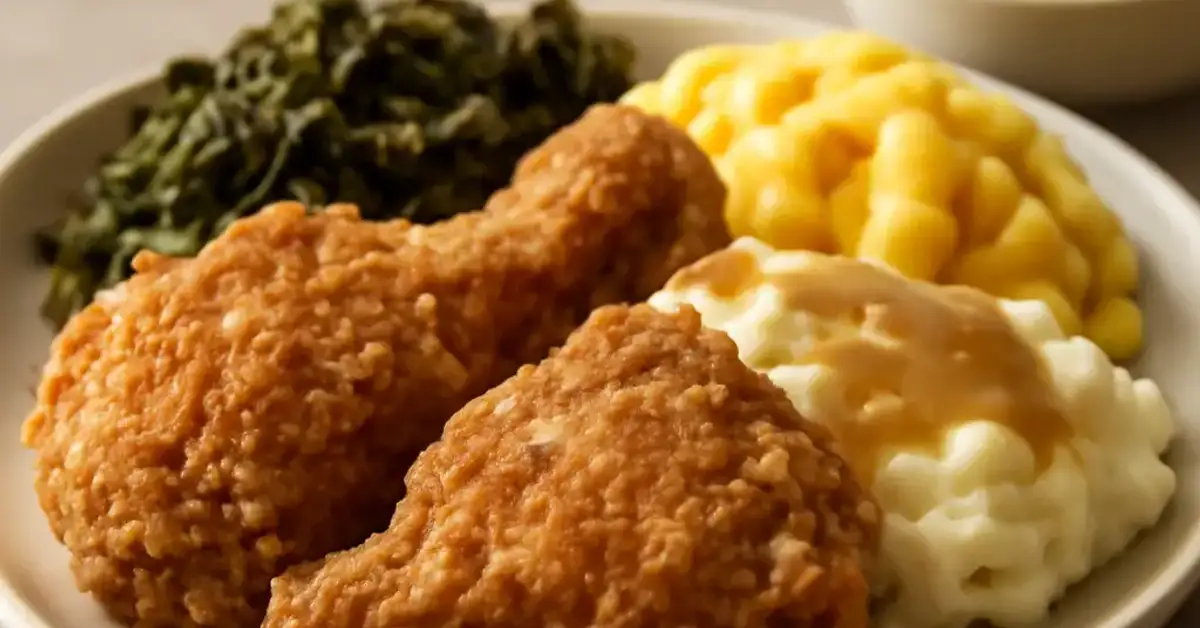
The steam rises first — a fragrant cloud of garlic, ginger, and something slow-cooked. Then you see it: gleaming in a dark sauce, surrounded by a ring of rice that has soaked up every drop of flavor. This is the dish we fight over at family gatherings, the one our grandmothers made without a recipe, the one we craved when we were far from home. This is why this dish defines us. For a related guide, see Nasi Lemak’s Cultural Meaning: 7 Surprising Insights You Must Know.
A defining dish is not just popular. It is the meal that shows up at every celebration, every funeral, every quiet Sunday. It requires a specific hand, a particular blend of spices from the old country, and a patience that modern cooking shortcuts cannot replicate. It is the taste of home. For a related guide, see 7 Proven Reasons Why Our Recipe Is Trusted by Experts.
For our family, that dish is a braised oxtail with star anise and fermented black beans — a Cantonese take on a colonial-era comfort food. It arrives in a thick clay pot, the meat falling off the bone, the sauce sticky and sweet. That sauce is our family tree on a spoon.
How Cultural Identity Through Food Shapes a Community
Every culture has a dish that carries its history. Think of gumbo in Louisiana, tagine in Morocco, or kimchi in Korea. These meals are not just sustenance; they are edible archives. The ingredients reveal trade routes. The cooking methods show adaptation to climate. The shared eating rituals reinforce bonds.
In our case, the braised oxtail represents a fusion of Chinese technique with local Southeast Asian ingredients. The star anise came from Chinese traders. The fermented black beans were a way to preserve protein in a hot climate. The slow braising method is a Cantonese hallmark, but the side of coconut rice is pure Malay influence. This kind of cultural identity through food is a living document of how our ancestors met, traded, loved, and survived.
Why We Still Cook It the Old Way
We could speed it up with a pressure cooker. We could skip the charring of the aromatics. But that would strip the soul out of the dish. The slow preparation is a ritual that forces us to pause, to remember, to pass the story to the next generation. When my aunt oversees the browning of the meat, she is repeating a ceremony that our great-grandmother performed.
5 Proven Reasons This Defining Dish Matters
So why this dish defines us goes beyond palate. Here are the five real reasons this one meal carries so much weight.
1. It Preserves a Fading Heritage
Recipes like this are oral histories. They contain the wisdom of elders — how to choose the right cut of meat, when to add the sugar, how to tell the sauce is ready by sight rather than timer. As generations become more distant from traditional kitchens, this dish becomes a vital link to a past that is easy to lose.
2. It Creates a Shared Vocabulary
When we say “the oxtail is ready,” everyone knows what that means. That dish is shorthand for family, comfort, and celebration. It is the language we speak when words are not enough. This shared vocabulary is the essence of cultural identity through food.
3. It Anchors Major Life Events
Births, marriages, deaths, reunions — this dish is there. It provides continuity. The same pot that sat on the stove for our grandmother’s 80th birthday now sits on the stove for our newborn’s naming ceremony. That continuity is a quiet, powerful anchor.
4. It Teaches Patience and Craft
Younger family members learn more than a recipe when they cook this dish. They learn knife skills, heat control, and the art of waiting. The dish cannot be rushed. This lesson in patience is a metaphor for how to live a good life.
5. It Is a Culinary Passport
When we share this dish with friends outside our culture, we are offering them a taste of our world. It is an invitation to understand us. Many strangers who have tried this oxtail have said, “Now I get it.” That is the power of a dish that defines us.
How to Find Your Own Dish That Defines Us
Not everyone grows up with a single iconic family recipe. But every community has one. Here is a simple way to discover yours.
Step 1: Ask the Elders
Talk to the oldest members of your family or community. Ask them: “What was the one dish your mother made that you still dream about?” The answer is almost always your candidate.
Step 2: Look at Celebrations
What food appears at every wedding, holiday, or funeral in your tradition? That dish, even if simple, is doing the heavy lifting of community bonding.
Step 3: Check the Ingredients
Do any ingredients seem unusual or hard to find? That is a clue. These are the markers of migration, trade, or adaptation — the very things that cultural identity through food thrives on.
Step 4: Cook It Together
Make the dish with someone from the older generation. The process itself will reveal why the dish matters. You will hear stories you have never heard before.
Risks of Losing the Defining Dish
There is a real danger in letting these traditions fade. When we stop cooking the dish, we lose more than a recipe. We lose the smells of our childhood, the sound of our grandmother’s voice narrating each step, and the quiet pride of passing something on. We lose a piece of who we are. Document your recipe. Photograph the process. Teach a young person. The act of sharing why this dish defines us is itself the preservation.
Useful Resources
For deeper exploration of how food shapes identity, visit the Smithsonian Magazine article on food and cultural identity for a scholarly look at this connection. Also, read the NPR piece on food as heritage connector for stories of families preserving their culinary heritage.
Frequently Asked Questions About Why This Dish Defines Us
What does “ dish that defines us ” really mean?
A dish that defines us is a meal that carries deep cultural, familial, or historical meaning for a group of people. It symbolizes shared identity and continuity across generations.
Can a simple dish be a defining dish ?
Absolutely. A simple bowl of rice and beans or a plain soup can be a defining dish if it holds emotional and cultural significance for the people who eat it.
Why is food so important to cultural identity?
Cultural identity through food is powerful because food involves all the senses, evokes memory, and is often tied to rituals that bring people together.
How do I identify my own family’s defining dish ?
Ask older family members what dish they most remember from childhood. The one that sparks emotion and is still made for special occasions is your defining dish.
Can a dish define a whole nation?
Yes. National dishes like poutine in Canada, sushi in Japan, or feijoada in Brazil are powerful symbols of national cultural identity through food.
What if my family has no traditional recipes?
Every family has some food tradition, even if it is a store-bought cake served on birthdays. That can still become a cherished defining dish if it is part of a shared ritual.
How does migration affect a defining dish ?
Migration often forces adaptation of traditional ingredients, creating a new version of the dish that reflects the new home while preserving the original soul.
Why do defining dishes often use cheap ingredients?
Many defining dishes were born from necessity — using affordable, available ingredients. That resourcefulness becomes part of the cultural pride and story.
Is it okay to modernize a defining dish ?
Yes, cooking is alive. Changing the dish can be a sign of continuity. The key is to honor the spirit of the original while adapting to new tastes and ingredients.
What role does memory play in food identity?
Memory is central. The taste and smell of a defining dish can instantly transport us back to a specific moment, person, or place, reinforcing our sense of belonging.
Can a store-bought item be a defining dish ?
It can, if the item is consistently used in family rituals and carries shared meaning — for example, a specific brand of soda or a bakery product that everyone associates with home.
How can I pass my defining dish to my children?
Cook it with them, tell the story behind it, and let them help at every stage. The act of making together is how the tradition transfers.
What happens when a younger generation rejects the dish?
That can be painful, but it is often temporary. The dish may return in a new form or be rediscovered when the younger generation seeks connection to their roots.
Can a dish define a mixed-culture family?
Yes. Many mixed-culture families create fusion dishes that combine elements from both sides, creating a new defining dish that represents their unique identity.
Why does why this dish defines us resonate with so many people?
Because food is universal and personal at the same time. Everyone has a dish that reminds them of home, and exploring that feeling connects us across cultures.
Is there a science behind food and identity?
Yes. Neuroscience shows that the olfactory system is directly linked to the memory centers of the brain. Smells from our defining dish trigger vivid emotional recall.
Can a restaurant dish become a defining dish for a community?
Absolutely. Local institutions like a diner’s signature burger or a bakery’s specialty bread can become a shared reference point for an entire neighborhood.
What if the defining dish is no longer made due to cost?
The dish can survive through storytelling and occasional special-occasion cooking. Documenting the recipe and its meaning ensures it is not forgotten entirely.
How do holidays influence a defining dish ?
Holidays often elevate a simple everyday dish to a ceremonial one. The dish becomes inseparable from the celebration, strengthening its role as a dish that defines us.
Can the same dish define two different cultures?
Yes. Many dishes like dumplings, rice porridge, or grilled meat exist in multiple cultures, each with its own variation and meaning. That shared structure can highlight common human experiences.