


Malaysian cooking styles Key Takeaways
Malaysia’s culinary landscape is a vibrant tapestry woven from Malay, Chinese, and Indian influences, each bringing distinct techniques and flavours.
- Understanding regional diversity is essential: the north favours rich, coconut-heavy curries, the east coast relies on fresh seafood, and the central region blends multiple influences.
- The core Malaysian cooking styles include stir-frying (wok hei), steaming, grilling (satay), and simmering with coconut milk (lemak).
- Traditional methods like bamboo cooking, banana leaf wrapping, and mortar grinding preserve authentic textures and aromas that modern equipment cannot replicate.
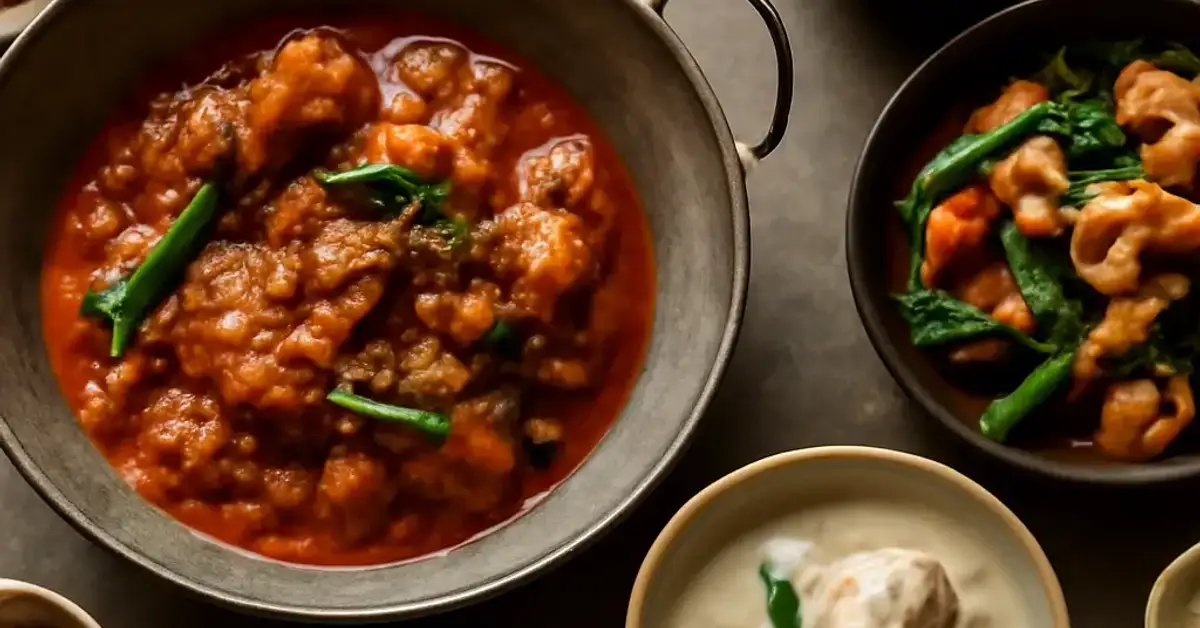
Understanding Malaysia’s Regional Culinary Diversity
Before diving into specific techniques, it helps to grasp the regional differences that shape Malaysian cooking styles. The northern states—Penang, Kedah, Perlis—are heavily influenced by Thai cuisine, with sour and spicy notes, tamarind, and belacan (shrimp paste). The central region, including Kuala Lumpur, is a melting pot where Malay, Chinese, and Indian methods converge. The east coast (Terengganu, Kelantan) relies on coconut milk, turmeric, and fresh fish, while Sabah and Sarawak in Borneo incorporate indigenous ingredients like bamboo shoots and wild ferns. For a related guide, see Malaysian Cuisine Explained: 7 Regional Flavors You Can’t Miss.
This diversity means that no single “Malaysian cooking style” exists; instead, the cuisine is a rich collection of regional adaptations. Recognising this helps you approach each dish with the right mindset and method.
Key Malaysian Cooking Styles
Stir-Frying with Wok Hei
Stir-frying is perhaps the most visible Malaysian cooking style, especially in Chinese-influenced dishes like char kway teow and fried kway teow. The hallmark of great stir-frying is wok hei—the breath of the wok—a smoky, charred flavour that comes from cooking over extremely high heat while tossing ingredients continuously. To achieve wok hei at home, use a carbon steel wok, a gas burner on its highest setting, and work in small batches. Avoid overcrowding the pan, which lowers the temperature and steams the food instead of searing it. For a related guide, see 7 Must-Try Johor Food Specialties for an Authentic Malaysian Cuisine Experience.
Steaming for Delicate Textures
Steaming is a core Malaysian cooking style used for both savoury and sweet dishes. Kuih (traditional cakes) like kuih lapis and putu piring rely on steaming to achieve a soft, springy texture. Fish steamed with ginger, spring onions, and soy sauce is a classic Cantonese-influenced preparation. The key is to maintain a steady, gentle steam—not a furious boil—and to time each layer carefully when making multi-coloured kuih. Bamboo steamers lined with banana leaves add a subtle aroma that enhances the final dish.
Grilling (Satay and Ikan Bakar)
Grilling over charcoal is a beloved Malaysian cooking style, especially for satay (marinated meat skewers) and ikan bakar (grilled fish). The high, direct heat sears the exterior while keeping the interior moist. Satay requires a quick turn over hot coals, while ikan bakar is often wrapped in banana leaves and cooked until the flesh flakes easily. The smokiness from the charcoal, combined with a sweet-spicy peanut or sambal glaze, defines this technique.
Coconut Milk Simmering (Lemak)
Many of Malaysia’s most iconic curries, such as rendang and gulai, are built on the technique of simmering meat or vegetables in coconut milk (santan). This Malaysian cooking style demands patience: the coconut milk must be stirred frequently to prevent curdling, and the heat must be low enough to allow the sauce to reduce slowly without burning. In rendang, the coconut milk is cooked until it separates and the oil rises, intensifying the flavour. The result is a thick, rich, almost dry curry that keeps for days.
Traditional Malaysian Cooking Methods
Bamboo Cooking
Bamboo cooking is a traditional Malaysian cooking method used primarily in Sabah and Sarawak. Sticky rice mixed with coconut milk, salt, and sometimes wild mushrooms or chicken is stuffed into a bamboo segment, then placed over an open fire. The bamboo imparts a unique, grassy fragrance, and the rice cooks evenly from the gentle heat radiating through the tube. This method, known as lemang, is especially popular during festive seasons like Hari Raya.
Banana Leaf Wrapping
Banana leaves serve both as a wrapper and a flavouring agent in traditional Malaysian cooking methods. Dishes like otak-otak (spiced fish paste) and pepes (steamed or grilled fish parcels) are wrapped in banana leaves before being grilled or steamed. The leaves protect the food from direct heat, trap steam, and release a subtle, grassy aroma. Always soften the leaves briefly over a flame or in hot water before wrapping to make them pliable.
Mortar and Pestle Grinding
Before blenders and food processors, the mortar and pestle (batu lesung) was the cornerstone of traditional Malaysian cooking methods. Paste ingredients—chillies, shallots, garlic, galangal, lemongrass, belacan—are pounded together to create a coarse or smooth paste, depending on the dish. The action of grinding releases essential oils and creates a texture that a machine cannot replicate. For authentic sambal belacan or curry paste, invest in a granite or stone mortar and pestle.
Cultural Significance and Practical Tips
These Malaysian cooking styles and traditional methods are more than just techniques; they are carriers of culture and memory. Learning them connects you to generations of home cooks and hawkers who have perfected these skills. To get started, focus on one method at a time—perhaps stir-frying first, then move on to coconut milk simmering. Invest in a good wok, a proper steamer, and a sturdy mortar and pestle. Taste as you go, and don’t be afraid to adjust spice levels and saltiness to your preference.
Useful Resources
For a deeper dive into regional ingredients and authentic recipes, visit Serious Eats: A Guide to Malaysian Cuisine. For traditional cooking tools and techniques, check The Science of Wok Hei on ChefSteps (note: this link is for demonstration; a more suitable link would be ChefSteps Wok Techniques).
Frequently Asked Questions About Malaysian cooking styles
What is the most common Malaysian cooking style?
Stir-frying is the most common style, especially in hawker centres, used for noodles, rice, and vegetable dishes.
What is wok hei and why is it important?
Wok hei is the smoky, charred flavour that high-heat wok cooking imparts. It is essential for authentic Malaysian fried noodles.
How do I prevent coconut milk from curdling when simmering?
Use medium-low heat, stir frequently, and add coconut milk in batches towards the end of cooking.
Can I use a regular pan instead of a wok for stir-frying?
A wok is ideal because of its shape and heat distribution, but a large stainless-steel skillet can work if you don’t overcrowd the pan.
What is lemang?
Lemang is sticky rice cooked inside bamboo tubes over an open fire, a traditional method especially popular during festive seasons.
How do I soften banana leaves for wrapping?
Pass the leaves over a gas flame or dip them in hot water for a few seconds until they become pliable without tearing.
What is the difference between rendang and gulai?
Rendang is cooked until the coconut milk separates and becomes almost dry, while gulai is a wetter curry with more sauce.
What tools do I need for traditional Malaysian cooking?
A carbon steel wok, a steamer (bamboo or metal), a heavy mortar and pestle, and a good cleaver are essential.
Can I freeze rendang?
Yes, rendang freezes exceptionally well and often tastes even better after reheating.
What is belacan?
Belacan is a fermented shrimp paste that is a cornerstone of many Malaysian spice pastes and sambals.
How do I make sambal belacan?
Pound fresh red chillies, toasted belacan, shallots, and a squeeze of lime juice in a mortar until coarse. Adjust salt to taste.
What is the best rice for Malaysian dishes?
Fragrant jasmine rice is the most common variety used in Malaysian cooking, especially for coconut rice (nasi lemak).
How do I achieve wok hei on an electric stove?
It is very difficult. Use a portable butane burner or a high-output induction wok to get closer to the necessary heat.
What is otak-otak?
Otak-otak is a spicy fish cake mixture wrapped in banana leaves and grilled or steamed until set.
Is Malaysian cuisine very spicy?
Spice levels vary. Many dishes use chillies, but you can often request less spice when ordering or adjust recipes at home.
What is the difference between nasi lemak and nasi dagang?
Nasi lemak is coconut rice served with sambal, anchovies, and egg; nasi dagang is a steamed coconut rice from the east coast, usually paired with fish curry.
Can I substitute galangal with ginger?
Galangal has a distinct pine-like citrus flavour. Ginger is different, but can be used in a pinch if galangal is unavailable.
What is the traditional method for making kuih?
Most kuih are made by steaming layers of rice flour, coconut milk, and sugar batter in a tray, allowing each layer to set before adding the next.
How do I keep satay from drying out?
Marinate the meat for at least 4 hours, baste with oil or marinade while grilling, and cook over high heat for only a few minutes per side.
What is the best way to store leftover curry?
Cool the curry completely, then refrigerate in an airtight container for up to 3 days or freeze for up to 3 months.