


Malaysian cuisine breakfast foods Key Takeaways
Malaysian mornings are a riot of color, aroma, and flavor — a daily affair that turns breakfast into a celebration.
- The nasi lemak breakfast — coconut rice with sambal, anchovies, and egg — is Malaysia’s unofficial national dish and a perfect start to any day.
- Roti canai breakfast and other crispy, griddle-cooked flatbreads are beloved for their versatility and dipping sauces.
- Malaysian street food breakfast options like nasi dagang and ketupat with rendang reveal regional diversity and cultural influences.
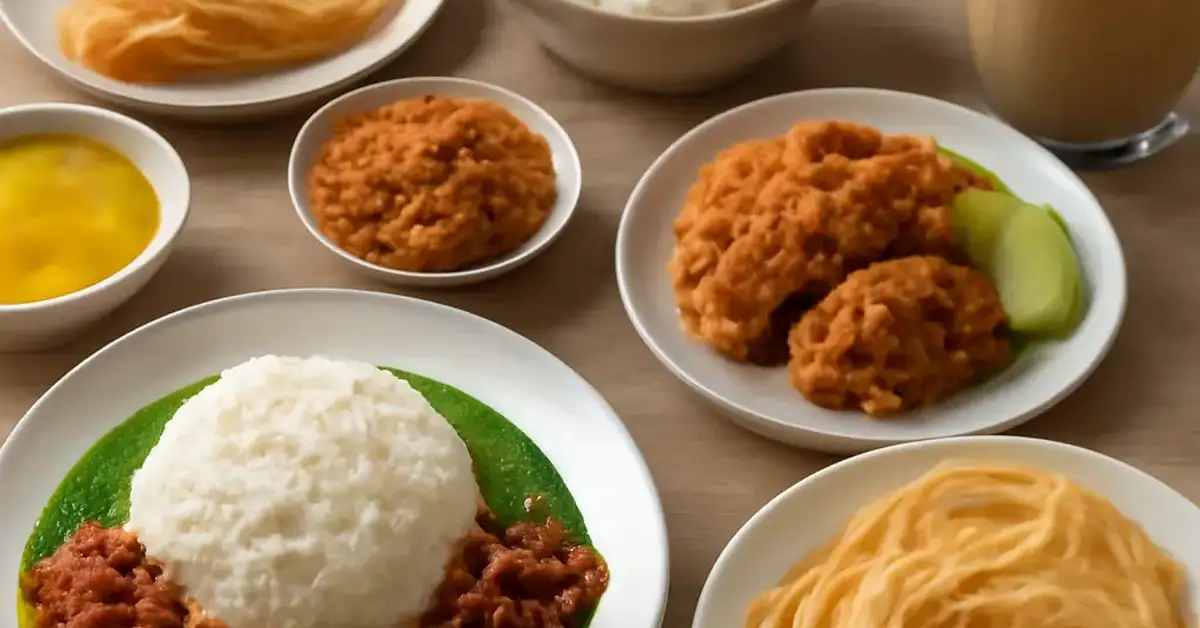
Why Malaysian Cuisine Breakfast Foods Steal the Morning Show
Walk through any Malaysian town before 9 a.m., and you’ll be hit with the scent of coconut milk, pandan leaves, and chili paste sizzling on street-side griddles. Breakfast here isn’t a rushed bowl of cereal — it’s a sensory experience. The best Malaysian breakfast foods mix Malay, Chinese, and Indian culinary traditions into something entirely unique. Street vendors, known as warungs, serve these meals fresh, fast, and ridiculously cheap, making every morning feel like a food festival. For a related guide, see 10 Must Malaysian Cuisine Dishes for Authentic Food Lovers.
7 Iconic Malaysian Breakfast Foods Worth Waking Up For
1. Nasi Lemak — The Undisputed Champion
Nasi lemak breakfast is the heart of Malaysian mornings. Fragrant coconut rice is paired with spicy sambal (chili paste), fried crispy anchovies, roasted peanuts, a hard-boiled or fried egg, and slices of cucumber. For a heartier version, add fried chicken, beef rendang, or squid sambal. Found everywhere from roadside stalls to upscale cafés, this dish is salty, spicy, creamy, and crunchy all at once. Why it’s worth waking up for: no other breakfast packs this much flavor and texture balance into a single banana-leaf packet.
2. Roti Canai — Flaky, Crispy, Dippable
Roti canai breakfast is a golden, griddle-fried flatbread with a texture that’s part flaky croissant, part chewy pancake. It’s served with a bowl of dhal (lentil curry) or kari ayam (chicken curry). Some variations stuff the roti with egg, onion, sardines, or even chocolate and cheese. The beauty lies in the pulling — watch the dough get tossed and slapped thin before hitting the hot griddle. Why it’s worth waking up for: it’s warm, satisfying, and perfect for sharing, and every bite feels like comfort food.
3. Nasi Dagang — East Coast Treasure
Hailing from the states of Terengganu and Kelantan, nasi dagang is a fragrant steamed rice made from a mix of glutinous and regular rice, cooked with coconut milk, fenugreek, and a touch of salt. It’s paired with a mild, turmeric-rich gulai ikan tongkol (tuna curry), pickled vegetables called acar, and hard-boiled eggs. Why it’s worth waking up for: the subtle spice and creamy rice make it a lighter, fragrant alternative to nasi lemak.
4. Kaya Toast with Soft-Boiled Eggs — Kopitiam Classic
Step into any kopitiam (traditional coffee shop) and order this iconic pairing. Two slices of toasted white bread are slathered with kaya (a sweet, coconut-egg jam made with pandan) and a generous pat of cold butter. Alongside come two soft-boiled eggs seasoned with white pepper and soy sauce. Why it’s worth waking up for: the contrast of hot, crunchy toast against cold, creamy butter and the silky eggs is pure breakfast magic.
5. Lontong with Lodeh — Vegan-Friendly Full Meal
Compressed rice cakes (lontong) are sliced and drowned in a warm, aromatic coconut vegetable stew called lodeh, made with cabbage, carrots, long beans, and tofu. Hard-boiled eggs, sambal, and fried shallots top it off. This is a favorite during Ramadan but available year-round across Malaysian street food breakfast stalls. Why it’s worth waking up for: it’s hearty, plant-forward, and the mild curry is comforting even for first-timers.
6. Apam Balik — Sweet Folding Pancake
This crispy, chewy pancake is cooked in a special round mold, then folded in half with a filling of crushed peanuts, creamed corn, and a sprinkle of sugar. Some versions add chocolate, cheese, or banana. Apam balik is sold by mobile vendors who pour batter, flip, and fold within minutes. Why it’s worth waking up for: it’s a street-level dessert-breakfast hybrid that satisfies your sweet tooth before noon.
7. Ketupat with Rendang or Satay — Weekend Feast
Ketupat is a woven palm-leaf pouch filled with compressed rice, boiled until firm. It’s traditionally served during Hari Raya but appears on weekend breakfast menus across the country. Pair it with slow-cooked beef rendang or skewers of satay with peanut sauce. Why it’s worth waking up for: the combination of neutral rice, intensely spiced meat, and rich sauce is a showstopper that turns breakfast into a feast.
What Makes Best Malaysian Breakfast Foods Unique?
The brilliance of Malaysian cuisine breakfast foods lies in the layering of flavors — sweet, salty, spicy, and umami in a single bite. Many dishes start with a base of coconut milk or rice, then pile on sambal, fresh herbs, and protein. The mamak (Indian Muslim) stalls add roti, teh tarik, and curries, while Chinese kopitiams contribute toast, eggs, and coffee. This multicultural mash-up is what makes the best Malaysian breakfast foods so addictive.
Where to Experience Malaysian Street Food Breakfast
You don’t need a fancy restaurant. Hit the pasar pagi (morning market) in any town — Kuala Lumpur’s Kampung Baru, Penang’s Air Itam, or Malacca’s Jonker Walk. Look for the longest queues, and you’ve found the best stalls. Prices range from 2 to 8 Malaysian ringgit per dish (roughly $0.50–$2 USD), making it one of the most affordable food adventures in Southeast Asia.
Useful Resources
- BBC Good Food: Authentic Nasi Lemak Recipe — A trusted step-by-step guide to cooking nasi lemak at home, complete with sambal instructions.
- The Rakyat Post: Best Roti Canai in KL — A local list of top-rated roti canai stalls across Kuala Lumpur, perfect for planning a breakfast crawl.
Malaysian cuisine breakfast foods are a world of their own — bold, diverse, and deeply rooted in everyday life. Whether you’re planning a trip or just want to cook something new at home, start with nasi lemak breakfast or a roti canai breakfast. Your mornings will never be the same. Grab a spoon (or your hands — that’s the traditional way!) and dig in.
Frequently Asked Questions About Malaysian cuisine breakfast foods
What is the most popular Malaysian breakfast dish?
Nasi lemak breakfast is the most popular, considered Malaysia’s national dish. It’s eaten by people of all backgrounds at any time of day, but it’s especially beloved as a morning meal.
Is roti canai healthy for breakfast?
Roti canai is relatively high in carbs and fat due to the ghee or oil used, but it can be part of a balanced breakfast when paired with lentil curry (dhal) rather than chicken curry. Enjoy it in moderation.
What drinks go with Malaysian breakfast foods?
Teh tarik (pulled milk tea), kopi o (black coffee with sugar), and bandung (rose syrup with condensed milk) are classic pairings. Iced versions are popular in warmer climates.
Can I find vegetarian Malaysian breakfast options?
Yes. Roti canai with dhal, nasi lemak with sambal and egg (skip the anchovies), and lontong with lodeh are all vegetarian-friendly. Many kopitiams also offer vegetarian kaya toast.
What time do Malaysians usually eat breakfast?
Breakfast is typically served from 6:00 a.m. to 10:00 a.m. Many Malaysian street food breakfast stalls open as early as 5:00 a.m., especially in markets and business districts.
What is the difference between nasi lemak and nasi dagang?
Nasi lemak uses coconut milk–flavored rice, while nasi dagang uses a mix of glutinous and regular rice steamed with fenugreek. The accompaniments also differ — nasi dagang typically features tuna curry and pickled vegetables.
Are Malaysian breakfasts spicy?
Many dishes include sambal or curry, which can be moderately spicy. However, you can usually request milder versions, especially at Malaysian street food breakfast stalls where vendors customize orders.
What is kaya jam made of?
Kaya is a sweet spread made from coconut milk, eggs, sugar, and pandan leaves. It has a creamy, custard-like texture and a distinct floral aroma.
Can I eat nasi lemak for dinner too?
Absolutely. Nasi lemak breakfast traditions have expanded — it’s now sold at 24-hour stalls and served as a full meal any time of day.
Is Malaysian breakfast food expensive?
No. A plate of nasi lemak or roti canai costs between 2 and 5 Malaysian ringgit ($0.50–$1.20 USD), making Malaysian cuisine breakfast foods extremely affordable.
What is teh tarik?
Teh tarik is a frothy milk tea made by “pulling” the tea between two cups to cool and aerate it, creating a velvety texture. It’s a staple at best Malaysian breakfast foods stalls.
Do Malay and Chinese breakfasts differ?
Yes. Malay breakfasts often center on coconut rice, curries, and sambal, while Chinese-Malaysian breakfasts favor congee, dim sum, and kaya toast with eggs.
What is lontong?
Lontong is compressed rice cake made by wrapping rice in banana leaves and boiling it until firm. It’s typically sliced and served with a mild coconut vegetable stew (lodeh).
Are there gluten-free Malaysian breakfast options?
Many traditional dishes are naturally gluten-free, including nasi lemak, ketupat, and lontong. Be cautious with sauces and soy sauce, which may contain wheat.
What is the best time to visit Malaysia for breakfast food?
Any time is great, but weekends offer more elaborate breakfast spreads, especially during Ramadan (if you want to experience buka puasa breakfast-style street food).
Can I make roti canai at home?
Yes, but it requires practice to achieve the stretchy dough. Many home cooks use a simplified version without the tossing — just roll the dough thin and pan-fry.
What is the difference between apam balik and banh xeo?
Apam balik is a sweet Malaysian folded pancake with peanuts and corn, while banh xeo is a savory Vietnamese crepe filled with shrimp and bean sprouts.
Is Malaysian breakfast food halal?
Most Malaysian street food breakfast stalls serving Malay or Indian Muslim cuisine are halal-certified. Chinese kopitiams may serve pork-based dishes, so ask if it matters to you. For a related guide, see 7 Must-Try Malaysian Dishes for Tourists in Kuala Lumpur.
Where can I find the best satay for breakfast?
Satay is more common for lunch or dinner, but some best Malaysian breakfast foods markets in Kelantan and Terengganu offer it in the morning. Look for roadside stalls with smoking grills.
Can I freeze nasi lemak or roti canai?
You can freeze roti canai dough, but cooked nasi lemak doesn’t freeze well — the rice dries out. It’s best enjoyed fresh from the stall.